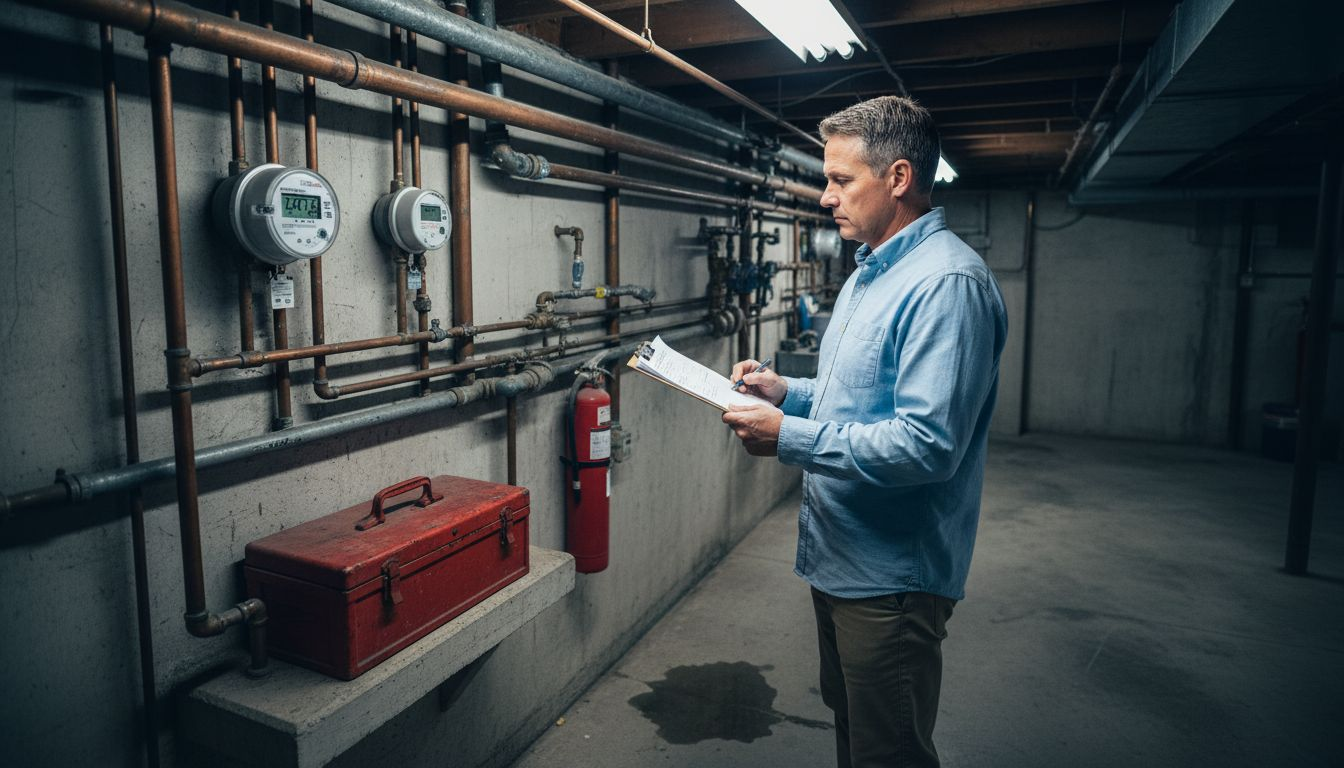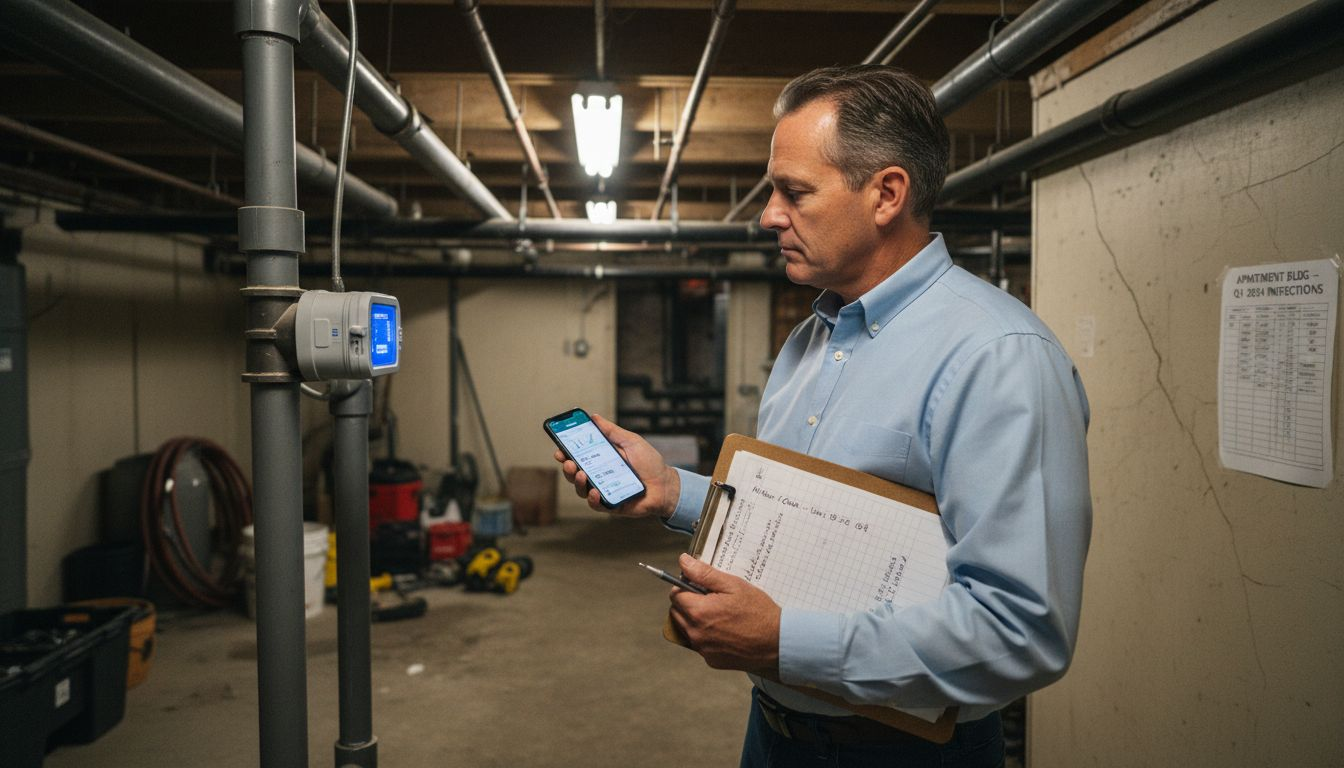

Unexpected water leaks and high utility bills can create stress and serious financial risk for any property manager. Keeping buildings safe and tenants happy requires more than old-fashioned maintenance—today, advanced solutions matter. Fortunately, smart water sensors offer a powerful way to spot problems early and simplify daily operations.
These systems provide real-time alerts, accurate water tracking, and instant leak detection before issues spiral into major repairs or compliance headaches. Whether your priority is protecting property, reducing insurance costs, or making billing fairer for tenants, targeted strategies exist that make these goals achievable.
Get ready to discover practical ways to use smart water technology that directly improve your property’s performance—each insight will help you save money, conserve resources, and gain more control over building management.
- Prevent Costly Water Damage With Early Leak Detection
- Support Title 24 Compliance Effortlessly
- Reduce Water Usage And Enhance Conservation
- Simplify Tenant Billing Through Water Metering
- Lower Insurance Costs And Improve Risk Management
- Earn LEED Points For Environmental Sustainability
- Automate Water Shutoff For Enhanced Safety
Quick Summary
| Key Message | Explanation |
|---|---|
| 1. Implement Smart Water Sensors | Early leak detection can prevent significant water damage costs, protecting property and enhancing tenant satisfaction. |
| 2. Streamline Title 24 Compliance | Smart sensors aid in meeting California’s water efficiency regulations, automating monitoring and reporting processes. |
| 3. Enhance Water Conservation | Using smart sensors can lead to up to 30% reduction in water use by enabling precise tracking and leak identification. |
| 4. Improve Tenant Billing Transparency | Smart metering allows for accurate and fair tenant utility billing, enhancing trust and accountability in resource consumption. |
| 5. Reduce Insurance Premiums | Proactive water management can lower insurance costs and improve risk management through enhanced monitoring and prevention strategies. |
1. Prevent Costly Water Damage with Early Leak Detection
Water damage can devastate property managers financial bottom line and tenant satisfaction. Smart water sensors provide a critical defense mechanism against potential catastrophic water-related incidents by enabling early leak detection and prevention.
Property managers face significant challenges with water damage repair costs averaging between $2000 to $5000 per incident. By implementing advanced water leak detection technologies, managers can dramatically reduce these potential expenses. Advanced leak detection systems use electrical conductivity to identify moisture problems before they escalate.
Key benefits of early leak detection include:
- Preventing structural damage to buildings
- Reducing potential mold growth risks
- Minimizing insurance claim expenses
- Protecting tenant property and living environments
- Maintaining property value and integrity
Modern smart sensors integrate seamlessly with property management systems to provide real-time alerts. These intelligent devices continuously monitor critical areas like bathrooms, kitchens, utility rooms, and basement spaces where water leaks frequently originate.
Water leak sensors can reduce potential damage costs by up to 75% through immediate detection and intervention.
Proactive monitoring transforms reactive maintenance strategies into strategic risk management approaches. By catching potential issues early property managers can protect their investments and maintain tenant trust.
Pro tip: Install water sensors in high-risk areas and establish a rapid response protocol for immediate leak notifications to minimize potential damage.
2. Support Title 24 Compliance Effortlessly
Property managers in California face increasing regulatory challenges around water efficiency and building performance standards. California water compliance regulations require sophisticated monitoring strategies that smart water sensors uniquely provide.
Title 24 represents a complex set of building energy and water efficiency standards that demand proactive management. These regulations aim to reduce wasteful energy and water consumption across residential and commercial properties through strategic technological interventions.
Smart water sensors offer comprehensive compliance support by:
- Automatically tracking water usage patterns
- Providing real-time leak detection
- Generating detailed water consumption reports
- Enabling precise resource management
- Supporting sustainable building certifications
By integrating intelligent monitoring systems property managers can transform regulatory compliance from a challenging obligation into a streamlined operational process. These technologies not only help meet legal requirements but also deliver significant cost savings and environmental benefits.
Smart water sensors reduce water waste and support regulatory compliance simultaneously.
Modern sensors go beyond simple leak detection they provide comprehensive data analytics that help property managers demonstrate ongoing adherence to California’s stringent water conservation standards.
Pro tip: Implement a comprehensive water management system that automatically generates compliance documentation and tracks performance metrics.
3. Reduce Water Usage and Enhance Conservation
Property managers face increasing pressure to implement sustainable water management strategies that reduce consumption and minimize environmental impact. IoT water monitoring technologies provide unprecedented opportunities to transform water conservation efforts.
Smart water sensors represent a game changing approach to resource management by enabling precise tracking and analysis of water consumption patterns. These advanced technologies go beyond traditional monitoring methods by providing real-time data and actionable insights into water usage across multifamily properties.
Key benefits of smart water sensor conservation strategies include:
- Identifying hidden water leaks instantly
- Tracking per-unit water consumption accurately
- Generating detailed water usage reports
- Promoting tenant awareness of water consumption
- Supporting sustainable property management practices
By implementing intelligent water monitoring systems property managers can achieve significant reductions in water waste. Some properties have reported up to 30% water consumption decreases after deploying comprehensive sensor networks.
Smart water sensors transform water management from reactive to proactively sustainable.
Modern sensor technologies integrate advanced algorithms that not only detect leaks but also provide predictive analytics about potential future consumption patterns. This approach enables property managers to make data-driven decisions about water resource management.
Pro tip: Establish baseline water consumption metrics before implementing sensor technologies to accurately measure and communicate conservation improvements.
4. Simplify Tenant Billing through Water Metering
Tenant billing represents a complex challenge for property managers seeking fair and transparent utility cost allocation. Accurate water metering solutions provide a strategic approach to resolving these billing complexities.
Traditional utility billing methods like Ratio Utility Billing Systems (RUBS) often rely on approximate allocation formulas that can feel arbitrary and unfair to tenants. Smart water submetering transforms this landscape by enabling precise per-unit water consumption tracking and billing.
Key advantages of smart water metering for tenant billing include:
- Eliminates guesswork in utility cost allocation
- Provides transparent individual unit consumption data
- Encourages water conservation through direct usage accountability
- Reduces administrative billing processing time
- Supports fair and accurate cost recovery
Modern submetering technologies integrate seamlessly with property management software platforms allowing for automated billing processes. These systems generate detailed consumption reports that can be directly passed to tenants reducing manual administrative overhead.
Precise water metering transforms tenant billing from an opaque process to a transparent transaction.
By implementing smart water metering property managers create a win-win scenario that promotes conservation while ensuring accurate cost recovery. Tenants appreciate the transparency and opportunities to control their individual water expenses.
Pro tip: Implement a tenant communication strategy that explains the benefits of individual water metering to increase acceptance and understanding of the new billing approach.
5. Lower Insurance Costs and Improve Risk Management
Property managers are increasingly recognizing the financial advantages of proactive water damage prevention strategies. Smart water management systems offer a compelling approach to reducing insurance risks and associated costs.
Water damage represents one of the most frequent and expensive property insurance claims. Advanced sensor technologies transform risk management by providing real-time monitoring and automated intervention capabilities that significantly mitigate potential damage scenarios.
Key risk management benefits include:
- Automatic water shutoff during detected leaks
- Immediate damage prevention notifications
- Comprehensive documentation for insurance purposes
- Reduced claims frequency and severity
- Potential insurance premium reductions
Insurance providers increasingly offer discounts for properties implementing advanced water monitoring technologies. Some carriers provide up to 20% reduction in premiums for properties with comprehensive leak detection systems.
Proactive water damage prevention translates directly into measurable financial savings.
By demonstrating a commitment to risk mitigation property managers can negotiate more favorable insurance terms and protect their financial investments. These technologies shift the paradigm from reactive damage control to preventative management.
Pro tip: Request documentation from your water sensor provider that details risk mitigation features to present directly to insurance underwriters for potential premium reductions.
6. Earn LEED Points for Environmental Sustainability
Property managers seeking green building certifications now have a powerful tool in smart water sensor technologies. LEED certification strategies increasingly recognize advanced water monitoring as a critical sustainability pathway.
LEED v4 and v4.1 certification frameworks provide specific credits for water efficiency improvements that smart water sensors directly support. These technologies enable property managers to demonstrate quantifiable water conservation efforts and earn valuable sustainability points.
Key benefits for LEED certification include:
- Precise water consumption tracking
- Automated leak detection and prevention
- Detailed water usage reporting
- Measurable conservation evidence
- Verifiable sustainability metrics
By implementing comprehensive water monitoring systems property managers can potentially earn multiple LEED credits. Some properties have successfully secured 3-5 additional points through advanced water management technologies.
Smart water sensors transform sustainability reporting from subjective claims to objective measurements.
Modern sensor technologies provide granular data that goes beyond traditional monitoring approaches. These systems generate comprehensive reports that directly support green building certification requirements.
Pro tip: Maintain detailed documentation of water savings and conservation metrics to maximize potential LEED point allocation during certification reviews.
7. Automate Water Shutoff for Enhanced Safety
Property managers face significant risks from unexpected water damage that can escalate rapidly and cause extensive property destruction. Smart water shutoff technologies provide an innovative solution for immediate leak prevention and safety management.
Automatic water shutoff systems represent a critical advancement in property protection strategies. These intelligent devices continuously monitor water flow and can instantly interrupt water supply when abnormal patterns or potential leaks are detected.
Key safety advantages include:
- Preventing catastrophic water damage
- Reducing emergency maintenance costs
- Minimizing potential property restoration expenses
- Enabling remote monitoring and control
- Supporting 24/7 proactive risk management
Modern sensor technologies integrate seamlessly with smartphone applications allowing property managers to receive instant notifications and control water systems from anywhere. This real-time intervention capability transforms traditional reactive maintenance approaches.
Automated water shutoff transforms property management from crisis response to preventative protection.
By implementing these advanced technologies property managers can significantly mitigate potential water-related risks while demonstrating a commitment to proactive asset management and tenant safety.
Pro tip: Configure multiple notification channels including text messages and email alerts to ensure critical water system interruption information reaches the right personnel immediately.
Below is a comprehensive table summarizing the key strategies and benefits discussed in the article regarding implementing smart water management technologies for properties.
| Topic | Description | Key Benefits |
|---|---|---|
| Early Leak Detection | Utilize smart water sensors to identify and address leaks proactively. | Prevent costly repairs, reduce mold risks. |
| Title 24 Compliance | Employ smart monitoring systems for compliant water usage tracking. | Streamlined adherence to regulations. |
| Water Conservation | Implement IoT-based systems to monitor and minimize water consumption. | Achieve savings and promote environmental care. |
| Tenant Billing Transparency | Use smart water metering for accurate and fair utility cost allocation. | Enhance tenant trust and conserve resources. |
| Insurance and Risk Management | Apply sensor technologies to mitigate water damage risks efficiently. | Lower premiums, reduce claims severity. |
| Pursuit of LEED Certification | Integrate water sensors for verifiable sustainability metrics toward green building certifications. | Earn points, demonstrate commitment to ecology. |
| Automated Safety Measures | Introduce smart systems for instant water shutoff during anomalies. | Protect properties from sudden damages. |
Protect Your Property with Smart Water Sensor Solutions from Leaksense.io
Water damage and regulatory compliance challenges can overwhelm any property manager. This article highlights the urgent need for early leak detection, precise water metering, and automated shutoff systems to prevent costly repairs, support Title 24 compliance, and enhance tenant satisfaction. At Leaksense.io, we specialize in delivering tailored smart water sensors and IoT-enabled monitoring systems designed to meet these critical pain points specifically for California multifamily and commercial properties.
Our comprehensive solutions provide real-time alerts, detailed water usage analytics, and automated leak prevention that safeguard your investments while simplifying tenant billing and supporting LEED certification efforts. Discover how our expert installation and cloud-based platform transform reactive water management into a proactive strategy that saves money and reduces risk.
Take control of your property’s water management today with Leaksense.io’s smart water sensor solutions.
Ready to minimize water damage risks and ensure compliance effortlessly Start by exploring how our advanced leak detection and automated shutoff technologies can protect your buildings. Visit Leaksense.io now to learn more and request your personalized consultation.
Frequently Asked Questions
How can smart water sensors help prevent water damage?
Smart water sensors can detect leaks early, minimizing potential damage and reducing repair costs. To protect your property, install sensors in high-risk areas like bathrooms and kitchens for real-time alerts.
What are the benefits of using smart water sensors for tenant billing?
Smart water sensors provide accurate tracking of water usage, allowing for fair and transparent billing for tenants. Implement a submetering system to improve accountability and encourage water conservation among residents.
How do smart water sensors support regulatory compliance?
Smart water sensors automatically track water usage and detect leaks, helping property managers meet compliance standards more easily. To streamline your compliance process, integrate these sensors into your property management system to generate detailed reports.
What kind of cost savings can I expect from smart water sensor installations?
Implementing smart water sensors can reduce potential water damage costs by up to 75% and lower insurance premiums by around 20%. Evaluate your current expenses and set a goal to achieve significant savings within the first year.
How do smart water sensors enhance environmental sustainability?
Smart water sensors track water consumption patterns and reduce waste, contributing to more sustainable property management practices. To start, establish baseline metrics for water use before deploying sensors to measure and showcase improvements.
What should I do to ensure effective water leak detection in my property?
To ensure effective water leak detection, strategically install smart sensors in critical areas and create a rapid response protocol for alerts. Regularly review your sensor data to catch any potential issues before they escalate.
Recommended
- Unlocking Benefits of Smart Water Metering Systems | LeakSense
- 7 Key Sustainable Building Practices 2026 for Managers
- 7 Top Examples of Multifamily Water Solutions Explained
- Automatic Alerts Enhance Water Management Efficiency | LeakSense
- 7 Key Benefits of Asset Coating for Water Tanks and Pipelines
- 7 Energy-Efficient Pool Solutions for Eco-Friendly Homes
- 7 Smart Energy-Efficient Design Features for Apartments › Danica