Leak Detection with Automatic Shutoff for Apartments

24/7 Leak Detection for Multifamily Properties

Water damage is one of the most expensive and disruptive risks in multifamily housing. LeakSense provides 24/7 leak detection with automatic shutoff and manual valve control through the web app, so teams can respond fast and reduce damage risk.

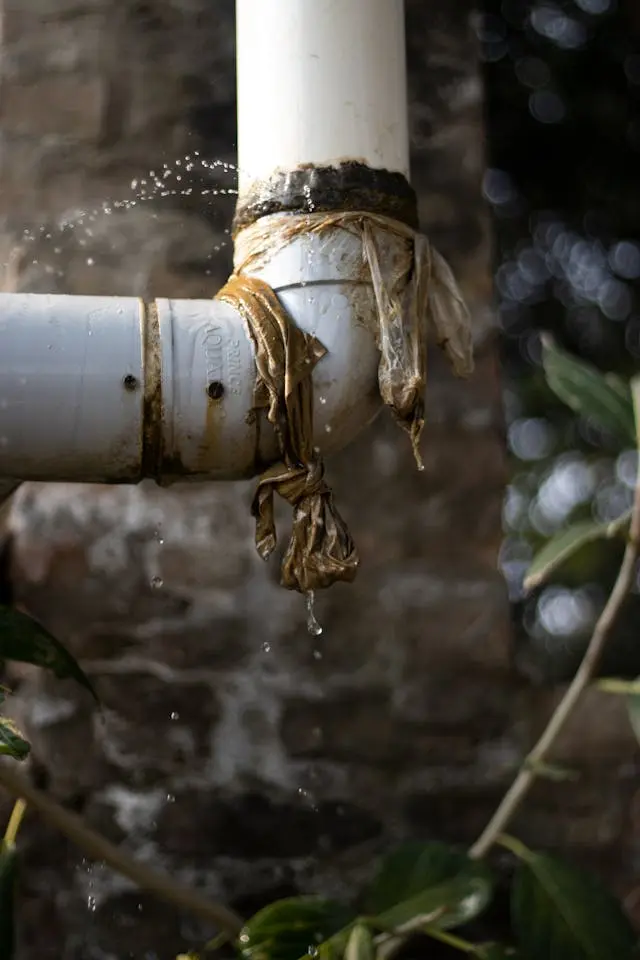
Automatic leak detection system for apartments

Preventing Hidden Leaks in Multi-Unit Buildings

Traditional leak detection relies on residents noticing problems or periodic inspections that catch issues too late. LeakSense detects abnormal water flow patterns 24/7 and can trigger alerts and automatic shutoff when needed.

The platform tracks per-unit usage and flow so you can see trends over time and identify issues like slow leaks, running toilets, and burst pipes. Property teams can receive alerts and shut off water automatically or manually through the web app. For unit-level usage tracking and billing use cases, see water submetering and unit-level metering.

Real-Time Monitoring and Alerts

Continuous water flow monitoring with configurable thresholds. Instant alerts sent to property managers and maintenance teams when abnormal flow is detected.

Automatic and Manual Shutoff

Motorized shutoff valves can close automatically when a leak is detected, and teams can also open or close the valve manually through the web app when needed.

Valve leak detection
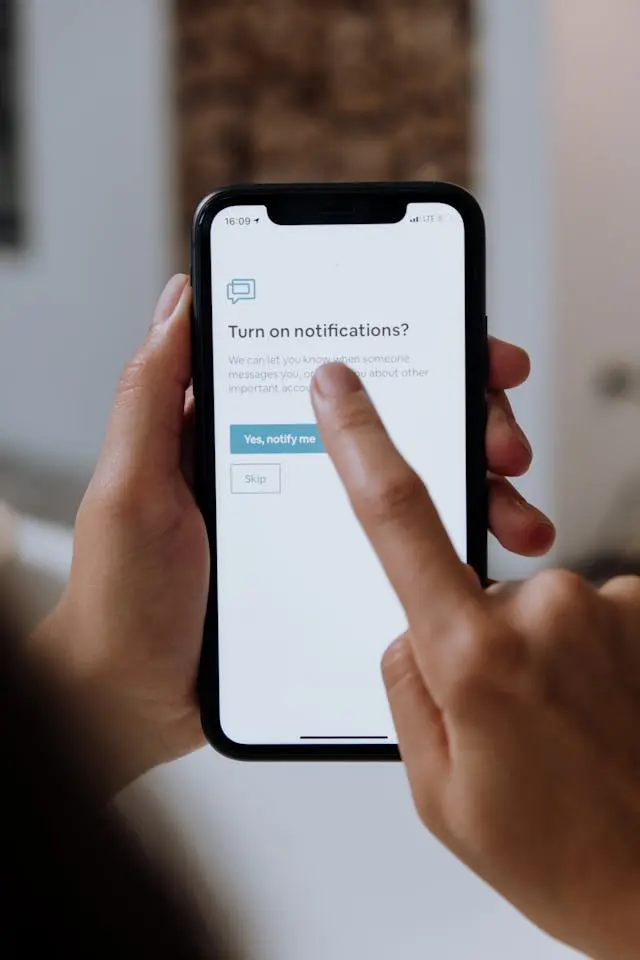
Leak detection notification alert

How LeakSense Automatic Leak Detection Works

Units are equipped with a flow meter and, where applicable, a motorized shutoff valve installed on the water supply line. The system measures flow and usage patterns over time to establish a baseline for each unit.

Learn what retrofit installation looks like in occupied buildings on our installation services page.

When flow behavior looks abnormal, the system sends alerts. If configured thresholds are met, the valve can automatically close to limit damage, and teams can also shut off manually through the web app.

Key Features

Cellular and WiFi Sensors

Two device options -- cellular with its own built-in connection for areas with poor WiFi coverage, and WiFi for properties with an existing network. Both report to the same dashboard.

Flow-Based Detection

Monitors actual gallons flowing through the supply line rather than waiting for floor moisture. Catches running toilets, slow drips, and burst lines before visible damage occurs.

Web App and Smart Home Control

Open or close any valve from the web app at any time. Alexa, Google Home, and SmartThings integrations are available for properties using smart home platforms.

Incident History and Logging

All alert events, valve actions, and flow data are logged with timestamps per unit. Useful for maintenance coordination and documentation if an insurance review is needed.

What Properties Typically See

Water leaks can cause expensive repairs, operational disruption, and resident dissatisfaction. Leak detection with automatic shutoff can reduce loss severity by catching issues early and limiting water damage. Beyond damage prevention, property teams may benefit from:

  • Faster response to abnormal usage and leak events
  • Lower water waste from early detection of hidden leaks
  • Reduced resident displacement and operational disruption
  • Better documentation for maintenance and incident reviews
  • Potential insurance benefits depending on carrier and policy

Common Questions About Leak Detection

How does LeakSense detect a leak without a moisture sensor on the floor? +

LeakSense monitors actual water flow in gallons on the supply line of each unit. It does not wait for water to reach the floor. Instead it detects abnormal flow patterns such as continuous flow during hours when no usage is expected, a sudden spike in volume, or a slow trickle that does not stop. This catches leaks much earlier than floor-level moisture sensors.

What triggers an automatic shutoff and what if it is a false alarm? +

Shutoff is triggered when flow behavior crosses configurable thresholds -- for example water running continuously for longer than expected or flow volume exceeding normal usage patterns. If a valve closes unexpectedly, you can reopen it immediately from the web app without going on-site.

What happens to the tenant when the shutoff valve closes? +

The valve closes on the individual unit supply line only. Other units in the building are unaffected. The tenant loses water to that unit until the valve is reopened. You can reopen it remotely from the web app at any time. For confirmed leaks, keeping the valve closed until maintenance arrives prevents further damage.

Can I shut off water to a specific unit without affecting the whole building? +

Yes. Each shutoff valve is installed on the individual unit supply line, not on a shared riser or building-wide main. Closing one unit's valve has no effect on neighboring units, common areas, or the rest of the building.

Does the system work when the building's WiFi is down? +

LeakSense offers both WiFi and cellular sensor options. The cellular sensor uses its own built-in connection and continues monitoring and sending alerts even if your building's network goes down. For properties where WiFi reliability is a concern, the cellular sensor is the recommended choice.

How quickly does the system send an alert after detecting abnormal flow? +

Alerts are sent in real time as soon as the system detects flow that crosses the configured threshold. You receive an email and SMS notification immediately. If automatic shutoff is enabled, the valve can close at the same time the alert is sent, before you even see the notification.

What types of leaks does LeakSense catch? +

The system detects running toilets, slow pipe drips, burst supply lines, and continuous overnight flow that suggests an active leak. Because it monitors the water line rather than waiting for floor moisture, it can catch slow leaks behind walls or under flooring that would otherwise go unnoticed for weeks.

Can I see a history of leak events and valve activity for each unit? +

Yes. The dashboard logs all alert events, valve open and close actions, and flow data with timestamps for every unit. This history is useful for maintenance coordination, documenting incidents, and reviewing patterns if a unit has recurring issues.

FREE

How LeakSense Works

Join a free 20-min session and see how LeakSense works, live Q&A included.

Unsubscribe anytime.