Water damage and inefficient usage can quickly turn into expensive headaches for multifamily property managers. Keeping your building safe from leaks and ensuring fair billing across tenants is a constant challenge. The stakes are high, and traditional methods often fail to catch issues before they spiral into costly repairs or wasted resources.
The good news is recent advances in technology, like smart water management and IoT-enabled monitoring, are changing how you can protect your property and maximize efficiency. These solutions bring early leak detection, real-time alerts, and accurate consumption data straight to your fingertips. You will discover actionable strategies that not only help you prevent damage but also support fair utility billing and sustainable water use.
Get ready to uncover practical tools and methods that can give your property an edge—each insight helps you take control, save money, and stay ahead of common water-related pitfalls.
- Smart Water Leak Detection Systems
- Automated Water Shutoff Valve Solutions
- IoT-Enabled Real-Time Water Usage Monitoring
- Professional Metering for Tenant Billing
- Regulatory Compliance Tools (Title 24)
- Water Conservation and Sustainability Initiatives
- Insurance Discounts and LEED Certification Support
Quick Summary
| Key Insight | Explanation |
|---|---|
| 1. Install Smart Leak Detectors | Place sensors in high-risk areas to quickly detect leaks and minimize water damage. |
| 2. Utilize Automated Shutoff Valves | Implement smart shutoff systems to automatically stop water supply during leaks, preventing extensive harm. |
| 3. Implement IoT Water Monitoring | Use smart metering technology to track water usage precisely and promote tenant conservation efforts. |
| 4. Adopt Professional Metering for Billing | Accurate submetering ensures fair billing based on individual usage, encouraging responsible water consumption. |
| 5. Pursue LEED Certification for Benefits | Achieving LEED certification can lower operational costs and enhance property value while attracting tenants. |
1. Smart Water Leak Detection Systems
Smart water leak detection systems represent a revolutionary approach to water management in multifamily properties. These advanced technological solutions use networked sensors to provide real-time monitoring and instant alerts about potential water-related risks.
Modern smart water leak detection systems leverage cutting-edge IoT technologies to transform how property managers prevent water damage. By integrating multiple sensors across water infrastructure, these systems can:
- Detect minute water leaks instantly
- Pinpoint precise leak locations
- Provide real-time alerts to property management
- Minimize potential water damage
- Reduce overall water waste
The core functionality involves strategically placed sensors that continuously monitor water flow and detect anomalies. When unexpected water movement or potential leak indicators are identified, the system triggers immediate notifications through mobile apps or property management platforms.
Proactive water management can prevent thousands of dollars in potential infrastructure damage.
Multifamily properties benefit significantly from these systems by reducing maintenance costs, preventing catastrophic water damage, and supporting sustainable water conservation efforts. The sensors can detect everything from small pipe seepage to major burst pipe scenarios, providing comprehensive protection.
Pro tip: Install leak detection sensors in high-risk areas like bathrooms, kitchens, and utility rooms to maximize early warning potential.
2. Automated Water Shutoff Valve Solutions
Automated water shutoff valve solutions represent a cutting-edge technological intervention for protecting multifamily properties from catastrophic water damage. These intelligent systems provide property managers with unprecedented control over water infrastructure.
Smart automated shutoff valves integrate advanced sensor technologies and remote control capabilities to transform water management strategies. The core functionality of these systems includes:
- Instant leak detection
- Automatic water supply interruption
- Remote monitoring through smartphone applications
- Real-time alerts for property managers
- Comprehensive water infrastructure protection
Modern water shutoff valve technologies work by continuously monitoring water flow patterns and detecting unexpected changes that might indicate potential leaks or pipe failures. When anomalies are detected, these systems can automatically shut off water supply to prevent extensive property damage.
Preventing water damage can save multifamily properties thousands of dollars in potential repair costs.
Property managers gain significant advantages by implementing these intelligent systems. The ability to remotely monitor and control water infrastructure reduces maintenance response times and minimizes potential financial risks associated with unexpected water incidents.
Pro tip: Install automated shutoff valves in critical areas like main water lines and individual unit supply connections to maximize comprehensive property protection.
3. IoT-Enabled Real-Time Water Usage Monitoring
IoT-enabled real-time water usage monitoring represents a transformative technology for multifamily property management. These advanced systems leverage cutting-edge sensors and cloud connectivity to revolutionize water consumption tracking and management.
IoT water metering solutions provide property managers with unprecedented insights into water consumption patterns. The technology enables precise tracking through non-intrusive sensors that continuously gather and transmit data for comprehensive analysis.
Key benefits of these intelligent monitoring systems include:
- Accurate tenant billing
- Immediate leak detection
- Comprehensive water consumption analytics
- Remote monitoring capabilities
- Energy-efficient infrastructure management
Modern water usage monitoring technologies work by retrofitting existing infrastructure with smart sensors that communicate consumption data in real-time. These systems transform traditional water meters into intelligent data collection points that can instantly identify usage anomalies.
Precise water monitoring can reduce overall consumption by up to 20% in multifamily properties.
Property managers gain significant advantages through detailed insights into water usage trends. The ability to track consumption at granular levels allows for more effective conservation strategies and potential cost savings.
Pro tip: Implement IoT water monitoring systems that provide unit-level consumption data to incentivize water conservation among tenants and track individual usage patterns.
4. Professional Metering for Tenant Billing
Professional metering for tenant billing represents a sophisticated approach to utility management in multifamily properties. This precise billing method transforms how property owners track and allocate water consumption costs.
Utility submetering systems enable property managers to measure individual tenant water usage with unprecedented accuracy. These advanced technologies support fair billing practices and promote responsible water consumption.
Key advantages of professional tenant metering include:
- Transparent and equitable utility cost allocation
- Precise consumption tracking per unit
- Incentivizing water conservation behaviors
- Compliance with state utility billing regulations
- Improved property management financial reporting
Modern tenant billing metering technologies work by installing specialized meters that measure water consumption behind the primary utility meter. This allows property managers to bill tenants exactly for their individual water usage rather than using estimated or averaged allocation methods.
Accurate submetering can reduce overall water consumption by 15-20% through increased tenant awareness.
Property managers gain significant financial and operational benefits by implementing professional metering systems. The technology not only supports fair billing but also encourages more sustainable water use practices among tenants.
Pro tip: Choose submetering solutions that provide detailed consumption reports and integrate seamlessly with your existing property management software to streamline billing processes.
5. Regulatory Compliance Tools (Title 24)
Regulatory compliance tools for Title 24 represent a critical framework for water management in California multifamily properties. These sophisticated systems help property managers navigate complex state water conservation requirements while maintaining operational efficiency.
California water efficiency regulations mandate specific standards for water usage and conservation in commercial and residential buildings. Title 24 compliance tools provide property managers with comprehensive strategies to meet these stringent requirements.
Key features of effective regulatory compliance solutions include:
- Automated water usage tracking
- Real-time conservation reporting
- Detailed performance documentation
- Compliance verification mechanisms
- Customized water management strategies
Modern Title 24 compliance technologies integrate advanced sensor networks and analytics platforms to help property managers demonstrate adherence to state water conservation standards. These systems transform regulatory requirements from complex challenges into strategic opportunities for sustainable property management.
Proactive compliance can reduce water consumption by up to 30% and minimize potential regulatory penalties.
Property managers gain significant advantages by implementing comprehensive regulatory compliance tools that not only meet legal requirements but also drive operational efficiency and environmental sustainability.
Pro tip: Select compliance tools that provide automatic reporting and documentation features to streamline your Title 24 verification process and reduce administrative overhead.
6. Water Conservation and Sustainability Initiatives
Water conservation and sustainability initiatives represent critical strategies for responsible resource management in multifamily properties. These comprehensive approaches transform how residential communities approach water usage and environmental stewardship.
Global water conservation efforts focus on developing innovative technologies and community engagement strategies to address increasing water scarcity challenges. Multifamily properties play a crucial role in implementing these sustainable practices.
Key components of effective water conservation initiatives include:
- Implementing advanced leak detection systems
- Promoting water-efficient appliances
- Developing tenant education programs
- Utilizing smart metering technologies
- Designing landscape water management strategies
Modern water sustainability programs integrate technological solutions with behavioral change strategies. These approaches help property managers reduce water consumption while simultaneously lowering utility costs and supporting environmental preservation.
Effective water conservation can reduce overall water consumption by up to 40% in multifamily residential settings.
Property managers can drive meaningful change by adopting holistic water conservation strategies that combine technological innovation with community engagement and educational initiatives.
Pro tip: Develop comprehensive water conservation programs that incentivize tenant participation through transparent reporting and potential utility bill reductions.
7. Insurance Discounts and LEED Certification Support
Insurance discounts and LEED certification support represent strategic opportunities for multifamily property managers to demonstrate environmental responsibility while reducing operational costs. These sophisticated recognition frameworks provide tangible financial benefits for sustainable building practices.
LEED certification frameworks offer comprehensive guidelines for implementing water conservation and efficiency strategies in multifamily properties. Property owners can leverage these standards to enhance building performance and marketability.
Key advantages of LEED certification and insurance support include:
- Reduced insurance premium rates
- Enhanced property market value
- Potential tax incentives
- Demonstrated environmental commitment
- Improved tenant attraction and retention
Modern green building certification programs integrate water management technologies with comprehensive sustainability metrics. These systems provide property managers with structured approaches to document and validate their environmental performance.
LEED-certified buildings can reduce operational costs by up to 20% through improved efficiency strategies.
Multifamily property owners gain significant strategic advantages by pursuing LEED certification and leveraging associated insurance discount opportunities. The process transforms sustainability from an abstract concept into a measurable financial benefit.
Pro tip: Document and track all water efficiency improvements meticulously to maximize potential LEED certification points and insurance discount eligibility.
Below is a comprehensive table summarizing the innovative solutions and strategies for water management in multifamily properties as discussed in the article.
| Topic | Description | Key Benefits |
|---|---|---|
| Smart Water Leak Detection Systems | Advanced sensors detect leaks in real-time, provide immediate alerts, and integrate with property management platforms for enhanced oversight. | Minimizes water damage and waste, ensures quick response to leaks, and supports sustainable water management initiatives. |
| Automated Water Shutoff Valves | Intelligent systems that detect anomalies in water flow and can automatically stop water supply to prevent damage, monitored via mobile apps. | Prevents extensive property damage, allows monitoring and control over water supply, and reduces maintenance costs. |
| Real-Time Water Usage Monitoring | IoT-enabled systems track water consumption, provide analytics, and identify usage patterns through connected sensors. | Facilitates accurate billing, promotes water conservation, and enables efficient resource management by offering detailed insights. |
| Professional Tenant Metering | Individualized water consumption measurement for tenants using precise submetering technology for transparent and equitable utility billing. | Encourages responsible water use, ensures fair cost allocation, and aligns with regulatory compliance, promoting sustainability and financial clarity. |
| Regulatory Compliance Tools | Advanced tools help meet water conservation regulations like California’s Title 24, integrating reporting and performance-tracking features. | Ensures compliance with legal requirements, prevents regulatory penalties, and enables strategies to improve water efficiency and sustainability. |
| Water Conservation Initiatives | Combines technology and community-driven strategies, like leak detection systems and water-efficient devices, to reduce water consumption and encourage sustainable practices. | Lowers overall water usage, educates tenants on sustainable behaviors, and aligns with environmental and operational goals for enhancing property value and residential satisfaction. |
| LEED Certification & Insurance | Programs supporting environmental standards, offering certifications and financial incentives for implementing green practices in properties. | Attains reduced insurance premiums, improved marketability, potential tax benefits, and demonstrates commitment to sustainability. |
This table provides a structured overview of methodologies to enhance water efficiency, mitigate risks, comply with regulations, and achieve sustainable development goals in multifamily property management.
Unlock Smart Water Solutions for Multifamily Properties Today
Managing water risks and reducing costs in multifamily buildings can be overwhelming. This article highlights crucial challenges like detecting leaks early, ensuring regulatory compliance with Title 24, and promoting tenant-level water monitoring. Property managers face the pressure of preventing costly water damage while driving sustainability and operational efficiency. Leaksense.io specializes in transforming these challenges into opportunities through cutting-edge smart water leak detection and automated shutoff systems tailored for California multifamily properties.
Our IoT-enabled sensors provide real-time leak alerts and water usage analytics that simplify tenant billing and support compliance efforts seamlessly. By choosing our professional solutions, you gain peace of mind knowing your building is protected against unexpected water damage and positioned for meaningful water conservation.
Are you ready to safeguard your property and reduce water costs with integrated, smart technology?
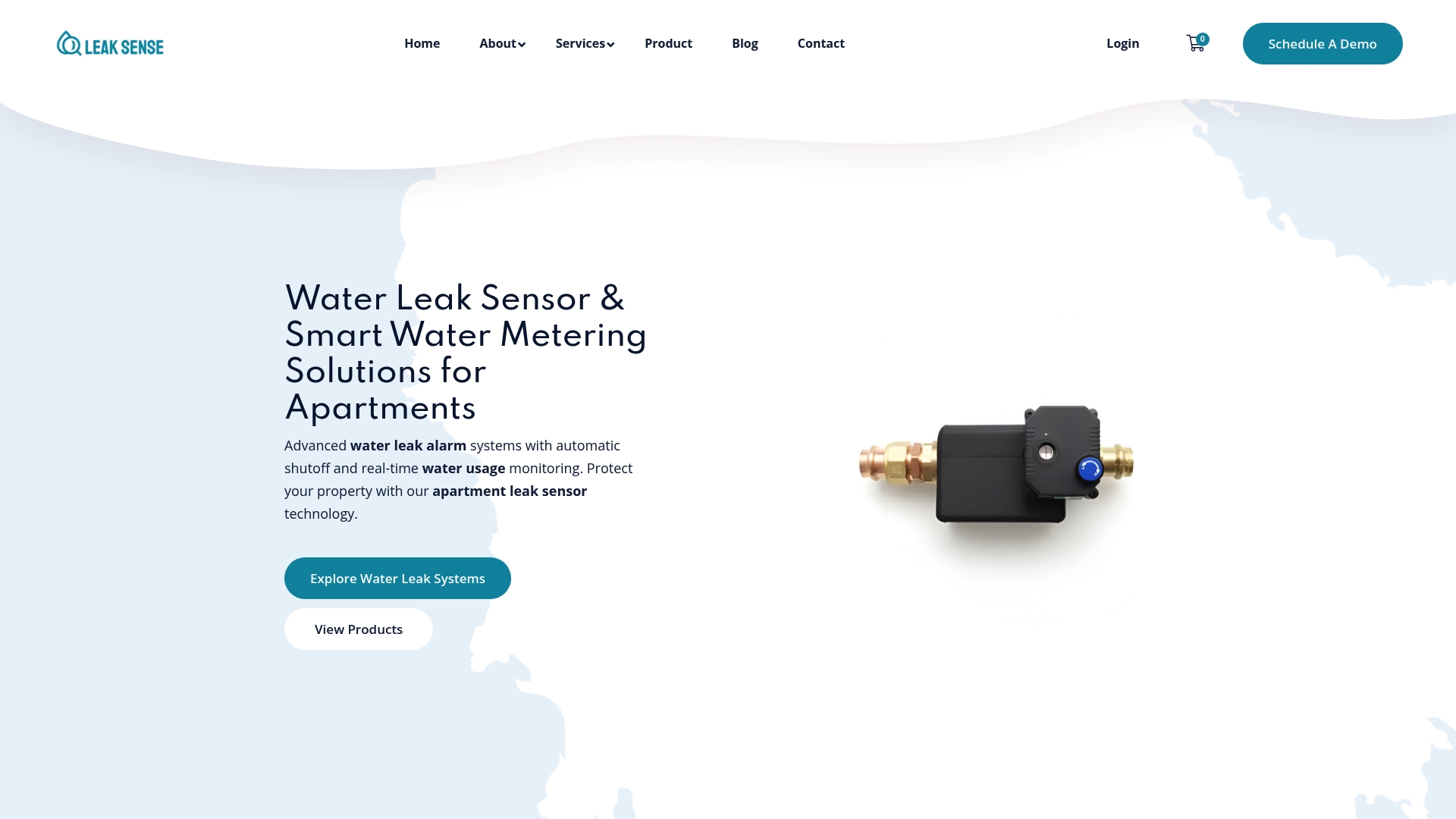
Explore how our solutions empower multifamily property managers to stay ahead with reliable leak detection and Title 24 compliance at Leaksense.io. Discover the benefits of automated shutoff valves and detailed consumption monitoring that deliver measurable savings and sustainability. Visit Leaksense.io now and take the next step toward proactive water management that protects your investment immediately.
Frequently Asked Questions
What are smart water leak detection systems in multifamily properties?
Smart water leak detection systems use networked sensors to monitor water flow in real-time and provide instant alerts about leaks. To implement this, install sensors in high-risk areas like bathrooms and kitchens to minimize potential water damage and reduce overall water waste.
How do automated water shutoff valves work in multifamily buildings?
Automated water shutoff valves detect leaks and can automatically cut off the water supply to prevent damage. To maximize protection, ensure installation of these valves in critical areas, such as main water lines and individual unit connections.
What are the benefits of IoT-enabled real-time water usage monitoring?
IoT-enabled real-time monitoring systems provide property managers with detailed insights into water consumption patterns and help detect leaks immediately. Consider retrofitting existing infrastructure with smart sensors to reduce water consumption by up to 20%.
How can professional metering improve tenant billing for water usage?
Professional metering allows property managers to track individual tenant water consumption accurately, leading to fair billing practices. To encourage water conservation, implement submetering solutions that provide detailed usage reports and integrate with property management systems.
What are Title 24 compliance tools for multifamily properties?
Title 24 compliance tools assist property managers in meeting California’s water conservation requirements by automating usage tracking and reporting. To streamline compliance efforts, choose tools that offer automatic documentation features.
How can pursuing LEED certification benefit multifamily properties?
Pursuing LEED certification can reduce operational costs by up to 20% and enhance property market value through demonstrated environmental commitment. Begin by documenting all water efficiency improvements to maximize potential LEED points and insurance discounts.