Flooded basements, ruined walls, and costly repairs are more than just inconveniences for California property managers—they jeopardize budgets and threaten Title 24 compliance. Understanding your building’s weak points is the start of smart water management, from pinpointing vulnerable pipework to analyzing tenant water use. This article explains how to deploy smart leak detection solutions that help prevent water damage, satisfy regulatory demands, and keep your property running smoothly.
- Step 1: Evaluate Water System Vulnerabilities
- Step 2: Install Smart Leak Detection Devices
- Step 3: Configure Real-Time Monitoring And Alerts
- Step 4: Verify Leak Detection Accuracy And Compliance
Quick Summary
| Key Insight | Explanation |
|---|---|
| 1. Identify Vulnerable Areas | Map your water system to spot high-risk zones, especially in older sections prone to leaks. |
| 2. Use Smart Leak Sensors | Install effective leak detection sensors at critical water points for early leak alerts. |
| 3. Monitor and Set Alerts | Configure your monitoring system to trigger timely alerts and create response protocols. |
| 4. Validate Sensor Accuracy | Conduct water audits and intentional tests to ensure sensor reliability and regulatory compliance. |
| 5. Document Everything | Keep detailed logs of alerts and maintenance actions to support compliance and improve system performance. |
Step 1: Evaluate water system vulnerabilities
Before you can detect leaks effectively, you need to understand where your building is most vulnerable to water damage and loss. This foundation shapes everything that follows in your detection strategy.
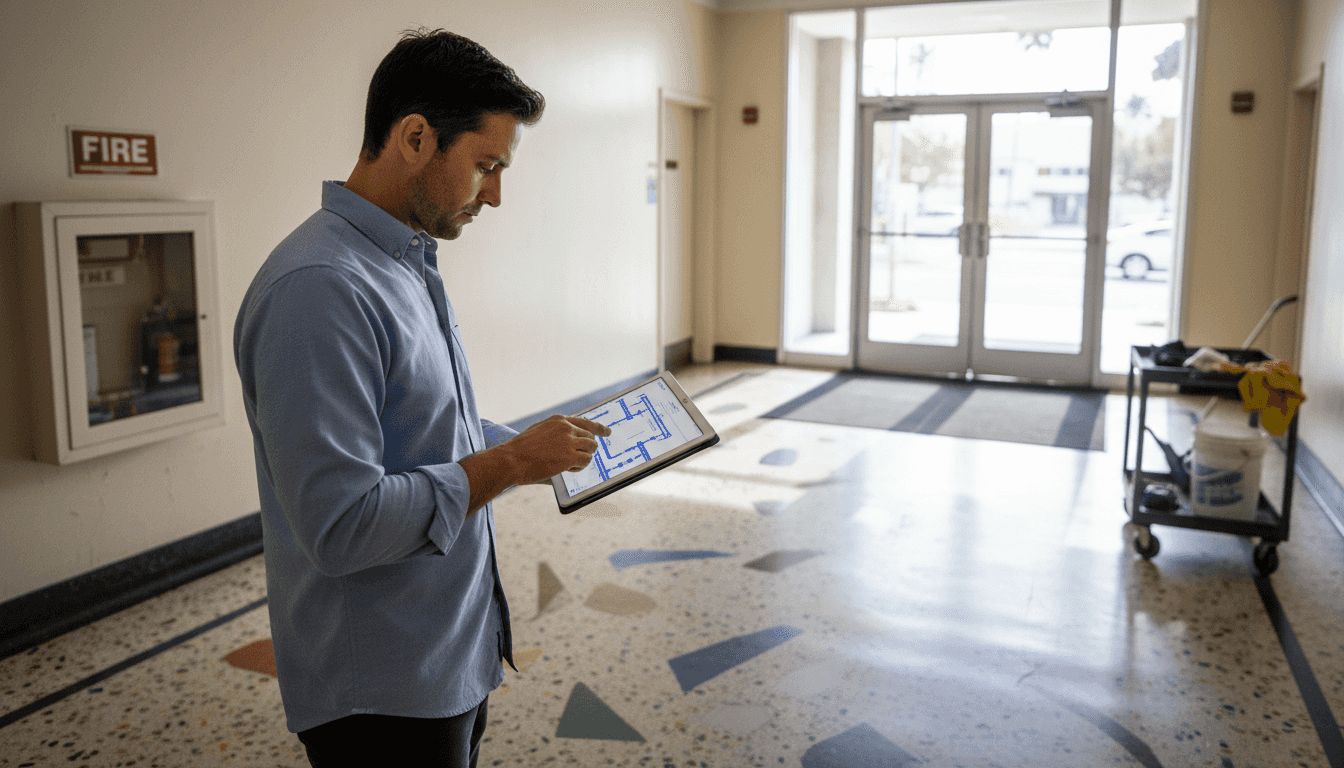
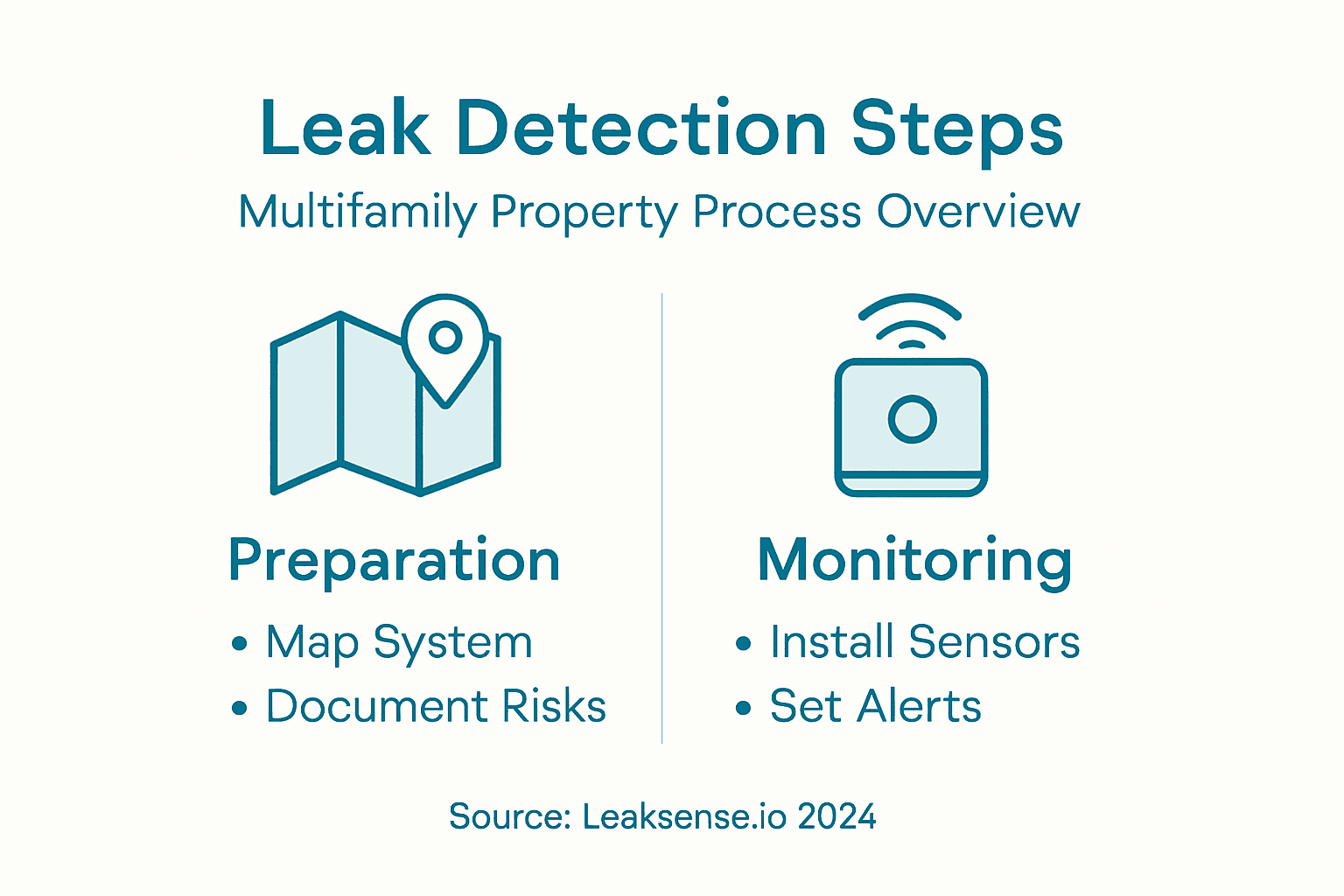
Start by mapping your entire water system. Walk through your property and document where main water lines enter the building, where they branch to individual units, and which areas have the highest concentration of plumbing. Pay special attention to older sections of the building where pipes may be corroded or at the end of their service life.
Next, assess your property’s risk exposure. Properties in flood-prone areas face different vulnerabilities than those in dry climates. Understanding floodplain management and flood mitigation measures helps you identify whether water system vulnerabilities stem from external flooding risks or internal plumbing failures.
Identify high-risk zones within your building:
- Bathrooms and kitchens where water usage peaks daily
- Mechanical rooms housing water heaters and main shutoff valves
- Basements or ground-floor units prone to seepage
- Areas with visible water stains or discoloration on walls or ceilings
- Spaces where pipes run through exterior walls or unheated areas
Consider your tenants and their water usage patterns. Water use patterns and consumption factors vary significantly across multifamily properties based on unit size, occupancy rates, and tenant demographics. Higher usage rates can mask small leaks, while lower usage might hide slow seepage issues.
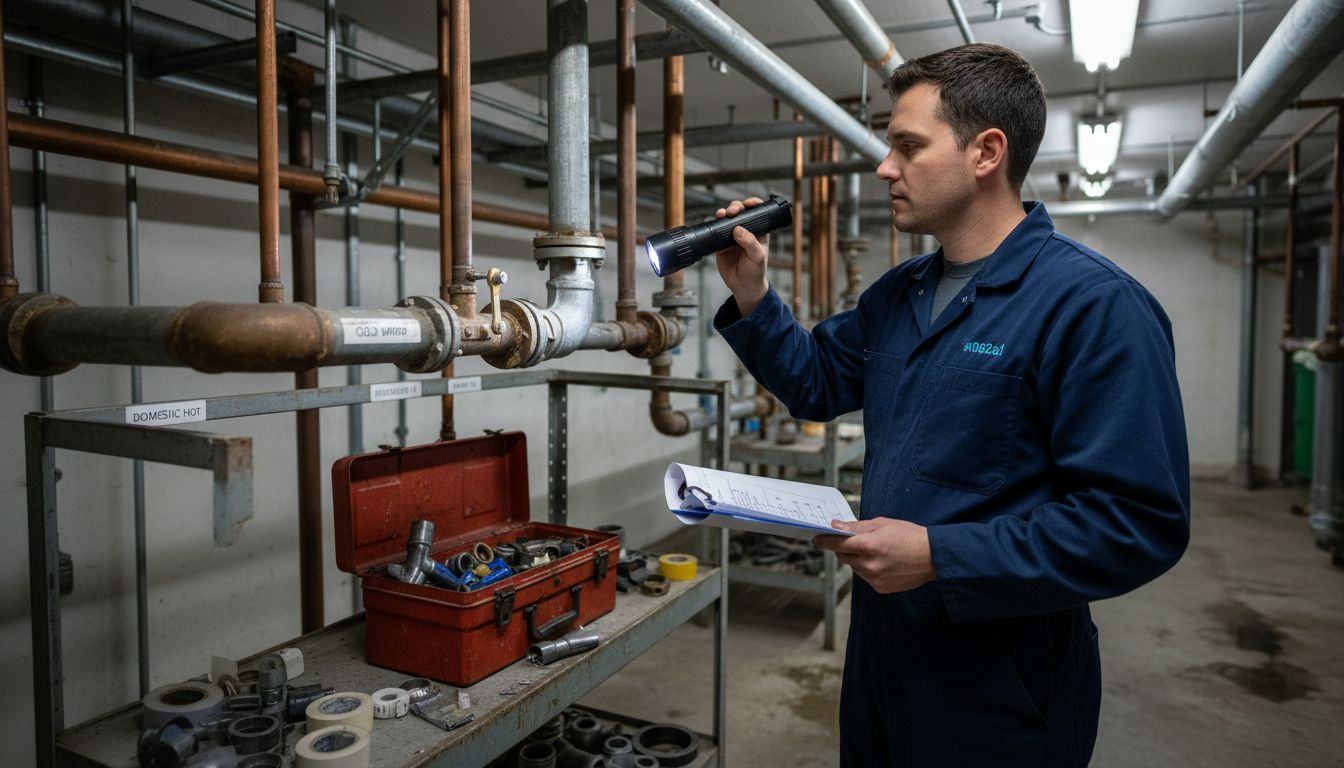
Check your building’s plumbing materials and age. Galvanized steel pipes from the 1970s and 1980s are particularly vulnerable to corrosion. PVC and copper systems typically perform better but still deteriorate over time.
Understanding your water system’s weak points is the first step toward preventing costly water damage and maintaining regulatory compliance.
Document everything in a simple spreadsheet or floor plan. Note pipe materials, valve locations, recent repairs, and any known problem areas. This baseline becomes invaluable when you implement monitoring later.
Pro tip: Request water bills from the past 12 months and compare usage patterns month-to-month; sudden spikes often signal hidden leaks that deserve immediate investigation.
Step 2: Install smart leak detection devices
With your water system vulnerabilities mapped, you’re ready to deploy sensors strategically throughout your property. Smart leak detection devices act as your early warning system, catching problems before they become expensive emergencies.
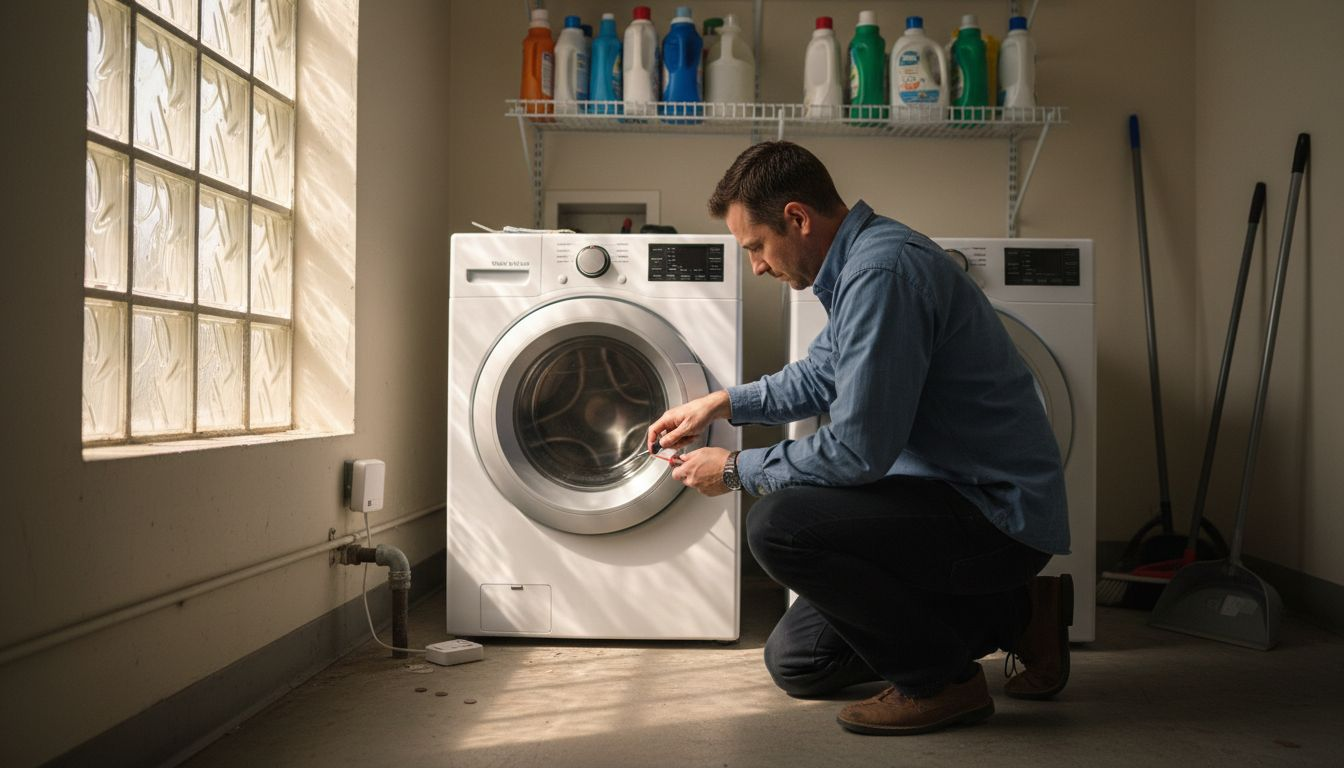
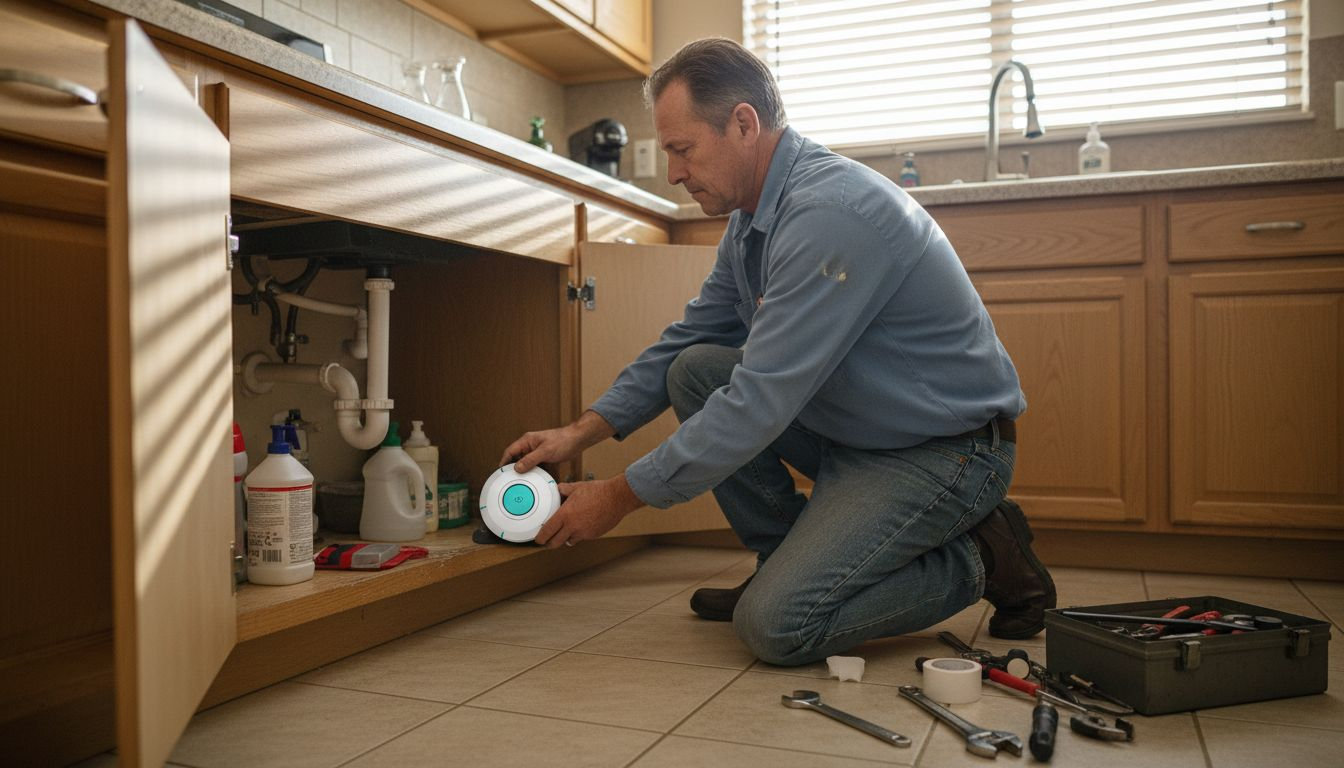
Start by selecting the right sensor type for your property. Modern smart leak sensors come in wireless and hardwired varieties, with wireless options offering easier installation for multifamily buildings where access to units varies. Consider devices with smartphone app integration so you can receive real-time alerts regardless of location.
Position sensors at critical water points throughout your building. Strategic placement is essential for maximum detection coverage and relies on understanding where leaks are most likely to occur based on your vulnerability assessment.
Key sensor placement locations include:
- Under sinks and near water supply lines in bathrooms and kitchens
- Around water heaters and main shutoff valves in mechanical rooms
- Along foundation walls in basements or crawl spaces
- Near toilets and beneath bathtubs where slow leaks often hide
- Along walls where pipes run through exterior areas or unheated zones
When you’re ready to install, strategic sensor placement for maximum detection ensures your devices catch problems quickly. Most modern sensors use adhesive backing or simple mounting brackets that require no drilling or specialized tools.
For multifamily properties, coordinate installation timing with tenant access schedules. Provide advance notice and schedule sensor placement during convenient windows. In common areas like mechanical rooms and hallways, installation happens on your timeline without tenant coordination.
After physical installation, configure your system’s smartphone app and alert settings. Test each sensor to confirm it’s communicating with your hub or cloud platform. Set notification preferences for your property management team so alerts reach the right people immediately.
Smart sensors are only effective when properly positioned near water sources and integrated with a responsive alert system.
Document sensor locations on your water system map from Step 1. This creates a complete inventory for future reference, maintenance, and troubleshooting.
Pro tip: Install sensors in accessible locations you can visually inspect monthly; batteries need replacement every 12-18 months, and adhesive backing loses effectiveness over time.
Here’s a comparison of common leak detection sensor types and their typical use cases:
| Sensor Type | Best For | Installation Effort | Connectivity |
|---|---|---|---|
| Wireless | Retrofits, multifamily buildings | Quick, no drilling | Smartphone app/cloud |
| Hardwired | New construction, major remodels | High, requires wiring | Central monitoring hub |
| Inline flow meter | Monitoring main water supply | Professional plumbing | Real-time dashboard |
| Moisture pad | Isolated or hidden areas | Minimal, adhesive backs | Local alarm/bluetooth |
Step 3: Configure real-time monitoring and alerts
Your sensors are installed and communicating. Now you need to set up the monitoring infrastructure and alert system that transforms raw data into actionable intelligence for your property management team.
Begin by accessing your monitoring platform’s dashboard. Most modern systems provide a cloud-based interface where you can view all sensor data in real time. Log in with your property management credentials and familiarize yourself with how sensors appear on the map of your building.
Set up alert thresholds for different scenarios. Your system should trigger notifications when moisture is detected, when water flow exceeds normal levels, or when temperature drops unexpectedly near pipes. Configure these thresholds based on your building’s typical water usage patterns from the data you gathered in Step 1.
Configure alert delivery channels:
- Email notifications for your property manager and maintenance team
- Text message alerts for critical leaks requiring immediate response
- In-app push notifications accessible through smartphone apps
- Integration with your existing property management software if available
Real-time monitoring systems enable immediate response to water anomalies, transforming how multifamily properties handle plumbing emergencies. Assign specific team members as primary and backup alert recipients so coverage exists even when someone is unavailable.
Test your alert system thoroughly before relying on it operationally. Manually trigger alerts from a few sensors to confirm notifications reach the correct people with complete information. Verify that alert messages include the sensor location, alert type, and timestamp so responders know exactly where to go.
Create a response protocol for different alert types. Minor moisture detection might warrant a routine check within 24 hours, while significant water flow alerts require immediate investigation. Document these protocols so any team member can respond consistently.
Real-time alerts are only valuable when your team knows how to respond and has clear protocols for different scenarios.
Monitor your system’s performance weekly during the first month. Review false alerts and adjust thresholds as needed. Track response times to understand how quickly your team can address issues when alerted.
Pro tip: Set up a dedicated Slack channel or group text thread for leak alerts so your entire team stays informed simultaneously, improving response coordination and preventing notification delays.
Step 4: Verify leak detection accuracy and compliance
Your monitoring system is running and alerts are flowing. Now you need to validate that your sensors are accurate and that your entire setup meets California regulatory requirements, particularly Title 24 standards for water efficiency.
Begin by conducting a comprehensive water audit. Collect water meter readings from your main service line and compare them against the sum of all submetered unit readings. Significant discrepancies indicate leaks your sensors should have detected. Water audit procedures and leak detection validation methods help you identify gaps in your monitoring coverage.
Test sensor accuracy by creating intentional water events in controlled areas. Run water for specific time periods near installed sensors and verify that your system records the activity correctly. Document these test results to establish baseline performance data.
Key accuracy verification steps include:
- Comparing sensor alerts against physical water usage patterns
- Reviewing historical data for anomalies or false positives
- Testing battery levels and connectivity status for all devices
- Validating that timestamps match actual water events within your building
- Confirming moisture sensors respond appropriately to intentional water contact
Next, verify compliance with Title 24 requirements. California’s Title 24 standard mandates water-efficient fixtures and monitoring in multifamily properties. Your leak detection system should integrate with your water submetering program to demonstrate compliance with water conservation targets.
Document your system’s performance metrics for regulatory purposes. Track detection response times, false alarm rates, and water savings achieved. These records prove compliance and support your property’s sustainability certifications or insurance claims.
Review alert response times monthly. Measure how quickly your team receives notifications and reaches problem locations. Calculate average resolution times for different alert types. Use this data to refine your response protocols.
Accurate leak detection means nothing without validation that your system catches real problems while minimizing false alarms.
Schedule quarterly accuracy reviews with your maintenance team. Compare what sensors reported against what you physically observed during inspections. Adjust sensor placement or thresholds based on findings.
Pro tip: Maintain a detailed log documenting every alert, your team’s response, findings, and actions taken; this creates an auditable compliance record that satisfies California regulators and supports insurance discounts.
This table summarizes key water audit metrics to track for regulatory compliance and system performance:
| Metric | What It Measures | Why It Matters |
|---|---|---|
| Leak detection response | Time from alert to action | Indicates team preparedness |
| False alarm rate | Percentage of non-issues | Assesses system reliability |
| Water usage variance | Monthly usage changes | Reveals hidden or new leaks |
| Compliance gap | Discrepancy in metered readings | Shows potential regulation issues |
Protect Your Multifamily Property with Smart Leak Detection Solutions
Preventing costly water damage and ensuring compliance with California’s Title 24 requirements can feel overwhelming when managing complex multifamily water systems. This article highlights key challenges like identifying vulnerable zones, installing effective sensors, and maintaining real-time monitoring to catch leaks early. With risks ranging from hidden slow leaks to sudden water flow spikes, you need a reliable partner who understands these specific pain points and provides a complete solution tailored for multifamily buildings.
Discover how Leaksense.io empowers property managers with IoT-enabled smart sensors, automated leak alarms, and remote water shutoff capabilities designed to detect leaks precisely where they happen. Our platform integrates seamlessly with your existing infrastructure to deliver detailed water usage analytics, simplify tenant billing, and support sustainability goals. Take control of your property’s water risks and stay confidently compliant by visiting Leaksense.io today and start safeguarding your investment with technology built for the unique demands of multifamily properties.
Frequently Asked Questions
How do I evaluate water system vulnerabilities in my multifamily property?
To evaluate water system vulnerabilities, start by mapping your entire water system and document areas where water lines enter the building. Focus on identifying high-risk zones, such as bathrooms and kitchens, and assess the age and material of plumbing to uncover potential issues.
What are the key steps for installing smart leak detection devices?
Begin by selecting the right sensor type for your property, either wireless or hardwired. Strategically place sensors at critical water points, such as under sinks and near water heaters, then configure the smartphone app for real-time alerts to ensure immediate notifications.
How can I set up real-time monitoring and alert systems for leak detection?
Access your monitoring platform’s dashboard to set alert thresholds based on typical water usage patterns. Configure delivery channels for alerts, such as email or text, and create response protocols to ensure your team knows how to react to different types of alerts.
What methods can I use to verify the accuracy of my leak detection system?
Conduct a comprehensive water audit comparing main service line readings to submetered unit readings to identify discrepancies. Test sensor accuracy by simulating water events and document the results to establish a baseline for performance data.
How can I ensure compliance with California’s Title 24 regulations regarding water efficiency?
Verify that your leak detection system integrates with your water submetering program to demonstrate compliance with Title 24. Document performance metrics like detection response times and false alarm rates to support your property’s compliance and sustainability efforts.