
Keeping up with California water regulations can quickly feel overwhelming for property managers. Complex rules around efficiency, real-time monitoring, and sustainable upgrades often leave you wondering which steps will actually make a difference for your properties. The good news is that practical solutions do exist to both meet compliance and protect your investments.
This resource unpacks actionable strategies that go beyond theory to real, on-the-ground improvements in water management. You will discover smart technologies, cost-saving upgrades, and policy-driven actions that align with current standards and conservation goals. Get ready to unlock proven methods to reduce water waste, minimize risk, and gain rewards for your building’s water management efforts.
- Understand Title 24 and Water Regulations
- Install Smart Water Leak Detection Systems
- Optimize Automated Water Shutoff Devices
- Use Real-Time Water Usage Analytics
- Integrate Tenant Billing for Conservation
- Leverage Water-Saving Fixtures and Retrofits
- Earn Insurance Discounts and LEED Points
Quick Summary
| Takeaway | Explanation |
|---|---|
| 1. Comply with Title 24 regulations | Understanding and implementing Title 24 can reduce water consumption by up to 30% and save costs. |
| 2. Implement smart leak detection systems | Smart systems can prevent up to 90% of water damage incidents, protecting infrastructure effectively. |
| 3. Utilize automated shutoff devices | These devices can reduce water damage costs by up to 85% through immediate leak response. |
| 4. Leverage real-time water analytics | Real-time monitoring can decrease water consumption by up to 30% and optimize resource allocation. |
| 5. Tie tenant billing to conservation efforts | Strategies that connect billing to water usage can reduce consumption by up to 25% through accountability. |
1. Understand Title 24 and Water Regulations
Navigating water regulations for property managers requires strategic understanding of California’s complex compliance landscape. Title 24 represents a critical framework for sustainable building practices, specifically targeting water efficiency and conservation standards across residential and commercial properties.
The regulations focus on several key areas of water management:
- Water-efficient fixtures and appliances
- Leak detection and prevention systems
- Building design standards for water conservation
- Mandatory water usage reporting requirements
Understanding water regulations in California goes beyond simple compliance. These standards are designed to address critical water scarcity challenges in the state, requiring property managers to implement proactive water management strategies.
Property managers must pay special attention to specific provisions that mandate:
- Installation of low-flow toilets and showerheads
- Implementing automatic leak detection systems
- Regular maintenance and monitoring of water infrastructure
- Tracking and reporting water consumption metrics
Effective water regulation compliance can reduce building water consumption by up to 30% and generate significant cost savings.
Strategic implementation requires a comprehensive approach that combines technological solutions with operational best practices. Property managers should invest in smart water monitoring systems that provide real-time insights into water usage and potential inefficiencies.
Pro tip: Schedule an annual water infrastructure audit to identify potential inefficiencies and ensure ongoing compliance with Title 24 standards.
2. Install Smart Water Leak Detection Systems
Smart water leak detection systems represent a critical technological advancement for property managers seeking to protect their buildings from potential water damage. These intelligent systems provide real-time monitoring and immediate alerts about potential water-related risks.
Modern leak detection technologies offer comprehensive protection through multiple monitoring strategies:
- Continuous water flow tracking
- Acoustic sensor technology
- Temperature and pressure monitoring
- Automatic shutoff capabilities
Property managers can leverage real-time water leak detection technologies to minimize potential infrastructure damage and reduce water waste. These systems utilize advanced sensor networks that can identify even minor irregularities in water distribution systems.
Implementation involves several strategic steps:
- Conduct a comprehensive building water infrastructure assessment
- Select appropriate sensor technologies
- Install sensors at critical water connection points
- Configure alert and monitoring systems
- Establish response protocols for detected leaks
Smart leak detection can prevent up to 90% of potential water damage incidents before they become catastrophic failures.
Advanced sensor technologies enable property managers to transform reactive maintenance into proactive water management. By investing in these systems, managers can significantly reduce repair costs and minimize potential disruptions to building operations.
Pro tip: Integrate your leak detection system with property management software to create comprehensive reporting and automatic maintenance tracking.
3. Optimize Automated Water Shutoff Devices
Automated water shutoff devices represent a critical technological solution for modern property managers seeking to minimize water damage and enhance building infrastructure management. These sophisticated systems provide an intelligent first line of defense against potential water-related catastrophes.
The core functionalities of automated shutoff devices include:
- Instantaneous leak detection
- Automatic water supply interruption
- Real-time monitoring capabilities
- Remote control and management
Property managers can optimize water shutoff technologies by understanding their comprehensive protective potential. These devices go beyond simple damage prevention by offering proactive water management strategies.
Implementation requires a strategic approach:
- Conduct a comprehensive building water system assessment
- Select sensor-compatible shutoff devices
- Install devices at critical water connection points
- Configure alert and response protocols
- Train maintenance staff on system operations
Automated water shutoff systems can reduce potential water damage costs by up to 85% through immediate intervention.
Advanced sensor technologies enable property managers to transform reactive maintenance into predictive water management. By integrating these devices, managers can significantly reduce repair expenses and minimize potential operational disruptions.
Pro tip: Integrate your automated shutoff system with property management software to create comprehensive reporting and streamline maintenance workflows.
4. Use Real-Time Water Usage Analytics
Real-time water usage analytics transform how property managers understand and optimize water consumption across their buildings. These advanced tracking systems provide unprecedented insights into water flow patterns and potential inefficiencies.
Key advantages of implementing real-time water analytics include:
- Granular consumption tracking
- Immediate leak detection
- Precise resource allocation
- Cost reduction strategies
- Sustainability performance measurement
Property managers can leverage comprehensive water data tracking to make informed decisions about water management. These analytics go beyond simple measurement by offering actionable intelligence about water usage patterns.
Successful implementation requires a systematic approach:
- Select appropriate analytics platforms
- Install comprehensive sensor networks
- Establish baseline water consumption metrics
- Create comparative analysis frameworks
- Develop responsive management protocols
Real-time water analytics can help reduce water consumption by up to 30% in multifamily and commercial properties.
Advanced data visualization tools enable property managers to transform raw water usage information into strategic insights. By understanding consumption trends, managers can identify opportunities for conservation and efficiency.
Pro tip: Schedule monthly analytics review meetings to discuss insights and develop targeted water conservation strategies with your maintenance team.
5. Integrate Tenant Billing for Conservation
Tenant billing integration represents a sophisticated strategy for driving water conservation behaviors in multifamily properties. By directly connecting water usage to financial responsibility, property managers can create powerful incentives for sustainable consumption.
Key advantages of conservation-focused billing include:
- Transparent water consumption tracking
- Financial motivation for efficiency
- Individual accountability
- Reduced overall water expenses
- Improved environmental sustainability
Property managers can learn from innovative conservation billing programs that align tenant interests with water-saving objectives. These approaches transform water management from a passive utility expense to an active conservation strategy.
Successful implementation requires a strategic approach:
- Develop clear billing transparency metrics
- Create tiered conservation incentive structures
- Establish baseline water consumption benchmarks
- Design user-friendly reporting interfaces
- Communicate program goals effectively
Tenant billing programs can reduce water consumption by up to 25% through direct financial engagement.
Behavioral economics principles demonstrate that direct financial connections encourage more responsible resource management. By making water costs visible and personally meaningful, property managers can drive significant conservation outcomes.
Pro tip: Design billing reports that not only show costs but also provide comparative data and conservation recommendations to educate and motivate tenants.
6. Leverage Water-Saving Fixtures and Retrofits
Modern water-saving fixtures represent a critical strategy for property managers seeking to reduce water consumption and operational costs. These innovative plumbing technologies offer a direct path to sustainable building management.
Key advantages of water-efficient retrofits include:
- Immediate water consumption reduction
- Lower utility expenses
- Enhanced building sustainability
- Improved environmental performance
- Potential tax incentives
Property managers can explore water-efficient plumbing retrofits that dramatically transform building water infrastructure. WaterSense labeled fixtures provide a proven approach to conservation.
Successful implementation requires a systematic approach:
- Conduct comprehensive fixture inventory
- Identify high-usage water points
- Select WaterSense certified replacements
- Plan phased retrofit schedule
- Train maintenance staff on new technologies
Water-efficient bathroom fixtures can reduce water consumption by up to 30% with minimal investment.
Strategic fixture replacement enables property managers to achieve significant water savings while modernizing building infrastructure. By selecting high-performance, low-flow technologies, managers can create measurable environmental and financial impact.
Pro tip: Prioritize fixture replacements in high-traffic areas and schedule installations during routine maintenance to minimize disruption.
7. Earn Insurance Discounts and LEED Points
Sustainable building practices now offer financial rewards beyond environmental benefits through insurance incentives and green certification programs. Property managers can strategically leverage water management technologies to reduce risks and earn valuable recognition.
Key advantages of proactive water management include:
- Reduced insurance premiums
- Enhanced property value
- Lower operational risks
- Sustainability certification points
- Potential tax incentives
Property managers can explore water infrastructure risk mitigation strategies that simultaneously improve building performance and financial outcomes. Innovative water management approaches create multiple strategic advantages.
Successful implementation requires a comprehensive approach:
- Install automatic water shut-off devices
- Implement comprehensive leak detection systems
- Document water conservation measures
- Request insurance premium assessments
- Track LEED certification progress
Proactive water management can reduce insurance premiums by up to 20% and generate significant sustainability certification points.
Strategic risk management technologies enable property managers to transform water infrastructure from a potential liability into a competitive advantage. By investing in smart water solutions, managers can create measurable financial and environmental impact.
Pro tip: Maintain detailed documentation of water conservation investments to effectively demonstrate risk reduction when negotiating insurance premiums.
Below is a comprehensive table summarizing the strategies and insights provided in the article regarding effective water management for property managers.
| Focus Area | Description | Benefits |
|---|---|---|
| Title 24 and Water Regulations | Comprehensive water management laws in California requiring property managers to implement water conservation measures. | Ensures compliance, reduces water consumption impacts, aligns with sustainability goals. |
| Smart Leak Detection Systems | Technology-driven solutions providing real-time monitoring and alerts for potential water leaks. | Prevents structural water damage, allows proactive maintenance, and reduces waste. |
| Automated Water Shutoff Devices | Systems that detect leaks and automatically stop water flow to prevent damage. | Immediate risk mitigation and cost reduction for water-related issues. |
| Real-Time Water Usage Analytics | Tools for tracking and analyzing water consumption patterns. | Provides actionable insights for conservation and cost management. |
| Tenant Billing Programs | Integrates water usage monitoring into tenants’ billing to incentivize reduced consumption. | Encourages sustainable behaviors, reduces overall expenses for water use. |
| Water-Saving Fixtures and Retrofits | Upgrading infrastructure with efficient fixtures certified for water conservation. | Enhances efficiency, reduces water bills, and supports environmental goals. |
| Insurance and LEED Opportunities | Investments in water management can lower insurance premiums and contribute to sustainability certifications like LEED. | Financial savings through insurance and enhanced property value. |
Elevate Your Building’s Water Efficiency with Smart Solutions
Property managers face growing pressure to comply with Title 24 water regulations while reducing costly water damage and boosting sustainability. This article highlights the essential practices such as installing smart leak detection systems, automated shutoff devices, and leveraging real-time water analytics to optimize water management. These challenges often seem overwhelming, but you do not have to navigate them alone.
Leaksense.io offers tailored IoT-enabled solutions designed specifically for multifamily and commercial properties in California. Our professional installation and real-time monitoring technologies help you detect leaks instantly, automate water shutoff, and provide detailed usage analytics. This empowers you to meet regulatory standards, protect your investment, and create tenant billing programs that promote conservation.
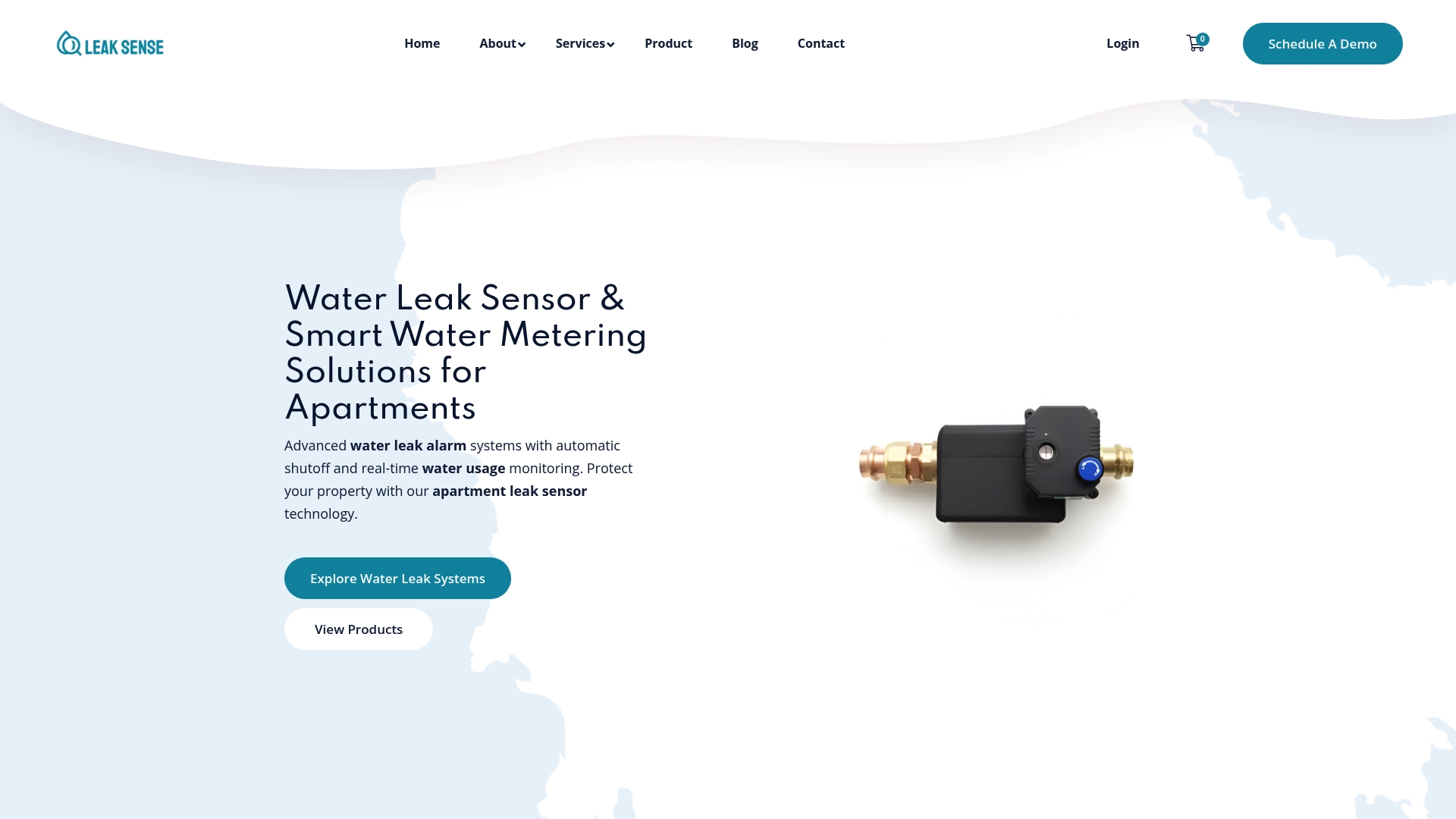
Discover how smart water management can reduce your water-related risks and expenses today. Visit Leaksense.io to explore our advanced sensor and shutoff systems. Learn more about preventing costly damage with smart water leak detection and how automated shutoff devices can safeguard your property. Act now to upgrade your building’s water infrastructure for 2026 compliance and beyond.
Frequently Asked Questions
What are the key components of Title 24 related to water management?
Title 24 includes regulations on water-efficient fixtures, leak detection systems, and building design standards focused on water conservation. To comply, evaluate your current systems and ensure they meet these criteria to enhance sustainability and reduce costs by approximately 30%.
How can I effectively implement smart water leak detection systems in my buildings?
To implement smart leak detection systems, first assess your building’s water infrastructure and select suitable sensor technologies. Install sensors at critical points and configure alert systems to promptly address leaks, which can prevent up to 90% of potential water damage incidents.
What steps should I take to optimize automated water shutoff devices?
Begin by assessing your building’s water system and selecting compatible shutoff devices. Install these devices at key connection points and establish response protocols, which can help reduce water damage costs by up to 85% through immediate intervention.
How can real-time water usage analytics enhance my property management strategies?
Utilize real-time water usage analytics to track consumption patterns and identify inefficiencies. Implement comprehensive sensor networks and review analytics monthly to uncover opportunities for reducing water usage by up to 30% in multifamily and commercial properties.
What are the benefits of integrating tenant billing for water conservation?
Integrating tenant billing for water usage provides transparent tracking and financial motivation for residents to conserve water. Develop clear metrics and create tiered incentive structures to potentially reduce overall water consumption by 25% through increased individual accountability.
How can I take advantage of insurance discounts and LEED points with sustainable practices?
Install proactive water management technologies, such as automatic shut-off devices and leak detection systems, to mitigate risks and enhance sustainability. Track these measures and document your efforts to potentially reduce insurance premiums by up to 20% and earn valuable LEED certification points.
Recommended
- Water Management Blog | LeakSense
- Water Management Blog | LeakSense
- California Water Compliance Support | Title 24 & CPUC Standards | LeakSense
- Water Leak Sensors & Smart Water Metering | LeakSense California
- Guide to Energy-Efficient Windows for Homes and Projects
- 7 Inspiring Examples of Sustainable Windows for Homes
- 7 Essential Commercial Waterproofing Best Practices Explained