Rising expectations around water stewardship are reshaping multifamily property management across California. As regulations like Title 24 tighten, sustainability-minded owners face mounting pressure to find innovative approaches that minimize environmental impact and support compliance. This article delivers actionable insights on smart water management strategies and sustainability initiatives, guiding you toward solutions that align with both evolving law and long-term conservation goals.
- Defining Environmental Sustainability In Real Estate
- Major Types Of Sustainability Initiatives
- How Smart Water Management Supports Compliance
- California’s Key Environmental Laws And Standards
- Financial, Insurance, And Market Implications
- Common Pitfalls And Effective Solutions
Key Takeaways
| Point | Details |
|---|---|
| Environmental Sustainability is Essential | Real estate professionals must adopt holistic strategies that minimize environmental impact and enhance resource efficiency throughout property lifecycles. |
| Regulatory Compliance is Crucial | Understanding and adapting to evolving environmental laws, particularly in states like California, are essential for successful property management. |
| Financial Benefits of Sustainability | Implementing sustainability initiatives can lead to higher rental rates, lower operating costs, and improved asset valuation, creating significant economic incentives. |
| Addressing Common Pitfalls | Property managers should develop integrated approaches to overcome challenges like high upfront costs and skills gaps, ensuring effective sustainability implementation. |
Defining Environmental Sustainability in Real Estate
Environmental sustainability in real estate represents a comprehensive approach to designing, constructing, operating, and maintaining properties that minimize negative environmental impacts while maximizing long-term efficiency and resource conservation. Emerging global standards increasingly emphasize the critical role of sustainability across property lifecycles, transforming how buildings are conceived, developed, and managed.
At its core, environmental sustainability encompasses several key dimensions that property managers and owners must consider:
- Carbon Reduction: Minimizing greenhouse gas emissions through energy-efficient design and operations
- Resource Conservation: Implementing water and energy management strategies
- Waste Minimization: Reducing construction and operational waste streams
- Ecological Impact: Protecting and potentially enhancing local environmental ecosystems
Regulatory Frameworks are driving significant changes in how real estate professionals approach sustainability. Sustainable built environments now account for approximately 40% of global greenhouse gas emissions, making them a critical focus for environmental policy and corporate responsibility.
The multifaceted nature of environmental sustainability requires property managers to adopt holistic strategies that balance technological innovation, regulatory compliance, and economic feasibility. This approach goes beyond simple cost-cutting measures and represents a fundamental reimagining of how buildings interact with their surrounding environments.
Pro tip: Conduct a comprehensive sustainability audit of your properties to identify potential efficiency improvements and regulatory compliance opportunities.
Major Types of Sustainability Initiatives
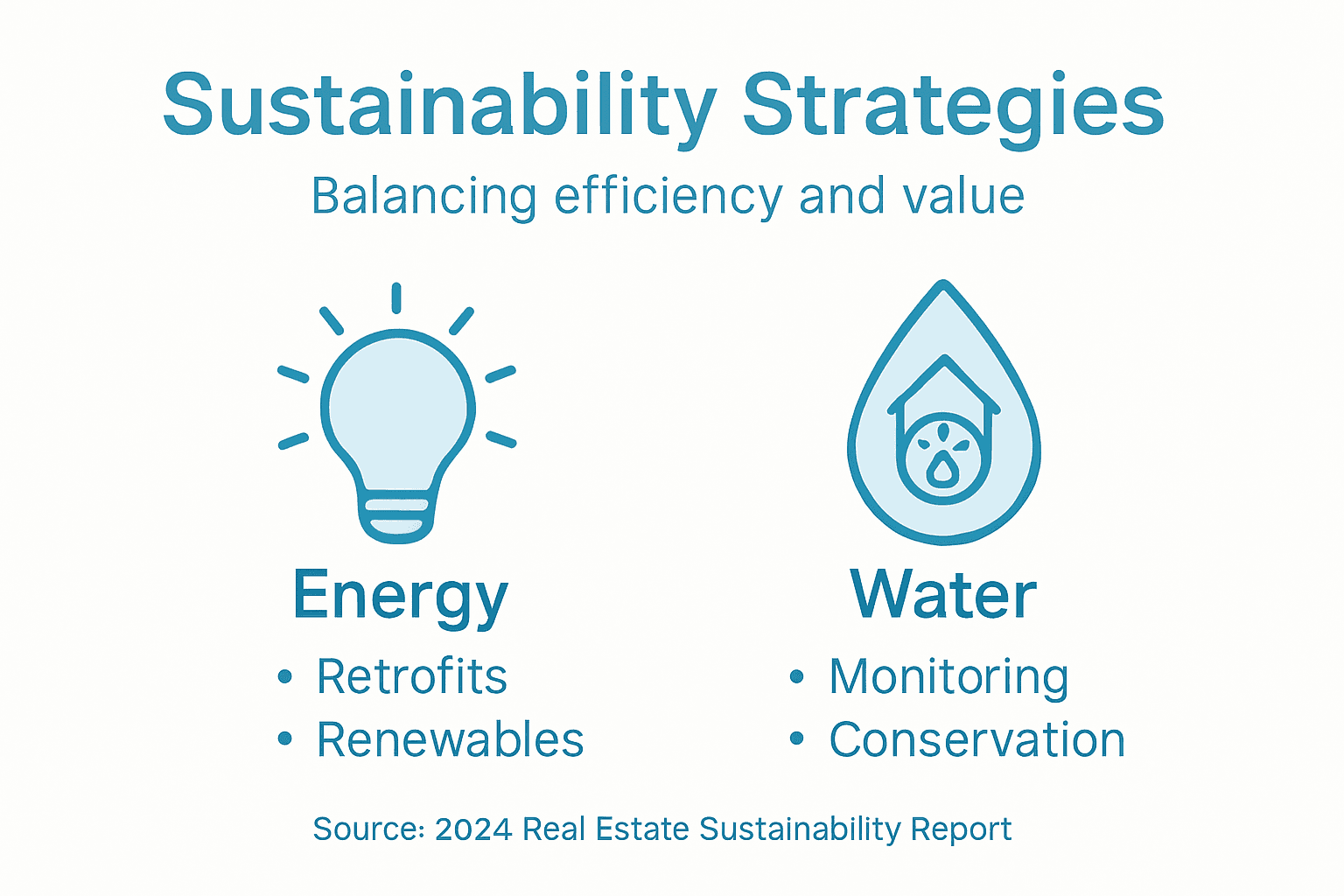
Sustainability initiatives in real estate represent strategic approaches designed to reduce environmental impact, improve operational efficiency, and create long-term value for properties and communities. Sustainability initiative frameworks categorize these efforts across multiple dimensions, providing property managers and owners with comprehensive strategies for environmental stewardship.
Key types of sustainability initiatives include:
- Carbon Neutrality Programs: Comprehensive strategies targeting net-zero carbon emissions
- Energy Efficiency Retrofits: Upgrading building systems to reduce energy consumption
- Renewable Energy Integration: Installing solar, wind, or geothermal energy systems
- Water Conservation Initiatives: Implementing advanced water management technologies
- Waste Reduction Strategies: Developing circular economy approaches for building operations
Green Building Certifications play a crucial role in driving sustainability efforts. Net-zero carbon targets have become increasingly important, with many organizations committing to comprehensive emissions reduction strategies by 2050.
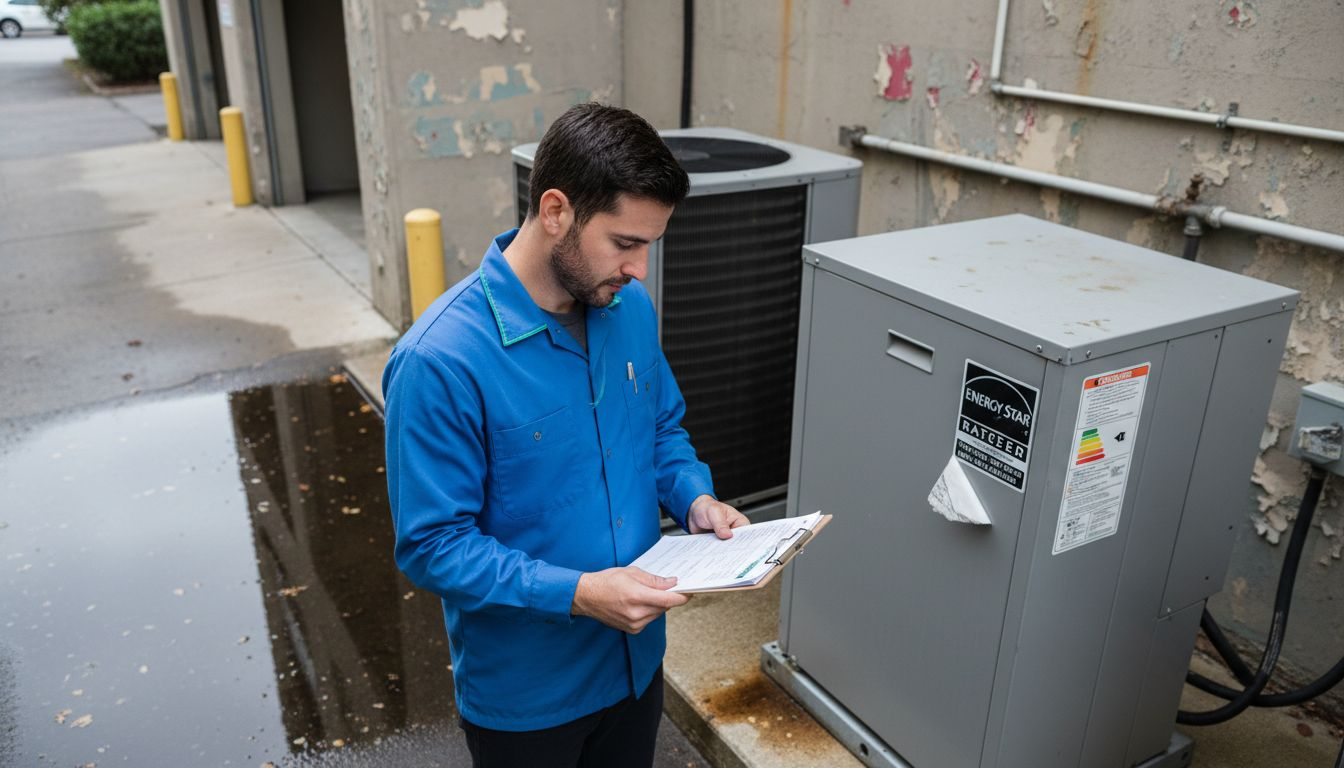
Multistakeholder initiatives are emerging as powerful mechanisms for driving systemic change. These collaborative approaches bring together property developers, investors, local governments, and technology providers to create holistic sustainability solutions that address complex environmental challenges.
Pro tip: Develop a comprehensive sustainability roadmap that prioritizes initiatives based on your specific property portfolio’s unique environmental impact and potential for improvement.
Here’s a comparison of sustainability initiative types and their primary advantages for multifamily properties:
| Initiative Type | Key Benefit | Typical Implementation Cost | Long-Term Value |
|---|---|---|---|
| Carbon Neutrality Programs | Reduces emissions | High | Enhanced asset value |
| Energy Efficiency Retrofits | Lowers energy bills | Moderate | Reduced operating costs |
| Renewable Energy Integration | Clean energy access | High | Attracts green investors |
| Water Conservation Initiatives | Conserves water resources | Moderate | Compliance flexibility |
| Waste Reduction Strategies | Minimizes landfill waste | Low | Improved tenant retention |
How Smart Water Management Supports Compliance
Smart water management technologies have become essential tools for multifamily properties seeking to meet increasingly stringent regulatory requirements. Advanced metering infrastructure enables property managers to monitor water usage with unprecedented precision, transforming how buildings approach conservation and compliance.
Key compliance support mechanisms include:
- Real-Time Leak Detection: Identifying and addressing water loss immediately
- Precise Usage Monitoring: Tracking water consumption at granular levels
- Automated Reporting: Generating comprehensive water usage documentation
- Regulatory Standard Tracking: Ensuring alignment with local and state water conservation regulations
- Risk Mitigation: Preventing potential water-related damage and associated financial losses
Water Stewardship Strategies are critical for properties navigating complex regulatory landscapes. Site water targeting helps organizations develop comprehensive approaches that address local water challenges while maintaining operational efficiency.
Multifamily properties can leverage smart water management technologies to transform compliance from a regulatory burden into a strategic advantage. By implementing advanced monitoring systems, property managers can not only meet regulatory requirements but also demonstrate a commitment to environmental sustainability and resource conservation.
Pro tip: Develop a comprehensive water management strategy that integrates real-time monitoring, predictive analytics, and proactive maintenance to maximize regulatory compliance and operational efficiency.
California’s Key Environmental Laws and Standards
California continues to lead the nation in environmental regulation, establishing comprehensive standards that significantly impact multifamily property management and development. CALGreen building standards represent a critical framework for sustainable construction and operational practices across residential properties.
Key environmental laws and standards for multifamily properties include:
- Energy Efficiency Mandates: Strict requirements for reducing energy consumption
- Water Conservation Protocols: Comprehensive guidelines for water resource management
- Sustainable Site Development: Regulations governing ecological impact and land use
- Indoor Air Quality Standards: Detailed requirements for healthy living environments
- Renewable Energy Integration: Policies promoting clean energy adoption
Regulatory Compliance Frameworks continue to evolve, with Building Energy Efficiency Standards becoming increasingly stringent. The 2025 update to Title 24, effective January 2026, will introduce more aggressive requirements for multifamily properties, emphasizing comprehensive environmental performance.
Property managers and developers must proactively understand these complex regulatory landscapes. Successful compliance requires a holistic approach that integrates technological solutions, strategic planning, and continuous adaptation to emerging environmental standards.
Pro tip: Conduct annual compliance audits and invest in adaptive technologies that can help your properties stay ahead of evolving environmental regulations.
Financial, Insurance, and Market Implications
Sustainability has transformed from a niche concept to a critical driver of financial value in real estate. ESG factors increasingly influence property valuations, creating significant economic incentives for multifamily property owners to prioritize environmental performance.
Key financial implications include:
- Premium Rental Rates: Green buildings command higher lease prices
- Lower Operating Costs: Reduced energy and water consumption
- Reduced Insurance Risks: Decreased likelihood of environmental damage
- Enhanced Asset Valuation: Increased market attractiveness to investors
- Access to Specialized Financing: Eligibility for green bonds and sustainability-linked loans
Market Dynamics are rapidly shifting, with sustainable buildings becoming more desirable to both investors and tenants. Properties demonstrating robust environmental performance can potentially secure more favorable financing terms, lower insurance premiums, and attract higher-quality tenants.
Insurance providers are increasingly developing specialized products that reward proactive environmental management. These products offer reduced premiums for properties implementing advanced sustainability technologies, creating a direct financial incentive for comprehensive environmental strategies.
Pro tip: Develop a comprehensive sustainability scorecard to track and communicate your property’s environmental performance, which can help attract investors and potentially reduce long-term financial risks.
The following table highlights financial and insurance implications of sustainability adoption in real estate:
| Impact Area | Positive Outcome | Influence on Property Value | Market Trend |
|---|---|---|---|
| Rental Rates | Higher lease pricing | Increases investor interest | Growing demand |
| Operating Costs | Lower utility expenses | Boosts net operating income | Cost-focused strategies |
| Insurance Premiums | Reduced risk-related costs | Enhances risk profile | New green products rising |
| Asset Valuation | Greater attractiveness | Supports premium valuations | ESG metrics prioritized |
Common Pitfalls and Effective Solutions
Implementing environmental sustainability in multifamily properties involves navigating complex challenges that can derail even the most well-intentioned initiatives. Sustainability adoption challenges reveal critical barriers that property managers must proactively address to ensure successful implementation.
Common pitfalls in sustainability efforts include:
- High Upfront Costs: Significant initial investments required for green technologies
- Skills and Knowledge Gaps: Limited expertise in sustainable property management
- Cultural Resistance: Organizational hesitation to change existing practices
- Measurement Difficulties: Challenges in quantifying sustainability impacts
- Inconsistent Implementation: Lack of standardized sustainability protocols
Integrated Sustainability Approaches are crucial for overcoming these challenges. Comprehensive benchmarking tools help organizations develop more holistic strategies that consider social, economic, and environmental dimensions of sustainability.
Successful implementation requires a multifaceted strategy that combines technological innovation, continuous education, and adaptive management practices. Property managers must develop flexible approaches that can evolve with changing regulatory landscapes and technological advancements.
Pro tip: Create a cross-functional sustainability task force that includes representatives from operations, finance, and maintenance to develop a more comprehensive and collaborative approach to environmental initiatives.
Take Control of Water Management to Boost Environmental Sustainability in Multifamily Properties
The challenge of meeting stringent California environmental laws and reducing water waste is real for multifamily property managers and owners. Key pain points such as regulatory compliance with Title 24, preventing costly water damage, and achieving water conservation goals require smart, proactive solutions. Leveraging advanced leak detection and automated shutoff technology can transform water management from a risk into an opportunity to enhance operational efficiency and support your sustainability initiatives.
Discover how Leaksense.io empowers you to implement precision water monitoring and control systems tailored for multifamily buildings. Our IoT-enabled sensors offer real-time leak detection, comprehensive water usage analytics, and seamless integration for automated shutoff. These capabilities not only reduce water-related expenses but also help secure insurance discounts and contribute toward LEED certification points — all vital factors highlighted in environmental sustainability frameworks.
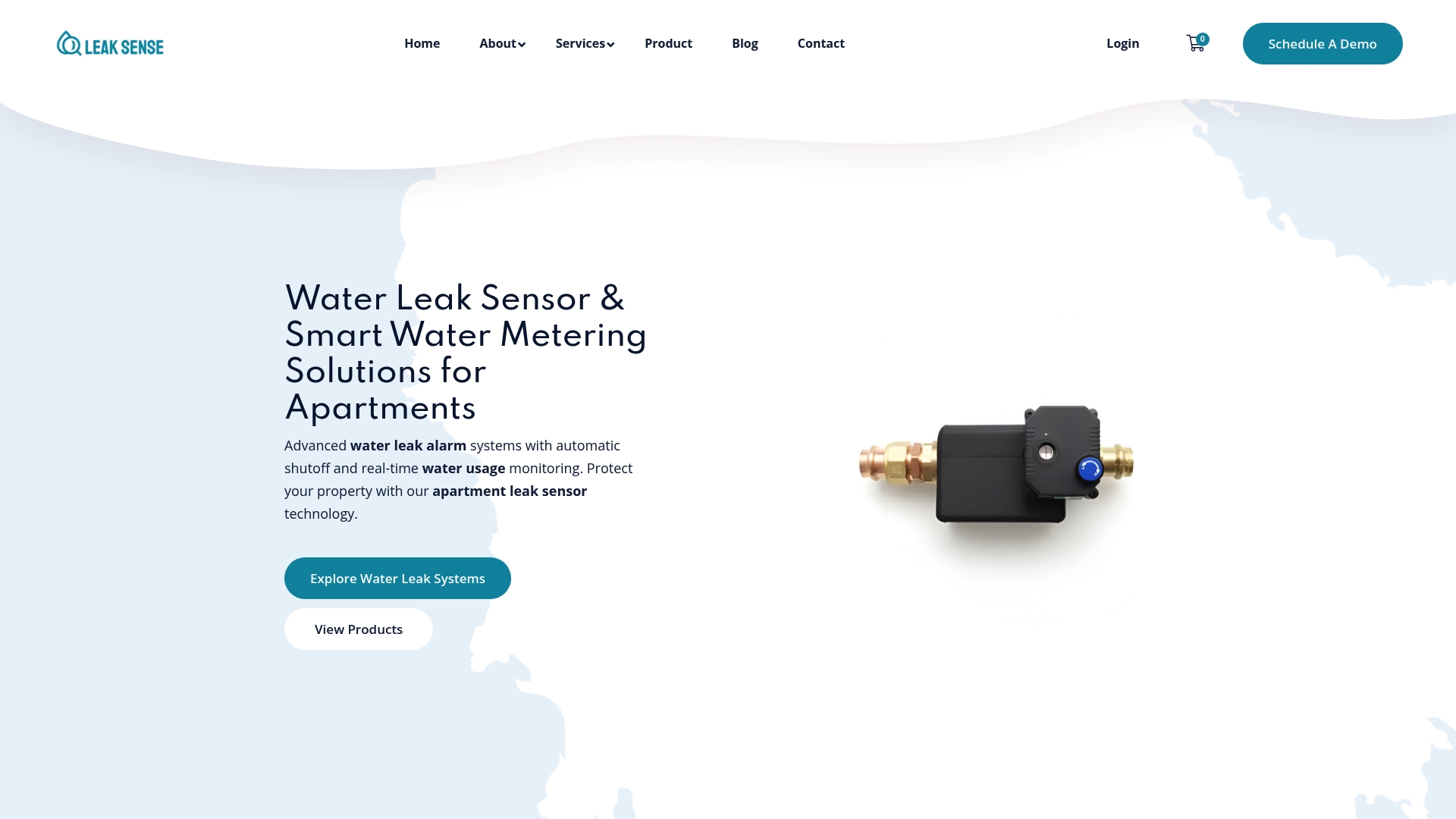
Elevate your property’s environmental performance today. Visit Leaksense.io to explore professional installation options and begin a sustainability roadmap supported by cutting-edge water management technology. Don’t wait until costly water damage or regulatory fines jeopardize your investment. Act now to turn compliance challenges into measurable value.
Frequently Asked Questions
What is environmental sustainability in real estate?
Environmental sustainability in real estate refers to designing, constructing, and managing properties to minimize their negative environmental impacts while maximizing resource conservation and long-term efficiency.
How do sustainability initiatives benefit multifamily properties?
Sustainability initiatives, such as energy efficiency retrofits and water conservation strategies, can lower operating costs, enhance property values, and attract environmentally conscious tenants.
What are some common sustainability technologies used in multifamily properties?
Common sustainability technologies include smart water management systems, energy-efficient appliances, renewable energy installations (like solar panels), and advanced building materials that enhance energy efficiency.
How can property managers ensure compliance with environmental regulations?
Property managers can ensure compliance by conducting regular sustainability audits, implementing smart technologies for tracking resource usage, and staying updated on local environmental laws and standards.