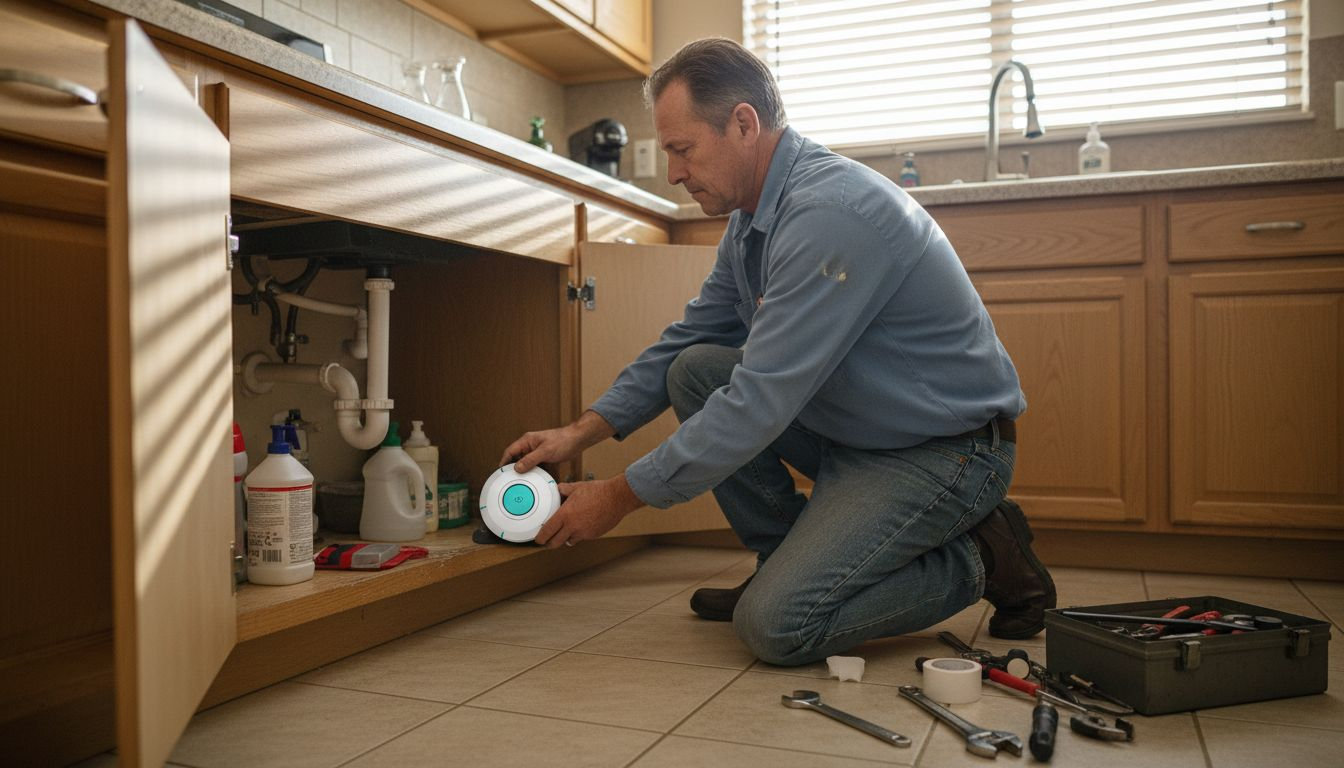
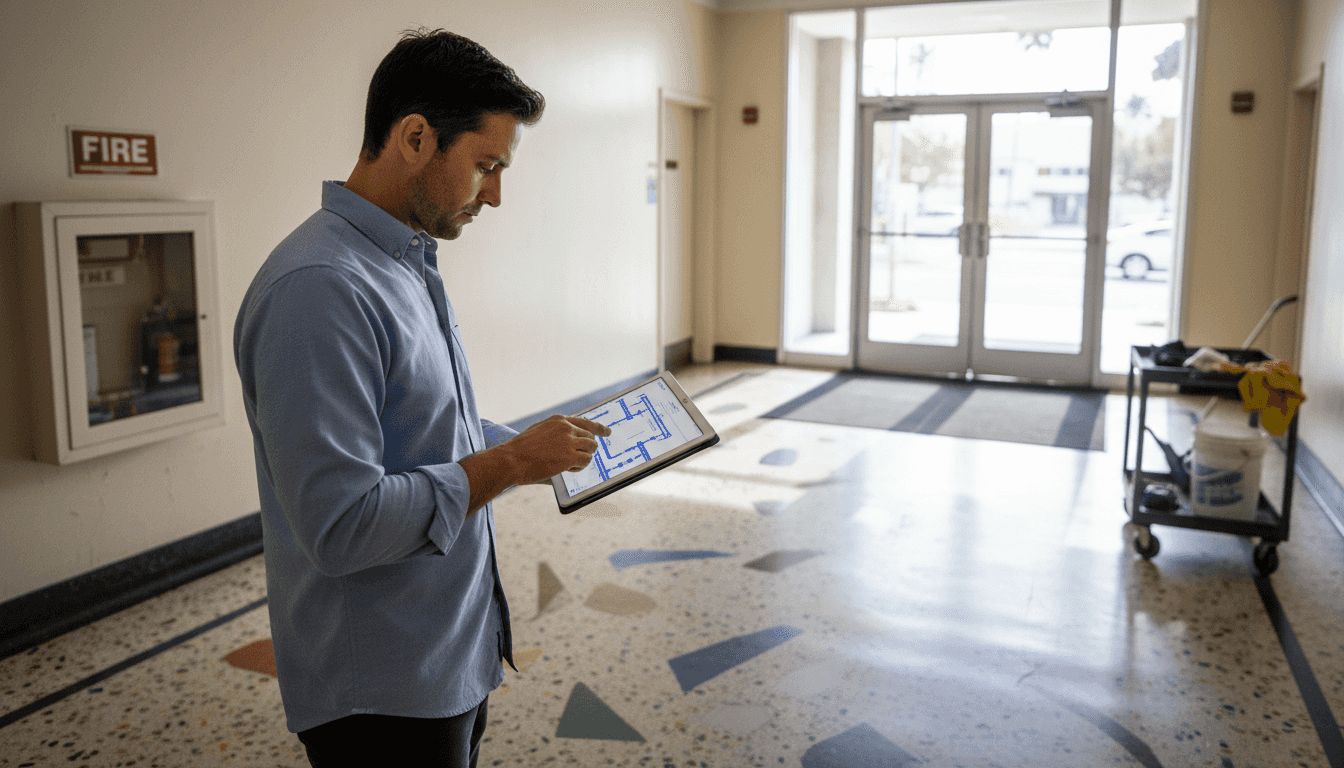
Burst pipes and hidden leaks can turn a multifamily property in California from a well-managed asset into a costly emergency overnight. Facing strict California regulations and the constant threat of drought, property managers must prioritize water damage prevention that goes beyond quick repairs. By harnessing IoT solutions for real-time monitoring and automated alerts, you gain actionable data to protect your building, limit liability, and confidently navigate complex compliance requirements.
- Defining Water Damage Prevention Strategies
- Key Components Of Effective Prevention
- Prevention Vs. Disaster Response
- Why California Property Managers Need This Now
- Types Of Water Damage And Detection Technologies
- Common Types Of Water Damage
- Detection Technologies That Work
- Why Multifamily Properties Need Multiple Layers
- How Iot Leak Detection Works In Multifamily Buildings
- The Core Technology
- How The System Catches Leaks Other Methods Miss
- Real-World Application In Your Building
- California Regulations And Title 24 Compliance
- What Title 24 Requires
- How Smart Technology Supports Compliance
- California Water Conservation Mandates
- Risk Reduction, Insurance, And Cost Implications
- How Prevention Reduces Insurance Costs
- The Cost Of Inaction
- Long-Term Financial Impact
Key Takeaways
| Point | Details |
|---|---|
| Comprehensive Strategy | Effective water damage prevention combines monitoring, compliance, and technology to mitigate risks. |
| Proactive Approach | Early detection and automated systems significantly reduce repair costs and liability exposure. |
| Regulatory Compliance | Adhering to California’s Title 24 requirements ensures safety and sustainability in water management. |
| Financial Incentives | Investing in leak detection can lower insurance premiums and pay for itself through avoided damages. |
Defining Water Damage Prevention Strategies
Water damage prevention isn’t a single fix—it’s a comprehensive approach to managing water risks across your property. For California property managers, this means combining proactive monitoring, regulatory compliance, and smart technology to minimize costly damage before it happens.
At its core, water damage prevention addresses three interconnected challenges:
- Detecting leaks before they cause structural damage
- Managing water usage and reducing waste
- Ensuring compliance with California water regulations like Title 24
Understanding sustainable water management practices helps you frame prevention as both a financial and environmental responsibility. Your strategy should balance risk mitigation with resource conservation—two priorities that increasingly align in California.
Key Components of Effective Prevention
A solid prevention strategy rests on three pillars. First, early detection systems catch leaks in real-time before they escalate into water damage events. Second, usage monitoring reveals consumption patterns that may indicate hidden problems or inefficiencies. Third, automated response mechanisms shut off water supply when sensors detect anomalies.
Many property managers focus only on reactive repairs. Your building deserves a proactive approach that protects tenants, preserves assets, and reduces insurance claims.
Prevention vs. Disaster Response
The difference between prevention and damage control is measured in thousands of dollars. A small leak detected within hours costs far less than water damage discovered weeks later, after it has compromised walls, flooring, and electrical systems.
Water resources management strategies emphasize reducing flooding and water contamination through integrated monitoring and governance—principles directly applicable to multifamily properties.
Here’s what prevention accomplishes:
Here’s a comparison of traditional water damage control versus proactive prevention strategies for California property managers:
| Approach | Detection Speed | Cost Over Time | Regulatory Compliance |
|---|---|---|---|
| Reactive Repairs | Weeks after damage occurs | Higher (large repairs, emergency costs) | Often behind latest standards |
| Proactive Monitoring | Real-time or hours | Lower (ongoing maintenance, fewer emergencies) | Aligned with Title 24 and conservation mandates |
- Identifies leaks in walls, under slabs, or in concealed pipes
- Alerts you to unusual consumption patterns that signal problems
- Prevents secondary damage from mold and structural deterioration
- Reduces liability exposure and insurance premiums
- Demonstrates compliance with California water conservation mandates
Why California Property Managers Need This Now
California’s water regulations continue tightening. Title 24 requires efficient water use in residential buildings. Drought conditions have made water scarcity a permanent planning concern. Combined, these factors make prevention not optional—it’s necessary.
Properties with smart leak detection and automated water shutoff capabilities report fewer emergency repairs, lower utility bills, and faster tenant response times.
Preventing water damage protects your bottom line while supporting California’s environmental goals. The investment pays for itself through avoided repairs and operational efficiency.
Your prevention strategy should include regular monitoring schedules, staff training on water management, and clear tenant communication about water conservation. Technology handles continuous monitoring; your team handles response protocols.
Pro tip: Start with a water audit of your highest-risk areas—bathrooms, kitchens, and mechanical rooms—then expand monitoring to other zones once you’ve established baseline usage patterns.
Types of Water Damage and Detection Technologies
Water damage takes many forms, and knowing the difference helps you choose the right detection approach. California property managers face unique challenges—from hidden pipe leaks in concrete slabs to moisture intrusion through building envelopes. The good news is that modern detection technologies can catch problems before they become costly disasters.
Common Types of Water Damage
Water damage doesn’t always announce itself loudly. Some of the most destructive problems start small and hidden.
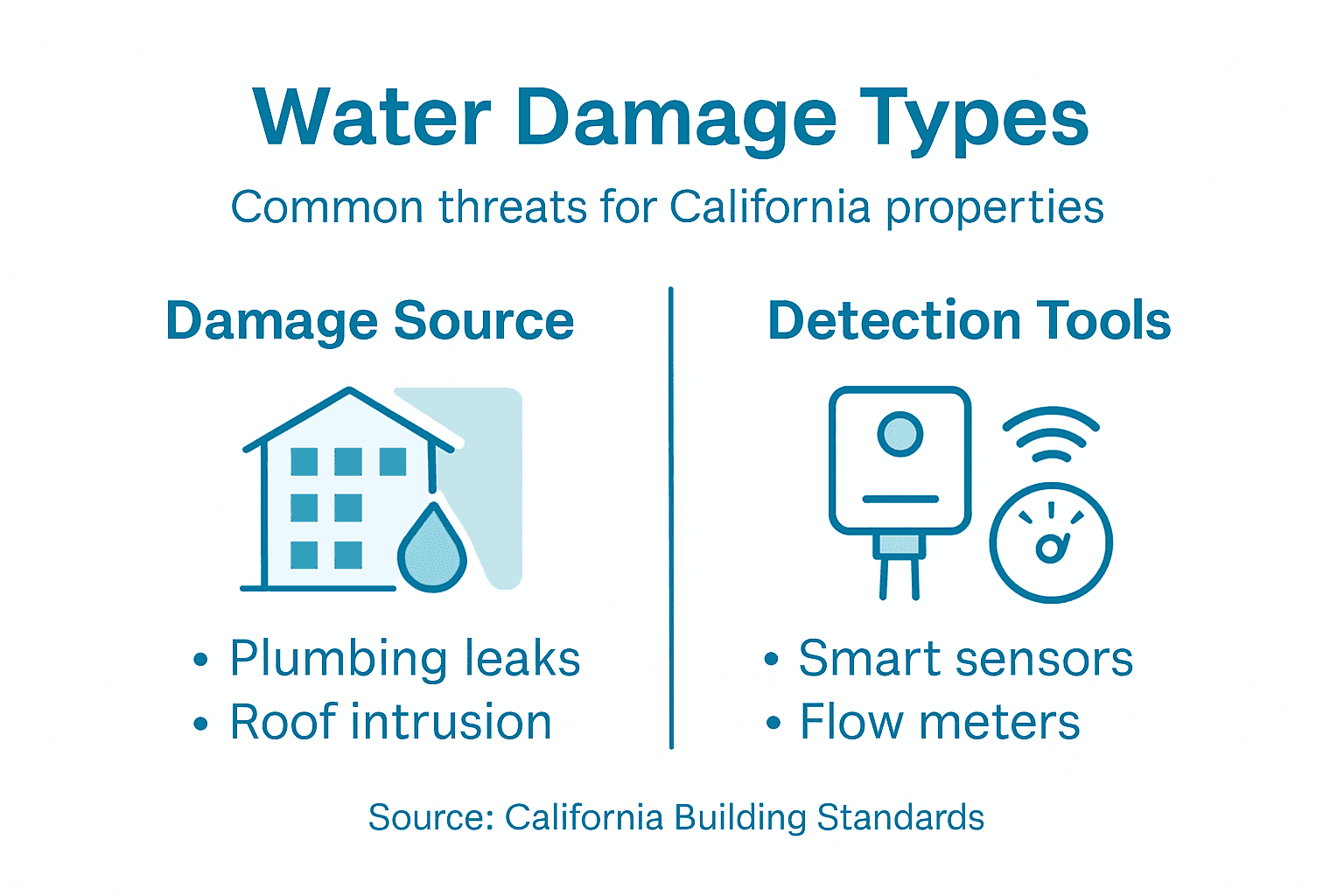
Structural water damage occurs when moisture compromises walls, foundations, and framing. This type develops slowly over weeks or months, often undetected until significant deterioration occurs. Plumbing leaks emerge from burst pipes, corroded connections, or failed seals—these can flood a unit within hours. Envelope intrusion happens when water penetrates exterior walls or roofing membranes, creating moisture in insulation and wall cavities.
Secondary damage follows almost every water event. Mold growth, electrical hazards, and wood rot compound the original problem and multiply repair costs.
Here’s where damage typically originates:
- Supply line ruptures under sinks and behind walls
- Toilet seal failures and overflow events
- Dishwasher and washing machine connection leaks
- HVAC condensation line blockages
- Roof penetrations and flashing failures
- Bathroom tile grout degradation
Detection Technologies That Work
Electronic leak detection systems use electrical currents to identify moisture in building envelopes and waterproofing membranes before visible damage appears. These high-voltage and low-voltage scanning methods pinpoint breaches and seam voids that conventional inspection misses.
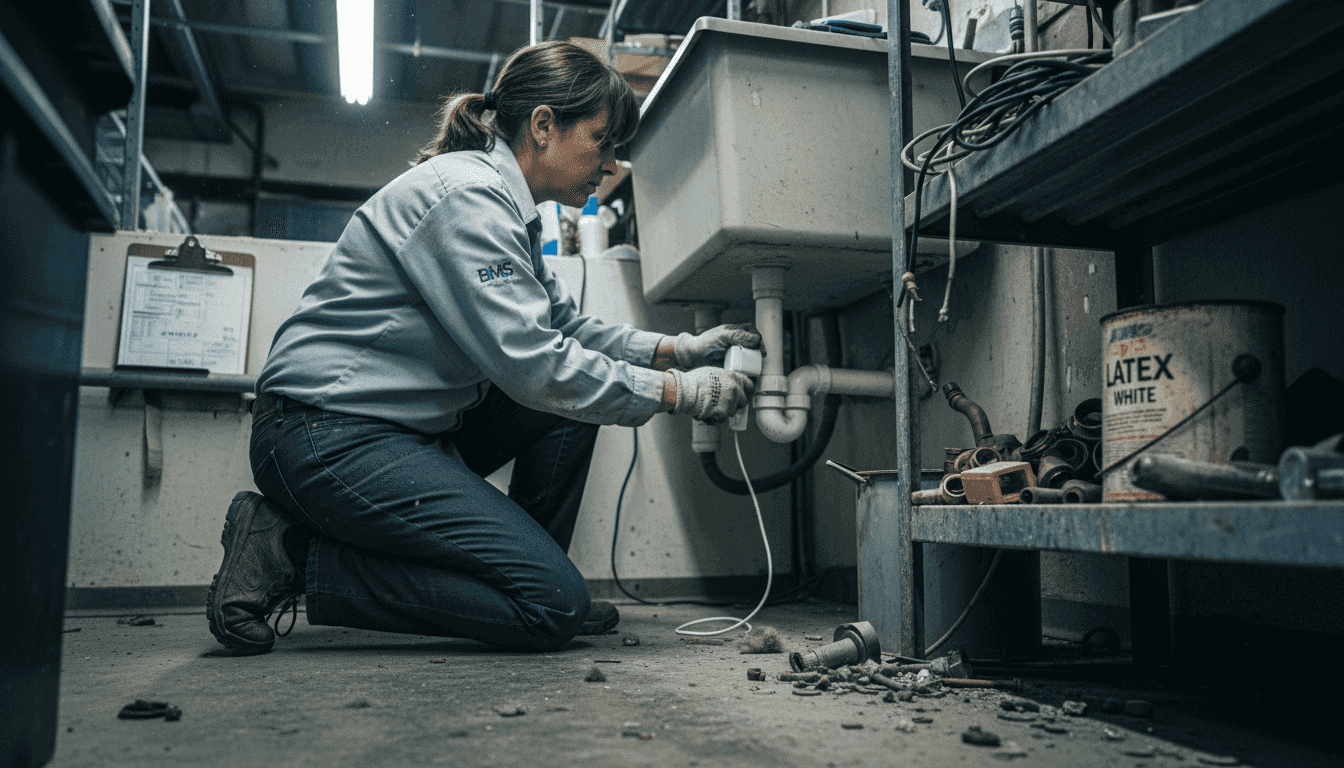
For water distribution systems, leak detection devices range from low-flow sensors to IoT monitoring. Smart water sensors continuously track consumption and send real-time alerts when patterns change unexpectedly. Automated water shutoff systems can isolate supply lines within seconds of detecting anomalies, preventing water from spreading.
Properties using smart water sensors for leak detection report faster detection times and significantly lower repair costs.
Detection methods available today include:
This table highlights key detection technologies and their unique benefits for multifamily property management:
| Technology | Detection Focus | Ideal Installation Locations | Business Impact |
|---|---|---|---|
| Smart Flow Sensors | Water usage anomalies | Main supply lines | Prevents large floods, reduces wastage |
| Humidity Sensors | Hidden moisture in walls | Bathrooms, kitchens, mechanical rooms | Stops mold and structural decay early |
| Acoustic Sensors | Pressure changes, ruptures | Plumbing and piping infrastructure | Pinpoints leaks without wall removal |
| Thermal Imaging | Temperature shifts from water intrusion | Building envelope and roofing | Identifies envelope failures quickly |
- Real-time flow monitoring — Detects usage anomalies instantly
- Humidity sensors — Identifies moisture in walls and concealed spaces
- Acoustic sensors — Hears pressure changes indicating ruptures
- Thermal imaging — Reveals temperature changes from water intrusion
- Water quality monitoring — Flags contamination from pipe corrosion
Why Multifamily Properties Need Multiple Layers
A single detection method isn’t enough for apartment buildings. Leaks in one unit can affect flooring below. Supply line failures behind walls take hours to discover without sensors. Main line ruptures can flood an entire floor before anyone notices.
Early detection prevents water damage from developing into structural emergencies. Multiple detection methods working together catch problems at every level of your building.
Stackable approach works best: monitor main supply lines with flow sensors, detect unit-level leaks with smart meters, and use humidity sensors in vulnerable areas like mechanical rooms and crawlspaces.
Pro tip: Start detection in bathrooms and kitchens where 80% of residential leaks originate, then expand to mechanical rooms and building envelope areas.
How IoT Leak Detection Works in Multifamily Buildings
Internet of Things (IoT) leak detection transforms water management from reactive firefighting to proactive prevention. Sensors embedded throughout your building continuously monitor water flow, detect anomalies, and alert your team before damage spreads. For multifamily properties, this means fewer emergency repairs, happier tenants, and significant cost savings.
The Core Technology
IoT leak detection relies on a network of smart sensors strategically placed in plumbing lines, mechanical rooms, and common areas. These sensors measure water flow rates, pressure, and usage patterns in real-time. When flow patterns deviate from normal baselines—like water moving through pipes at 2 a.m. when no one should be using water—the system flags an alert.
IoT sensor networks continuously monitor water use and detect irregular flow patterns that indicate potential leaks, enabling rapid detection and response.
The technology works in three connected layers:
- Data collection — Sensors gather real-time flow, pressure, and consumption data
- Cloud processing — AI algorithms analyze patterns and identify anomalies
- Alert generation — Your team receives notifications for investigation and repair
How the System Catches Leaks Other Methods Miss
Traditional inspections rely on visible damage or tenant complaints. IoT systems catch leaks before anyone sees water. A slow drip behind a wall registers immediately. A burst pipe under a slab triggers alarms within minutes.
AI and predictive analytics learn your building’s normal water usage over time. The system knows that Tuesday morning typically uses more water than Saturday evening. When consumption deviates from expected patterns, it’s flagged for investigation. This approach eliminates false alarms that plague simple flow sensors.
Here’s what makes IoT detection powerful:
- Detects leaks 24/7 without human presence
- Catches hidden leaks in walls and under slabs
- Identifies slow leaks before structural damage occurs
- Tracks consumption patterns to spot inefficiencies
- Reduces water waste and lowers utility bills
Real-World Application in Your Building
Your property management system receives continuous data streams from every monitored location. Automated monitoring enhances efficiency by automating the detection process and linking sensors with maintenance workflows.
When a sensor detects anomalous flow, your maintenance team gets an alert with location details. You can investigate immediately—not days later when damage has spread. Some systems support 24/7 automatic leak detection, enabling faster response even outside business hours.
IoT leak detection provides data-driven insights that transform your maintenance from emergency-driven to prevention-focused, protecting assets while reducing costs.
The system integrates with your existing property management software, creating a unified dashboard where you see water usage, leak alerts, and maintenance history in one place.
Pro tip: Install main line sensors first to catch supply-side leaks affecting multiple units, then expand to individual unit meters for tenant-level consumption tracking and accurate billing.
California Regulations and Title 24 Compliance
California’s building codes don’t leave water damage prevention to chance. Title 24 mandates specific standards for water management, flood resistance, and moisture control across residential and commercial properties. For property managers, compliance isn’t optional—it’s a legal requirement that protects your building, reduces liability, and demonstrates responsible stewardship.
What Title 24 Requires
Title 24 building standards include water damage prevention through mandatory design, construction, and material requirements aimed at mitigating water intrusion and flooding risks. These standards cover everything from waterproofing systems to drainage design to flood-resistant materials.
Compliance means your building must meet state safety and durability standards. You can’t cut corners on waterproofing. You can’t ignore moisture in walls. Title 24 ensures buildings remain resilient against California’s water-related hazards—from flooding to drought impacts to pipe failures.
Title 24 addresses water management through multiple requirements:
- Waterproofing specifications for basements, decks, and exterior walls
- Drainage system design to manage stormwater and groundwater
- Flood-resistant construction in high-risk zones
- Material durability standards for wet environments
- Energy-efficient water heating systems
How Smart Technology Supports Compliance
Modern compliance isn’t just about construction—it’s about ongoing monitoring. Title 24 standards now include provisions for smart technologies that enable water damage prevention. IoT sensors, automated shutoff systems, and real-time monitoring align perfectly with these requirements.
Proactive leak detection demonstrates that you’re actively managing water risks rather than waiting for problems to surface. When inspectors review your compliance efforts, a documented monitoring system shows commitment to the standards Title 24 represents.
Smart technology supports Title 24 compliance by:
- Monitoring water distribution systems continuously
- Detecting leaks before they violate structural integrity standards
- Documenting compliance through maintenance records
- Reducing water waste in line with conservation objectives
- Providing data to prove proactive management
California Water Conservation Mandates
Title 24 intersects with California’s broader water conservation goals. Drought conditions have made efficiency non-negotiable. Your property must demonstrate responsible water usage—not just for environmental reasons, but for regulatory compliance.
Monitoring water usage in California properties supports both sustainability and regulatory compliance objectives. Properties with documented water management programs are better positioned during audits and inspections.
Water conservation requirements include:
- Tracking consumption against established baselines
- Installing efficiency devices in kitchens and bathrooms
- Maintaining records of usage and repairs
- Responding promptly to detected leaks
- Implementing water-saving practices across common areas
Title 24 compliance demonstrates your commitment to California’s safety and sustainability standards while protecting your building’s long-term value and resident safety.
Non-compliance carries real costs. Fines, failed inspections, and liability exposure are expensive consequences. Properties that document proactive water management through monitoring systems are far less likely to face compliance issues.
Pro tip: Document your water management efforts with leak detection logs and repair records—this documentation proves Title 24 compliance during inspections and protects you legally.
Risk Reduction, Insurance, and Cost Implications
Water damage prevention isn’t just about protecting your building—it’s about protecting your bottom line. Insurance companies reward proactive risk management with lower premiums. Smart leak detection reduces the frequency and severity of claims. For California property managers, this means real financial advantages that compound over time.
How Prevention Reduces Insurance Costs
Insurance companies assess risk based on your property’s mitigation efforts. Buildings with documented water damage prevention systems are statistically less likely to file claims. This translates directly into lower premiums.
Insurance programs in California, including the NFIP and Community Rating System, encourage flood risk reduction through premium discounts for communities implementing stronger floodplain management. Your property’s proactive approach qualifies you for these financial incentives.
Properties with active leak detection and monitoring typically see insurance reductions ranging from 5% to 15% annually. Over a five-year period, those savings accumulate significantly.
Insurance benefits from prevention include:
- Lower annual premiums through risk reduction
- Fewer claim denials due to documented maintenance
- Better coverage terms negotiated from a position of strength
- Reduced deductibles on water-related claims
- Potential access to specialized programs for well-maintained properties
The Cost of Inaction
A single major water damage event can cost $25,000 to $100,000 in repairs and remediation. That’s before accounting for temporary housing for displaced tenants, lost rent during repairs, or mold remediation costs that extend far beyond initial water damage.
Flood risk mitigation reduces disaster-related losses and insurance costs through improved property resilience. Early detection prevents small leaks from becoming catastrophic failures.
Undetected leaks lead to:
- Structural damage requiring foundation repairs
- Mold remediation costing $5,000 to $30,000
- Electrical system failures and safety hazards
- Tenant displacement and lease violations
- Increased insurance claims and premium increases
Long-Term Financial Impact
Consider the math: A property with smart leak detection might invest $3,000 to $5,000 annually in monitoring. That same property avoids even one major water damage incident worth $50,000. The ROI is obvious—prevention pays for itself many times over.
Insurance premium reductions alone often cover the cost of monitoring systems. Add in avoided emergency repairs, reduced water bills, and eliminated tenant disputes, and the financial case becomes undeniable.
Proactive water management reduces insurance costs while preventing expensive damage—your annual prevention investment typically pays for itself through premium savings and avoided repairs.
Documented prevention efforts also strengthen your position during insurance disputes. If a claim occurs, evidence of regular monitoring and maintenance makes it harder for insurers to deny coverage based on negligence.
Pro tip: Ask your insurance agent which specific mitigation measures qualify for premium discounts, then document your compliance to ensure you receive every available reduction.
Protect Your Property with Smart Water Damage Prevention Solutions
Water damage remains one of the most costly risks for California property managers, especially with strict Title 24 compliance and growing water scarcity concerns. This article highlights the critical need for early leak detection, real-time monitoring, and automated shutoff systems that stop problems before they escalate. If you want to reduce repair costs, enhance tenant safety, and meet California’s evolving water regulations, it is time to adopt a proactive approach.
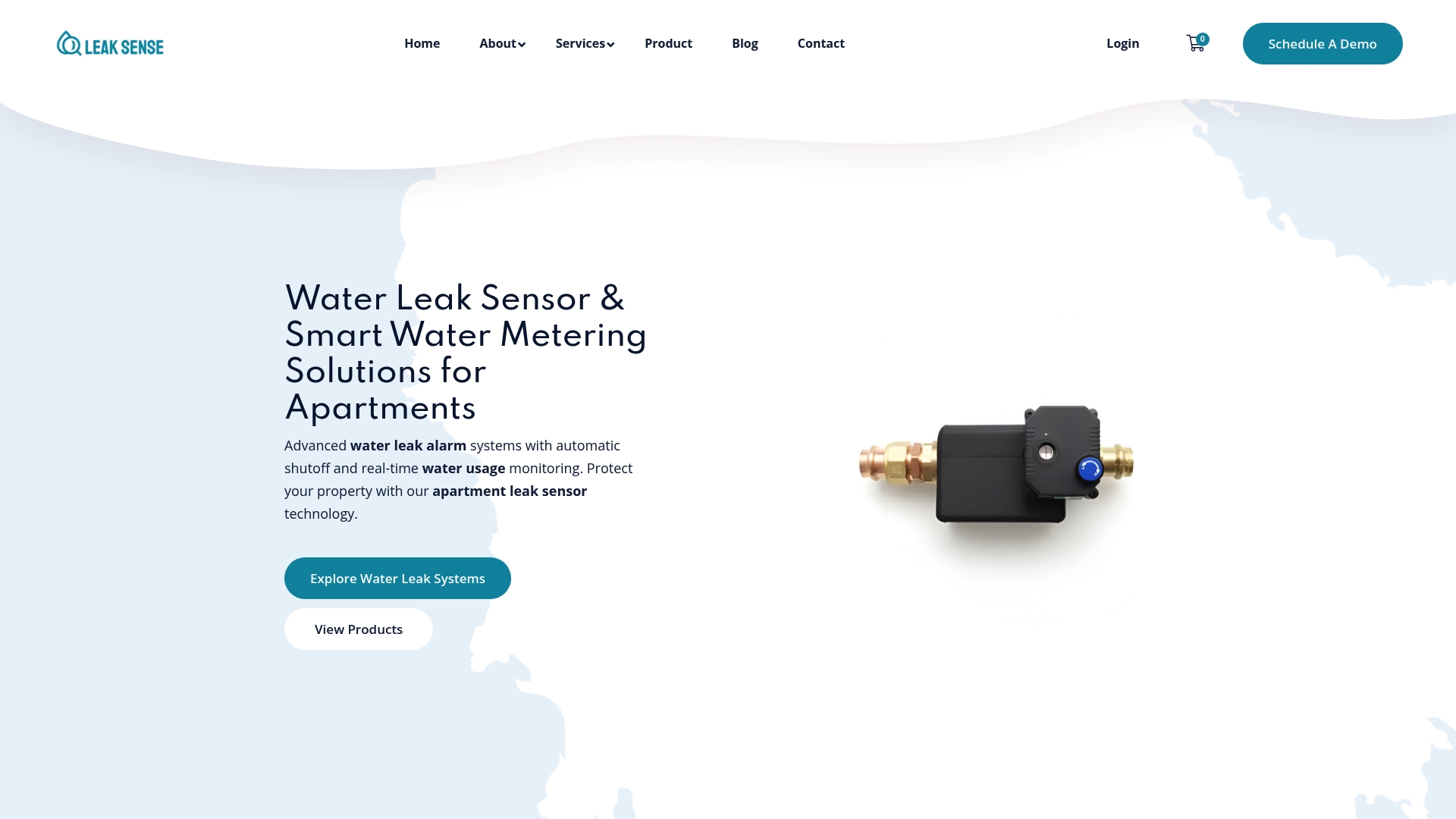
Discover how Leaksense.io specializes in IoT-enabled water leak detection and automated shutoff solutions designed specifically for multifamily buildings and commercial properties in California. Their seamless integration of smart sensors, water usage analytics, and regulatory expertise helps you catch hidden leaks early, prevent structural damage, and lower insurance premiums. Take the next step to protect your investment and ensure compliance by visiting Leaksense.io today and learn how their technology can transform your water management strategy.
Frequently Asked Questions
What are effective water damage prevention strategies for property managers?
To prevent water damage, property managers should implement early detection systems, usage monitoring, and automated response mechanisms. This strategy helps identify leaks quickly, manage water consumption efficiently, and comply with regulations.
How does IoT technology enhance water leak detection in properties?
IoT technology uses smart sensors to monitor real-time water flow and detect anomalies. It provides alerts for potential leaks and helps in reducing response times, thus preventing extensive damage.
What are the benefits of proactive water damage prevention compared to reactive repairs?
Proactive prevention strategies typically result in lower repair costs, reduced insurance premiums, and fewer emergencies compared to reactive repairs, which can be significantly more expensive and time-consuming.
How do California water regulations like Title 24 affect water damage prevention strategies?
Title 24 requires compliance with specific standards for water management, flood resistance, and moisture control. Implementing smart technologies and regular monitoring helps property managers meet these requirements and reduce liability.