
Finding the right water leak monitoring system often feels like a balancing act for California property managers. With strict Title 24 standards and rising risks from aging plumbing, every detail matters—from documenting old pipes to handling new regulatory demands. A well-planned strategy fills the gap between routine checks and real protection, keeping your property compliant while minimizing unexpected damage. This step-by-step guide breaks down the critical process, making it easier to address both property needs and enforceable regulations.
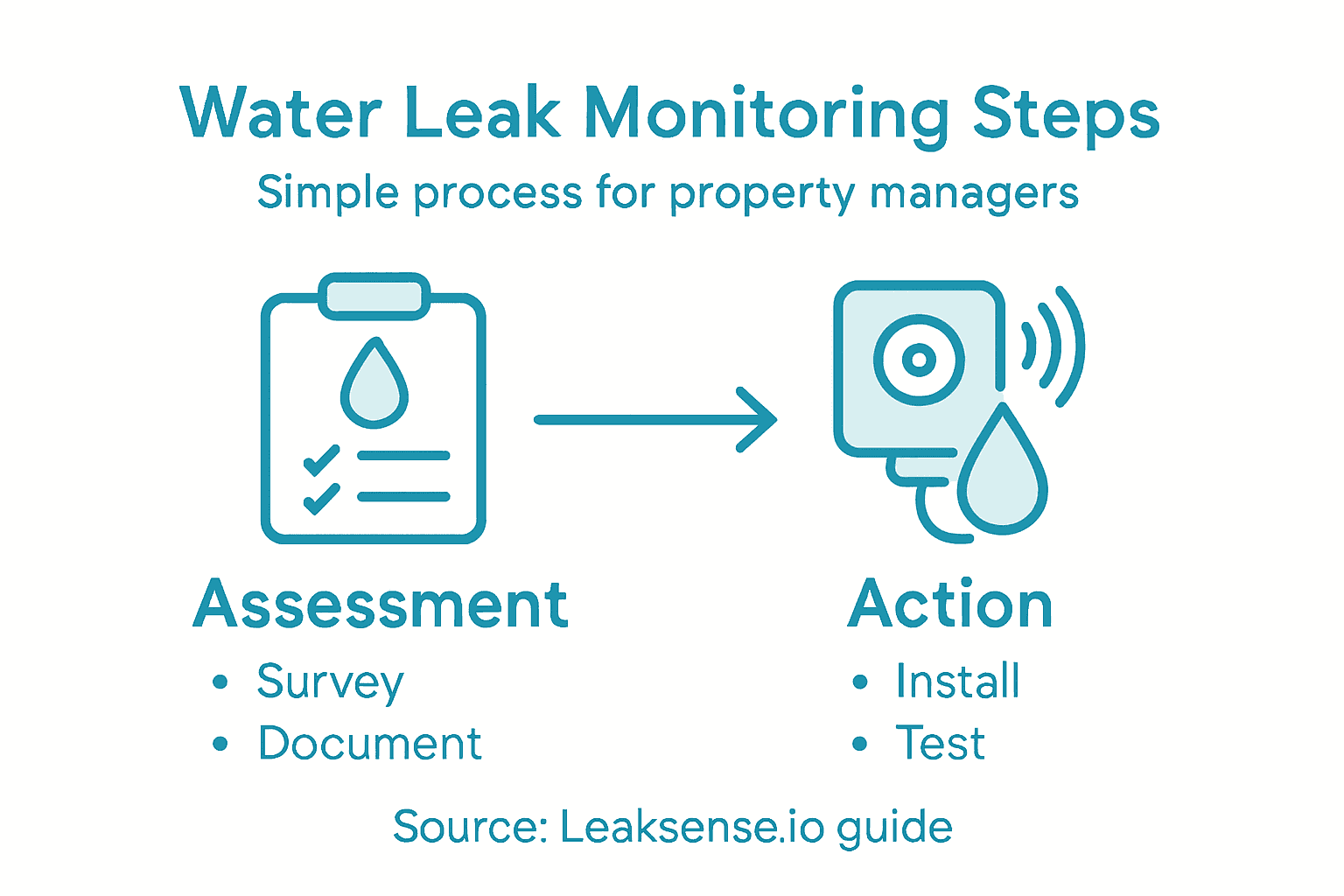
- Step 1: Assess Property Needs And Regulatory Requirements
- Step 2: Install Smart Water Leak Monitoring Equipment
- Step 3: Configure Real-Time Leak Alerts And Remote Shutoff
- Step 4: Verify System Accuracy And Monitor Ongoing Activity
Quick Summary
| Key Point | Explanation |
|---|---|
| 1. Assess Property Needs First | Document your property’s water infrastructure and compliance regulations to identify the most suitable monitoring approach. |
| 2. Install Sensors Strategically | Place sensors in high-risk areas like bathrooms and kitchens to catch leaks early before damage spreads. |
| 3. Configure Alert Systems Correctly | Set appropriate moisture sensitivity levels and designate responsible contacts for immediate leak alerts to ensure timely responses. |
| 4. Verify System Functionality Regularly | Conduct tests to ensure sensors accurately detect moisture and adjust system settings based on alert patterns and water consumption discrepancies. |
| 5. Maintain Accurate Documentation | Keep organized records of assessments, installations, and ongoing monitoring to support compliance and improve future maintenance efforts. |
Step 1: Assess property needs and regulatory requirements
Before you install any water leak monitoring system, you need a clear picture of your property’s condition and what California regulations demand. This step determines which monitoring approach will work best for your multifamily buildings and prevents costly compliance issues down the road.
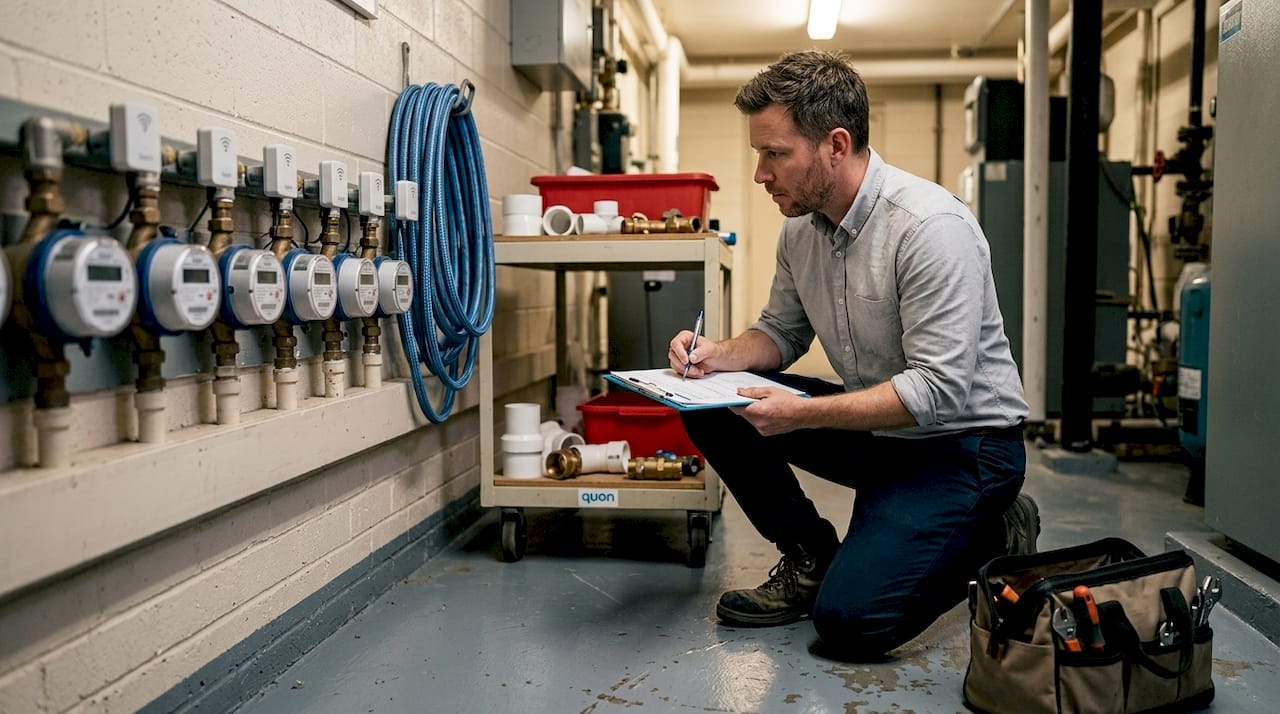
Start by documenting your property’s current water infrastructure. Walk through your buildings and note the number of units, water meters, building age, and any existing water damage or moisture issues. Properties built before the 1990s often have older piping systems prone to hidden leaks, while newer construction may have different risk profiles. Understanding this baseline helps you choose the right monitoring strategy.
Next, identify your regulatory obligations. California’s Title 24 standards and local water agency requirements set specific expectations for water metering and leak detection in multifamily properties. Depending on your city, you may need to comply with mandatory submetering, automated shutoff requirements, or water conservation targets. These aren’t optional recommendations—they’re enforceable regulations that affect your property operations.
Review your property’s water consumption patterns and leak history. Pull 12 months of water billing data to see usage trends and identify any unexplained spikes that suggest hidden leaks. Check maintenance records for past water damage claims, tenant complaints about leaks, or mold issues. This historical data reveals which areas of your property present the highest risk.
Consider your specific challenges:
- Number of units and building complexity
- Age and condition of plumbing infrastructure
- Current water usage and costs
- History of leak damage or insurance claims
- Tenant turnover rates and reporting habits
- Local water agency enforcement patterns
Understand that regulatory bodies and enforcement agencies actively monitor water resource compliance, meaning non-compliance carries real consequences. Your local water utility likely requires submission of water usage data and may conduct inspections.
Once you’ve assessed your property needs and regulatory landscape, you’ll know exactly what type of monitoring system makes sense—whether that’s unit-level submetering, building-wide leak detection, or a combination approach.
Your assessment should identify both your highest-risk areas and your specific regulatory gaps so you can choose a solution that addresses real problems, not generic ones.
Pro tip: Document everything you discover during this assessment—water bills, infrastructure photos, past damage claims—and keep it organized. This documentation becomes invaluable when working with installation teams and proves compliance efforts to regulators.
Step 2: Install smart water leak monitoring equipment
Now that you understand your property’s needs and regulatory landscape, it’s time to deploy the actual monitoring technology. Professional installation ensures your system integrates seamlessly with your building’s infrastructure and starts protecting your assets immediately.
Begin by selecting sensor placement locations. The most effective strategies involve installing sensors at building entry points where water enters your property, as well as in individual units for unit-level monitoring. Strategic sensor placement optimization ensures you detect leaks early before they cause widespread damage. Focus on high-risk areas like bathrooms, kitchens, laundry rooms, and mechanical spaces where leaks typically originate.
Here’s a summary of common sensor placement areas and their typical leak risks:
| Location | Typical Leak Risk | Detection Benefit |
|---|---|---|
| Building entry | Main line failure | Prevents large-scale water loss |
| Bathrooms | Pipe and fixture leaks | Detects common source of moisture |
| Kitchens | Appliance hose breaks | Catches leaks near water sources |
| Laundry rooms | Washer overflow | Stops costly floor damage |
| Mechanical rooms | HVAC or boiler leaks | Protects essential equipment |
Understand your equipment configuration. Most smart systems include wireless water sensors, a central hub or gateway for connectivity, and potentially automated shutoff valves. Sensors communicate with your smartphone app or monitoring dashboard, alerting you instantly when moisture is detected. Integration with water meter installation services helps create a complete picture of water consumption and leak patterns across your property.
Here’s what your installation typically involves:
- Install the main water shutoff connection or flow meter at building entry
- Place sensors in priority locations based on your risk assessment
- Set up the central hub in an accessible location with power and internet connectivity
- Configure smartphone app access so you receive real-time alerts
- Test all connections and sensor responsiveness
With professional installation, your technician handles the technical complexity while you oversee the placement decisions. They’ll ensure proper sensor sensitivity settings so you’re alerted to actual leaks, not false positives from condensation or humidity.
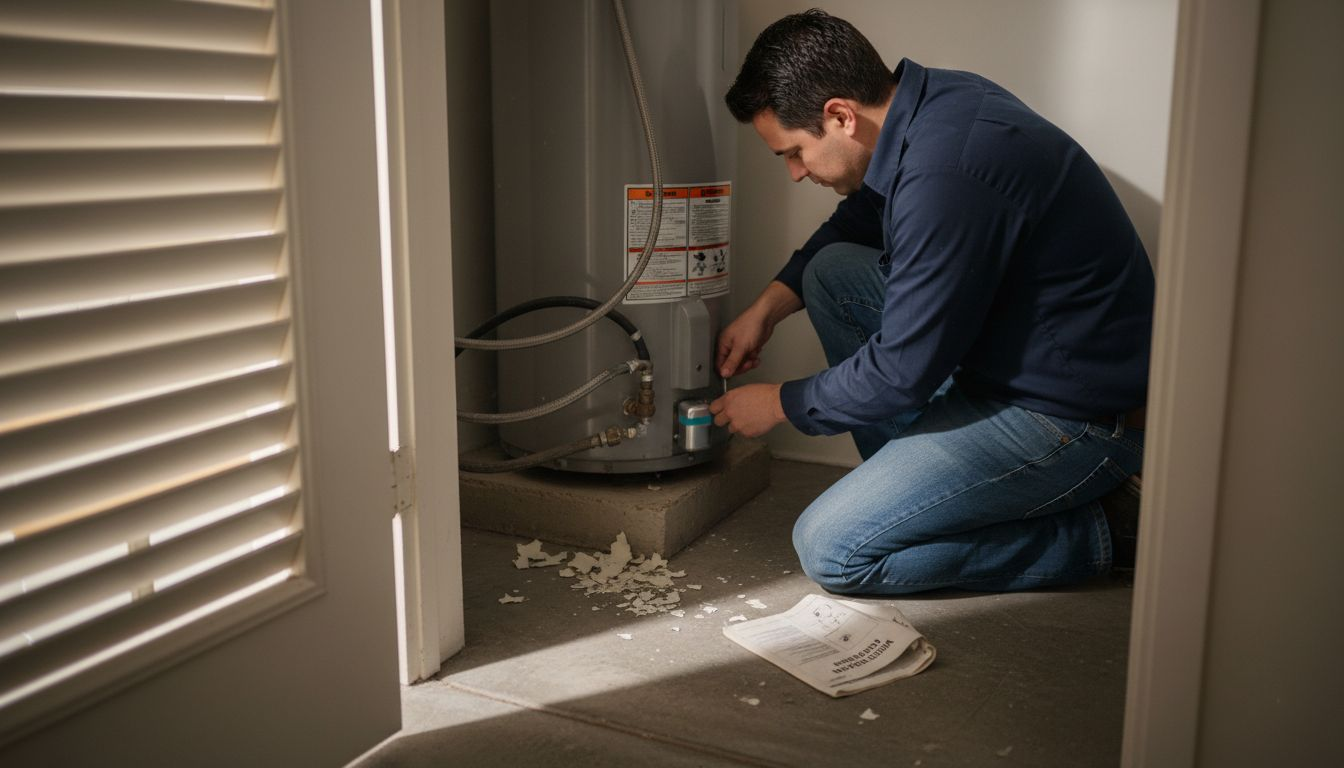
Your system becomes active immediately after installation completes. You’ll start receiving notifications about water usage patterns and any detected anomalies within hours, giving you visibility you likely never had before.
Compare manual vs. smart leak response approaches:
| Method | Response Time | Maintenance Effort | Damage Prevention Potential |
|---|---|---|---|
| Manual checks | Hours to days | High | Low |
| Smart system | Minutes | Low | High |
Smart leak detection systems transform you from reactive crisis management to proactive prevention—catching $5,000 leaks before they become $50,000 disasters.
Pro tip: Schedule your installation during lower-occupancy periods if possible, and brief your tenants beforehand about sensor placement in common areas—transparency reduces concerns and ensures they report actual leaks rather than avoiding communication about detected sensors.
Step 3: Configure real-time leak alerts and remote shutoff
With your monitoring equipment installed, you now need to set up the alert system and shutoff capabilities that actually protect your property. This step turns sensors into actionable intelligence by connecting them to notifications and automated responses.
Start by configuring your alert thresholds and notification settings. Most systems let you customize sensitivity levels so you’re notified about genuine leaks without false alarms from condensation or humidity spikes. Decide who receives alerts—you, your maintenance team, emergency contacts—and through which channels. Email, SMS, and push notifications ensure someone gets the message immediately when water is detected.
Set your alert criteria carefully. Configure the system to trigger alerts when sensors detect sustained moisture for more than a few seconds, not instantaneous wetness that might be a false positive. Real-time alert notifications allow your team to respond within minutes rather than hours, which makes the difference between catching a leak before it spreads and discovering damage weeks later.
Next, establish your remote shutoff protocol. If your system includes automated water shutoff valves, you’ll configure whether the system automatically closes valves when major leaks are detected, or whether it sends you an alert to manually trigger shutoff. For multifamily properties, automated shutoff often prevents catastrophic damage but requires careful planning to avoid cutting off water to unaffected units.
Consider these configuration priorities:
- Designate primary and backup alert recipients
- Set moisture detection sensitivity appropriate for your building type
- Define shutoff triggers (automatic, manual, or tiered response)
- Establish communication protocols for tenant notifications
- Test alert delivery to confirm messages reach the right people
- Schedule regular system checks to verify connectivity
IoT-enabled leak detection systems with automated response work best when you’ve planned your response workflow beforehand. Know exactly who calls whom and what actions happen at each alert level.
Once configured, your system should send you a test alert within 24 hours to confirm everything works. Most property managers run a simple test by deliberately triggering a sensor to verify notifications arrive as expected.
A perfectly installed system with poorly configured alerts is just an expensive decoration—the configuration determines whether your system saves you money or sits silent while leaks destroy your building.
Pro tip: Start with conservative alert sensitivity and manual shutoff settings, then adjust after 2-3 weeks of real-world operation once you understand your building’s normal moisture patterns and false positive triggers.
Step 4: Verify system accuracy and monitor ongoing activity
Your system is now live, but accuracy verification and ongoing monitoring separate systems that actually work from expensive decorations collecting dust. This step ensures your sensors detect real leaks reliably and your data remains trustworthy over time.
Begin by running deliberate test cycles during your first two weeks. Trigger sensors intentionally by introducing moisture to verify they detect it and send alerts as configured. Test your remote shutoff valve if equipped by running it through open and close cycles without water pressure. Document results so you have a baseline for normal system behavior.
Review your alert logs weekly for the first month. Look for patterns in what triggers alerts and whether you’re getting false positives from humidity spikes or actual water issues. Anomaly detection methodologies help distinguish between normal background moisture and genuine leak signatures. Adjust sensitivity settings based on what you observe in real operation.
Monitor water consumption data alongside leak alerts. Compare your system’s readings against your municipal water bills to verify accuracy. Significant discrepancies suggest either a real leak your system hasn’t yet caught or a sensor calibration issue requiring adjustment. Track trends—if your daily usage suddenly jumps 20 percent, investigate immediately.
Here’s your ongoing verification and monitoring routine:
- Review alert logs and water usage data weekly for the first month
- Switch to monthly reviews once patterns stabilize and false positives diminish
- Test sensor responsiveness quarterly with deliberate moisture triggers
- Verify remote shutoff valve operation twice yearly
- Check system connectivity and power status monthly
- Calibrate meters if readings drift from municipal utility data
Establish quality assurance practices. Continuous data validation and capacity development ensure your system stays reliable over years of operation. Document maintenance activities, sensitivity adjustments, and any hardware replacements in a simple log.
Your monitoring dashboard should become your trusted water management tool. Most property managers check it daily for new alerts and weekly for usage trends, catching problems before tenants even notice wet walls.
System accuracy degrades silently without verification—a sensor that worked perfectly on installation day might drift in sensitivity six months later, leaving you unprotected when you need it most.
Pro tip: Set a calendar reminder for quarterly sensor tests and annual calibration checks; treat these like safety inspections rather than optional maintenance, and your system will catch leaks reliably for years.
Protect Your Multifamily Property with Smart Water Leak Monitoring Solutions
Water leaks can cause devastating damage and costly compliance issues for property managers managing multifamily buildings in California. This article highlights the critical need for thorough property assessments, strategic sensor placement, real-time leak alerts, and ongoing system verification to prevent hidden water loss and regulatory penalties. Managing Title 24 compliance, minimizing water damage risks, and maintaining transparent tenant billing demand an intelligent, proactive solution.
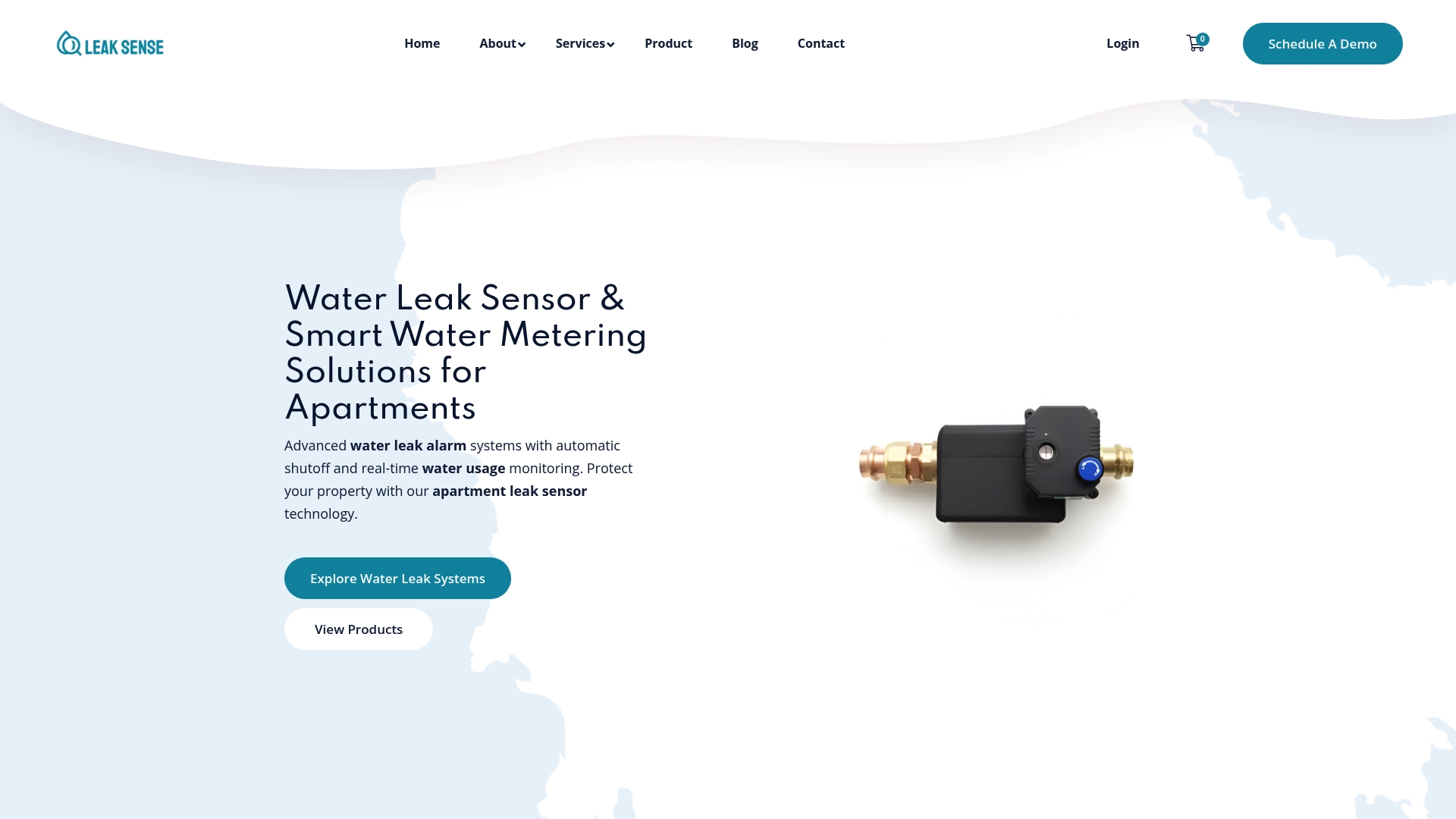
At Leaksense.io, we specialize in delivering cutting-edge IoT-enabled water leak detection and automated shutoff systems designed specifically for multifamily residential and commercial properties. Our services cover professional water meter installation and smart sensor deployment with tailored alert configuration and remote shutoff features. You gain instant leak detection, accurate water usage analytics, and tools to meet California’s strict water regulations while reducing costs and operational headaches.
Leverage technology trusted by property managers and investors to transform your leak response from costly emergencies into easy prevention. Take the first step by exploring how our expert team can help you customize your property’s leak monitoring system at Leaksense.io.
Ready to safeguard your property and comply confidently? Visit Leaksense.io today and schedule a consultation to discover your ideal smart water monitoring setup that protects your investment and tenants now.
Frequently Asked Questions
How do I assess my property’s water leak monitoring needs?
Start by documenting your property’s current water infrastructure, including the number of units and existing plumbing conditions. Then, review regulatory requirements in your area to ensure compliance with local water standards and decide on the best monitoring approach based on your specific property challenges.
What are the best practices for installing water leak monitoring equipment?
To install your water leak monitoring equipment, begin by selecting strategic sensor placements at building entry points and high-risk areas like bathrooms and kitchens. Ensure professional installation so that the system integrates correctly with your property’s infrastructure and minimizes the risk of false alerts.
How can I configure real-time leak alerts effectively?
Configure your alert system by setting sensitivity levels for moisture detection and specifying who receives notifications via email or SMS. Designate response protocols, such as whether to trigger automated shutoff valves, to ensure immediate action is taken when leaks are detected.
What steps should I take to verify the accuracy of my leak monitoring system?
Run deliberate test cycles to ensure all sensors are detecting moisture accurately and sending alerts as expected. Review alert logs and water usage data weekly for the first month, adjusting settings as needed to minimize false positives or miscalibrated sensors.
How often should I perform maintenance checks on the leak monitoring system?
Schedule regular maintenance checks on the leak monitoring system, including quarterly testing of sensors and biannual verification of remote shutoff valves. This proactive approach will help ensure your system remains accurate and effective in preventing water damage.