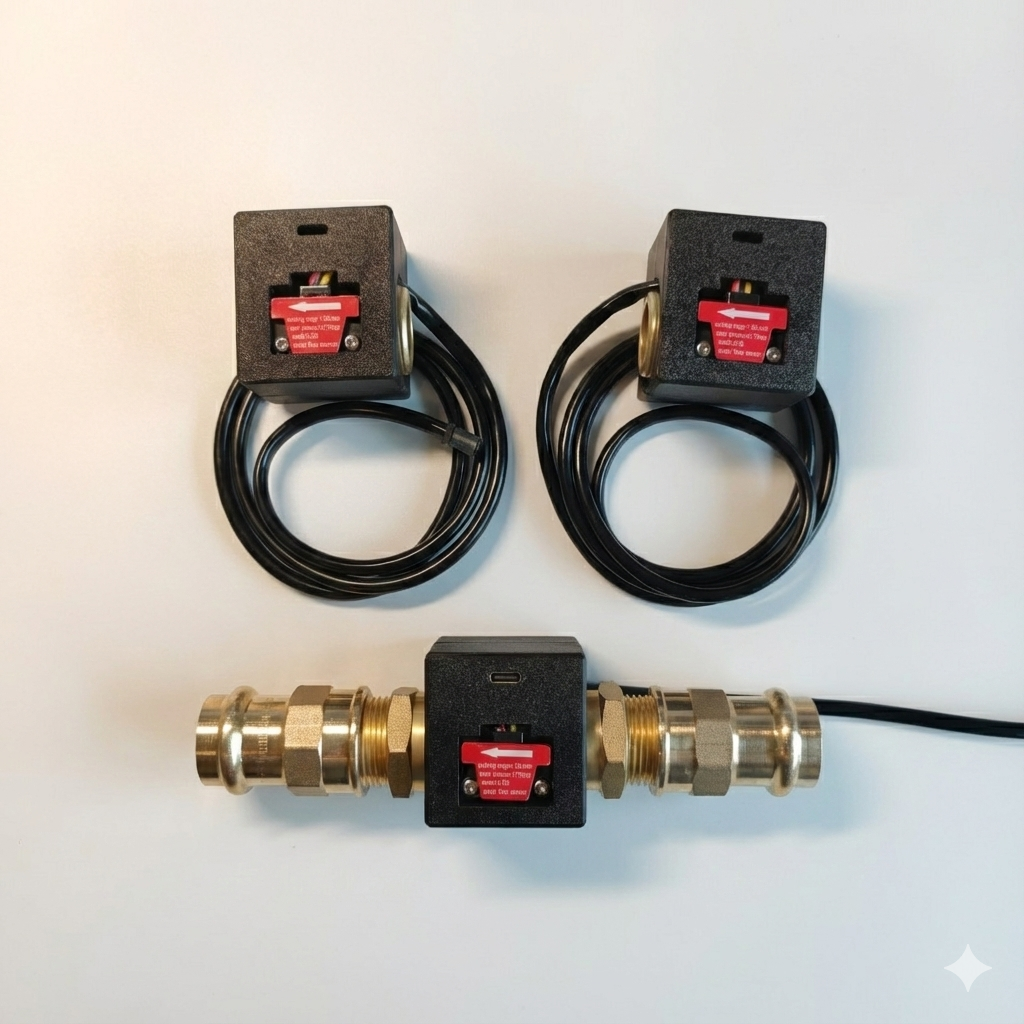
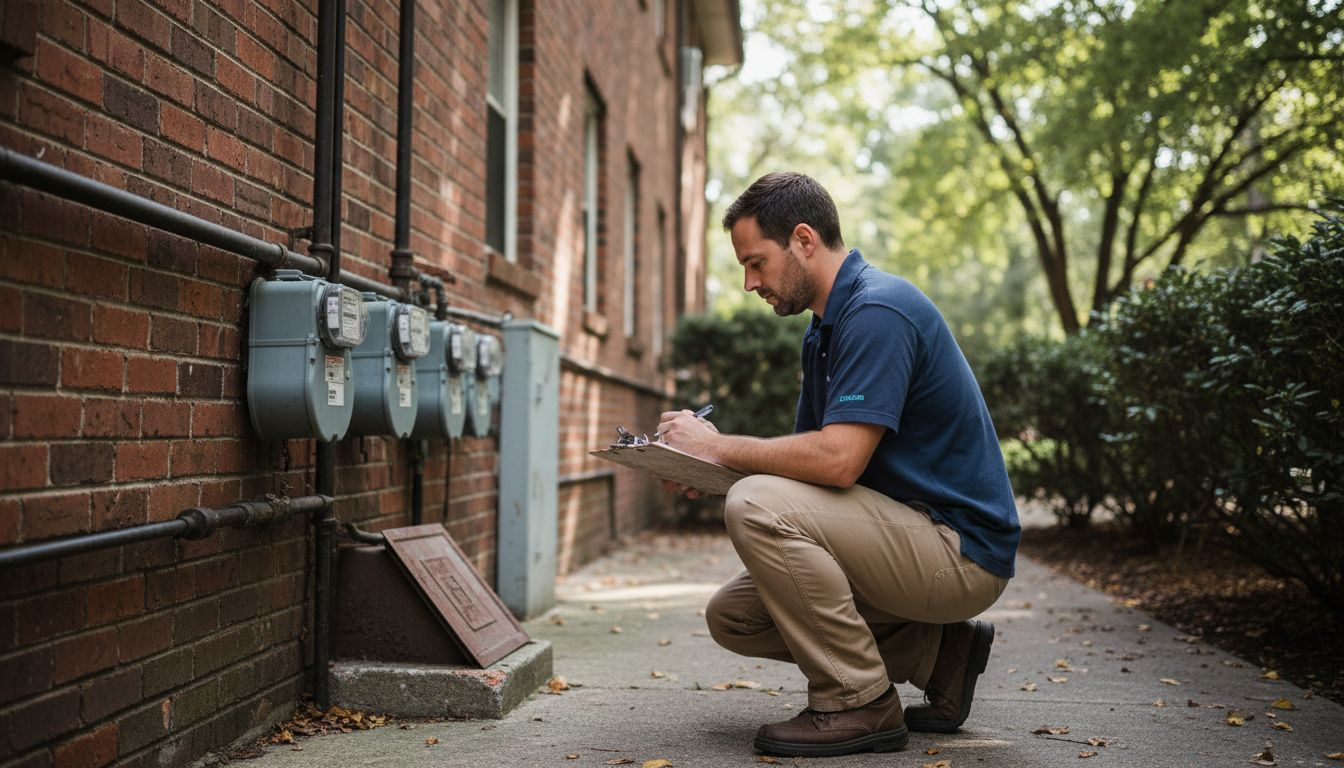
Every California property manager knows the costs of wasted water can add up fast. With Title 24 regulations setting clear conservation standards, tracking water usage isn't just smart business it's mandatory. For multifamily properties, water metering is the practice of measuring water use by residential and commercial units and offers real-time data that quickly exposes leaks, inefficiencies, and billing disputes. Learn how the right metering technology protects your investment, saves money, and simplifies compliance.
Table of Contents
- Water Metering Defined For Properties
- Types Of Water Metering Technologies
- How Metering Drives Compliance And Accountability
- Key Benefits: Conservation And Cost Savings
- Risks Of Poor Metering And Common Mistakes
Key Takeaways
| Point | Details |
|---|---|
| Water Metering Importance | Accurate water metering is crucial for managing consumption, preventing waste, and ensuring compliance with California's water conservation regulations. |
| Smart Metering Benefits | Investing in smart meters enhances data accuracy and enables real-time monitoring, alerting property managers to issues before they escalate. |
| Submetering Advantage | Implementing submetering promotes accountability among tenants by linking charges directly to individual consumption, encouraging conservation. |
| Risks of Poor Metering | Inaccurate or improperly maintained meters can lead to financial losses and disputes; routine checks and professional installation are essential. |
Water Metering Defined for Properties
Water metering sounds technical, but it's really straightforward. At its core, water metering is the practice of measuring water use by residential and commercial units, allowing property owners and utilities to track consumption precisely. Think of it as a direct line to understanding exactly how much water flows through your building and where it goes. For multifamily properties, this visibility becomes your competitive advantage in managing costs and preventing waste.
Your water meter measures both volume and flow rate, giving you data points that matter. Traditional meters work mechanically, using spinning dials to track consumption in gallons or cubic meters. Modern meters use technologies like ultrasonic sensing and can be remotely read, meaning you get real-time information without sending someone to physically check a dial. This shift from mechanical to smart metering is transforming how property managers operate.
In multifamily properties specifically, you'll often encounter submetering. This means individual units have their own meters connected to a master meter at the property entrance. Instead of splitting water costs equally among all residents, submetering lets you charge tenants based on their actual consumption. This approach aligns incentives perfectly residents use less water when they see it on their own bill.
Why does this matter for California properties? The state's water scarcity makes conservation not just good business sense but a regulatory requirement. Water metering is a key component of public water resource management aimed at monitoring and eventually reducing water consumption. Title 24 compliance demands that you track water usage effectively. Without metering infrastructure, you're flying blind on one of your largest utility expenses.
The data from your meters also helps locate leakages before they become expensive disasters. A sudden spike in usage alerts you to potential problems within unit walls or common areas. Property managers who embrace metering don't just reduce their water bills they prevent the water damage claims that keep them up at night.
Pro tip: Start by identifying whether your property uses master metering or submetering, then verify your meter type is accessible for regular readings or remote monitoring to establish your baseline water consumption.
Types of Water Metering Technologies
Water meters come in several flavors, and knowing the difference matters when you're managing multifamily properties. The technology you choose affects accuracy, maintenance requirements, and how quickly you get consumption data. Modern multifamily properties benefit significantly from understanding what's available beyond the old mechanical dial meters.
Mechanical meters dominated for decades and remain common in many California properties. These meters use physical moving parts like oscillating pistons or nutating disc mechanisms to measure water flow. They're straightforward, reliable, and don't require power sources. However, mechanical meters require someone to physically walk to the meter to read the dial, which limits your real-time visibility into consumption patterns.
Ultrasonic and electromagnetic meter technologies represent the next generation of water measurement. Unlike mechanical meters with moving parts, these non-mechanical options use sensor technology to detect water flow without physical contact. Ultrasonic meters emit sound waves through water to measure velocity, while electromagnetic meters use magnetic fields. Both deliver superior accuracy, require minimal maintenance, and eliminate the need for mechanical components that eventually wear out.
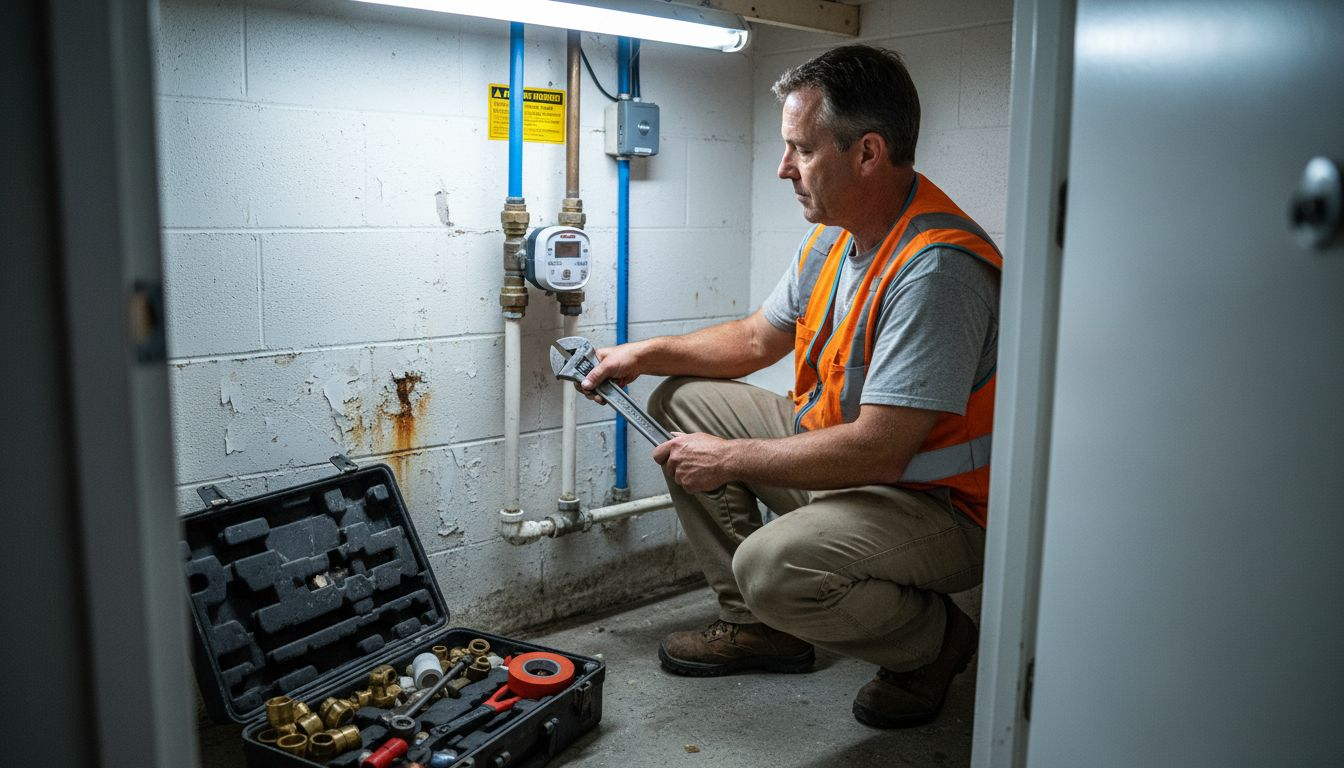
Smart metering represents the real game-changer for property managers. These IoT-connected smart meters transmit consumption data wirelessly to a central system, giving you real-time visibility. You can monitor usage patterns across your entire property, identify leaks instantly through anomalies, and respond before damage occurs. Smart meters integrate with building management systems and provide data that feeds into leak detection analytics.
For multifamily properties with submetering, smart technologies become invaluable. Each unit meter transmits data simultaneously, letting you track individual consumption and verify that billing reflects actual usage. This transparency also discourages water waste since residents see their consumption immediately rather than waiting for bills.
The investment in modern metering technology pays for itself through leak prevention and tenant billing accuracy. Properties using smart meters catch problems within hours instead of weeks, preventing catastrophic water damage that could cost tens of thousands of dollars.
Here is a comparison of water metering technologies and their business impact:
| Meter Type | Maintenance Required | Data Visibility | Business Advantage |
|---|---|---|---|
| Mechanical | High (annual checks) | Delayed (manual reads) | Low cost, simple installation |
| Ultrasonic | Low (minimal upkeep) | Near real-time (digital) | High accuracy, early leak detection |
| Electromagnetic | Low (minimal parts) | Real-time (digital) | Precision, less prone to wear |
| IoT Smart Meters | Very low | Real-time (remote access) | Leak alerts, billing accuracy, analytics |
Pro tip: When evaluating meter technologies for your property, prioritize systems offering both remote reading capability and integration with leak detection platforms to maximize damage prevention and billing accuracy.
How Metering Drives Compliance and Accountability
Water metering isn't just about tracking usage numbers. It's the backbone that connects your property operations to regulatory requirements and tenant accountability. Without accurate metering data, you're operating in the dark when it comes to compliance obligations and fair cost recovery.
California's regulatory environment demands transparency. Title 24 and other state regulations require properties to demonstrate water conservation efforts, and metering provides the documented evidence. When you install comprehensive metering systems, you create an auditable record showing exactly how much water your property consumes and where inefficiencies exist. This documentation becomes critical during compliance audits and when responding to state water conservation mandates.
Accurate metering underpins water audits, loss control, and fair billing practices that promote efficient water use. For multifamily properties, this means you can identify which units or common areas drive excessive consumption. You stop guessing about leak locations and start pinpointing problems with precision. When regulatory agencies review your water management practices, detailed metering records demonstrate your commitment to conservation.
Accountability flows both directions. Tenants who see their actual consumption through submetering develop stronger conservation habits. They understand the direct link between their behavior and billing. This transparency also protects you legally because billing reflects actual usage rather than arbitrary splits. Disputes over water charges disappear when residents can view their individual meter readings.
Modern metering with telemetry creates real-time accountability for your entire portfolio. Instead of monthly discoveries, you catch issues immediately. A sudden consumption spike triggers alerts, allowing you to locate and address problems before they escalate into code violations or water damage claims. This proactive stance aligns perfectly with regulatory expectations around responsible resource management.
Compliance becomes sustainable when metering data feeds into continuous improvement cycles. You identify trends, implement conservation upgrades, measure their impact, and report quantifiable results to regulators. This cycle demonstrates genuine accountability rather than one-time compliance checkboxes.
Pro tip: Document your baseline water consumption using metering data before implementing conservation measures, then track improvements over time to create a compelling compliance narrative for regulatory reporting.
Key Benefits: Conservation and Cost Savings
Water metering transforms from a compliance checkbox into a genuine financial tool when you understand its impact on your bottom line. The numbers are compelling. Large-scale metering programs reduce water consumption by approximately 22%, which translates directly into lower utility bills for your property. For multifamily owners in water-scarce California, this reduction represents substantial monthly savings across a 50-unit, 100-unit, or 300-unit portfolio.
The conservation piece matters more than many property managers realize. When residents see their individual water consumption through submetering, behavior changes naturally. They take shorter showers, fix leaks faster, and reduce wasteful habits. This isn't about mandates or lectures. It's about visibility. People conserve what they measure and pay for.
Beyond tenant-driven conservation, metering enables you to identify operational inefficiencies. A running toilet in a vacant unit, a leaking irrigation valve, or a malfunctioning hot water circulation pump becomes visible through consumption data. You catch these problems within days instead of months. Each repair prevents cascading costs from water damage and extends equipment life.
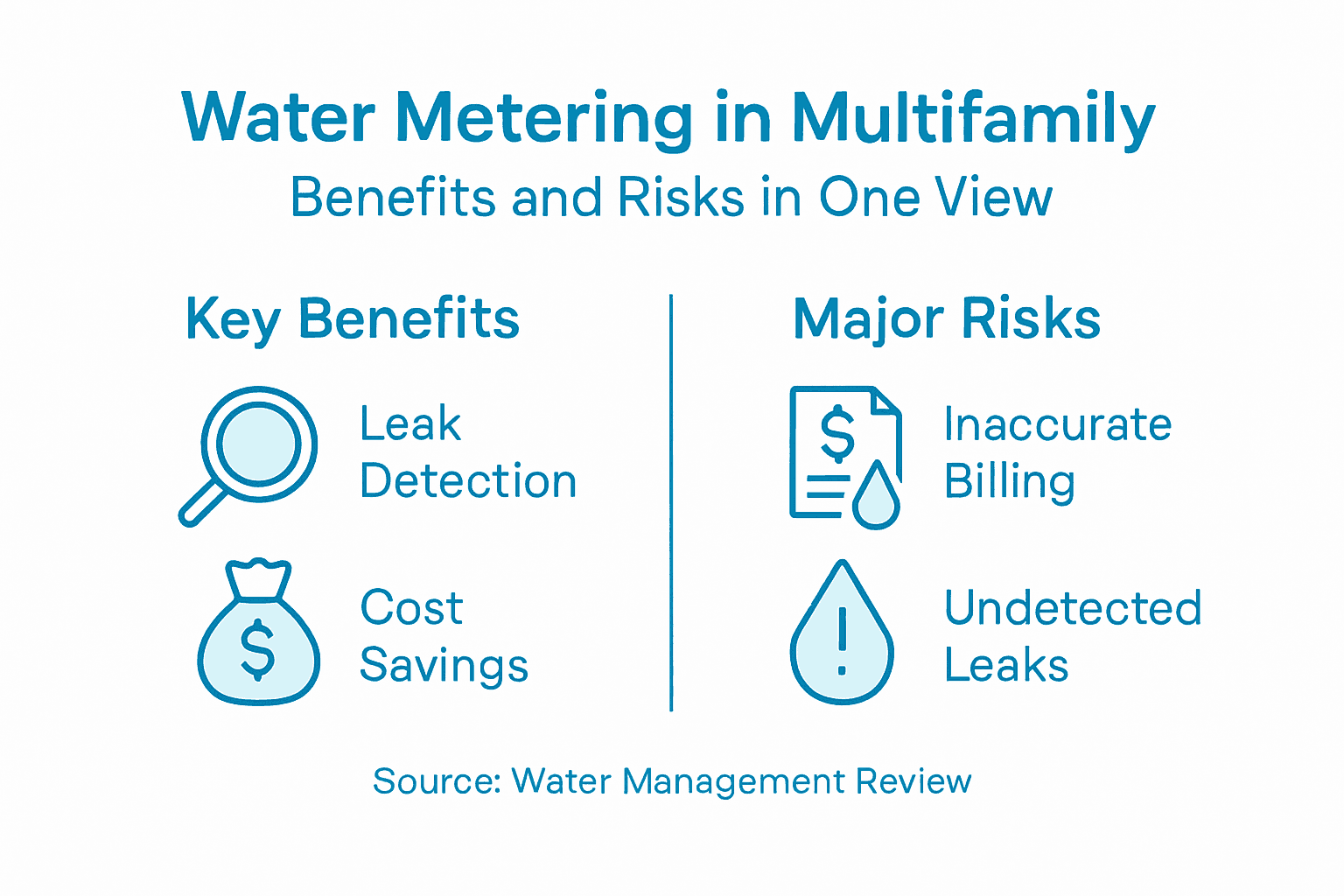
The financial return compounds quickly. Smart water metering delivers reduced water consumption, carbon emissions, and enhanced leak detection with a nearly two to one benefit-to-cost ratio. This means your investment in metering infrastructure pays for itself within months. Lower water bills, reduced damage claims, and improved operational efficiency create a powerful value proposition.
Submetering also protects your profit margins on rental income. Instead of absorbing rising water costs, you pass actual consumption charges to tenants. This prevents the squeeze where utility rates increase faster than rent. Your operating margins stay stable.
Water damage prevention represents the hidden financial benefit most owners underestimate. A single catastrophic leak can cost $50,000 to $150,000 in repairs, remediation, and potential liability claims. Smart metering with automatic alerts catches problems before they escalate, protecting your asset value and insurance premiums.
Pro tip: Calculate your property's annual water bill, multiply by 22% to estimate potential savings, then compare this to metering system costs to quantify your return on investment within the first year.
Risks of Poor Metering and Common Mistakes
Most multifamily owners assume their water meters work flawlessly. They don't. Faulty metering creates a cascade of problems that drain your budget while masking the real issues destroying your property.
Incorrect meter sizing tops the list of avoidable mistakes. Installing a meter designed for different flow rates produces wildly inaccurate readings. A meter sized for high-volume commercial use won't detect small leaks in residential units. Conversely, an undersized meter reads inconsistently at normal flow rates. This sizing error means your data becomes unreliable, and you can't trust consumption patterns or detect problems.
Poor installation positioning and failure to account for flow profile distortions cause systematic measurement errors. Meters installed in turbulent water areas, near elbows, or in unideal orientations read inaccurately. You're paying based on numbers that don't reflect reality. Tenants dispute charges. You lose revenue. Nobody wins.
Mechanical meters degrade over time. Age, sediment buildup, and mineral deposits reduce sensitivity and accuracy. A 10-year-old mechanical meter might read 15 to 20 percent low, meaning you're severely underestimating consumption. Metering errors from blockages and deposition on meter components compromise both water conservation and billing equity. Regular replacement and maintenance become non-negotiable if you want reliable data.
Failing to maintain your metering system creates blind spots exactly when you need visibility most. Without routine checks and calibration, you lose the ability to detect leaks, track conservation progress, or fairly bill tenants. The financial bleeding happens silently.
This summary outlines key risks associated with poor metering and best practices to prevent them:
| Major Risk | Impact on Property | Recommended Preventive Action |
|---|---|---|
| Incorrect meter sizing | Unreliable consumption data | Ensure correct meter selection |
| Faulty installation | Skewed billing, disputes | Professional setup and positioning |
| Aging or worn meters | Underreported usage | Scheduled meter replacement |
| Lack of calibration | Missed leaks, lost revenue | Annual calibration and verification |
The ripple effects compound. Inaccurate meters undermine your leak detection capabilities since anomalies become impossible to identify. Your smart metering investment fails to deliver. Tenant disputes escalate because billing doesn't match their perceived usage. Regulatory compliance suffers because your conservation documentation lacks credibility.
Pro tip: Schedule professional meter testing and calibration annually, and verify proper installation specifications during initial setup to prevent years of unreliable data and hidden revenue loss.
Take Control of Water Use and Protect Your Multifamily Property Today
Water metering is essential for multifamily property owners seeking accurate consumption tracking, leak detection, and regulatory compliance. The article highlights risks like inaccurate meters, wasted water, and costly damage caused by leaks that go unnoticed. If you face challenges such as unreliable billing, surprise water damage claims, or struggles meeting California's Title 24 requirements, you need a solution designed to provide real-time visibility and automated alerts.
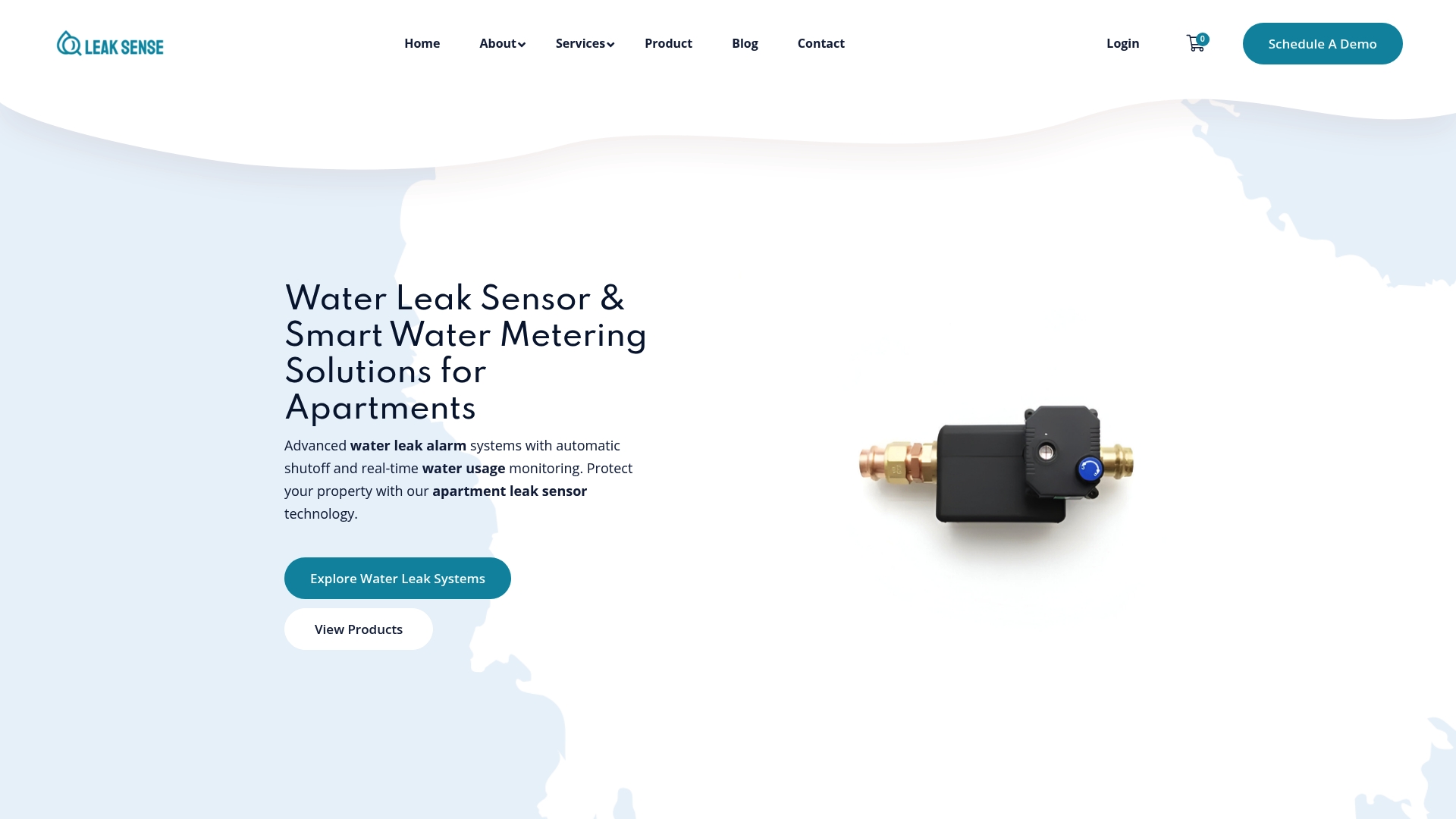
Leaksense.io offers a comprehensive smart water metering and leak detection platform tailored for multifamily residential and commercial properties. With IoT-enabled sensors, real-time water usage monitoring, and automatic shutoff capabilities, you can stop leaks before they cause damage and ensure your water billing is precise and transparent. Don’t let water issues drain your profits or compliance standing. Visit LeakSense.io to learn how easy it is to upgrade your property's water management and save both water and money now.
Frequently Asked Questions
What is water metering and why is it important for multifamily properties?
Water metering is the practice of measuring water use in residential and commercial units. It is important for multifamily properties as it allows landlords to track and manage water consumption accurately, leading to cost savings and effective usage monitoring.
How does submetering work in multifamily properties?
Submetering involves installing individual meters for each residential unit connected to a master meter at the property entrance. This setup allows landlords to charge tenants based on their actual water consumption rather than dividing the costs equally among all residents.
What are the benefits of using smart water meters instead of traditional mechanical meters?
Smart water meters provide real-time visibility of water consumption, enable remote monitoring, and quickly detect leaks, reducing maintenance costs. In contrast, traditional mechanical meters require manual readings, limiting access to timely usage data and problem detection.
How can water metering help with regulatory compliance?
Water metering provides accurate data that helps demonstrate water conservation efforts, fulfilling regulatory requirements. This data can be essential during compliance audits, allowing property owners to evidence their water management practices and identify inefficiencies.