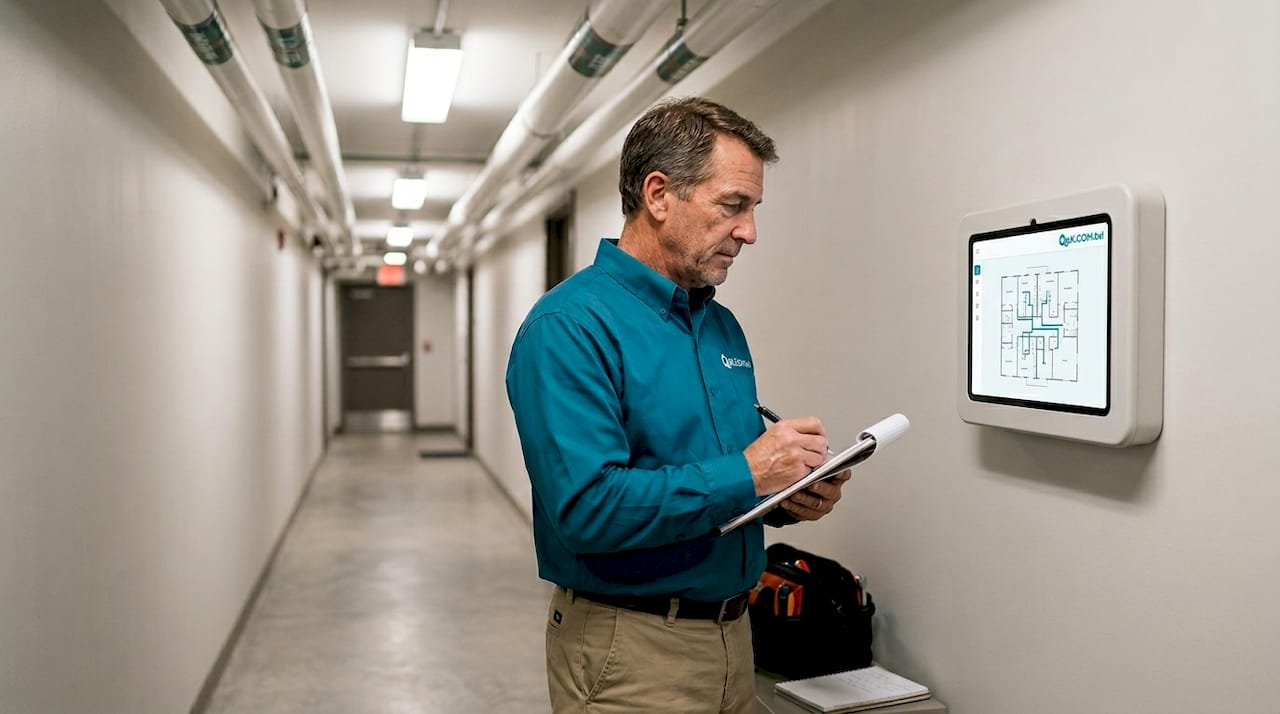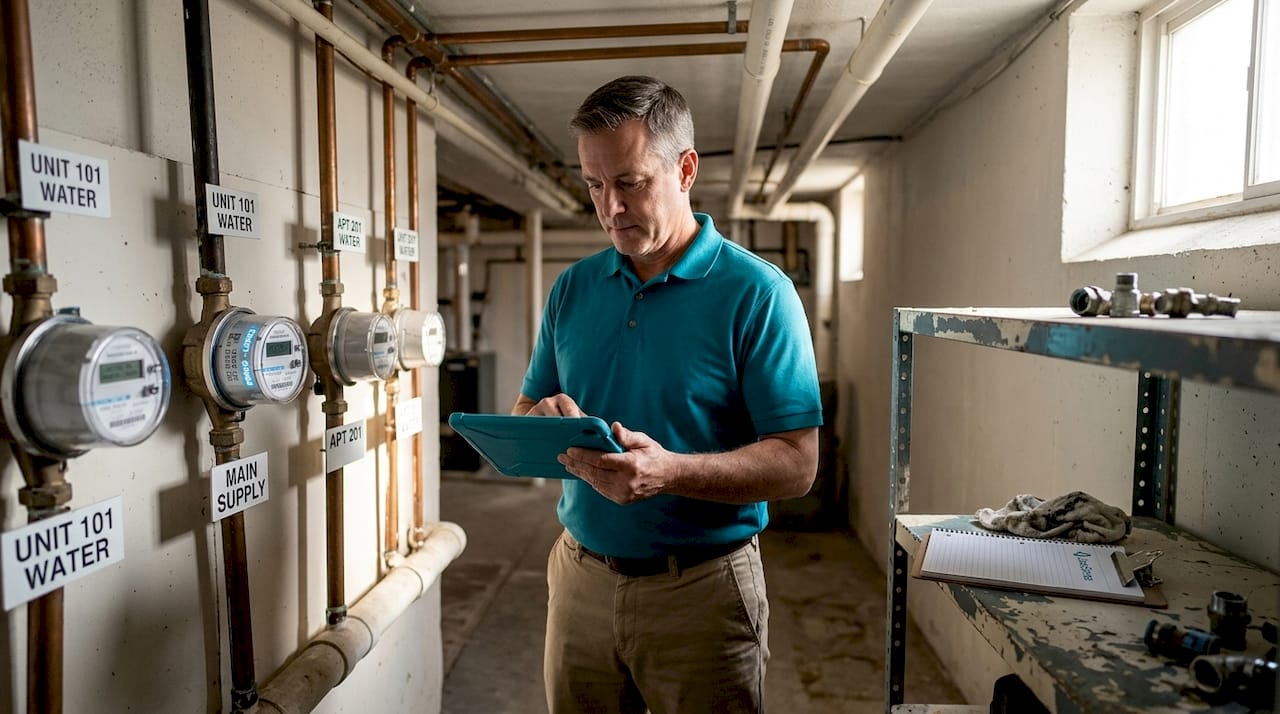
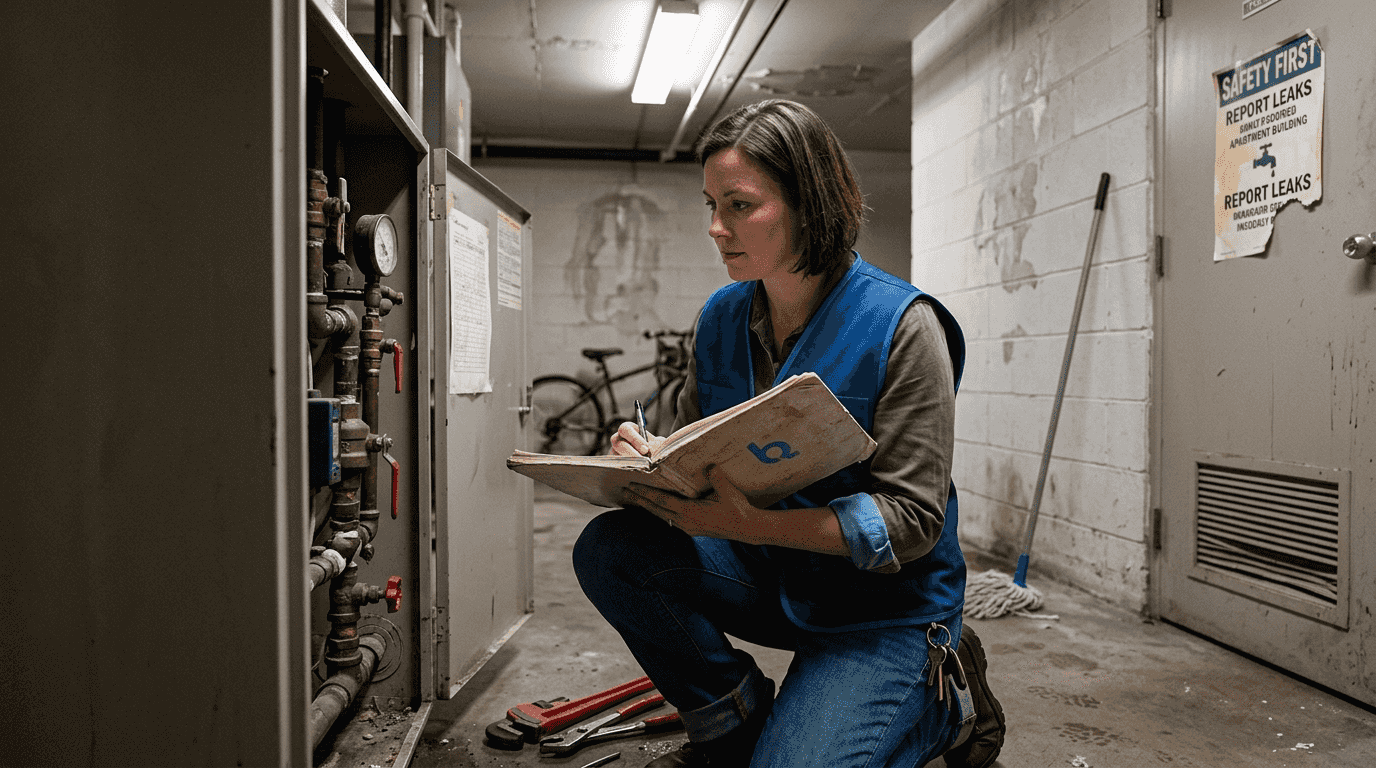
Property managers often blame aging infrastructure for water loss, but studies reveal that human error accounts for nearly 40% of preventable water waste in multifamily buildings. Mistakes during installation, delayed leak responses, and inadequate monitoring create cascading problems that drain budgets and damage properties. California property managers face additional pressure from stringent water regulations and rising utility costs. This guide explores how human mistakes contribute to water loss and delivers actionable strategies to minimize these errors through smart technology, staff training, and proactive management practices that protect your bottom line.
-
Understanding How Human Error Contributes To Water Loss In Multifamily Buildings
-
Common Human Errors Leading To Water Loss: Examples And Impact
-
Strategies To Minimize Water Loss From Human Error In California Multifamily Properties
-
Monitoring And Training Best Practices To Prevent Human Error Related Losses
Key takeaways
| Point | Details |
| Human error drives 40% of water loss | Installation mistakes, delayed responses, and monitoring gaps create significant waste in multifamily properties |
| Automated detection cuts damage 70% | Smart systems with automatic shutoff eliminate reliance on manual inspection and reduce response time |
| Staff training prevents costly mistakes | Regular protocol updates and scenario-based learning reduce oversight errors and improve response effectiveness |
| Compliance reduces regulatory risk | Following California water standards through systematic monitoring protects against penalties and supports sustainability |
Understanding how human error contributes to water loss in multifamily buildings
Human mistakes create more water loss than most property managers realize. While mechanical failures get attention, the errors people make during installation, maintenance, and monitoring often cause greater long-term damage. Improper plumbing installation and delayed detection rank among the top contributors to preventable water waste in California multifamily properties.
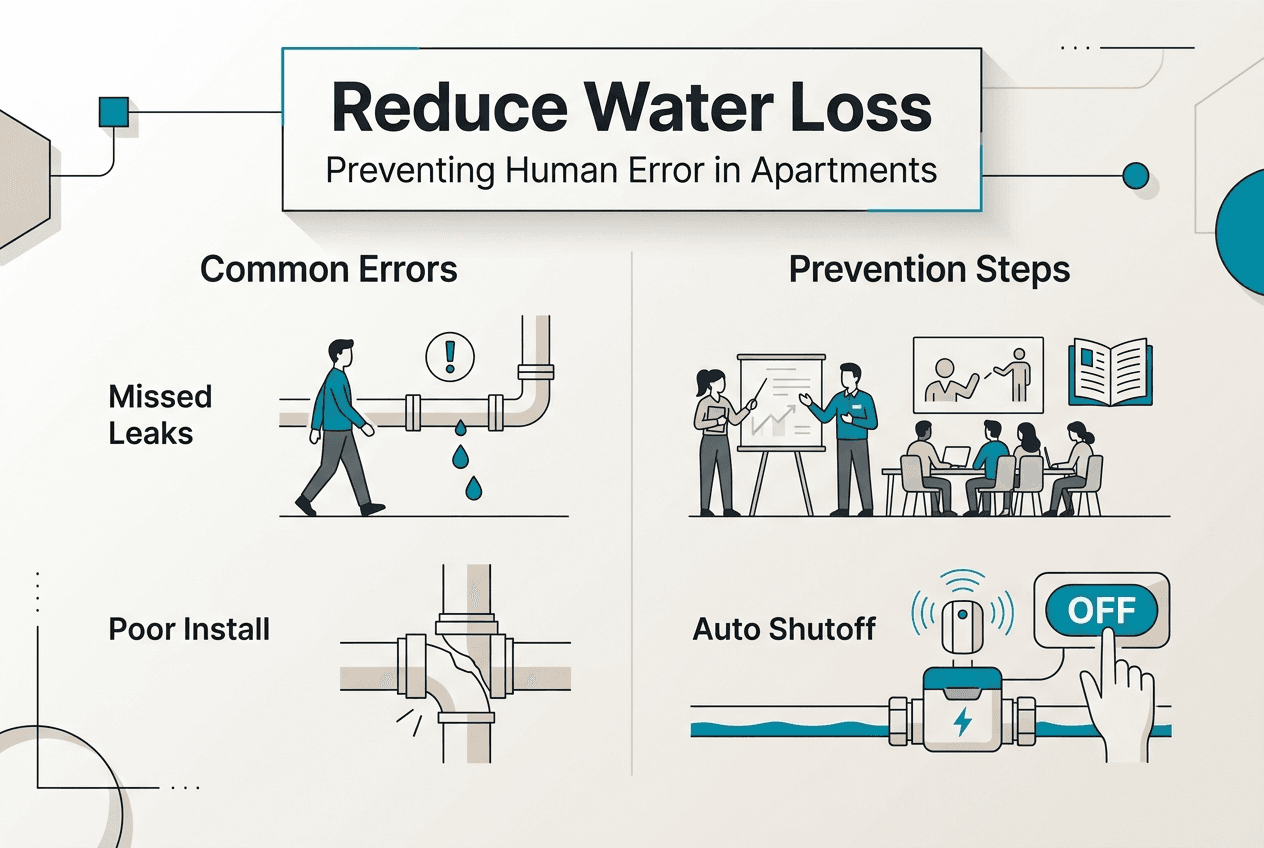
Installation errors happen when contractors rush jobs or lack proper training. A pipe fitted with incorrect pressure ratings can fail within months. Fixtures installed without proper sealing create slow leaks that go unnoticed until significant damage occurs. These mistakes compound over time, turning minor issues into expensive repairs.
Neglect amplifies water loss dramatically. When staff ignore leak alerts or delay maintenance, small problems become catastrophes. A dripping faucet wastes 3,000 gallons annually, but a ignored toilet leak can waste 200 gallons daily. Property teams without clear response protocols often prioritize visible issues while hidden leaks drain resources.
Lack of awareness creates blind spots in water management. Many maintenance staff lack training on modern plumbing systems or water-efficient fixtures. They may not recognize early warning signs of system stress or understand how small oversights cascade into major losses. Without systematic education, even experienced teams make preventable mistakes.
Pro Tip: Document every plumbing installation with photos and specifications. This creates accountability and helps future maintenance teams understand system configurations, reducing errors from unfamiliarity.
Understanding these error types helps you focus prevention efforts where they matter most. The next section examines specific mistakes and their real-world impact on your properties.
Common human errors leading to water loss: examples and impact
Specific mistakes create measurable consequences for multifamily properties. Recognizing these patterns helps you implement targeted solutions that address your most vulnerable areas.
-
Incorrect pipe installation causes immediate and delayed failures. Contractors who use incompatible materials or ignore manufacturer specifications create weak points that fail under normal pressure. Cross-threaded connections leak from day one. Pipes installed without proper support sag over time, stressing joints until they crack.
-
Delayed response to leak alerts turns minor issues into disasters. Properties without 24/7 monitoring protocols often discover leaks only after tenants complain or water bills spike. Each hour of delay allows thousands of gallons to escape. Weekend leaks frequently cause the most damage because response teams aren’t available.
-
Skipped maintenance protocols accelerate system degradation. When teams postpone valve inspections or ignore scheduled pipe checks, small problems grow silently. Corroded connections that could be replaced during routine maintenance instead fail catastrophically, flooding units and requiring emergency repairs at triple the cost.
-
Compliance oversights create regulatory and financial risks. California water regulations require specific monitoring and reporting practices. Properties that skip documentation or ignore Title 24 requirements face penalties and lose insurance benefits. These administrative errors cost more than the compliance measures themselves.
“Enhanced leak detection with 95% accuracy cuts water damage by 70%, demonstrating how technology eliminates human detection failures.”
The financial impact is staggering. A single undetected toilet leak costs $2,000 annually in wasted water. Multiply that across 50 units and factor in property damage from delayed responses, and human error easily generates $100,000+ in preventable losses per property each year. Effective leak detection systems eliminate most of these costs by removing human judgment from the detection equation.
These examples reveal a pattern: most water loss from human error stems from gaps in systems rather than individual negligence. The solution lies in building processes that catch mistakes before they become expensive problems.
Strategies to minimize water loss from human error in California multifamily properties
Reducing human error requires layered strategies that combine technology, training, and systematic oversight. California property managers need approaches that address both immediate risks and long-term operational improvements.
Automated leak detection with automatic shutoff eliminates the most critical failure point in water management. These systems monitor flow patterns 24/7, detecting anomalies that humans miss. When a leak occurs, automatic valves shut off water supply within seconds, preventing the catastrophic damage that happens during delayed manual responses. This technology removes human reaction time from the equation entirely.
Comprehensive staff training transforms your team from reactive responders to proactive managers. Effective programs cover proper installation techniques, early warning sign recognition, and emergency response protocols. Training should include hands-on practice with actual fixtures and systems. Monthly refreshers keep knowledge current as plumbing technology evolves. Teams that understand why procedures matter follow them more consistently.
Water analytics platforms provide the visibility needed for proactive management. Cloud-based systems track consumption patterns across units, flagging unusual usage that indicates leaks or inefficiencies. These platforms generate reports that satisfy California compliance requirements while giving you actionable insights. Real-time dashboards let you spot problems before they appear on utility bills.
-
Install smart sensors at high-risk points like water heaters, under sinks, and near washing machine connections
-
Create response protocols with specific timeframes for different alert types
-
Schedule quarterly system audits to catch degradation before failures occur
-
Implement digital maintenance logs that track all plumbing work and create accountability
Pro Tip: Pair automated detection with staff training for maximum effectiveness. Technology catches what humans miss, while trained teams handle complex situations that require judgment and experience.
California compliance support ensures you meet regulatory requirements without administrative burden. Title 24 mandates specific water efficiency standards and monitoring practices. Properties that integrate compliance into their water management systems avoid penalties while qualifying for insurance discounts and sustainability certifications. Following sustainable water management practices from construction through daily operations creates compound benefits.
The table below compares key strategies and their impact on reducing water loss from human error:
| Strategy | Implementation Cost | Error Reduction | ROI Timeline |
| Automated Detection | Moderate | 70-85% | 12-18 months |
| Staff Training Program | Low | 40-60% | 6-12 months |
| Water Analytics Platform | Moderate | 50-70% | 12-24 months |
| Compliance Management | Low | 20-30% | 6-12 months |
External innovations like smart irrigation optimization demonstrate how technology reduces waste in related water systems. These principles apply equally to indoor plumbing management.
Implementing these strategies systematically creates resilient water management that withstands human imperfection. The next section details specific monitoring and training practices that sustain these improvements over time.
Monitoring and training best practices to prevent human error related losses
Sustaining low error rates requires ongoing attention to monitoring systems and staff capabilities. Properties that treat water management as a continuous improvement process consistently outperform those relying on reactive approaches.
Manual monitoring depends entirely on human diligence, creating vulnerability to oversight and fatigue. Staff must physically inspect fixtures, read meters, and interpret data. This approach catches obvious problems but misses subtle patterns indicating developing issues. Manual systems also suffer from inconsistent execution as priorities shift or staff turnover occurs.
Automated monitoring operates continuously without human intervention. Sensors track flow rates, pressure changes, and consumption patterns every second. Automatic alerts notify teams immediately when anomalies occur, eliminating detection delays. These systems never forget to check a meter or overlook a gradual increase in baseline consumption. The contrast is stark: manual monitoring catches 40-60% of leaks before significant damage, while automated systems catch 95%+.
Timely alerts make the difference between minor repairs and major disasters. Systems configured with appropriate thresholds send notifications through multiple channels: text, email, and dashboard alerts. Response protocols should specify who receives which alerts and expected action timeframes. Weekend and holiday coverage requires special attention since many catastrophic leaks occur when properties are understaffed.
| Monitoring Approach | Detection Rate | Average Response Time | Annual Cost Per Unit |
| Manual Inspection | 45% | 8-24 hours | $150 |
| Automated Sensors | 95% | Under 5 minutes | $200 |
| Hybrid System | 85% | 30-60 minutes | $175 |
Continuous training prevents skill degradation and keeps teams current with evolving technology. Effective programs include:
-
Quarterly hands-on workshops covering new fixtures and detection tools
-
Scenario-based exercises that simulate leak emergencies and test response protocols
-
Certification programs that validate competency and create professional development paths
-
Knowledge sharing sessions where experienced staff teach newer team members
Integrating monitoring with sustainable building practices creates multiple benefits. Properties that track water usage support LEED certification efforts while identifying conservation opportunities. Tenants appreciate transparency about water efficiency, and detailed usage data facilitates accurate billing. This integration transforms water management from a cost center into a value driver.
Cloud-based water analytics elevate monitoring beyond simple leak detection. These platforms analyze consumption trends, predict maintenance needs, and benchmark performance against similar properties. Real-time dashboards give property managers instant visibility into system health. Historical data reveals patterns that inform capital planning and renovation priorities. The insights gained from comprehensive analytics help you make smarter decisions about where to invest in improvements.
Pro Tip: Create a monthly water management scorecard that tracks key metrics like leak response time, training completion rates, and cost per unit. Share results with your team to build accountability and celebrate improvements.
These practices work together to create a culture where water conservation and error prevention become habits rather than special efforts. Properties that embed these approaches into daily operations see sustained reductions in water loss and maintenance costs.
Explore LeakSense solutions for better water loss control
Reducing water loss from human error requires tools designed specifically for multifamily properties. LeakSense delivers integrated solutions that address the challenges California property managers face daily.
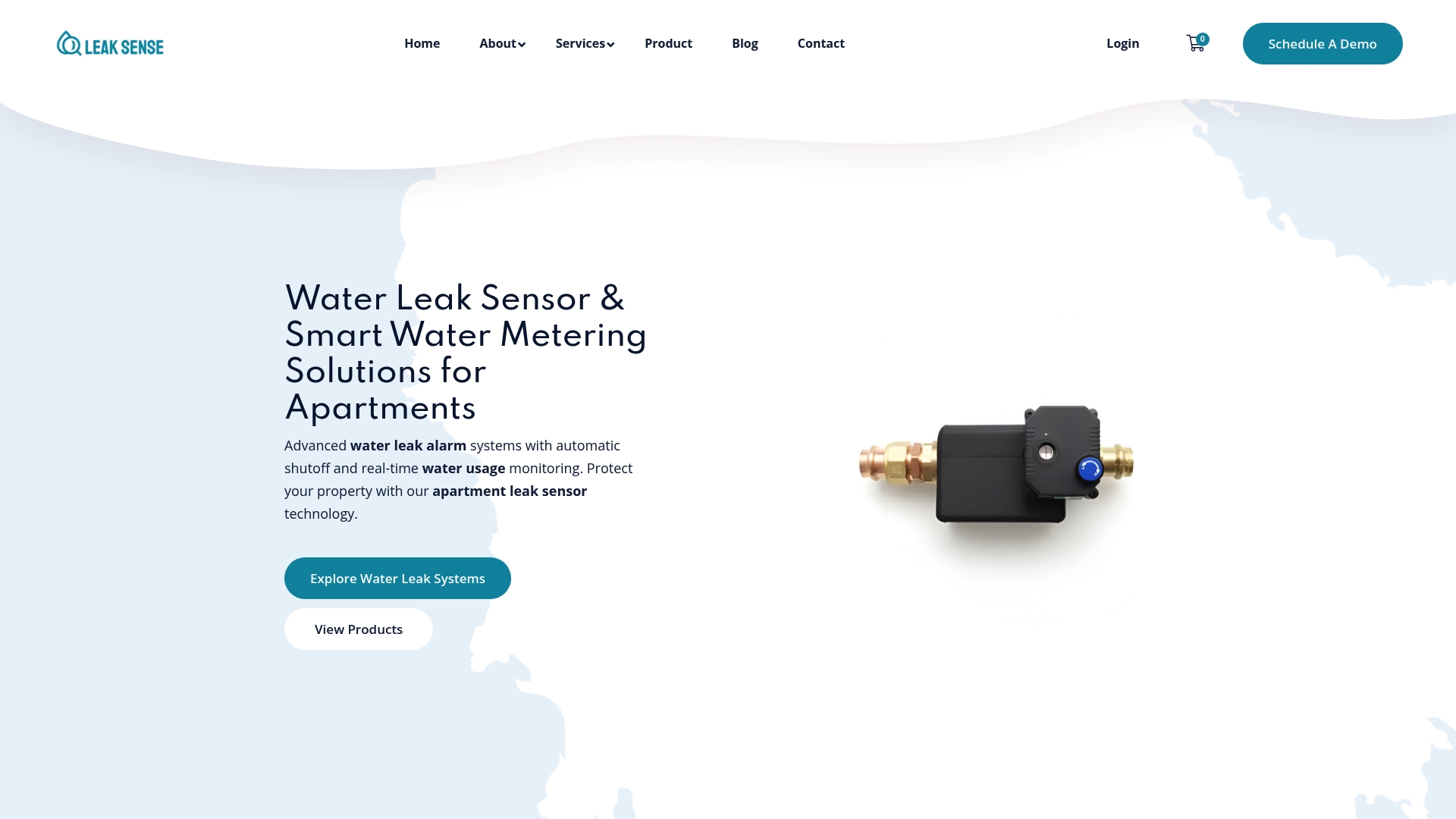
Our automatic leak detection systems combine IoT sensors with intelligent shutoff valves that stop leaks within seconds of detection. This eliminates the costly delays inherent in manual monitoring and response. Properties using our technology report 70% reductions in water damage costs and dramatically lower insurance claims.
Smart water metering provides unit-level visibility that manual systems cannot match. Accurate consumption data supports fair tenant billing while identifying usage anomalies that indicate leaks or inefficiencies. Our meters integrate seamlessly with property management software, streamlining operations.
The water analytics platform transforms raw data into actionable insights. Cloud-based dashboards show real-time system status, historical trends, and predictive maintenance alerts. California compliance reporting becomes automatic rather than a monthly administrative burden. Property managers gain the visibility needed to manage proactively rather than react to crises.
Partnering with LeakSense means working with California water management specialists who understand your regulatory environment and operational challenges. Our solutions help you reduce waste, lower costs, and protect properties from the expensive consequences of human error.
FAQ
What are the most common human errors causing water loss in multifamily buildings?
The most frequent mistakes include improper fixture installation, delayed responses to leak alerts, skipped maintenance schedules, and inadequate monitoring protocols. Installation errors like incorrect pipe fittings or poor sealing create immediate vulnerabilities. Response delays turn minor leaks into major damage, especially during weekends when staff availability is limited. Many of these errors result from inadequate training or unclear procedures rather than negligence.
How can automated leak detection reduce the impact of human error?
Automated systems detect leaks within seconds using continuous flow monitoring, eliminating the delays inherent in manual inspection. When anomalies occur, smart valves automatically shut off water supply, preventing the catastrophic damage that happens during delayed human responses. These systems operate 24/7 without fatigue or oversight, catching 95% of leaks compared to 45% detection rates for manual monitoring. By removing human reaction time from the equation, automated detection transforms water management from reactive to proactive.
What training approaches best prevent human error in water management?
Effective training combines regular hands-on workshops with scenario-based learning that simulates real leak emergencies. Quarterly sessions keep staff current with new fixtures and detection technologies. Clear response protocols with specific timeframes create accountability and reduce confusion during actual emergencies. Certification programs validate competency while creating professional development opportunities that improve retention. The most successful properties treat training as continuous improvement rather than one-time events.
How does compliance with California water regulations reduce operational errors?
Systematic compliance creates structured processes that catch errors before they become problems. Title 24 requirements mandate specific monitoring and documentation practices that force regular system attention. Properties following these standards develop habits of proactive maintenance and detailed record keeping. Compliance also qualifies properties for insurance discounts and sustainability certifications, creating financial incentives for error reduction. The discipline required for regulatory compliance naturally reduces the oversight and neglect that cause most water loss.