TL;DR:
- California property managers must comply with CALGreen and CII regulations through regular audits and updates.
- Water audits identify leaks, behavioral waste, and help optimize smart metering investments.
- Building a culture of continuous monitoring and proactive maintenance is key to effective water management.
The gap between top and bottom performers in multifamily water use is staggering: the worst buildings consume over 10 times more water than the best. For California property managers, that gap is not just an operational inefficiency. It is a financial liability, a compliance risk, and a signal that reactive maintenance is costing you more than you realize. This checklist walks you through the four pillars of a strong smart water management program: understanding regulations, auditing your current use, deploying the right technology, and building a system that improves over time. Follow these steps and you will reduce risk, lower costs, and stay ahead of California’s increasingly strict water standards.
- Understand your regulatory requirements
- Conduct a comprehensive water audit
- Invest in smart metering and leak detection
- Maintain and optimize your water management program
- Why checklists alone won’t future-proof your property
- Simplify compliance and protection with LeakSense solutions
- Frequently asked questions
Key Takeaways
| Point | Details |
|---|---|
| Regulatory compliance first | Start by understanding California’s key water use regulations before taking action. |
| Annual audits are vital | Routine water audits catch costly leaks and benchmark performance against the best-managed buildings. |
| Invest in smart tech | Smart meters and leak detection save money, simplify compliance, and protect your property. |
| Maintain for lasting results | Continuous monitoring and education ensure efficiency gains are permanent, not temporary. |
Understand your regulatory requirements
Every effective smart water management plan starts with knowing what the law requires. California has two major regulatory frameworks that directly affect multifamily and commercial property managers.
CALGreen (California Green Building Standards Code) sets specific performance targets for both indoor and outdoor water use. Indoors, it regulates fixture flow rates for toilets, faucets, and showerheads. Outdoors, it requires irrigation systems to perform up to 50% below baseline. These are not suggestions. They are enforceable code requirements tied to building permits and inspections. Exploring sustainable building practices can help you align your property with CALGreen expectations before your next inspection.
CII Performance Measures (Commercial, Industrial, and Institutional) go further. They require water suppliers and large property operators to classify customers by type, identify the top 2.5% of high-water users, and implement prescribed Best Management Practices (BMPs). These BMPs cover pricing strategies, technology upgrades, and regular auditing.
“CII Best Management Practices require water suppliers to conduct audits, implement tiered pricing, and invest in technology upgrades to reduce consumption among high-use customers.”
Here are the common compliance steps California property managers should prioritize:
- Review fixture specifications against current CALGreen flow rate requirements
- Map your irrigation systems and verify they meet outdoor use reduction targets
- Identify your highest-use tenants or zones to satisfy CII segmentation requirements
- Document your water use data by meter, building, and unit type
- Schedule a compliance review before any major renovation or permit application
Building this regulatory foundation also gives you a performance baseline. Without it, you are managing water use in the dark. Reviewing water usage monitoring best practices gives you a practical framework to align your tracking with these regulatory targets from day one.
Conduct a comprehensive water audit
Once you know your regulatory targets, the next step is understanding your actual water use profile with a structured audit. A water audit is not just a meter reading. It is a systematic process that reveals where water goes, where it leaks, and where you are overpaying.
Commercial water audits consist of four phases: data collection, site visits, analysis, and action planning. Each phase builds on the last, so skipping steps produces incomplete results. Water usage can vary 5 to 13 times across similar building types, which means benchmarking your property against comparable buildings is essential to knowing whether your numbers are normal or alarming.
Here is a core audit checklist to follow:
- Gather 12 to 24 months of utility billing data broken down by meter and billing period
- Select high-use sampling zones such as laundry rooms, common bathrooms, and commercial kitchens
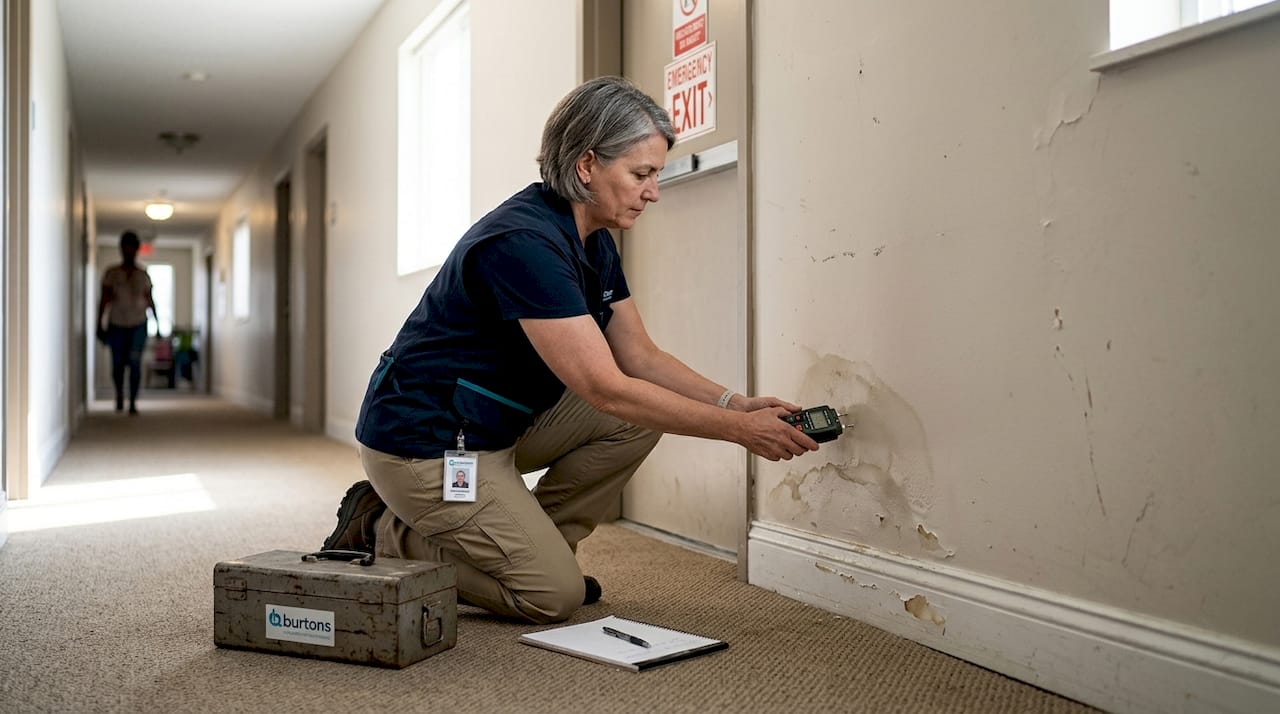
- Walk the site and inspect fixtures, irrigation controllers, cooling towers, and any process water equipment
- Compare your results to benchmarks using tools like ENERGY STAR Portfolio Manager or local utility data
- Analyze variance between expected and actual use to identify leaks, behavioral waste, or equipment failure
- Build an action plan that prioritizes fixes by payback period, starting with the fastest returns
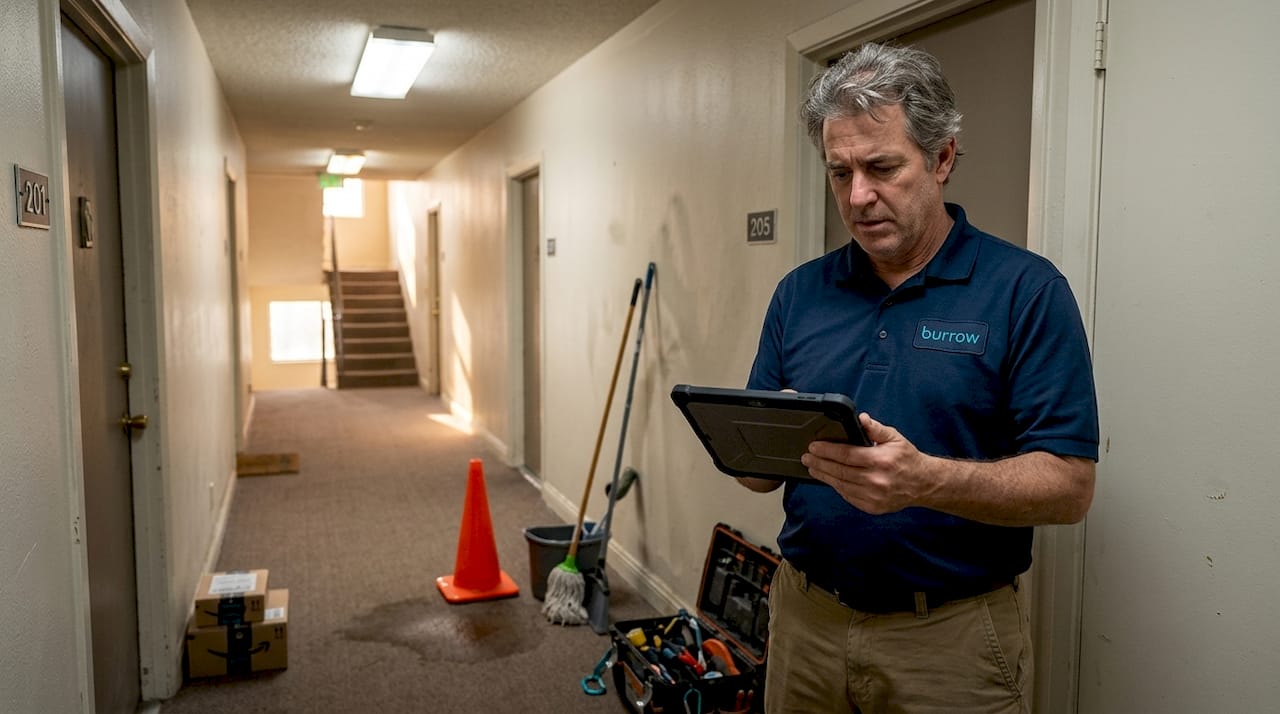
A well-executed audit often reveals hidden waste that no one noticed because no one was looking. Dripping faucets, running toilets, and irrigation timers left on seasonal schedules are common culprits. For a step-by-step water usage monitoring approach that integrates with your audit findings, structured guidance makes the process repeatable across multiple properties.
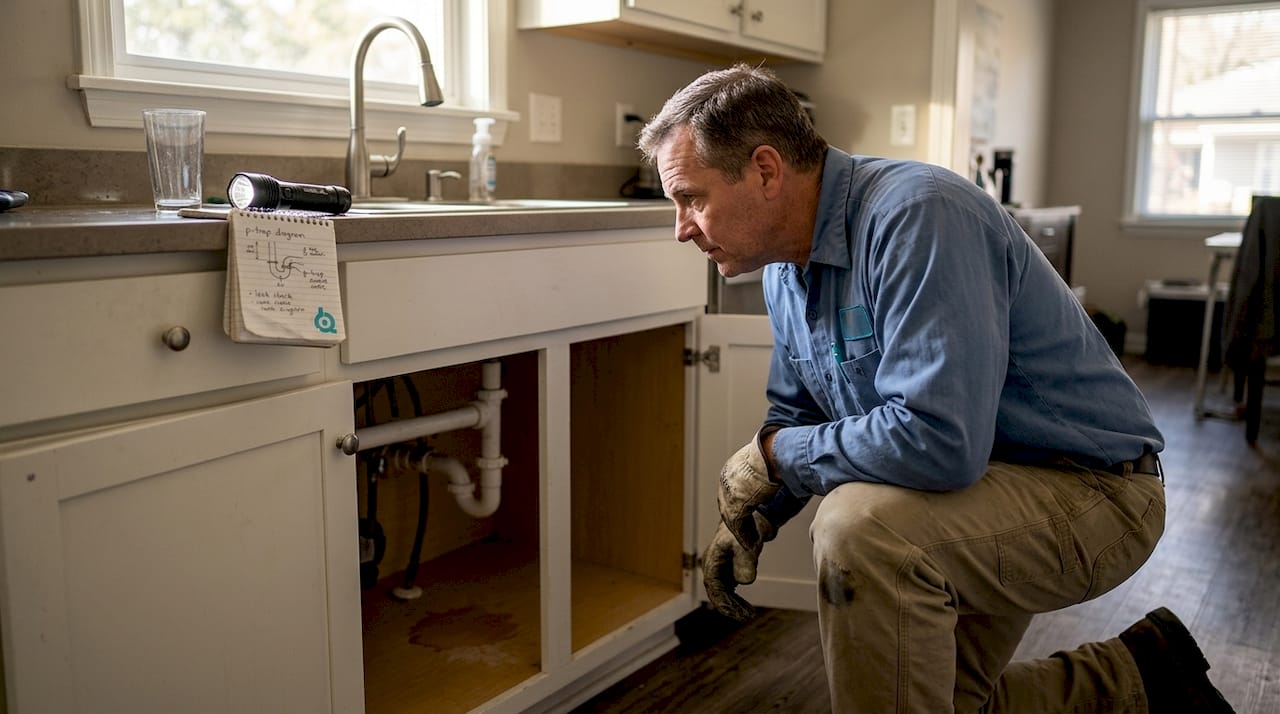
Pro Tip: Always sample both restrooms and kitchens during your site walk. These two zones account for a disproportionate share of indoor water use and are the most likely locations for undetected leaks. Reviewing leak detection steps before your site visit helps you know exactly what to look for.
Invest in smart metering and leak detection
A thorough audit may reveal gaps you can close with advanced tools. Smart meters and sensors give managers an edge that manual systems simply cannot match.
Smart water metering provides real-time usage data at the unit, floor, or zone level. When consumption spikes unexpectedly, the system sends an alert before the damage escalates. This is a significant shift from discovering a leak on a monthly bill weeks after it started. Submetering and technology upgrades are recognized Best Management Practices under CII regulations, meaning they also support your compliance documentation.
Benefits of smart leak detection for property managers:
- Prevents costly water damage to walls, flooring, and structural elements
- Generates automatic compliance records for regulatory reporting
- Reduces insurance premiums through demonstrated risk mitigation
- Supports accurate tenant billing by isolating individual unit usage
- Improves tenant retention by showing proactive property management
Here is how smart metering compares to manual approaches:
| Feature | Manual metering | Smart metering |
|---|---|---|
| Data frequency | Monthly reads | Real-time or hourly |
| Leak alerts | None | Automated, immediate |
| Usage analytics | Limited | Detailed by zone or unit |
| Compliance automation | Manual documentation | Automated reporting |
| Billing integration | Manual calculation | Direct data export |
| Tenant transparency | Low | High |
For a deeper look at how these systems work in practice, the smart water metering guide breaks down technology options by building type and scale. Understanding the full range of benefits of smart water sensors helps you build the business case for your ownership group or board.
Pro Tip: Many California utilities offer rebates for smart meter installations. Your insurer may also reduce premiums when you install certified leak detection systems. Both incentives can significantly shorten your payback period.
Maintain and optimize your water management program
Your upgrade is only as effective as the program behind it. Technology without process creates data no one acts on. Here is how to institutionalize smart water management for the long haul.
CII performance frameworks recommend recurring audits, regular reporting, and continued investment in technology upgrades as ongoing BMPs. This means water management is not a one-time project. It is a continuous operational discipline.
Follow this maintenance schedule to keep your program effective:
- Annual water audits focused on high-use zones and any areas flagged in the previous year
- Monthly smart data reviews to catch usage trends before they become problems
- Quarterly staff training on leak reporting procedures and conservation protocols
- Biannual fixture inspections to verify that aging equipment still meets CALGreen standards
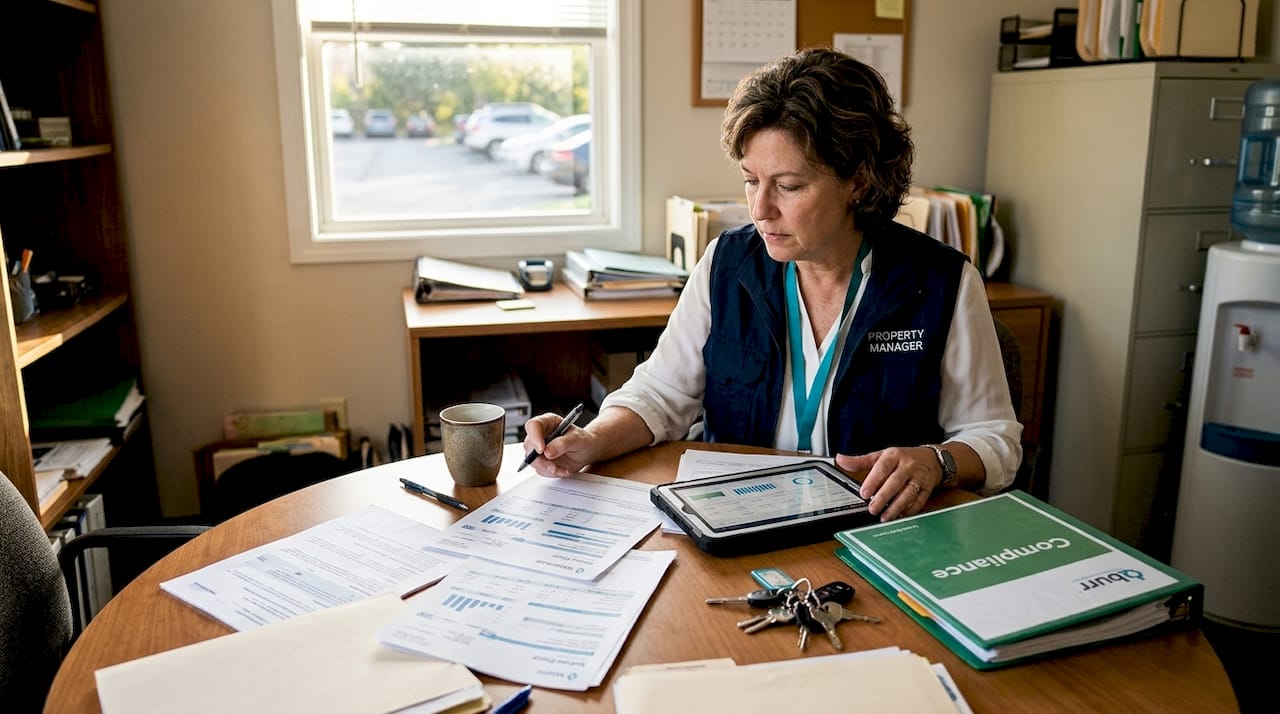
- Ongoing record keeping of all meter data, audit reports, and corrective actions taken
Here is how manual and automated maintenance tracking compare:
| Task | Manual tracking | Automated tracking |
|---|---|---|
| Data entry | Staff time required | Automatic upload |
| Error rate | Higher | Minimal |
| Audit readiness | Requires preparation | Always current |
| Trend identification | Slow, periodic | Continuous |
| Reporting to regulators | Manual compilation | Exportable reports |
Education is just as important as technology. Tenants who understand why conservation matters are more likely to report leaks and use water responsibly. A short onboarding document or annual reminder goes a long way. For ongoing guidance, reviewing ongoing water usage monitoring practices and staying current with the latest water management trends keeps your program aligned with evolving standards.
Why checklists alone won’t future-proof your property
Here is an uncomfortable truth: the most common reason water management programs fail is not a bad checklist. It is a check-the-box culture. Teams go through the motions of an audit, file the paperwork, and move on without acting on what they found. The checklist becomes a compliance artifact rather than a performance tool.
Experienced property managers consistently report that surprises still surface during audits, not because the checklist missed something, but because no one followed through on previous findings. Proper implementation matters far more than the quality of the form.
Real progress comes from building a culture where water data is reviewed regularly, staff feel empowered to flag anomalies, and leadership treats conservation as an operational priority rather than a regulatory burden. Smart tools support that culture by making data visible and actionable. Exploring smart sensor strategies shows how the right technology keeps your team engaged with real numbers rather than quarterly summaries that are already outdated. The buildings that consistently outperform their peers are not running better checklists. They are running better habits.
Simplify compliance and protection with LeakSense solutions
Ready to turn strategy into action? LeakSense delivers the tools property managers need to move from reactive maintenance to proactive water management. From real-time automatic leak detection that alerts you the moment something goes wrong, to water submetering that supports accurate tenant billing and compliance documentation, every solution is built for California’s multifamily and commercial market.
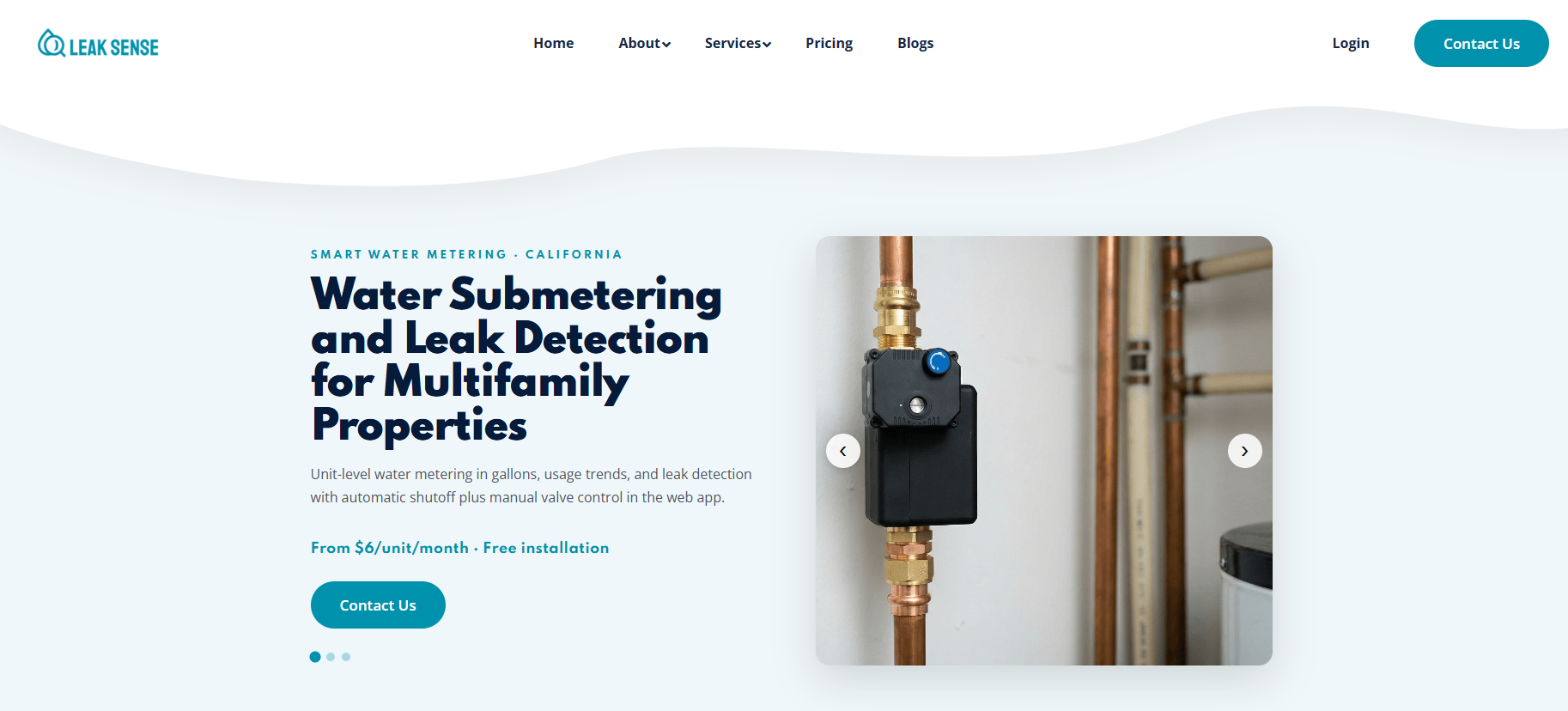
Explore metering system plans designed to fit properties of any size. Whether you are managing a 12-unit building or a large commercial portfolio, LeakSense gives you the real-time visibility, automated reporting, and regulatory alignment that today’s California market demands. Start with a system that grows with your needs and protects your investment from day one.
Frequently asked questions
What is the first step in creating a smart water management plan?
Start by understanding your regulatory requirements under CALGreen and CII, then conduct a compliance-focused water audit to establish your baseline. These two steps define your targets and reveal your current gaps before any technology investment is made.
How often should water audits be performed in multifamily and commercial buildings?
Water audits should be performed at least annually, with a focus on high-usage areas like restrooms and kitchens where usage variation of 5 to 13 times the norm is possible. More frequent reviews are recommended when smart meter data flags unusual consumption patterns.
What are the top technologies to include in a smart water management system?
Prioritize smart water submetering, leak detection sensors, and automated reporting tools. Submetering and tech upgrades are recognized BMPs under CII regulations, making them both operationally effective and compliance-supporting.
Why is benchmarking important in water audits?
Benchmarking reveals how your building compares to similar properties and exposes excessive use that might otherwise seem normal. Water use varies 5 to 13 times across building types, so without a benchmark, you have no honest target to work toward.