Smart water metering has emerged as a game changer for multifamily property managers in California, with advanced IoT sensors enabling water loss reduction of 30%-40% through real-time leak detection and automated alerts. This technology combines continuous monitoring, cloud-based analytics, and automated shutoff capabilities to tackle rising utility costs and regulatory pressures. For property managers overseeing residential buildings, understanding smart water metering systems is essential to optimize operations, ensure compliance, and protect your bottom line in 2026.
- Introduction To Smart Water Metering
- How Smart Water Meters Work
- Benefits Of Smart Water Metering For Multifamily Properties
- Common Misconceptions About Smart Water Metering
- Comparison Of Smart Water Metering Technologies And Features
- Implementation Challenges And Practical Considerations
- Integration With Tenant Billing And Property Management
- Case Studies And Return On Investment
- Explore Smart Water Metering Solutions With LeakSense
Key takeaways
| Point | Details |
|---|---|
| Real-time monitoring | Smart water meters use IoT sensors to track water flow continuously and detect leaks instantly. |
| California compliance | These systems help multifamily properties meet Title 24 requirements and equitable billing mandates. |
| Cost reduction | Properties typically achieve 20-40% water savings with average payback periods of 2-4 years. |
| Tenant billing accuracy | Automated data collection eliminates billing disputes and improves transparency. |
| Misconceptions corrected | Installation complexity varies by building age, and ROI depends on proper vendor selection. |
Introduction to smart water metering
Smart water metering represents a significant shift from traditional mechanical meters, leveraging IoT technology to provide unprecedented visibility into water consumption patterns. These systems combine physical sensors installed at water entry points with cloud-based software platforms that analyze data in real time. For multifamily residential buildings in California, this technology addresses critical pain points including undetected leaks, inaccurate tenant billing, and mounting regulatory requirements.
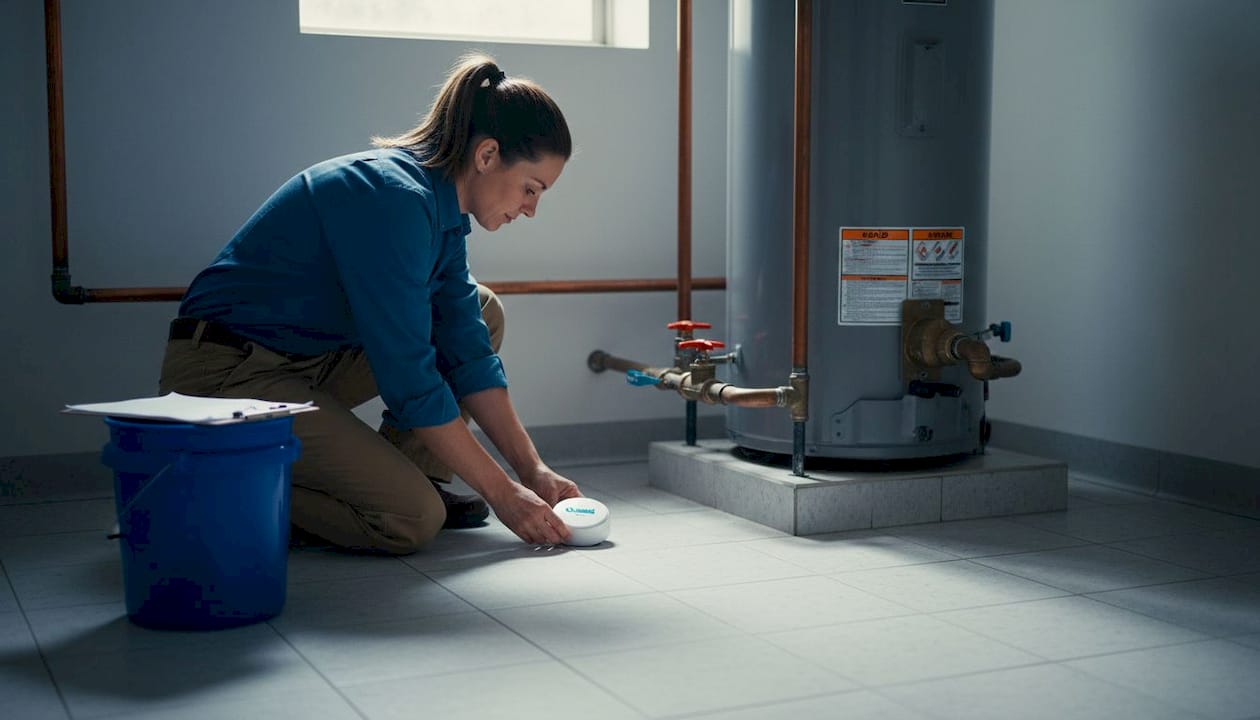
The core components of a smart water metering system include flow sensors that measure water movement continuously, wireless transmitters that send data to cloud servers, analytics software that identifies anomalies, and alert mechanisms that notify property managers of potential issues. Water Metering Explained: Smart Compliance for 2026 details how these components work together to create actionable intelligence.
California’s water scarcity challenges and stringent conservation mandates make smart water metering particularly valuable for multifamily properties. The state’s ongoing drought conditions and regulatory focus on reducing waste create both pressure and opportunity. Property managers must balance environmental responsibility with operational efficiency, and smart meters provide the data foundation for both goals.
Key reasons multifamily California buildings need smart water metering:
- Rapid detection of hidden leaks that traditional inspections miss
- Precise tenant-level consumption data for fair billing practices
- Compliance documentation for Title 24 and local conservation ordinances
- Insurance premium reductions through demonstrated risk mitigation
- Water conservation metrics supporting LEED certification
The technology enables property managers to shift from reactive maintenance to proactive management. Instead of discovering leaks through tenant complaints or sky-high bills, you receive instant alerts when consumption patterns deviate from normal baselines. This early warning system prevents minor issues from escalating into costly water damage incidents. Understanding what is submetering helps clarify how individual unit monitoring enhances property-wide water management strategies.
How smart water meters work
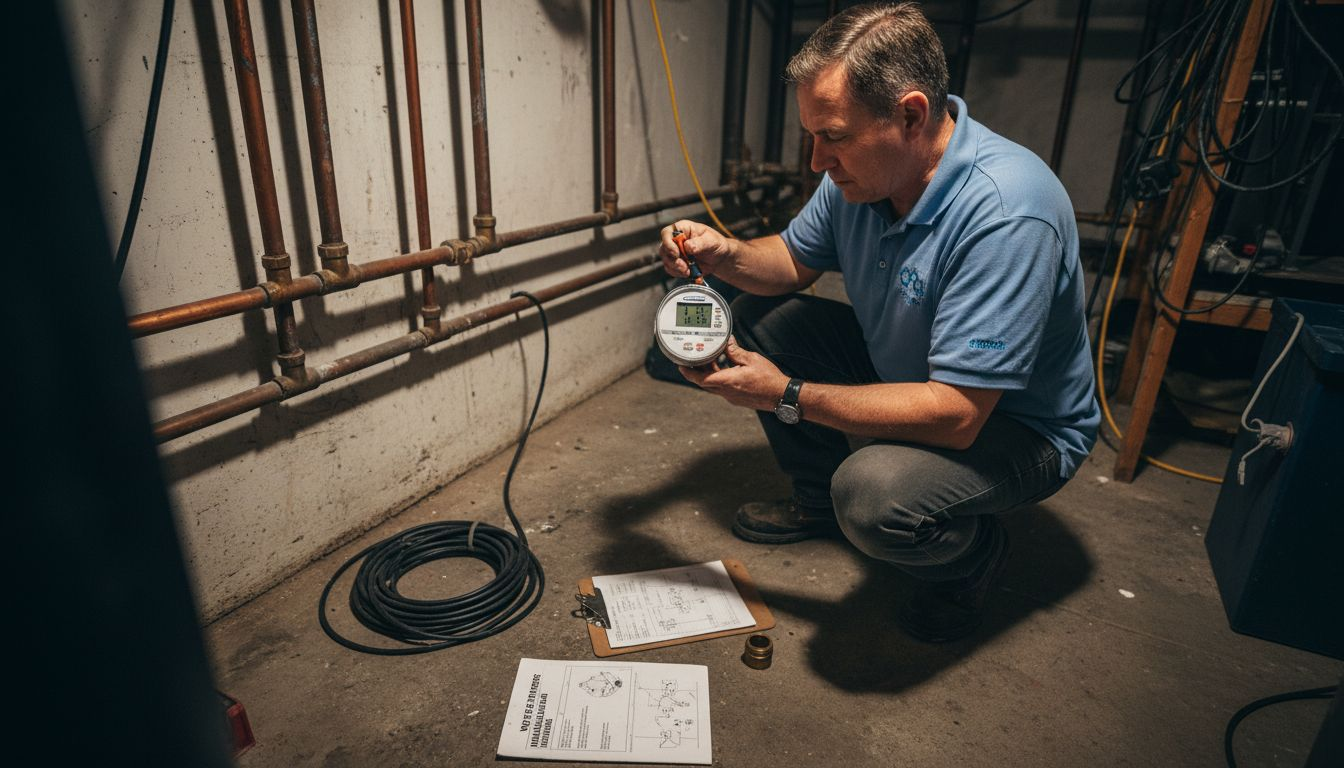
Smart water meters operate through a sophisticated combination of hardware sensors and software analytics that work together seamlessly. The physical meter installs in-line with existing plumbing, using ultrasonic, electromagnetic, or enhanced mechanical sensors to measure water flow with high precision. These sensors capture data points multiple times per minute, creating a detailed consumption profile for each monitored location.
The continuous monitoring capability distinguishes smart meters from conventional systems. Traditional meters require manual readings at monthly intervals, creating gaps where leaks can drain thousands of gallons undetected. Smart meters eliminate these blind spots by transmitting data wirelessly to cloud platforms every few minutes. This constant data stream enables real-time anomaly detection algorithms to identify unusual patterns instantly.

How Smart Water Meters Work | LeakSense explains that the system’s intelligence comes from machine learning algorithms that establish baseline consumption patterns for each unit or building zone. When actual usage deviates significantly from these baselines, the system triggers alerts. For example, if a toilet flapper valve fails and causes continuous water flow, the meter detects the anomaly within minutes rather than weeks.
Cloud-based analytics platforms process the raw sensor data into actionable insights:
- Interactive dashboards displaying current and historical consumption by unit, floor, or building
- Automated leak alerts sent via email, SMS, or mobile app notifications
- Comparative analytics showing usage trends and identifying high-consumption units
- Integration APIs connecting meter data to property management and billing systems
- Predictive maintenance recommendations based on consumption patterns
The alerting systems offer both automated and manual options. You can configure thresholds for automatic alerts when flow rates exceed specific levels or when continuous flow suggests a leak. Property managers can also set custom rules, such as notifications when vacation units show unexpected usage or when common area consumption spikes.
Advanced systems integrate with automated shutoff valves, creating a complete leak prevention solution. When the meter detects a catastrophic leak, it can trigger the valve to close automatically, limiting damage until repairs are made. This feature proves especially valuable for preventing flooding during off-hours or when properties are understaffed. What is submetering and water submetering and leak detection services work together to provide comprehensive protection.
Benefits of smart water metering for multifamily properties
The financial and operational advantages of smart water metering extend far beyond simple usage tracking. Property managers implementing these systems report substantial cost reductions through multiple channels. Smart water meter benefits: cut costs up to 20% in 2026 demonstrates that early leak detection alone can reduce water losses by up to 40%, translating to thousands of dollars in annual savings for medium-sized properties.
Leak prevention represents the most immediate benefit. A single undetected toilet leak can waste 200 gallons daily, while a burst pipe can cause tens of thousands in damage within hours. Smart meters catch these issues immediately, dramatically reducing both water waste and property damage expenses. Insurance companies recognize this risk reduction, with many offering premium discounts of 5-15% for properties with monitored leak detection systems.
California’s regulatory environment makes compliance support another critical advantage. Title 24 building standards require increasingly sophisticated water management practices, and smart metering systems provide the documentation necessary to demonstrate compliance. The detailed consumption data also supports equitable billing requirements, protecting property owners from regulatory penalties while ensuring tenants pay only for their actual usage.
Environmental and operational sustainability benefits include:
- Reduced water consumption supporting California conservation mandates
- Lower energy costs from decreased water heating and pumping needs
- LEED certification points enhancing property value and marketability
- Reduced maintenance costs through predictive issue identification
- Enhanced property reputation attracting environmentally conscious tenants
Tenant billing accuracy improves dramatically with unit-level metering. Traditional ratio utility billing systems (RUBS) allocate water costs based on unit size or occupancy, creating dissatisfaction among conservation-minded residents who subsidize wasteful neighbors. Smart meters eliminate this inequity by billing each tenant for their exact consumption. California Water Submetering Case Study | LeakSense shows this precision reduces billing disputes by over 60% while encouraging conservation behaviors.
Pro Tip: Track your property’s water bills for three months before implementing smart metering to establish a baseline. This data helps calculate accurate ROI projections and identify which units or zones have the highest conservation potential.
The cumulative effect of these benefits creates compelling economics. Properties typically see positive cash flow within the first year from water savings alone, while avoided leak damage and operational efficiencies accelerate payback. Why water metering matters for owners provides detailed financial modeling showing how different property types achieve returns.
Common misconceptions about smart water metering
Several persistent myths about smart water metering prevent some property managers from adopting this valuable technology. Understanding the reality behind these misconceptions helps you make informed decisions based on facts rather than assumptions.
The most common misconception is that smart meters only track usage without adding intelligence. This view misses the core value proposition. While consumption tracking matters for billing, the real advantage comes from sophisticated analytics that detect leaks, identify anomalies, and predict maintenance needs. The “smart” component refers to artificial intelligence algorithms that learn your property’s patterns and flag deviations requiring attention.
Another widespread belief is that installation is straightforward in any building. Reality proves more nuanced. Newer properties with accessible plumbing and robust internet connectivity can often install smart meters with minimal disruption. However, around 20% of older multifamily buildings face substantial retrofitting costs to enable smart water metering. These properties may need plumbing modifications, WiFi infrastructure upgrades, or electrical work to power sensors.
Key misconceptions corrected:
- Myth: Smart meters are prohibitively expensive. Reality: Initial costs range from $150-400 per unit, with total system ROI typically achieved in 2-4 years through water savings and damage prevention.
- Myth: Installation always requires major construction. Reality: Most installations complete in 2-4 hours per building with minimal tenant disruption, though older properties may need prep work.
- Myth: The technology is unreliable and requires constant maintenance. Reality: Quality systems have 10+ year lifespans with minimal service needs beyond battery changes for wireless sensors.
- Myth: Tenants will resist smart metering due to privacy concerns. Reality: Transparent communication about billing fairness typically generates positive reception, especially among conservation-minded residents.
The perceived complexity of managing smart meter data also deters some adopters. Modern systems feature intuitive dashboards requiring no technical expertise, with automated alerts eliminating the need for constant monitoring. Property managers typically spend just 5-10 minutes weekly reviewing reports once systems are properly configured.
Connectivity challenges represent legitimate concerns rather than misconceptions. Buildings with weak internet signals or lacking WiFi infrastructure may struggle with wireless meter transmission. However, these obstacles are manageable through cellular gateways, mesh networks, or hardwired solutions. Water metering explained california 2026 discusses connectivity options for various building configurations.
Comparison of smart water metering technologies and features
Property managers evaluating smart water metering solutions encounter several technology types, each with distinct advantages and trade-offs. Understanding these differences helps you select systems matching your building’s needs and constraints.
The three primary sensor technologies are ultrasonic, electromagnetic, and mechanical with IoT enhancements. Ultrasonic meters use sound waves to measure flow velocity without moving parts, offering exceptional accuracy and longevity. They excel in applications requiring precision and minimal maintenance but cost more upfront. Electromagnetic meters measure flow through magnetic field interactions, providing similar accuracy with excellent performance across varying flow rates. Mechanical meters with IoT sensors add smart capabilities to traditional designs, offering a cost-effective entry point though with shorter lifespans due to moving parts.
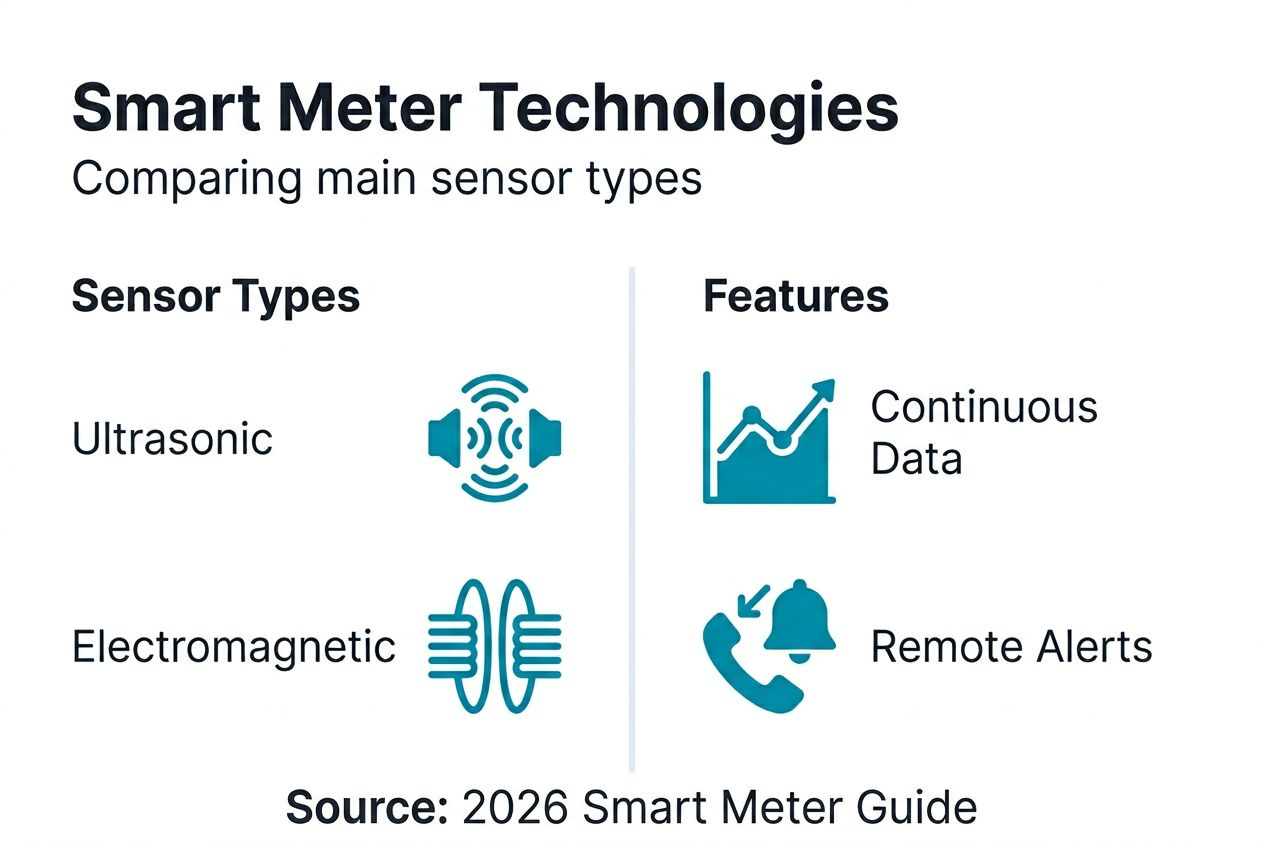
| Technology Type | Accuracy | Lifespan | Installation Cost | Best For |
|---|---|---|---|---|
| Ultrasonic | ±1-2% | 15-20 years | $300-500/unit | New construction, high-value properties |
| Electromagnetic | ±0.5-1% | 12-18 years | $350-600/unit | Properties requiring maximum precision |
| IoT-Enhanced Mechanical | ±2-5% | 8-12 years | $150-300/unit | Retrofit projects, budget-conscious properties |
Key features differentiate systems beyond basic sensor technology:
- Leak detection sensitivity: Premium systems identify leaks as small as 0.1 gallons per minute, while entry-level options may only catch major flows
- Automated shutoff integration: Top-tier solutions connect with motorized valves for automatic water shutoff when catastrophic leaks occur
- Analytics depth: Advanced platforms offer predictive maintenance, consumption forecasting, and tenant comparison tools
- Integration capabilities: API access enables connection to property management software, billing systems, and building automation platforms
- Alert customization: Sophisticated systems allow granular threshold settings and multi-channel notifications
Installation complexity varies significantly. Properties built after 2010 typically have modern plumbing configurations that accommodate smart meters easily. Buildings from the 1980s-2000s may need minor adapter fittings but generally install without major issues. Pre-1980 properties often face challenges including non-standard pipe sizes, corroded fittings, or plumbing layouts requiring creative sensor placement.
Pro Tip: Request pilot installations on 3-5 units before committing to building-wide deployment. This trial period reveals unexpected installation challenges and lets you evaluate the vendor’s support quality and system usability.
Cost considerations extend beyond hardware to include installation labor, cloud platform subscriptions, and ongoing maintenance. Budget $50-100 per unit annually for cloud services and support, plus $20-40 per unit for battery replacements every 3-5 years on wireless systems. Water metering systems for apartments and smart water metering services often bundle these costs into comprehensive packages. Understanding multifamily water solutions examples helps clarify which features deliver the most value for your property type.
Implementation challenges and practical considerations
Deploying smart water metering across multifamily properties involves navigating several practical obstacles that can derail projects or inflate costs unexpectedly. Property managers who anticipate these challenges and plan accordingly achieve smoother implementations and faster ROI realization.
Installation and retrofitting challenges prove most acute in older buildings. About 20% of older multifamily buildings require substantial retrofitting to support smart water metering due to legacy plumbing or internet connectivity limitations. These properties may have galvanized steel pipes prone to corrosion, non-standard fittings requiring custom adapters, or plumbing runs that make sensor placement difficult. Properties built before 1970 frequently need the most extensive preparation work.
Connectivity infrastructure represents another common hurdle. Smart meters require reliable data transmission to cloud platforms, typically via WiFi, cellular, or hardwired ethernet. Buildings with concrete construction, metal framing, or numerous floors may experience signal interference. Solving these issues might require installing mesh network repeaters, cellular gateways, or running ethernet cables to sensor locations. Budget an additional $500-2,000 per building for connectivity infrastructure beyond the meters themselves.
Critical implementation considerations:
- Building access coordination: Installation requires entering units or accessing common plumbing areas, demanding careful tenant communication and scheduling
- Plumbing shutdowns: Meter installation typically needs temporary water shutoffs lasting 30-60 minutes per unit
- Vendor selection criteria: Evaluate not just hardware quality but also cloud platform usability, customer support responsiveness, and integration capabilities
- System scalability: Choose platforms that can grow with your portfolio rather than requiring replacement as you add properties
- Maintenance planning: Establish protocols for battery changes, sensor recalibration, and system updates
Cost management requires looking beyond initial hardware prices to total cost of ownership. A cheaper system with high failure rates or expensive cloud subscriptions may cost more over five years than premium options with comprehensive support. Request detailed pricing breakdowns including installation labor, cloud platform fees, maintenance costs, and expansion pricing.
Vendor selection deserves careful attention. Prioritize providers with proven multifamily experience, particularly in California properties subject to Title 24 and local conservation mandates. Ask for references from similar-sized properties and request case studies demonstrating measurable outcomes. Evaluate the vendor’s financial stability and commitment to long-term platform support, as you’re making a multi-year technology investment.
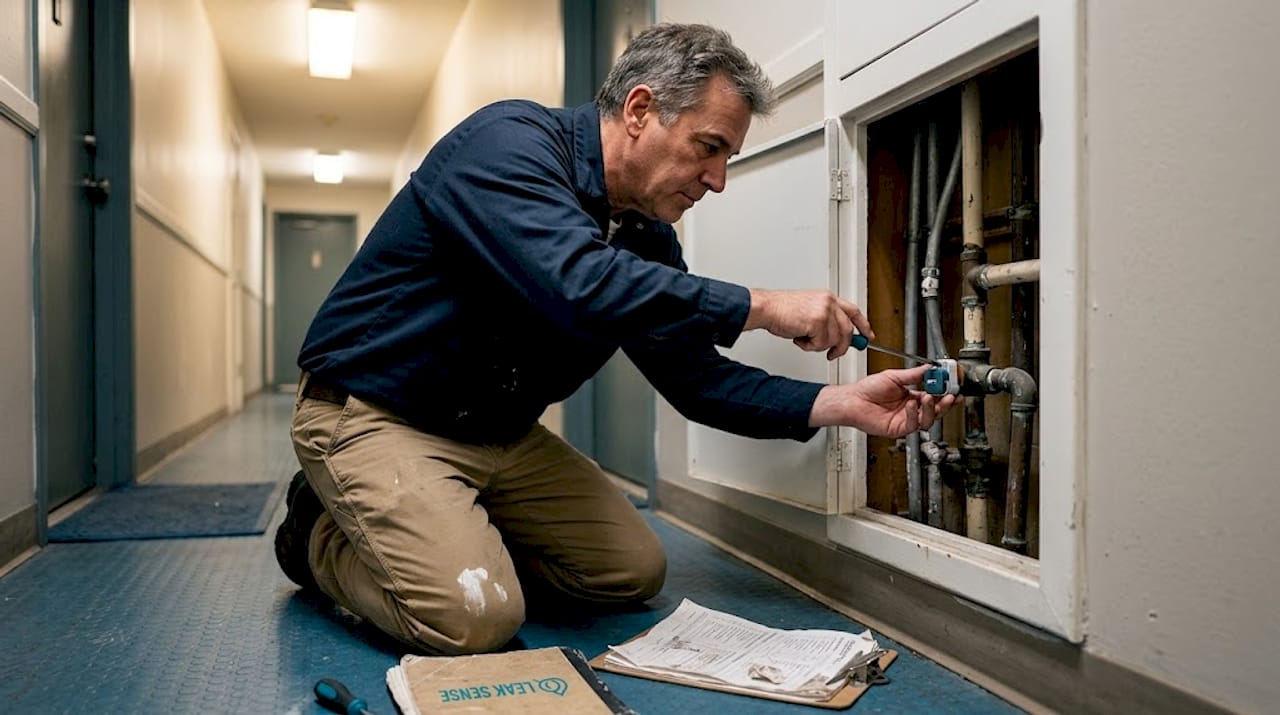
Water usage monitoring for multifamily compliance and smart water metering services can streamline implementation by providing turnkey solutions that address common challenges. Professional installers familiar with California multifamily properties bring valuable experience navigating building codes, tenant relations, and technical obstacles.
Integration with tenant billing and property management
Smart water metering creates powerful synergies when integrated with tenant billing and property management systems. This connectivity transforms raw consumption data into automated billing workflows that save time, improve accuracy, and enhance tenant satisfaction.
Automated billing integration eliminates manual meter reading and data entry. Modern smart metering platforms offer APIs that connect directly to property management software, automatically populating water charges on tenant statements each month. This integration reduces administrative labor by 70-90% compared to manual processes while eliminating transcription errors that cause billing disputes.
The precision of smart meter data revolutionizes tenant billing fairness. Traditional RUBS allocation methods estimate usage based on unit size, number of bedrooms, or occupancy, creating situations where efficient residents subsidize wasteful neighbors. Smart meters measure actual consumption at the unit level, ensuring each tenant pays only for the water they use. This transparency dramatically reduces billing complaints and supports conservation behaviors.
Enhanced tenant satisfaction emerges from multiple factors. Residents appreciate billing transparency enabled by online portals showing real-time consumption. Many smart metering platforms offer tenant-facing apps that display daily usage, compare current consumption to previous periods, and flag unusual patterns suggesting leaks in their units. This visibility empowers tenants to manage their water costs actively.
California compliance benefits include:
- Meeting equitable billing requirements mandated by local ordinances
- Providing documentation for Title 24 compliance audits
- Supporting conservation reporting to water districts
- Demonstrating fair allocation practices protecting against tenant legal challenges
Property management operations streamline significantly with integrated smart metering. Maintenance teams receive leak alerts automatically, enabling proactive repairs before tenants complain. The consumption data helps identify units with chronic issues requiring attention. Vacancy detection features alert managers when vacant units show unexpected usage, helping catch unauthorized occupancy or maintenance problems.
The data analytics capabilities support strategic decision-making beyond day-to-day operations. Historical consumption patterns inform capital planning by identifying buildings needing plumbing upgrades. Comparative analytics across your portfolio reveal which properties have the highest conservation potential. This intelligence guides resource allocation and improvement priorities.
Integration complexity varies by property management software platform. Major systems like Yardi, AppFolio, and Buildium typically offer pre-built integrations with leading smart meter providers, enabling setup in hours rather than weeks. Custom or legacy systems may require API development work, adding $2,000-5,000 to implementation costs. Why water metering matters for owners and california compliance support services can help navigate integration challenges.
Case studies and return on investment
Real-world implementation data demonstrates the substantial financial and operational returns smart water metering delivers to multifamily properties. Studies report 20-40% water savings and payback periods averaging 2-4 years for smart water meter installations in multifamily properties, with specific outcomes varying based on building age, occupancy patterns, and previous water management practices.
A 120-unit garden-style apartment complex in San Diego installed smart water meters in early 2024 after experiencing escalating water bills and several costly leak incidents. The property invested $32,000 in hardware and installation costs. Within the first year, the system detected 18 leaks that would have gone unnoticed under manual inspection protocols, including seven toilet flappers, four irrigation system breaks, and three pipe leaks. Total water savings reached 32%, reducing annual water costs by $28,000. The system paid for itself in 13 months, with ongoing savings flowing directly to net operating income.
| Property Type | Units | Implementation Cost | Annual Water Savings | Payback Period | Additional Benefits |
|---|---|---|---|---|---|
| Garden Apartments (San Diego) | 120 | $32,000 | $28,000 (32%) | 13 months | Insurance discount, reduced maintenance calls |
| High-Rise (Los Angeles) | 240 | $78,000 | $52,000 (38%) | 18 months | Title 24 compliance, tenant satisfaction improvement |
| Mid-Rise (Sacramento) | 85 | $21,000 | $12,000 (22%) | 21 months | Eliminated billing disputes, vacancy detection |
A 240-unit high-rise in Los Angeles faced Title 24 compliance challenges and tenant complaints about unfair water billing under their RUBS system. Smart meter implementation cost $78,000 but delivered multiple value streams. Water savings reached 38% through leak detection and conservation behaviors triggered by individual billing. Tenant turnover decreased by 12% as billing fairness improved satisfaction scores. The property also received a 10% insurance premium reduction worth $3,200 annually. Combined benefits produced an 18-month payback.
A smaller 85-unit mid-rise in Sacramento installed smart meters primarily to resolve chronic billing disputes consuming significant management time. While water savings of 22% were respectable, the property valued administrative efficiency gains equally. The system eliminated 4-6 hours weekly spent on billing inquiries and disputes. At $35 per hour, this time savings added $8,000 in annual value beyond direct water cost reductions.
Key lessons from successful implementations:
- Start with problem buildings: Deploy first in properties with high water costs or frequent leak issues to maximize early returns
- Communicate proactively with tenants: Explain billing changes and conservation opportunities before meters go live
- Set realistic timelines: Allow 6-8 weeks for installation planning and 2-3 months for complete deployment in larger properties
- Monitor results closely: Review system data weekly during the first quarter to catch configuration issues and optimize alert thresholds
Insurance and regulatory incentives add substantial value beyond direct water savings. California properties with monitored leak detection systems qualify for insurance discounts averaging 8-12%. Some water districts offer rebates covering 15-25% of installation costs for properties implementing smart metering. LEED certification points available through water conservation documentation enhance property values and marketability.
The california water submetering case study provides additional examples demonstrating financial returns. Understanding smart water meter benefits and why water metering matters for owners helps property managers build accurate ROI projections for their specific situations.
Explore smart water metering solutions with LeakSense
Implementing smart water metering doesn’t have to be complicated when you partner with experienced providers who understand California multifamily properties. LeakSense offers comprehensive solutions combining advanced IoT sensors, intuitive analytics platforms, and professional installation services tailored to your property’s unique needs. Our automatic leak detection systems provide 24/7 monitoring with instant alerts, while our water metering systems for apartments deliver the precise consumption data you need for fair tenant billing and regulatory compliance.
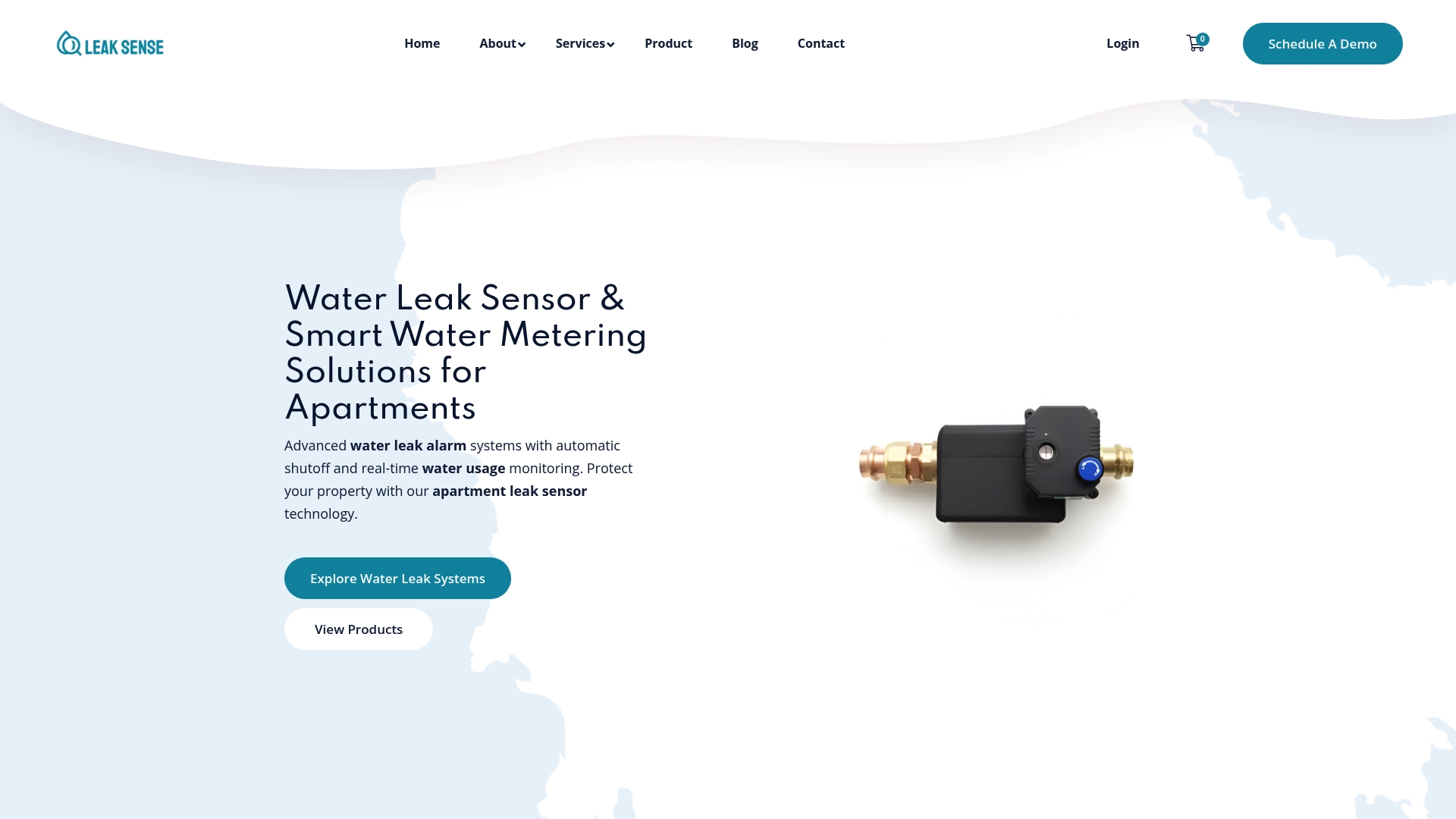
Whether you’re managing a single property or a diverse portfolio, LeakSense’s california compliance support ensures your water management strategy meets Title 24 requirements and local conservation mandates. Our team handles everything from initial assessment through installation and ongoing support, letting you focus on property operations while we protect your assets from water damage and help you capture significant cost savings. Contact us today to schedule a property assessment and discover how smart water metering can transform your multifamily water management approach.
FAQ
What is smart water metering?
Smart water metering uses IoT-enabled sensors to continuously monitor water usage and detect leaks in real time. These systems combine physical meters with cloud-based analytics platforms that identify anomalies, alert property managers to problems, and provide detailed consumption data for tenant billing. The technology enables property managers to optimize water management and reduce costs through early leak detection and conservation insights.
How does smart water metering help comply with California regulations?
Smart water meters provide detailed water usage data required for Title 24 compliance and local conservation mandates. The systems generate documentation demonstrating water efficiency measures and equitable billing practices. This data helps properties meet reporting requirements to water districts while supporting fair allocation practices that protect against regulatory penalties and tenant legal challenges. California compliance support services can help navigate specific requirements.
What are the typical installation challenges in older multifamily buildings?
Approximately 20% of older multifamily buildings require significant retrofitting to enable smart meter installation. Older buildings may need plumbing upgrades to accommodate modern sensors, internet connectivity improvements for data transmission, and electrical work to power devices. Properties built before 1980 often face non-standard pipe sizes and corroded fittings requiring custom solutions. Professional assessment is recommended to plan installation effectively and budget accurately. Water metering explained california 2026 covers preparation strategies for various building types.
Can smart water meters automatically stop leaks once detected?
Many smart meters integrate with automated shutoff valves to minimize damage when catastrophic leaks occur. When the system detects major flow anomalies indicating burst pipes or significant leaks, it can trigger motorized valves to close automatically. This feature significantly reduces repair costs and water waste by limiting flooding until maintenance teams arrive, providing especially valuable protection during off-hours. Automatic leak detection systems offer this advanced capability for maximum property protection.