Selecting the right water usage monitoring system for your California multifamily or commercial property is more than a technical decision. It’s a compliance mandate, a cost control strategy, and a tenant satisfaction tool rolled into one. With California mandating individual water submeters for new multifamily buildings constructed after 2018, property managers must navigate regulatory requirements while optimizing operational efficiency. The right monitoring approach delivers accurate billing, early leak detection, and measurable water conservation. This guide walks you through evaluation criteria, technology options, and implementation best practices to help you make informed decisions that protect your property and satisfy state law.
- Key Criteria For Selecting Water Usage Monitoring Systems
- Top Water Usage Monitoring Technologies And Their Features
- Comparing Best Water Usage Monitoring Solutions For Multifamily And Commercial Buildings
- Making The Right Decision: Implementing And Maintaining An Effective Water Monitoring Program
- Optimize Water Usage Monitoring With Leaksense Solutions
- Frequently Asked Questions
Key takeaways
| Point | Details |
|---|---|
| California law mandates submeters | New multifamily buildings built after 2018 must install individual water submeters accessible to tenants. |
| Smart meters offer real-time insights | Digital submeters provide instant usage data, leak alerts, and remote monitoring capabilities. |
| Compliance requires accessible placement | Submeters must be tenant-readable without property manager entry to meet state regulations. |
| Technology comparison guides decisions | Evaluating accuracy, cost, and integration features helps select the optimal monitoring solution. |
| Proper maintenance ensures ongoing accuracy | Regular calibration and inspections keep meters compliant and operational over time. |
Key criteria for selecting water usage monitoring systems
Choosing a water monitoring system requires balancing legal obligations with operational goals. California’s regulatory environment sets strict standards that property managers must meet while delivering value to tenants and owners.
Legal compliance stands as your primary consideration. California mandates individual water submeters for new multifamily buildings post-2018 with accessible placement and tenant-readable without entry. This requirement applies to most residential properties with three or more units constructed after January 1, 2018. Understanding California submetering laws 2026 ensures your installation meets current standards and avoids costly retrofits.
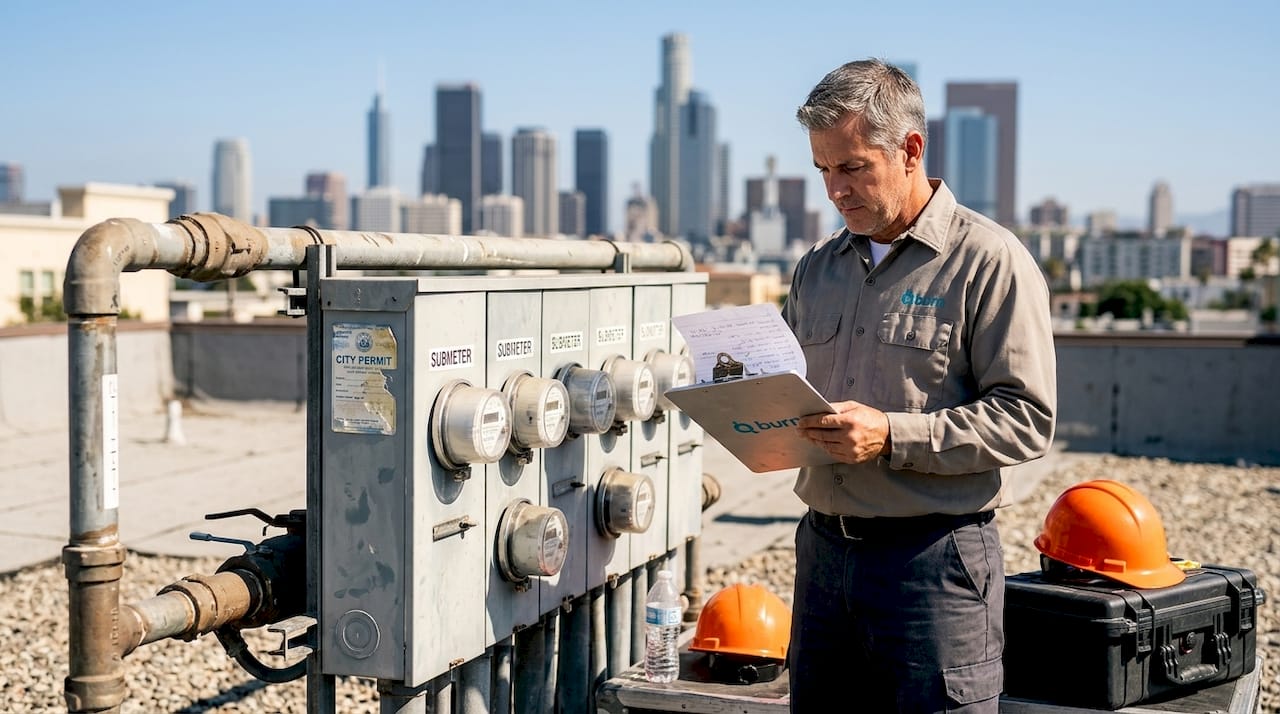
Accessibility determines tenant satisfaction and regulatory compliance. Submeters must be positioned where tenants can read them independently, typically in utility closets or exterior meter banks. This placement empowers residents to monitor their consumption without scheduling property manager visits, promoting conservation through awareness.
Accuracy and reliability directly impact billing fairness and tenant trust. Modern meters should measure exclusive unit usage without cross-contamination from common areas or neighboring units. Look for devices certified by the American Water Works Association or equivalent standards bodies to ensure measurement precision within acceptable tolerances.
Integration capabilities multiply your monitoring system’s value. Systems that connect with automated leak detection platforms, property management software, and tenant portals create a unified water management ecosystem. This connectivity enables faster response times, streamlined billing, and comprehensive analytics.
Cost considerations extend beyond initial purchase price:
- Installation expenses including plumbing modifications and labor
- Ongoing maintenance requirements and calibration schedules
- Software licensing fees for cloud-based monitoring platforms
- Long-term savings from reduced water waste and damage prevention
- Potential insurance premium reductions for properties with leak detection
Pro Tip: Calculate total cost of ownership over a 10-year period rather than focusing solely on upfront expenses. Smart meters with higher initial costs often deliver superior ROI through operational efficiencies and damage prevention.
Top water usage monitoring technologies and their features
Property managers can choose from several monitoring technologies, each offering distinct advantages for different building types and budgets.
Mechanical submeters represent the traditional approach. These analog devices use physical components like turbines or positive displacement chambers to measure water flow. They’re reliable, require no external power, and meet basic compliance requirements. However, they lack real-time data transmission and require manual reading, limiting their utility for proactive management.
Smart digital submeters transform water monitoring into an active management tool. These devices combine precision measurement with wireless connectivity, transmitting usage data to cloud platforms in real time. Property managers gain instant visibility into consumption patterns, receive automatic alerts for unusual usage indicating leaks, and generate detailed reports for billing and conservation analysis. Smart water metering systems typically integrate with mobile apps, giving both managers and tenants on-demand access to usage information.

Automatic leak detection systems elevate monitoring from measurement to protection. State-approved devices must be installed and accessible to comply with California submetering laws post-2018. These systems use flow sensors, pressure monitors, and machine learning algorithms to identify leak signatures before they cause significant damage. When integrated with automatic leak detection capabilities, your monitoring system becomes a comprehensive risk management solution.
Installation and maintenance requirements vary significantly:
- Mechanical meters need annual manual inspections and periodic replacement every 15-20 years
- Smart meters require initial network configuration but enable remote diagnostics
- Integrated systems demand professional installation but reduce long-term maintenance through predictive alerts
- Battery-powered wireless devices need replacement every 5-10 years depending on transmission frequency
Tenant-readable meters encourage conservation through transparency. When residents see their actual consumption, studies show usage typically drops 10-15% without additional interventions. This behavioral change amplifies the financial and environmental benefits of proper monitoring.
Pro Tip: Prioritize systems with open APIs that integrate with your existing property management software. Siloed data creates administrative burden, while integrated platforms streamline operations and improve decision-making.
Comparing best water usage monitoring solutions for multifamily and commercial buildings
A structured comparison helps translate features into practical recommendations for your specific property needs.
| Solution Type | Accuracy | Compliance | Initial Cost | Tenant Access | Technology Integration | Best For |
|---|---|---|---|---|---|---|
| Mechanical Submeters | ±2-5% | Meets basic requirements | $150-300 per unit | Manual reading only | None | Budget-conscious retrofits, smaller properties |
| Smart Digital Submeters | ±1-2% | Full compliance | $400-700 per unit | Real-time app access | High, cloud-based | New construction, tech-forward properties |
| Integrated Leak Detection Systems | ±1% | Exceeds requirements | $800-1,200 per unit | Real-time with alerts | Comprehensive platform | High-value properties, risk mitigation focus |
| Hybrid Mechanical with AMR | ±2-3% | Full compliance | $250-450 per unit | Drive-by reading | Moderate | Mid-size properties, phased upgrades |
California codes require submeters that exclusively measure usage per unit with accessible installation. All solutions in the comparison table meet this baseline requirement, but they differ substantially in operational capabilities.
For multifamily applications, smart digital submeters offer the optimal balance of compliance, tenant satisfaction, and management efficiency. The ability to generate automated billing reports, identify leaks within hours rather than months, and provide tenants with conservation insights justifies the moderate cost premium over mechanical alternatives.
Commercial properties with higher water volumes and greater damage risk benefit most from integrated leak detection systems. The comprehensive monitoring catches issues before they escalate into five-figure repair bills or business interruption claims. Insurance carriers increasingly recognize this value, offering premium discounts that offset installation costs over 3-5 years.
Budget-constrained retrofits can start with mechanical submeters meeting compliance minimums, then upgrade to smart systems during capital improvement cycles. This phased approach spreads costs while maintaining regulatory compliance throughout the transition.
Understanding water metering explained California 2026 and reviewing water metering basics for California managers provides additional context for evaluating these options against your property’s unique requirements.
Making the right decision: implementing and maintaining an effective water monitoring program
Successful implementation extends beyond equipment selection to encompass installation quality, user training, and ongoing maintenance protocols.
Start by selecting a qualified installer with California-specific experience. Verify that contractors hold appropriate plumbing licenses and understand state law mandates proper installation and tenant access. Request references from similar properties and confirm warranty coverage for both equipment and installation workmanship. Professional water submeter installation services ensure compliance from day one and reduce the risk of costly corrections.
Tenant and staff training maximizes your monitoring system’s value. Conduct orientation sessions explaining how to read meters, interpret usage data, and report suspected leaks or malfunctions. Provide written materials in multiple languages reflecting your tenant population. Train maintenance staff on basic troubleshooting and escalation procedures so minor issues don’t become major problems.
Continuous monitoring platforms transform reactive management into proactive prevention:
- Set baseline usage patterns for each unit during initial occupancy
- Configure automatic alerts for consumption exceeding 120% of baseline
- Review weekly reports identifying gradual increases suggesting slow leaks
- Integrate leak detection with emergency shutoff valves for maximum protection
- Generate monthly conservation reports recognizing tenants with reduced usage
Regular maintenance schedules preserve accuracy and extend equipment life. Annual calibration checks verify measurement precision remains within specifications. Quarterly visual inspections identify physical damage, corrosion, or tampering requiring attention. Battery-powered wireless systems need proactive replacement before power loss interrupts data transmission. Ongoing monitoring services can handle these tasks systematically, ensuring nothing falls through the cracks.
Integrate water monitoring with broader facility management practices. Coordinate with drainage maintenance for flood prevention to address both supply and drainage systems comprehensively. This holistic approach reduces overall water-related risk while optimizing resource allocation across maintenance categories.
Pro Tip: Document your monitoring program in writing, including installation certifications, maintenance schedules, and training records. This documentation proves compliance during inspections and provides continuity when staff transitions occur.
Optimize water usage monitoring with LeakSense solutions
Implementing best practices for water monitoring requires the right technology partner. LeakSense specializes in smart water submetering and automatic leak detection solutions designed specifically for California’s multifamily and commercial property requirements.
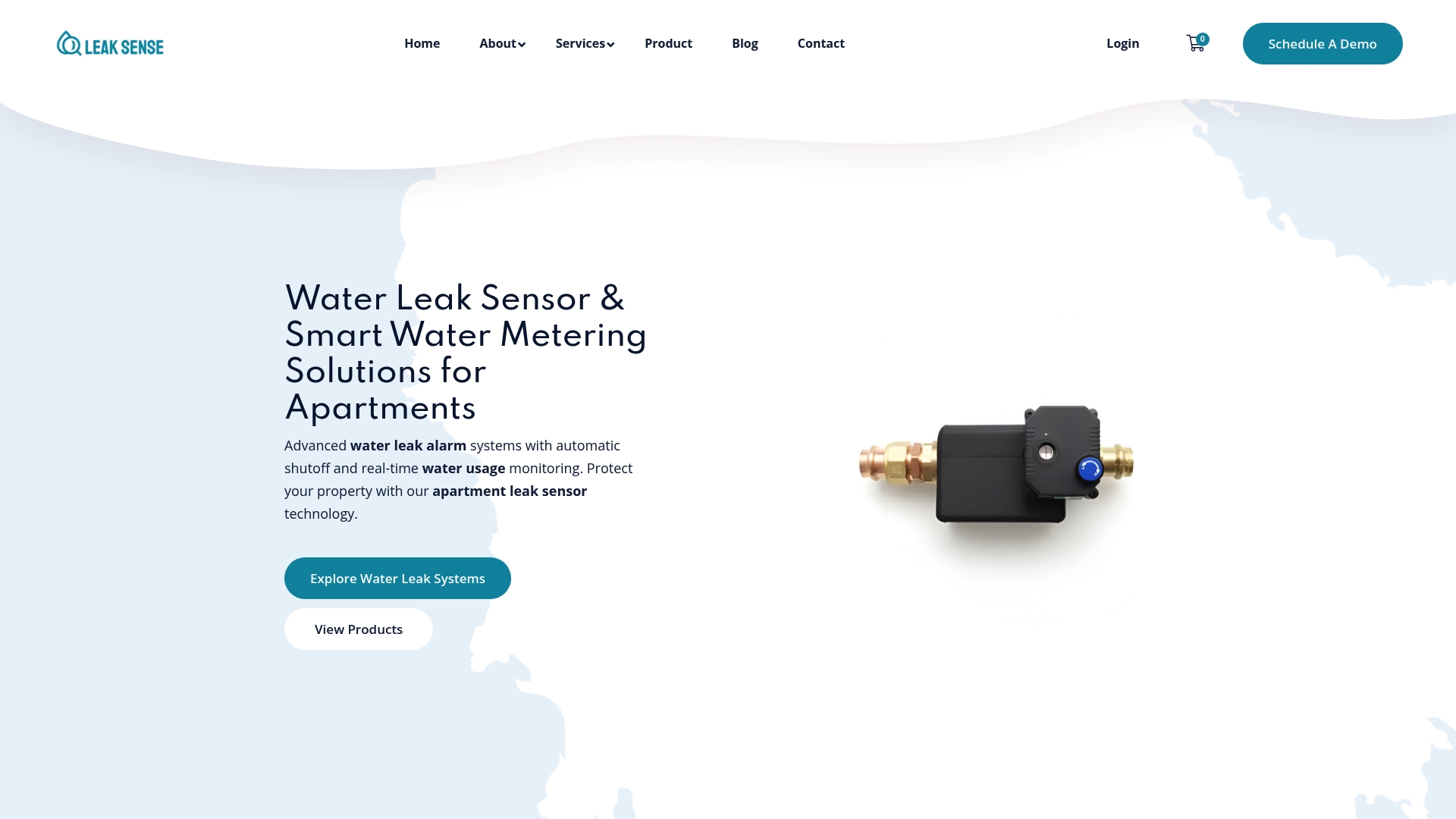
Our water metering systems combine precision measurement with real-time analytics, giving you instant visibility into consumption patterns and potential issues. Professional installation ensures compliance with California regulations from day one. Cloud-based monitoring platforms integrate seamlessly with your property management workflow, automating billing and conservation reporting.
Partner with LeakSense to implement smart water submetering services that reduce costs, enhance tenant satisfaction, and protect your property from water damage. Our California-focused expertise helps you navigate regulatory requirements while maximizing operational efficiency and environmental stewardship.
Frequently asked questions
What is the California SB7 requirement for water submetering?
California SB7 requires individual water submeters for new multifamily residential buildings with three or more units constructed after January 1, 2018. Submeters must measure exclusive unit usage and be installed in locations accessible to tenants without requiring property manager entry. This mandate promotes water conservation through accurate billing and consumption transparency. Properties failing to comply face potential penalties and may encounter issues during sale or refinancing transactions.
How can smart water meters help reduce water waste?
Smart meters provide real-time usage data that highlights unusual consumption patterns indicating leaks or malfunctions. Automatic alerts notify property managers within hours of detecting anomalies, enabling rapid response before minor leaks become major damage events. Tenant access to personal usage data encourages mindful consumption, typically reducing usage by 10-15% through behavioral changes alone. The combination of early leak detection and conservation awareness delivers measurable water and cost savings.
What are the key maintenance practices for submeters?
Schedule annual calibration checks to verify measurement accuracy remains within manufacturer specifications. Conduct quarterly visual inspections to identify physical damage, corrosion, or signs of tampering requiring immediate attention. Replace batteries in wireless systems proactively based on manufacturer recommendations, typically every 5-10 years. Train maintenance staff to recognize irregular readings or error codes indicating malfunction, and establish clear escalation procedures for repairs. Document all maintenance activities to demonstrate ongoing compliance and equipment reliability.
How do I choose between mechanical and smart submeters?
Consider your property’s age, budget, and management priorities. Mechanical meters meet basic compliance requirements at lower initial cost, making them suitable for budget-constrained retrofits or smaller properties with limited water damage risk. Smart meters justify their premium through operational efficiencies, including automated billing, real-time leak detection, and tenant self-service capabilities. New construction and properties with high water volumes typically benefit most from smart technology. Calculate total cost of ownership over 10 years, including maintenance, damage prevention, and operational efficiency gains, to make an informed decision.