Many California property managers believe water submetering is either fully prohibited or completely unregulated, leading to missed savings opportunities and compliance risks. The reality is nuanced: California law mandates submeters in newer buildings while requiring strict adherence to billing and disclosure rules. Understanding these 2026 regulations unlocks 15-30% water usage reductions while protecting you from costly legal disputes and penalties.
- Understanding California Water Submetering Laws
- Water Savings And Financial Benefits Of Submetering In Multifamily Properties
- Compliance Nuances And Pitfalls To Avoid In California Submetering
- Practical Steps To Implement Water Submetering And Ensure Legal Compliance
- Achieve Compliance And Optimize Water Management With Leaksense
- Frequently Asked Questions
Key takeaways
| Point | Details |
|---|---|
| Mandatory installation | California requires submeters in all multifamily buildings constructed after 2018 with specific technical standards. |
| Tenant protections | Landlords must provide written disclosures before lease signing and deliver itemized billing statements monthly. |
| Water savings potential | Properties with submeters typically achieve 15-30% usage reductions, increasing net operating income substantially. |
| Billing restrictions | Strict rules limit allowable fees, prohibit markup beyond actual utility costs, and cap administrative charges. |
| Access requirements | Meters must be placed for reading without entering tenant units, ensuring privacy and compliance. |
Understanding California water submetering laws
California operates under a comprehensive regulatory framework that balances property owner rights with tenant protections. California law sets technical standards for commercial measuring devices including submeters used for residential billing. This means you cannot simply install any water meter and start charging tenants.
Every submeter design must receive state type approval before use for commercial billing purposes. The Division of Measurement Standards evaluates accuracy, durability, and reliability to ensure fair tenant billing. Using unapproved devices exposes you to legal challenges and potential refunds.
Tenant disclosure obligations form the backbone of compliance. Landlords must provide specific written disclosures to tenants before lease signing if billing water separately. These disclosures must explain how water charges are calculated, identify any administrative fees, and clarify tenant payment obligations.
Key legal requirements for California submetering include:
- State approved meters meeting Division of Measurement Standards specifications
- Written disclosure documents delivered before tenants sign leases
- Monthly itemized billing statements showing actual consumption and allowable fees
- Meter placement enabling readings without entering private tenant spaces
- Prohibition on charging tenants more than actual utility costs plus limited fees
- Maintenance records demonstrating meter accuracy and regular calibration
Billing component restrictions prevent landlord overcharging. You can pass through actual water costs but cannot add profit margins or markups. Administrative fees face strict caps, typically limited to actual billing system costs. Understanding water metering explained california 2026 helps you structure compliant billing practices.
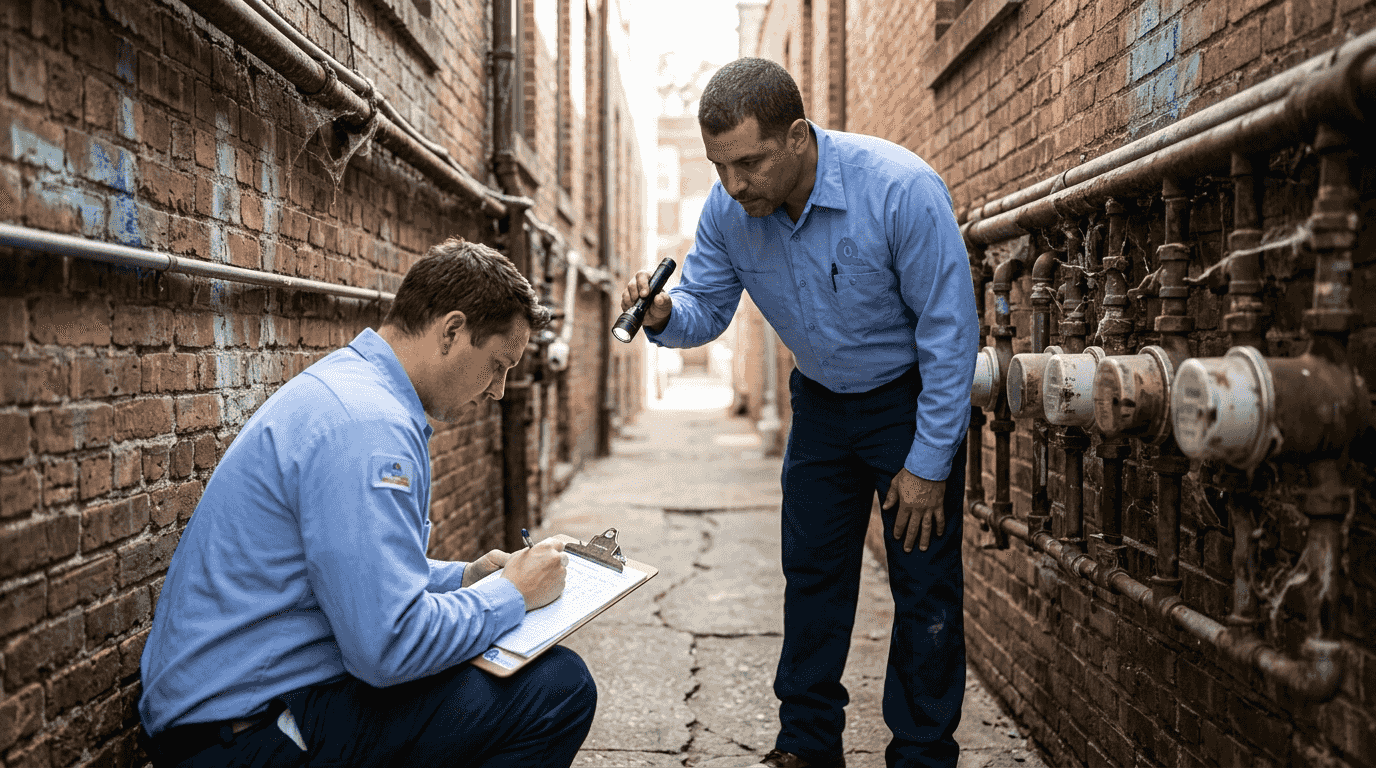
Meter placement requirements protect tenant privacy while ensuring accurate readings. Submeters must be accessible from common areas or exterior locations. You cannot require entry into tenant units for routine meter reading, which would violate privacy rights and create scheduling burdens.
Water savings and financial benefits of submetering in multifamily properties
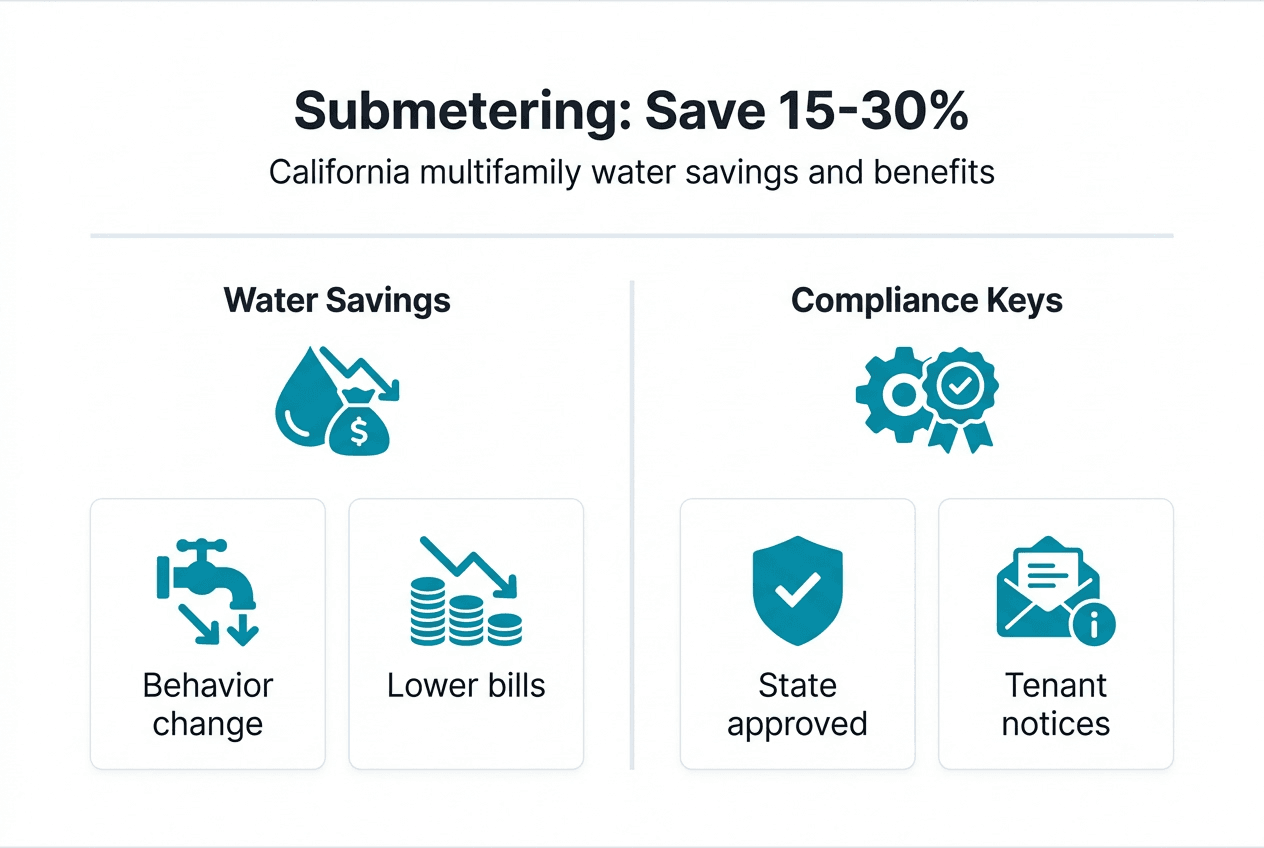
The financial case for water submetering extends beyond simple compliance. Submetering achieves statistically significant water savings of approximately 15.3% according to federal research analyzing multifamily properties. Many California properties exceed this baseline, with 15-30% or higher reductions being common when tenants pay for actual consumption.
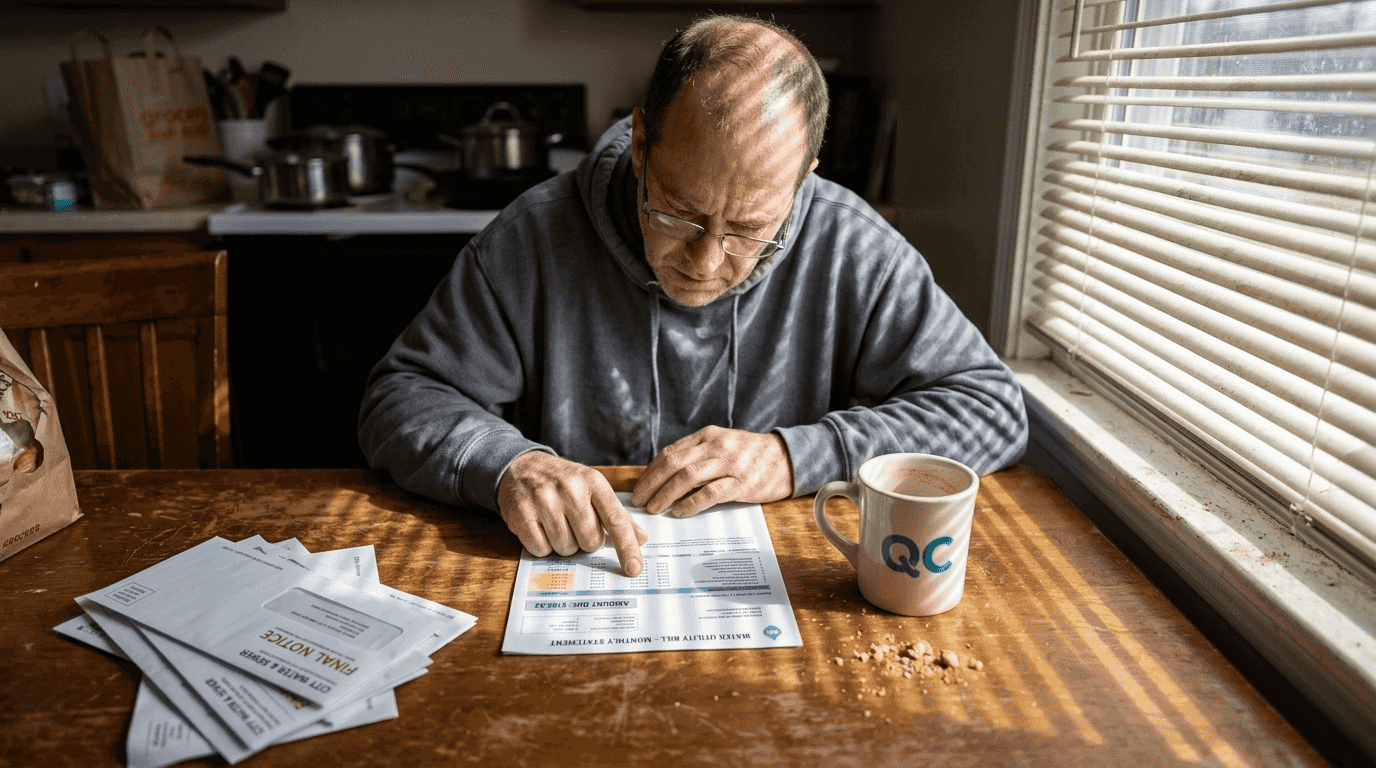
This conservation happens through simple behavioral changes. When tenants see direct financial consequences of water use, they fix dripping faucets faster, take shorter showers, and avoid unnecessary irrigation. The psychological shift from unlimited included water to measured consumption drives substantial usage reductions.
Financial returns justify implementation costs quickly. One documented multifamily retrofit resulted in a $180,000 NOI increase after implementing water submeters. This dramatic improvement came from reduced water bills, lower sewer charges, and decreased maintenance costs from leak damage.
Pro Tip: Calculate your potential savings by multiplying current annual water costs by 20%. This conservative estimate accounts for typical usage reductions and helps justify submeter investment to ownership groups or investors.
Smart metering technology amplifies these benefits through early leak detection. A toilet flapper valve failure can waste 20,000 gallons monthly, creating massive unexpected bills. Automated monitoring systems alert you to unusual consumption patterns within hours, not months, preventing thousands in damage costs.
Key financial benefits of water submetering:
- Direct utility cost reductions from 15-30% lower consumption
- Increased property valuation from improved net operating income
- Reduced liability from tenant disputes over unfair water allocation
- Lower maintenance costs from early leak detection and prevention
- Enhanced marketability to environmentally conscious tenants
- Potential insurance premium reductions from water damage risk mitigation
Tenant incentive alignment creates lasting conservation habits. Properties with individual metering cultivate resident awareness about water as a valuable resource. This cultural shift often persists even after tenants move, contributing to broader California water conservation goals. Exploring water metering benefits for owners reveals additional operational advantages beyond direct cost savings.
Environmental benefits complement financial returns. California faces ongoing drought conditions and water scarcity challenges. Properties demonstrating measurable conservation through submetering contribute to regional sustainability while potentially qualifying for green building certifications and utility rebates. Learning how to reduce property water waste naturally positions your building as an environmental leader.
Compliance nuances and pitfalls to avoid in California submetering
Navigating California’s complex regulatory landscape requires attention to detail and proactive compliance management. Ignoring or misinterpreting submetering rules can lead to costly mistakes and legal liabilities that erase years of water savings.
Documentation failures rank among the most common compliance pitfalls. You must provide detailed written disclosures before lease signing, not after tenants move in. Missing this timing requirement creates grounds for tenants to challenge all subsequent water charges. Keep signed disclosure forms in permanent lease files with clear date stamps.
Local rent control ordinances add layers of complexity beyond state law. Local rent control may restrict utility charge pass-throughs, requiring careful review of city rules before implementing submetering. Cities like San Francisco, Los Angeles, and Oakland have specific ordinances limiting when and how you can bill separately for water.
Pro Tip: Before implementing submetering in rent-controlled properties, consult with a local real estate attorney familiar with your specific city’s utility billing restrictions. What works in San Diego may violate Los Angeles ordinances.
Common compliance pitfalls to avoid:
- Installing meters before securing state type approval for your specific model
- Failing to update lease agreements with detailed water billing explanations
- Charging administrative fees exceeding actual billing system costs
- Requiring tenant unit entry for routine meter reading or maintenance
- Not providing monthly itemized statements showing consumption and calculations
- Applying profit margins or markups to water costs passed through to tenants
Access and reading requirements create operational challenges if ignored. Meters must be readable without entering tenant spaces, but you still need physical access for maintenance and emergency repairs. Plan meter locations during installation to balance accessibility with tenant privacy rights. Document access procedures in writing to prevent future disputes.
Administrative fee violations trigger tenant complaints and regulatory scrutiny. California limits these fees to actual costs of billing system operation. You cannot charge $25 monthly if your actual per unit billing cost is $8. Maintain detailed accounting records proving fee calculations reflect genuine expenses, not profit centers.
Maintenance responsibility assignment matters legally. Assigning water submeter maintenance to untrained property staff creates liability when meters malfunction or read inaccurately. Professional calibration and maintenance contracts protect you from disputes over billing accuracy. Review california water submetering case study examples to learn from others’ experiences.
Tenant communication prevents escalation of minor issues into legal disputes. Establish clear procedures for tenants to question bills, request meter reading verification, and report suspected malfunctions. Responding promptly to concerns demonstrates good faith and often resolves problems before they reach small claims court. Understanding tenant metering benefits helps you frame conversations positively.
Practical steps to implement water submetering and ensure legal compliance
Successful implementation requires methodical planning and execution across technical, legal, and operational dimensions. Following a structured approach minimizes compliance risks while maximizing water savings and tenant satisfaction.
Implementation follows these sequential steps:
- Research and verify that California regulations require submeters for your building type and construction date
- Select state approved submeter models from the Division of Measurement Standards approved devices list
- Design meter placement ensuring accessibility without requiring tenant unit entry
- Hire licensed contractors with California submetering installation experience
- Update lease agreement templates with detailed water billing disclosure language
- Create tenant disclosure documents explaining calculation methods and fee structures
- Install billing software or contract with utility billing service providers
- Conduct initial meter readings and establish baseline consumption data
- Provide written notices to existing tenants if converting from included water
- Generate monthly itemized billing statements and maintain detailed records
Lease agreement updates must include specific billing components. Billing must reflect actual water usage plus limited fees with itemized statements provided monthly. Your lease language should clearly identify the water rate charged (matching utility company rates), any administrative fee amount, and the billing cycle timing.
| Billing Component | Legal Requirement | Compliance Notes |
|---|---|---|
| Water consumption charge | Must match actual utility rates | No markup or profit margin allowed |
| Administrative fee | Capped at actual billing costs | Document expenses to justify amount |
| Sewer charges | May be included if proportional | Must explain calculation method |
| Late payment fees | Subject to reasonableness limits | Cannot exceed typical utility late fees |
| Statement frequency | Monthly minimum | Must provide within reasonable time |
Record keeping requirements extend beyond basic billing documentation. Maintain meter calibration certificates, repair logs, tenant disclosure acknowledgments, and billing calculation worksheets. These records prove compliance if disputes arise and demonstrate due diligence to regulatory agencies.
Professional installation through submeter installation services ensures code compliance and optimal meter placement. Licensed contractors understand California plumbing codes, accessibility requirements, and technical standards that DIY installations often miss. Their work comes with warranties protecting you from defective installation claims.
Ongoing monitoring and maintenance prevent accuracy degradation over time. Establish quarterly visual inspections checking for physical damage, vandalism, or environmental exposure issues. Schedule annual professional calibration testing to verify measurement accuracy. Automated systems supporting water usage monitoring compliance reduce manual oversight burdens.
Tenant onboarding processes set expectations correctly from day one. Provide sample billing statements during lease signing so tenants understand charges before occupancy. Explain how to track usage, identify potential leaks, and contact management with billing questions. This proactive communication prevents confusion and builds trust.
Achieve compliance and optimize water management with LeakSense
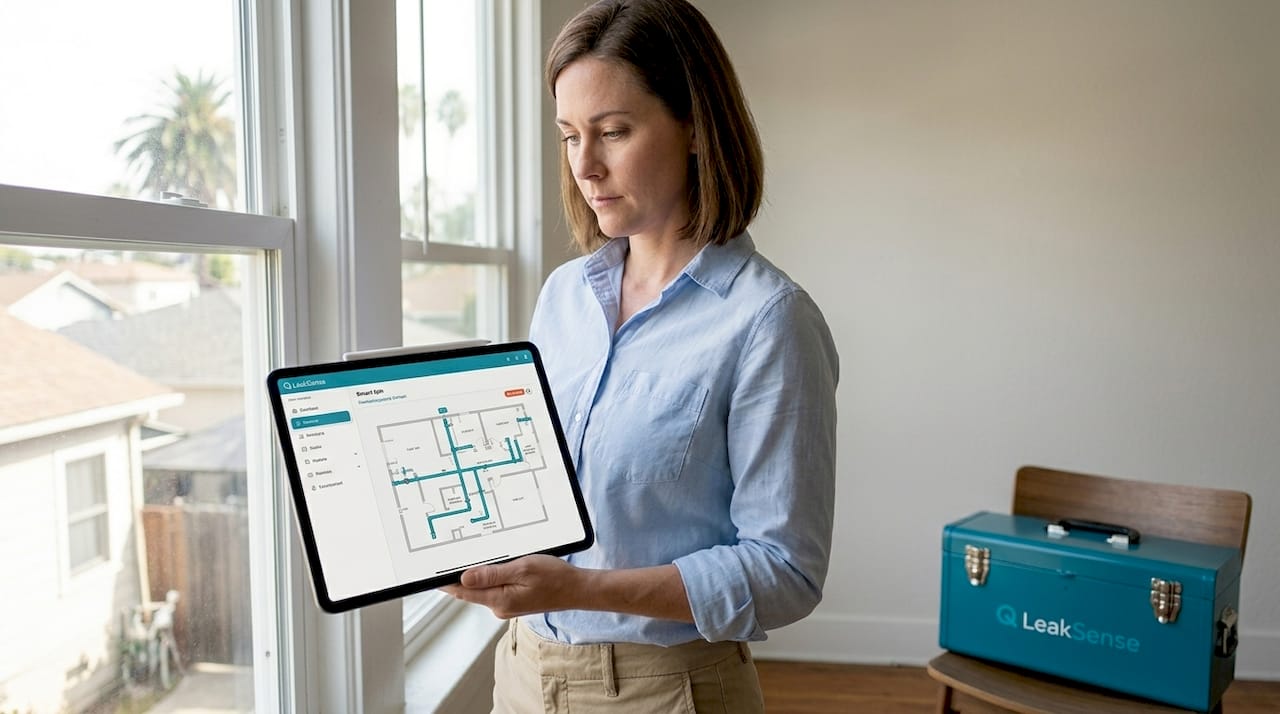
Navigating California’s complex submetering regulations while maximizing water savings requires specialized technology and expertise. LeakSense offers smart water submeters meeting all California technical standards and type approval requirements, eliminating compliance guesswork for property managers.
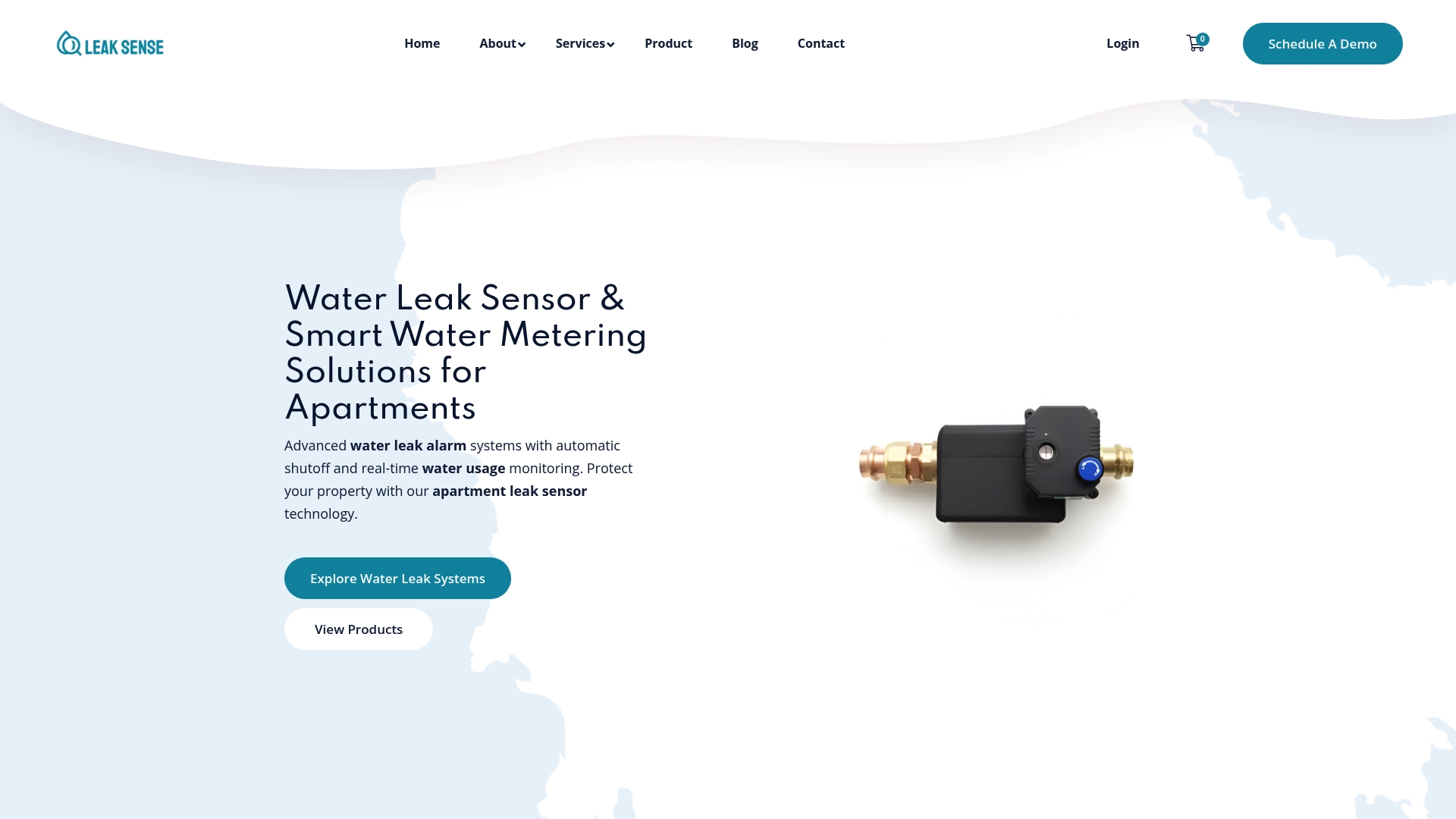
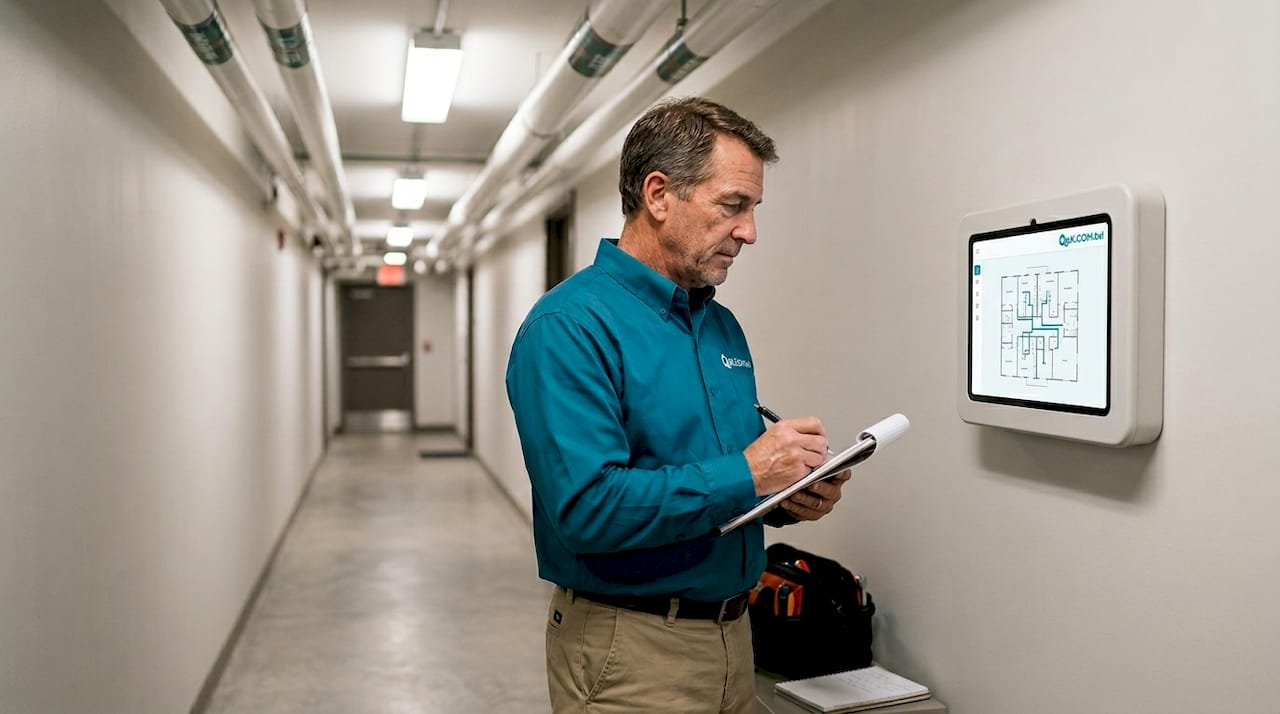
Our automatic leak detection systems identify unusual consumption patterns within hours, preventing the 20,000 gallon monthly losses that devastate budgets. Real-time monitoring alerts you to problems before they become expensive disasters. Smart water metering solutions integrate seamlessly with your property management systems, automating billing calculations and generating compliant itemized statements.
LeakSense provides california compliance support services including disclosure document templates, lease language review, and regulatory change monitoring. Our team stays current on evolving California requirements so you can focus on property operations rather than legal research. We help you implement submetering correctly the first time, avoiding costly retrofits and tenant disputes.
Frequently asked questions
What are the key legal requirements for water submetering in California?
California requires state approved submeters that measure water exclusive to individual units. Landlords must deliver written billing disclosures before tenants sign leases, explaining calculation methods and fees. Monthly billing statements must itemize actual consumption and allowable charges without markup. Meters must be accessible for reading from common areas, never requiring entry into tenant units. Local rent control ordinances may impose additional restrictions on utility billing practices, requiring property specific legal review.
How much can water submetering reduce water usage and costs?
Typical water savings range from 15% to 30% after submeter installation as tenants become accountable for consumption. Federal research confirms statistically significant 15.3% reductions across multifamily properties. Smart metering technology amplifies savings by detecting leaks losing up to 20,000 gallons monthly, preventing massive unexpected bills. Financial returns include net operating income increases, with documented cases showing $180,000 annual improvements from reduced utility waste and maintenance costs.
What common mistakes cause non-compliance with California submetering laws?
Providing tenant disclosures after lease signing rather than before creates grounds to challenge all water charges. Charging administrative fees exceeding actual billing costs or adding profit margins to utility rates violates state restrictions. Installing meters requiring tenant unit entry for readings breaches privacy protections. Ignoring local rent control rules affecting utility pass-through creates additional liability. Using non-approved meter models or skipping state type approval certification invalidates billing authority.
What steps should landlords take to implement submetering legally?
Start by installing state approved meters with proper common area placement enabling reading access. Update all lease templates with detailed utility billing explanations and fee disclosures. Provide monthly itemized billing statements showing consumption calculations and capped administrative charges. Maintain comprehensive records including calibration certificates, tenant acknowledgments, and billing worksheets. Train property staff on regulatory requirements and establish clear tenant communication procedures for billing questions and dispute resolution.