Hidden leaks in multifamily properties can cost property managers thousands in water damage and angry tenant calls. Traditional manual inspections catch problems too late, leaving you scrambling after the disaster hits. Smart IoT-enabled leak detection systems change that equation entirely by delivering real-time alerts and automated shutoff capabilities that prevent catastrophic damage before it starts.
- Prerequisites: What You Need Before Enhancing Leak Detection
- Selecting the Right Leak Detection Technology for Multifamily Buildings
- Step-by-Step Installation and Integration Process
- Common Mistakes and Troubleshooting Tips
- Expected Outcomes: Measuring Success and Benefits
- Discover LeakSense Solutions for Leak Detection and Water Management
- How to Enhance Leak Detection Frequently Asked Questions
Key Takeaways
| Point | Details |
|---|---|
| Damage Reduction | Smart leak detection reduces water damage incidents by up to 70% within the first year. |
| Detection Accuracy | Acoustic and flow sensors achieve over 95% leak detection accuracy compared to manual methods. |
| Automated Response | Integrated shutoff valves stop leaks within seconds to minimize property damage. |
| Cost Savings | Properties typically see 15%-20% water consumption reductions and potential insurance premium cuts. |
| Professional Installation | Expert placement of sensors eliminates false negatives and system errors common with DIY setups. |
Prerequisites: What You Need Before Enhancing Leak Detection
Jumping into leak detection technology without proper groundwork sets you up for compliance headaches and wasted investment. Property managers need several foundational elements in place before rolling out advanced systems.
Start by understanding California Title 24 Energy Efficiency Standards requirements for water efficiency and leak detection mandates. These regulations dictate minimum standards for multifamily properties, and non-compliance can result in costly penalties. Familiarizing yourself with California water usage monitoring compliance ensures your system meets both current and future regulatory demands.
Next, assess your existing plumbing infrastructure for compatibility with modern sensors. Older buildings may require pipe modifications or valve upgrades to accommodate automated shutoff systems. Walk through each property with a licensed plumber to identify potential installation challenges like corroded pipes, unusual configurations, or limited access points that could complicate sensor placement.
Budget planning requires realistic cost projections beyond initial hardware purchases:
- Professional installation fees typically range from $500 to $1,500 per unit depending on building complexity
- Annual maintenance contracts for sensor calibration and system checks
- Cloud monitoring platform subscriptions for real-time alerts and analytics
- Potential infrastructure upgrades to support sensor integration
Finally, verify your building has reliable internet connectivity or an established building management network. Real-time monitoring depends on constant data transmission from sensors to your dashboard. Properties with spotty WiFi or no centralized network will need connectivity solutions before sensor deployment makes sense.
Selecting the Right Leak Detection Technology for Multifamily Buildings
Not all leak detection sensors deliver the same performance, and choosing the wrong technology leaves gaps in your protection strategy. Understanding the strengths and limitations of each sensor type helps you build a comprehensive detection system.
Acoustic sensors listen for the distinct sound signature of water escaping from pipes, detecting leaks as small as a few drops per minute. Advances in Water Leak Detection Technologies confirms these sensors achieve over 95% accuracy in controlled environments. The catch? Background noise from HVAC systems, traffic, or tenant activities can trigger false positives in busy multifamily settings.
Flow sensors monitor water movement through pipes, establishing baseline consumption patterns for each unit. When flow deviates significantly from normal patterns, the system triggers an alert. These sensors excel at catching continuous leaks and unusual consumption spikes with minimal false alarms. They work particularly well when integrated with automatic shutoff leak detection systems that respond immediately to anomalies.
Moisture sensors detect water presence in specific locations like under sinks, near water heaters, or around washing machine connections. While excellent for pinpointing localized leaks after they start, these sensors only work where water accumulates visibly. High humidity or condensation can generate false positives, and they miss leaks that drain away or occur inside walls.
| Sensor Type | Detection Method | Accuracy | Best Use Case | Limitation |
|---|---|---|---|---|
| Acoustic | Sound analysis | 95%+ | Hidden pipe leaks | Noise interference |
| Flow | Consumption patterns | 93-97% | Continuous leaks | Requires baseline data |
| Moisture | Water presence | 85-90% | Localized flooding | Misses internal leaks |
| IoT Combined | Multi-sensor fusion | 97%+ | Comprehensive coverage | Higher initial cost |
Pro Tip: Layer multiple sensor types for complete coverage. Use flow sensors as your primary detection method, acoustic sensors for hard-to-reach pipe runs, and moisture sensors as backup for high-risk fixture locations.
IoT-enabled smart sensors represent the current gold standard by combining multiple detection methods with cloud-based analytics. These systems learn your property’s unique water usage patterns, filter out false positives through machine learning, and integrate seamlessly with automated water shutoff capabilities. The upfront investment pays dividends through reduced false alarms and faster leak response times.
Step-by-Step Installation and Integration Process
Proper installation separates functional leak detection from systems that miss critical events or annoy tenants with constant false alarms. Following a structured implementation process ensures your sensors deliver reliable protection from day one.
-
Schedule professional site assessment and installation planning. Licensed technicians evaluate your property’s plumbing layout, identify optimal sensor locations, and map integration points with existing building systems. This step prevents the poor placement issues that plague DIY installations.
-
Prioritize sensor placement based on risk analysis. Focus first on water heater rooms, main supply lines, unit bathrooms, and laundry facilities where leaks cause maximum damage. According to Step by Step Leak Detection for Multifamily Properties, professional placement reduces false negatives by ensuring sensors cover all vulnerable points.
-
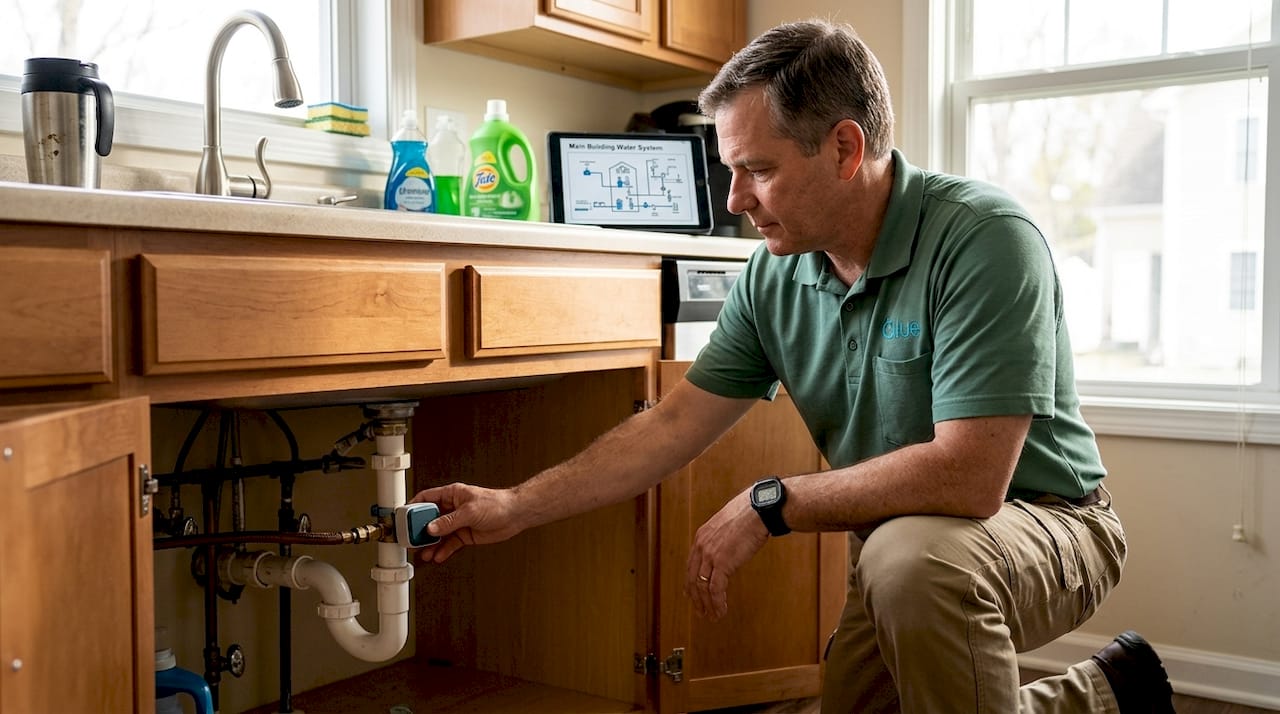
Install and configure sensors with real-time alert systems. Mount flow sensors on main water lines, position acoustic sensors along pipe runs, and place moisture sensors near fixtures. Configure alert thresholds based on your property’s baseline consumption to balance sensitivity with false alarm prevention.
-
Integrate sensors with automated shutoff valves at strategic control points. Install motorized valves on main supply lines and individual unit feeds that respond instantly to sensor alerts. Test the complete alert-to-shutoff sequence to verify response times meet your protection requirements.
-
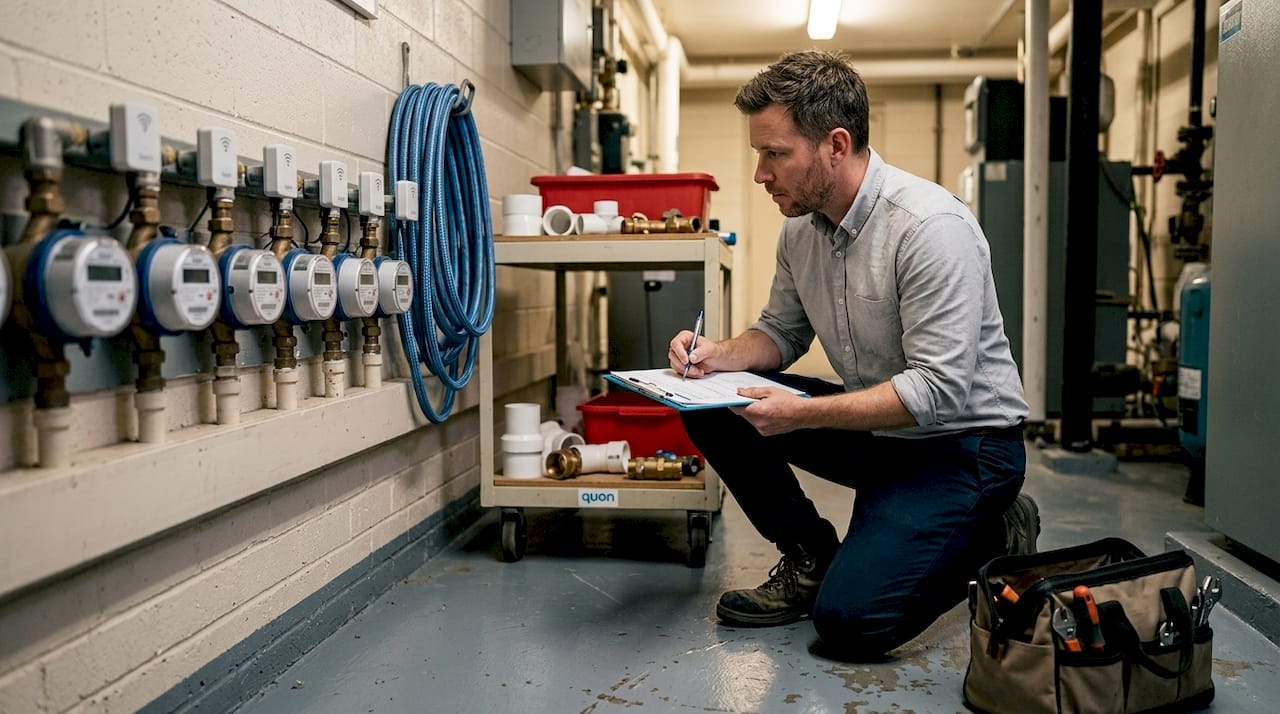
Connect the system to your building management platform for centralized monitoring. Link sensor data with existing property management software for unified oversight. Integration with tenant billing systems provides consumption tracking alongside leak detection.
-
Establish maintenance schedules and staff training protocols. Train maintenance personnel on system operation, alert interpretation, and basic troubleshooting. Schedule quarterly sensor calibration checks to maintain accuracy over time.
Pro Tip: Run a full system test during initial setup by simulating leaks at various locations. This validates sensor sensitivity, confirms alert delivery, and verifies automated shutoff response before real emergencies occur.
Document sensor locations, alert thresholds, and maintenance procedures in a centralized operations manual. When staff turnover happens, this documentation keeps your leak detection system running smoothly without knowledge gaps.
Common Mistakes and Troubleshooting Tips
Even well-planned leak detection systems encounter operational challenges that undermine performance if not addressed quickly. Recognizing common pitfalls helps you maintain system reliability year after year.
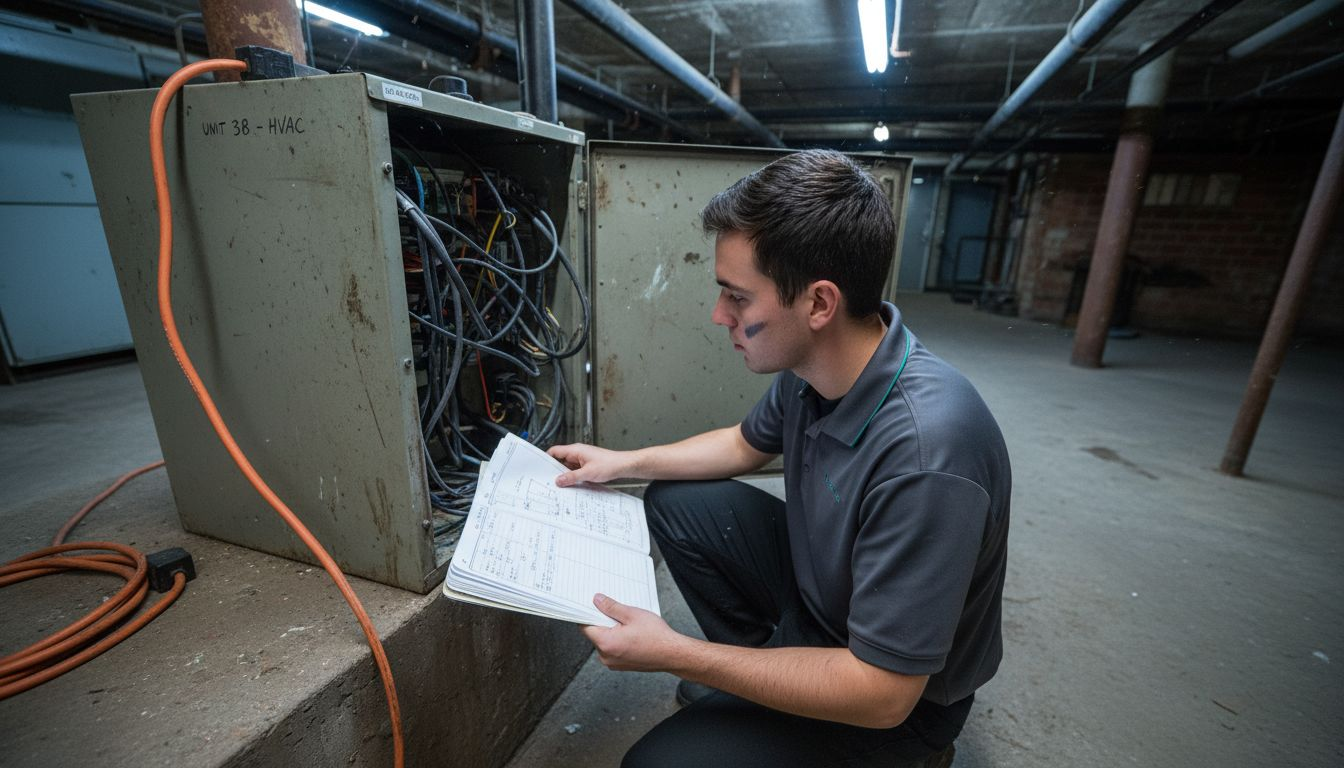
Poor sensor placement ranks as the top preventable mistake in leak detection deployments. Sensors installed too far from potential leak sources, in areas with excessive ambient noise, or without proper water flow access miss critical events. Properties without leak detection troubleshooting tips and professional guidance experience false negative rates around 30%, meaning nearly one in three actual leaks goes undetected.
Neglected maintenance creates a gradual decline in system performance that many property managers only notice after a major leak slips through. Step by Step Leak Detection for Multifamily Properties research shows that skipping routine sensor maintenance increases false alarms and missed leaks by 40% over two years. Mineral buildup on flow sensors, dust accumulation on acoustic sensors, and corroded connections on moisture sensors all degrade accuracy.
Address these common issues with straightforward fixes:
- False alarms from moisture sensors: Check for condensation sources, improve ventilation, or relocate sensors away from high-humidity areas like steam pipes.
- Missed leaks despite sensor presence: Verify sensor positioning covers all water pathways and recalibrate detection thresholds based on actual usage patterns.
- Connectivity dropouts interrupting alerts: Upgrade to mesh network systems, add WiFi extenders, or switch to cellular-enabled sensors in problem areas.
- Delayed shutoff valve response: Test valve operation monthly, replace aging motorized valves showing sluggish response, and verify power supply consistency.
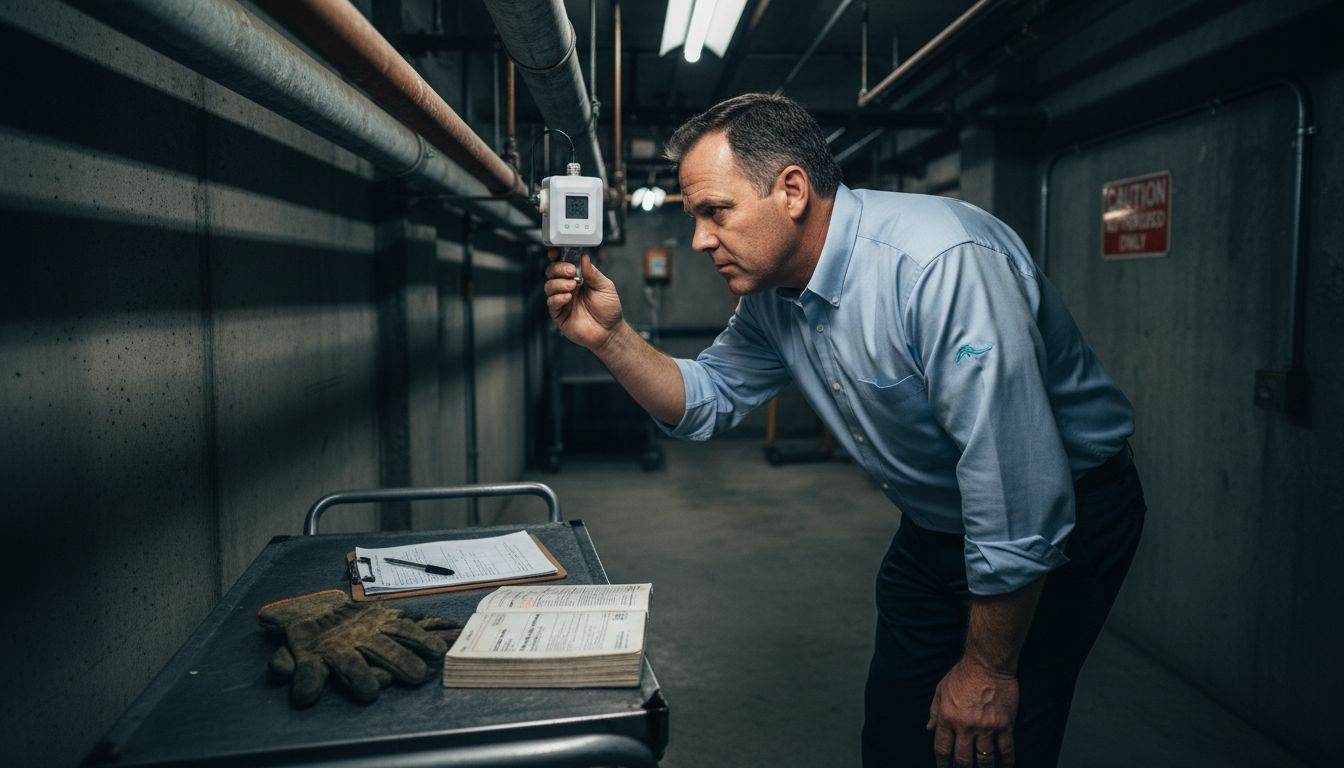
Validate your entire system quarterly through controlled leak simulations at different locations and flow rates. This proactive testing catches degraded sensors, communication failures, and configuration drift before real emergencies expose the gaps.
When troubleshooting persistent issues, start with the simplest explanations. Low batteries, loose wiring connections, and outdated firmware cause more problems than actual sensor failures. Work through basic checks before calling for expensive replacement components.
Expected Outcomes: Measuring Success and Benefits
Investing in advanced leak detection technology delivers measurable returns across multiple operational and financial dimensions. Understanding these benefits in concrete terms helps justify initial costs and guides performance tracking.
Water damage incidents drop dramatically once smart detection systems go live. Properties implementing comprehensive leak detection report up to 70% fewer water damage claims within the first year compared to baseline periods. This reduction translates directly into lower repair costs, reduced insurance claims, and fewer tenant displacement scenarios that hurt occupancy rates.
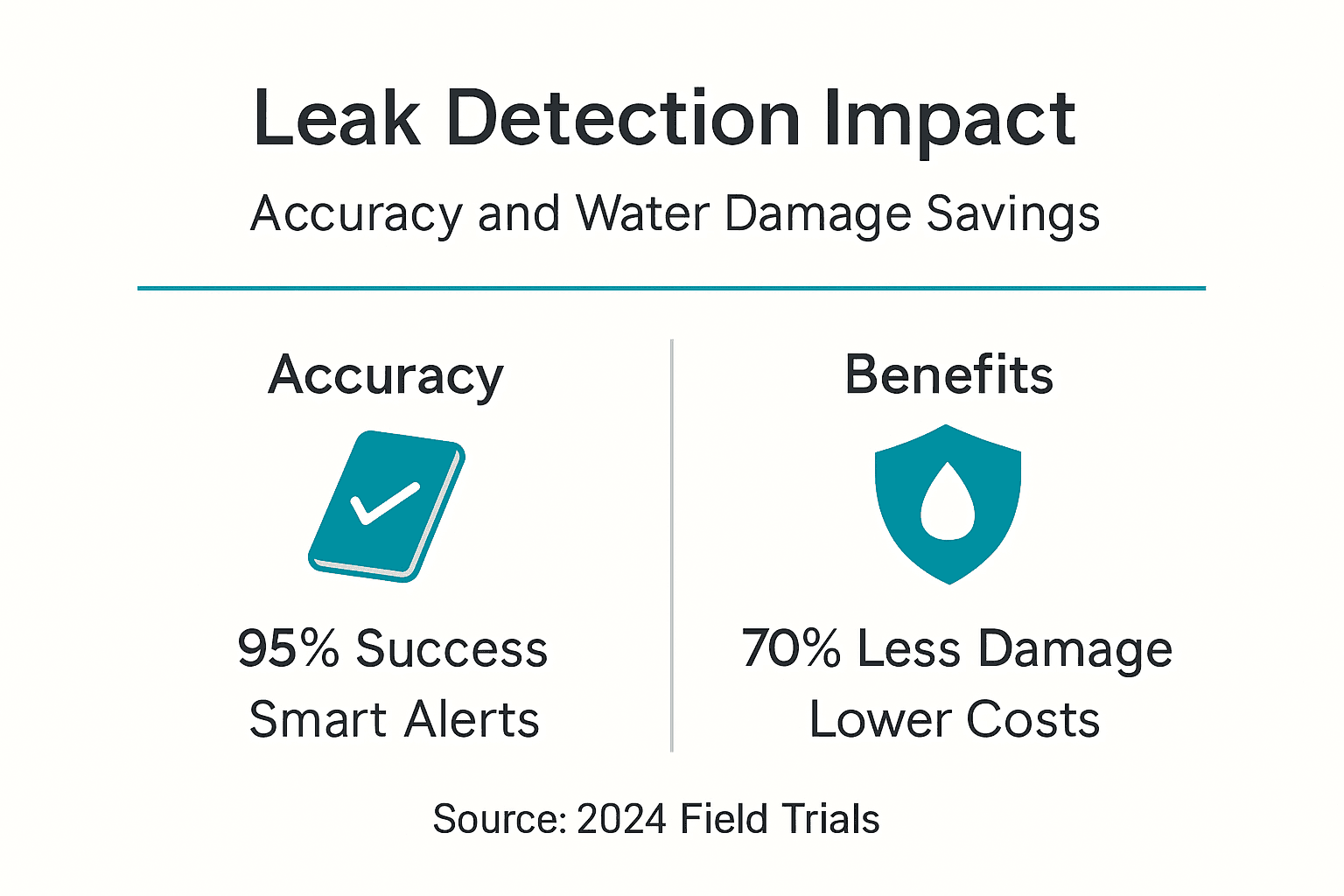
Water consumption decreases follow naturally from early leak detection and repair. Water Savings Through Smart Metering and Leak Detection documents that smart water metering combined with leak detection reduces consumption by 15% to 20% across multifamily portfolios. For a 100-unit property using 5,000 gallons daily, that translates to savings of 750 to 1,000 gallons per day and thousands in annual utility costs.
| Metric | Before Implementation | After Implementation | Improvement |
|---|---|---|---|
| Water Damage Incidents | 12 per year | 3-4 per year | 70% reduction |
| Average Damage Cost | $8,500 per incident | $2,000 per incident | 76% reduction |
| Monthly Water Consumption | 150,000 gallons | 120,000-127,500 gallons | 15-20% reduction |
| Insurance Premium | $12,000 annually | $10,560 annually | 12% reduction |
| Tenant Complaints | 45 per quarter | 12 per quarter | 73% reduction |
Insurance carriers increasingly offer premium discounts for properties with certified leak detection and automated shutoff systems. Discounts typically range from 5% to 12% depending on system sophistication and building characteristics. For properties with annual premiums of $10,000 or more, these savings compound significantly over multi-year policy periods.
“Implementing automated leak detection with real-time monitoring cut our water damage claims by two-thirds and improved tenant satisfaction scores by 28 points. The system paid for itself in under 18 months through combined water savings and reduced insurance premiums.” — Property Management Director, 450-unit California portfolio
Tenant satisfaction improvements represent another tangible benefit that affects long-term property performance. Fewer leak-related disruptions, faster response to water issues, and transparent water usage reduction benefits through consumption data all contribute to higher resident retention rates.
Track these key performance indicators monthly to quantify your leak detection ROI:
- Number of leaks detected and resolved before causing visible damage
- Total water consumption compared to baseline periods
- Average response time from leak detection to shutoff activation
- Tenant maintenance requests related to water issues
- Insurance claim frequency and average settlement amounts
Documenting these metrics creates compelling evidence for expanding leak detection systems across your entire property portfolio and justifies ongoing investment in system upgrades and maintenance.
Discover LeakSense Solutions for Leak Detection and Water Management
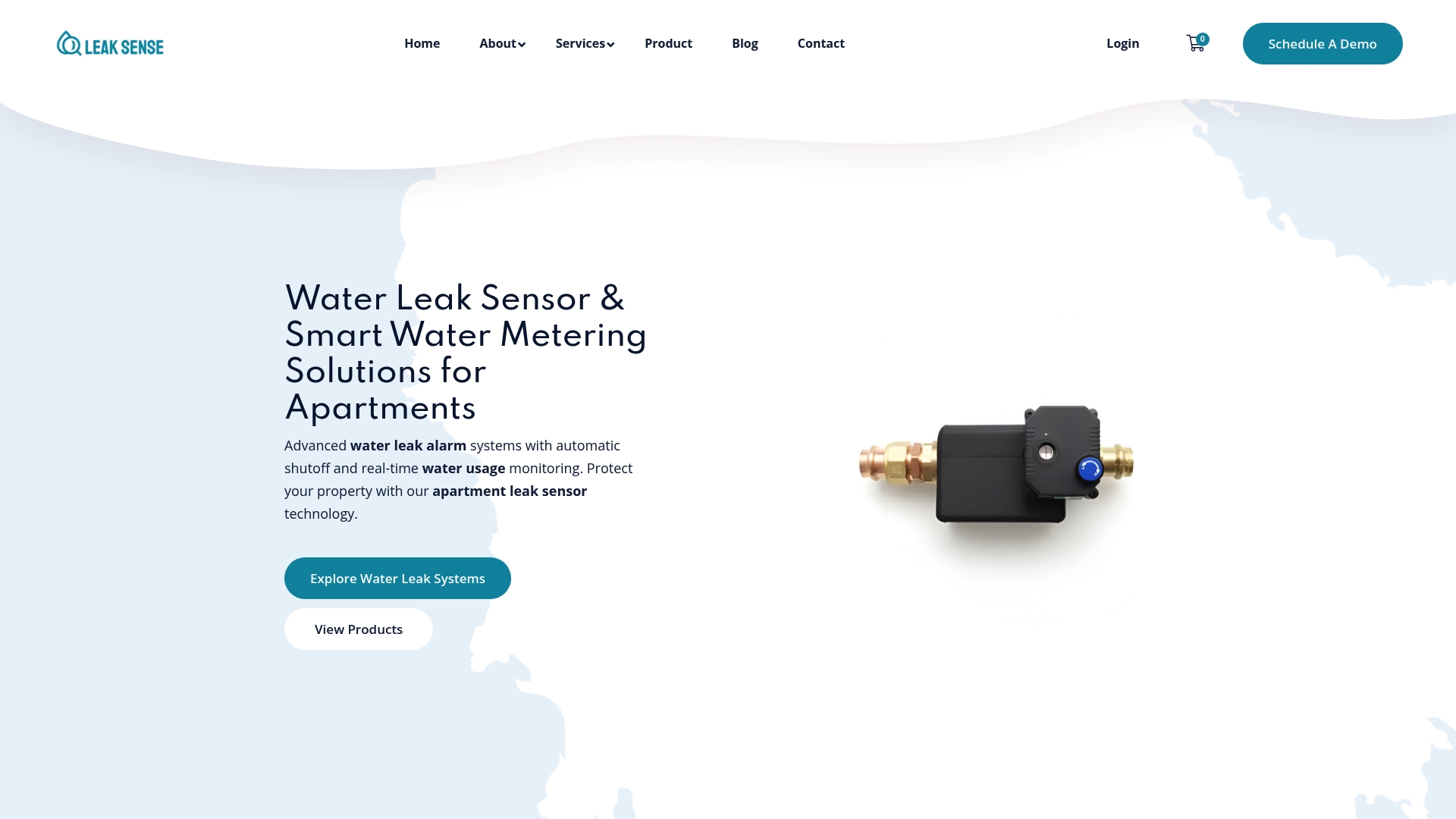
LeakSense specializes in comprehensive leak detection and water management solutions designed specifically for California multifamily properties. Our automatic leak detection with shutoff systems combine IoT sensors with instant response valves to stop leaks before damage occurs. We also provide smart water submetering solutions that track consumption by unit for accurate tenant billing while identifying usage anomalies. Our team ensures your systems meet all California compliance support requirements including Title 24 standards. Professional installation, ongoing monitoring, and expert maintenance keep your properties protected while reducing operational costs.
How to Enhance Leak Detection Frequently Asked Questions
What maintenance is required for smart leak detection systems?
Quarterly sensor calibration checks, annual battery replacements for wireless units, and monthly functional tests of automated shutoff valves maintain system accuracy. Professional technicians should inspect sensors every six months to clean buildup and verify proper operation.
How quickly do automated shutoff valves respond after a leak is detected?
Modern motorized shutoff valves close within 3 to 8 seconds after receiving a leak alert from connected sensors. Response time depends on valve size, water pressure, and system configuration, but all quality systems stop flow in under 10 seconds.
Can leak detection data help with tenant billing and water conservation?
Yes, integrated systems track consumption by unit alongside leak detection, providing accurate data for tenant billing while identifying conservation opportunities. Detailed usage reports help tenants understand their water habits and reduce overall property consumption.
Are retrofits feasible for older multifamily buildings?
Most older buildings can accommodate modern leak detection through wireless sensors that require minimal pipe modification. Flow sensors install at existing valve points, while acoustic and moisture sensors mount without invasive work, making retrofits practical even in buildings with limited access.
What are the key benefits of Title 24 compliance in leak detection?
Title 24 compliance ensures your property meets California’s water efficiency mandates, avoiding penalties while qualifying for utility rebates and insurance discounts. Compliant systems also improve property valuations and attract environmentally conscious tenants seeking sustainable housing options.