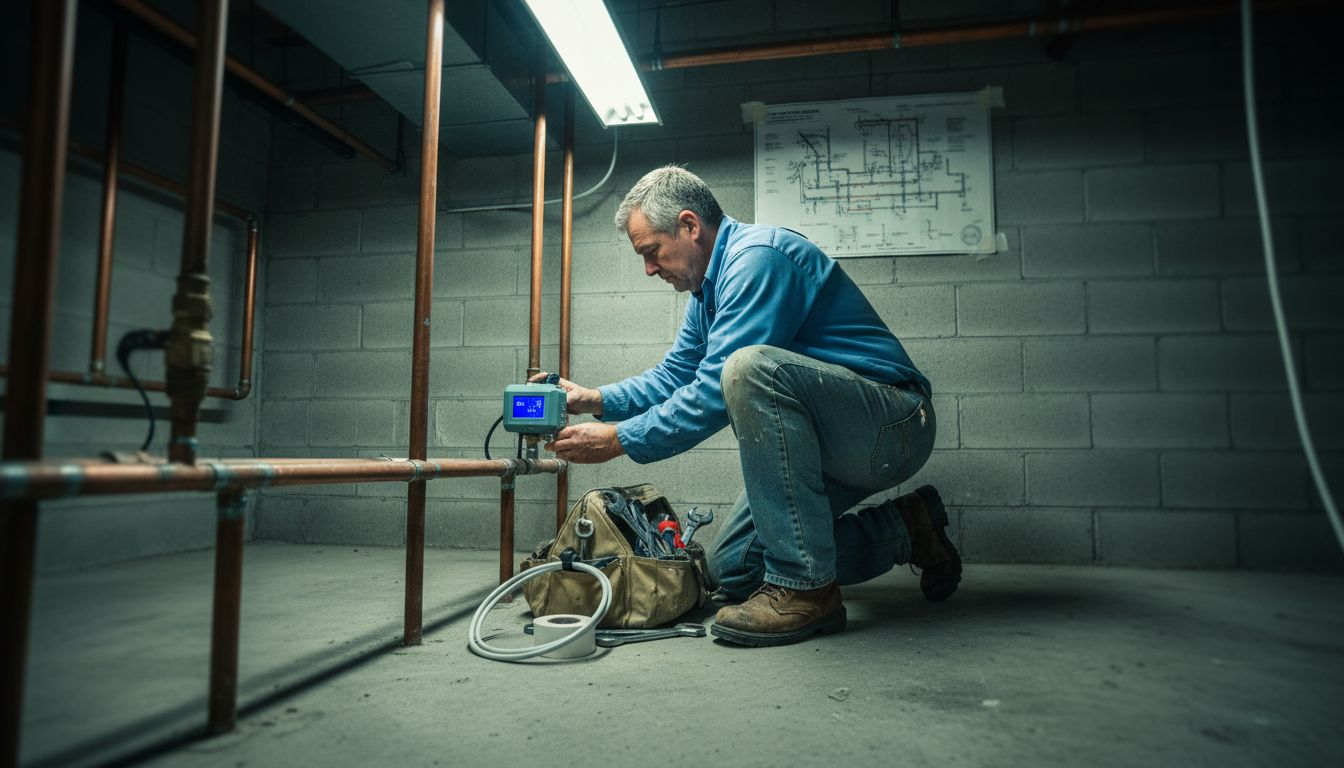
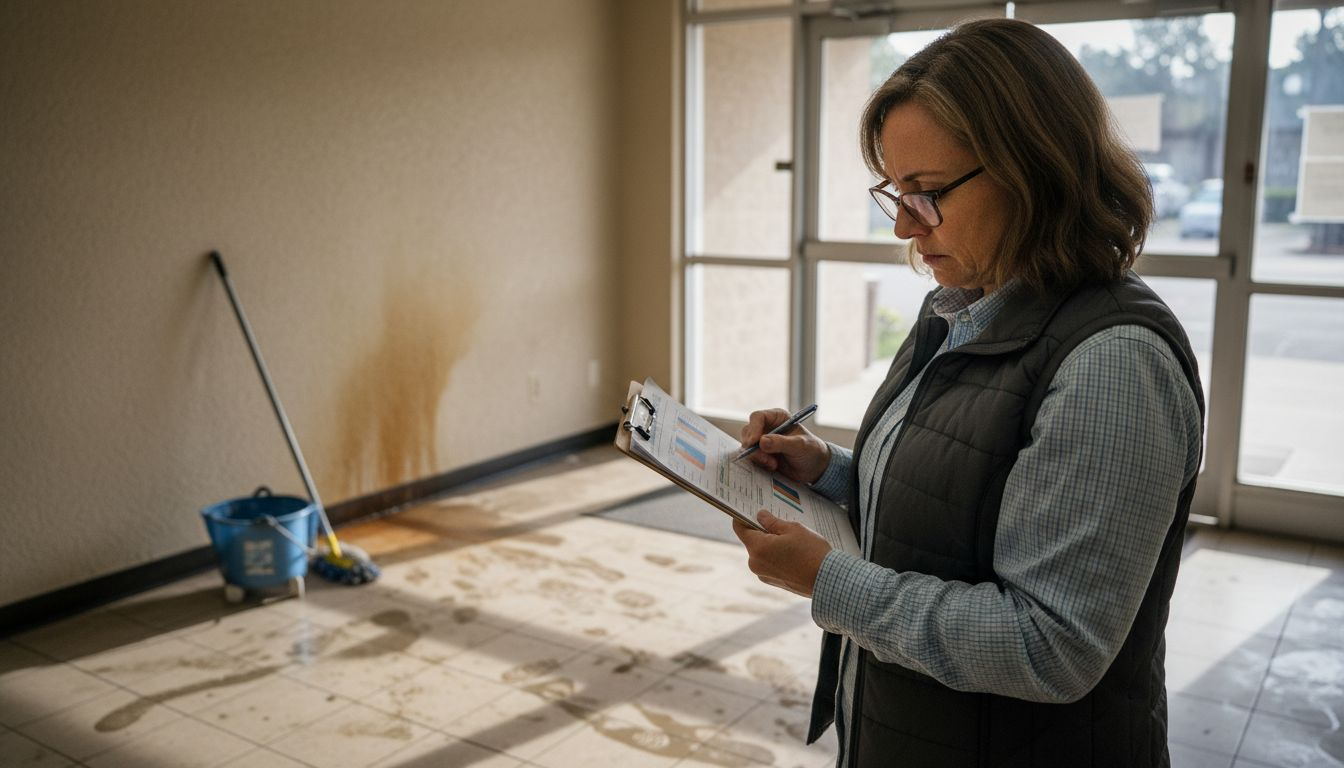
Water damage claims average nearly $14,000 per incident in commercial buildings, making undetected leaks one of the costliest operational risks property managers face. For California multifamily and commercial properties, proactive leak detection is critical for preventing expensive damage, ensuring regulatory compliance, and protecting investment value. This guide explores why leak detection matters specifically for California buildings, covering financial risks, compliance obligations, technology solutions, economic benefits, common misconceptions, and practical implementation strategies.
- Understanding The Financial And Operational Risks Of Water Leaks
- California Regulations And The Role Of Leak Detection In Compliance
- Technologies Enabling Proactive Leak Detection And Automated Response
- Key Benefits: Risk Reduction, Cost Savings, And Insurance Advantages
- Common Misconceptions About Leak Detection Systems
- Implementation Strategies For Multifamily And Commercial Buildings In California
- Explore LeakSense Solutions For Water Leak Detection And Compliance
- Frequently Asked Questions About Leak Detection For Multifamily And Commercial Buildings
Key takeaways
| Point | Details |
|---|---|
| Financial impact | Undetected water leaks generate costly insurance claims averaging $14,000 and trigger rapid mold growth within 24 to 48 hours. |
| California compliance | State regulations including Title 24 and Water Loss Performance Standards mandate active leak detection and continuous monitoring in multifamily buildings. |
| Technology solutions | IoT sensors with automated shutoff valves enable real-time detection and immediate response to minimize water damage. |
| Economic advantages | Leak detection reduces insurance premiums, prevents structural damage, lowers water bills, and can cut damage claims by up to 90%. |
| Implementation path | Assess building vulnerabilities, pilot systems in test areas, train staff, and maintain equipment regularly for ongoing protection. |
Understanding the financial and operational risks of water leaks
Water leaks threaten your building’s financial health and operational stability. Average water damage claims cost $13,954, ranking as the second most frequent property insurance loss. These expenses escalate quickly when leaks go undetected for days or weeks.
Mold begins developing within 24 to 48 hours after water exposure, creating health hazards for tenants and requiring expensive remediation. Remediation costs often exceed initial damage repair expenses, especially when mold spreads through walls and HVAC systems. Hidden leaks behind walls or under floors cause structural deterioration that compromises building integrity and safety.
Common leak sources in multifamily properties include aging pipe connections, water heater failures, toilet flapper deterioration, and appliance hose ruptures. Commercial buildings face additional risks from cooling system condensate lines, irrigation system failures, and roof drainage issues. Property managers who lack early detection systems face these cascading costs:
- Emergency repair expenses during off-hours at premium rates
- Tenant displacement costs and potential lease terminations
- Lost rental income during repairs and remediation
- Increased insurance premiums after claims
- Liability exposure from tenant property damage
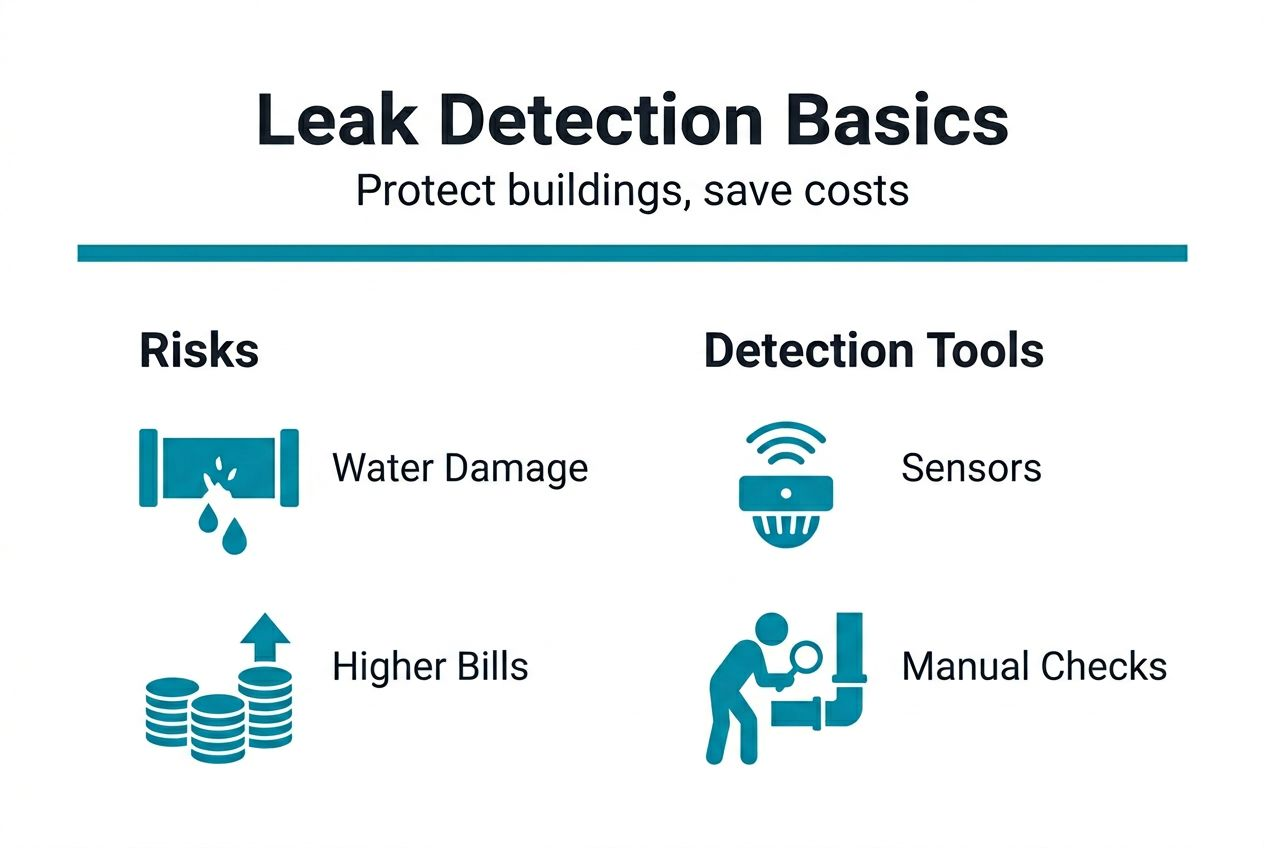
Understanding water leak detection basics helps you recognize vulnerabilities before they become expensive crises. Without proactive monitoring, small leaks compound into major failures. A pinhole leak releasing just one gallon per hour wastes 8,760 gallons annually while creating conditions for structural damage.
Pro Tip: Document all leak incidents and associated costs to build your business case for automated detection systems.
California regulations and the role of leak detection in compliance
California imposes strict water management requirements that directly impact your compliance obligations. California Water Loss Performance Standards mandate continuous flow monitoring and active leak detection practices to reduce water waste statewide. These regulations apply to multifamily and commercial properties connected to public water systems.
Title 24 requires water efficiency monitoring in multifamily buildings as part of California’s energy code framework. The mandate integrates water management into building performance goals, requiring property owners to track consumption patterns and identify anomalies. Compliance documentation must demonstrate active monitoring capabilities, not just periodic manual inspections.
Leak detection systems support your regulatory reporting by:
- Providing continuous flow data for Water Loss Performance Standard submissions
- Generating automated records of leak detection and response times
- Documenting water conservation efforts for municipal ordinance compliance
- Supporting LEED certification applications with verified water savings data
Local water agencies across California enforce additional conservation ordinances during drought conditions. Properties with documented leak detection systems demonstrate compliance more easily during audits. Non-compliance risks include penalties, mandatory retrofit orders, and potential restrictions on new construction permits for property portfolios.
Understanding leak detection and water regulations positions you ahead of enforcement actions. Proactive implementation through California compliance support services ensures your systems meet current standards and adapt to evolving requirements. State agencies increasingly scrutinize large properties, making automated monitoring essential for demonstrating good faith water stewardship.
Technologies enabling proactive leak detection and automated response
Modern leak detection relies on IoT-enabled sensors that monitor water flow continuously at multiple points throughout your building. These devices measure flow rates, pressure changes, and usage patterns to identify anomalies indicating leaks. Real-time alerts notify property management teams immediately when sensors detect irregular activity, enabling rapid response before damage escalates.
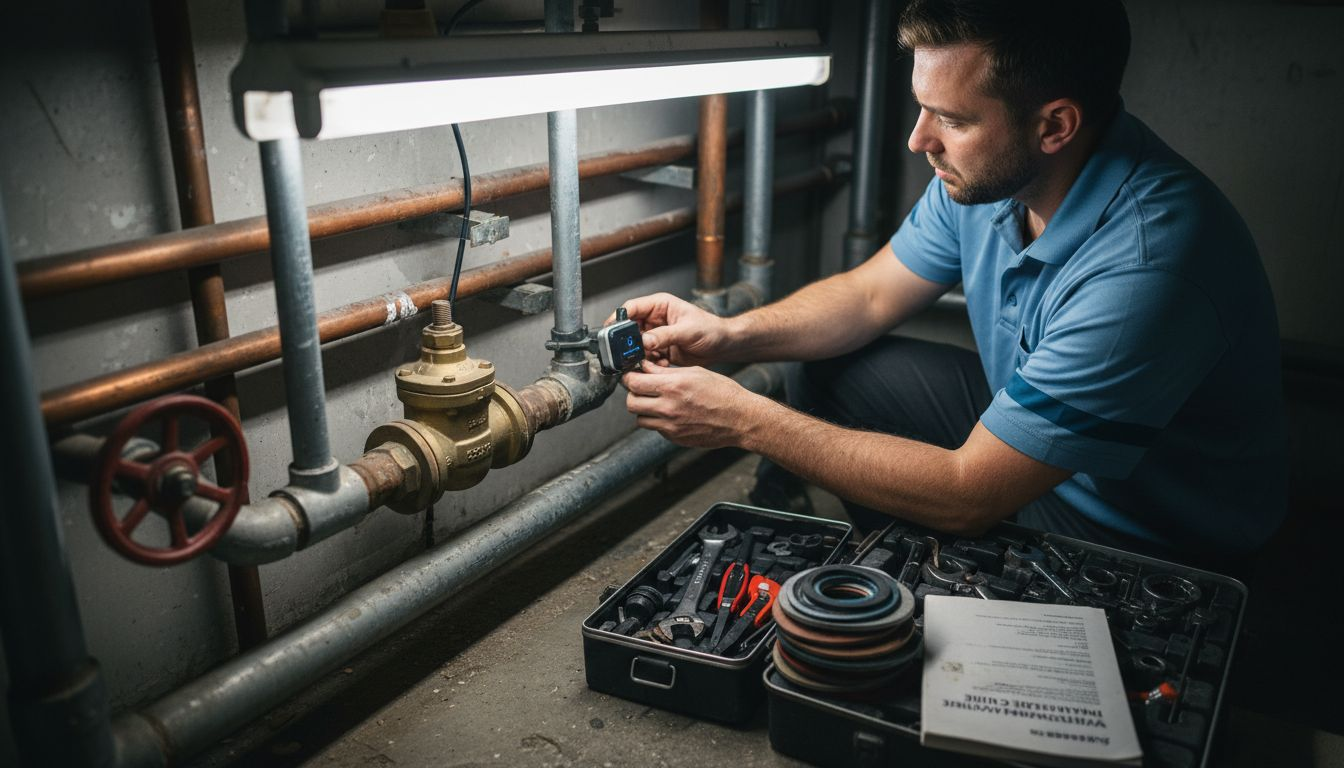
Automated shutoff valves integrate with sensor networks to stop water flow instantly when major leaks occur. Smart valves respond within seconds of detection, minimizing water damage during off-hours when staff may not be present. Remote shutoff capabilities let you control water access from mobile devices, adding flexibility for maintenance and emergencies.
Data analytics platforms transform raw sensor data into actionable insights:
- Baseline consumption patterns for each unit or zone
- Anomaly detection algorithms that flag unusual usage
- Predictive maintenance alerts before equipment failures
- Regulatory compliance reports with verified water savings
- Tenant billing data for submetering programs
Automatic leak alerts enhance water management efficiency by categorizing leak severity and routing notifications to appropriate personnel. Minor leaks trigger maintenance work orders, while major events activate emergency protocols and automated shutoff sequences.
Implementing IoT leak detection technology follows these steps:
- Assess building layout and identify critical monitoring points including main supply lines, individual units, common areas, and equipment rooms.
- Select sensors and valves compatible with existing plumbing infrastructure and building management systems.
- Install devices at strategic locations with professional integration into your network infrastructure.
- Configure monitoring thresholds and alert protocols tailored to your property’s normal usage patterns.
- Train staff on alert interpretation, response procedures, and system maintenance requirements.
- Integrate data feeds with property management software for centralized visibility and reporting.
- Schedule regular testing and calibration to maintain accuracy and reliability.
Pro Tip: Choose systems with open API architecture for seamless integration with existing building management platforms, avoiding vendor lock-in and enabling future upgrades.
Key benefits: risk reduction, cost savings, and insurance advantages
Leak detection systems deliver measurable financial returns through multiple channels. Properties with automated monitoring reduce water damage claims by up to 90% compared to buildings relying solely on manual inspections. Early detection prevents minor leaks from becoming catastrophic failures requiring extensive repairs and tenant displacement.
Insurance carriers recognize the risk reduction value of documented leak detection systems. Many providers offer premium discounts ranging from 5% to 15% for commercial properties with certified monitoring. Underwriters view automated shutoff capabilities as strong risk mitigation, potentially improving coverage terms and claims handling. Lower loss ratios from prevented damage strengthen your negotiating position during policy renewals.
Financial advantages extend beyond insurance:
- Eliminated emergency repair premiums by catching leaks during business hours
- Reduced water utility costs from quickly addressed waste
- Avoided mold remediation expenses through rapid response
- Protected property values by preventing structural damage
- Improved tenant satisfaction and retention from proactive maintenance
Benefits of smart water sensors compound over time as systems learn your building’s patterns and refine detection accuracy. Automatic alerts benefits include faster response times that directly correlate with damage severity reduction.
| Feature | Manual Inspections | Sensor-Only Systems | IoT with Automated Shutoff |
|---|---|---|---|
| Detection Speed | Days to weeks | Minutes to hours | Seconds to minutes |
| After-Hours Coverage | None | Alerts only | Alerts plus automatic shutoff |
| False Positive Rate | N/A | Moderate (10-15%) | Low (under 5%) |
| Response Time | 4-24 hours | 1-4 hours | Immediate automatic response |
| Damage Prevention | Limited | Moderate (30-50% reduction) | High (up to 90% reduction) |
| Compliance Documentation | Manual logs | Automated logs | Comprehensive audit trail |
| Installation Cost | None | $50-150 per sensor | $200-400 per zone |
| ROI Timeline | N/A | 2-3 years | 1-2 years |
Water metering systems enable submetering for tenant billing, recovering water costs while incentivizing conservation. Properties implementing comprehensive monitoring typically achieve payback within 12 to 24 months through combined savings from reduced claims, lower premiums, decreased utility costs, and avoided emergency repairs.
Pro Tip: Calculate your property’s specific ROI by documenting current water costs, insurance premiums, and historical leak repair expenses, then model reductions based on industry benchmarks for automated systems.
Common misconceptions about leak detection systems
Many property managers hesitate to invest in leak detection based on outdated assumptions. Understanding the realities helps you make informed decisions about protecting your assets.
Misconception: Leak detection systems cost too much with questionable ROI. Reality: Modern IoT sensors range from $50 to $400 per monitoring point, with full building implementations typically paying for themselves within one to two years. A single prevented major leak often covers the entire system cost. Insurance premium reductions alone can offset annual monitoring fees.
Misconception: Manual inspections by maintenance staff provide adequate protection. Reality: Staff inspections only catch visible leaks and occur infrequently. Hidden leaks behind walls, under floors, or in ceiling spaces go undetected for weeks or months, causing extensive damage before discovery. Automated systems monitor continuously, detecting pressure changes and flow anomalies that indicate problems before visible signs appear.
Misconception: Leak detection only benefits older buildings with aging infrastructure. Reality: All buildings face water leak risks regardless of age. New construction experiences failures from installation defects, material defects, and settling. Appliance connections, water heaters, and fixtures fail at predictable rates across all building ages. Even brand new multifamily properties benefit from monitoring to catch installation issues during warranty periods.
Misconception: Systems generate too many false alarms, creating alert fatigue. Reality: Modern IoT platforms use machine learning to establish baseline patterns and reduce false positives below 5%. Adjustable sensitivity settings let you balance detection accuracy with alert frequency. Smart systems distinguish between legitimate usage spikes like morning showers and actual leak conditions.
Misconception: Implementation disrupts operations and requires extensive downtime. Reality: Professional installation typically completes within days with minimal tenant impact. Wireless sensors install without cutting pipes or walls. Staged rollouts allow you to pilot systems in test areas before full deployment.
Implementation strategies for multifamily and commercial buildings in California
Successful leak detection implementation follows a structured approach tailored to your property’s specific needs and California’s regulatory environment. Strategic planning ensures maximum protection while meeting compliance requirements efficiently.
-
Assess current vulnerabilities by reviewing historical leak incidents, insurance claims, and building age. Identify high-risk areas including mechanical rooms, top floor units, laundry facilities, and buildings with aging infrastructure.
-
Review California regulatory requirements including Title 24 provisions and local water conservation ordinances. Document compliance gaps that leak detection systems will address.
-
Select technology that matches your needs, prioritizing IoT-enabled sensors with automated shutoff for comprehensive protection. Evaluate systems based on wireless connectivity, battery life, integration capabilities, and vendor support for California regulations.
-
Pilot implementation in a representative building section to validate performance and refine installation procedures. Test area should include diverse leak risk scenarios like residential units, common areas, and mechanical spaces.
-
Measure pilot results including detection accuracy, false alarm rates, response times, and staff feedback. Calculate actual ROI based on prevented incidents and operational improvements.
-
Expand deployment across the property portfolio using lessons learned during pilot phase. Prioritize highest risk buildings first for maximum immediate impact.
-
Train maintenance staff and property managers on alert interpretation, response protocols, system testing procedures, and tenant communication. Cross-train multiple team members to ensure coverage during absences.
-
Integrate leak detection data with existing building management systems and property management software for centralized visibility. Configure automated work order generation for efficient response coordination.
-
Establish preventive maintenance schedules including quarterly sensor testing, annual calibration, battery replacement, and valve operation verification.
-
Document all system activities for regulatory compliance reporting including leak incidents, response times, water savings, and system maintenance records.
Pro Tip: Partner with vendors experienced in California’s regulatory landscape to streamline compliance and avoid implementation pitfalls specific to state requirements.
Setting up leak detection systems requires attention to building-specific factors like water pressure zones and plumbing layouts. Step by step leak detection guides provide detailed implementation frameworks. Understanding leak alarms in California multifamily properties ensures your approach aligns with state-specific best practices.
Regular system evaluation ensures ongoing effectiveness. Review alert patterns quarterly to identify emerging issues like slowly failing fixtures. Update detection thresholds as building usage patterns change with tenant turnover or seasonal variations. Schedule annual system audits to verify continued compliance with evolving California regulations.
Explore LeakSense solutions for water leak detection and compliance
LeakSense specializes in water management technology designed specifically for California multifamily and commercial properties. Our IoT-enabled automatic leak detection systems combine real-time monitoring with automated shutoff to prevent costly water damage before it escalates.
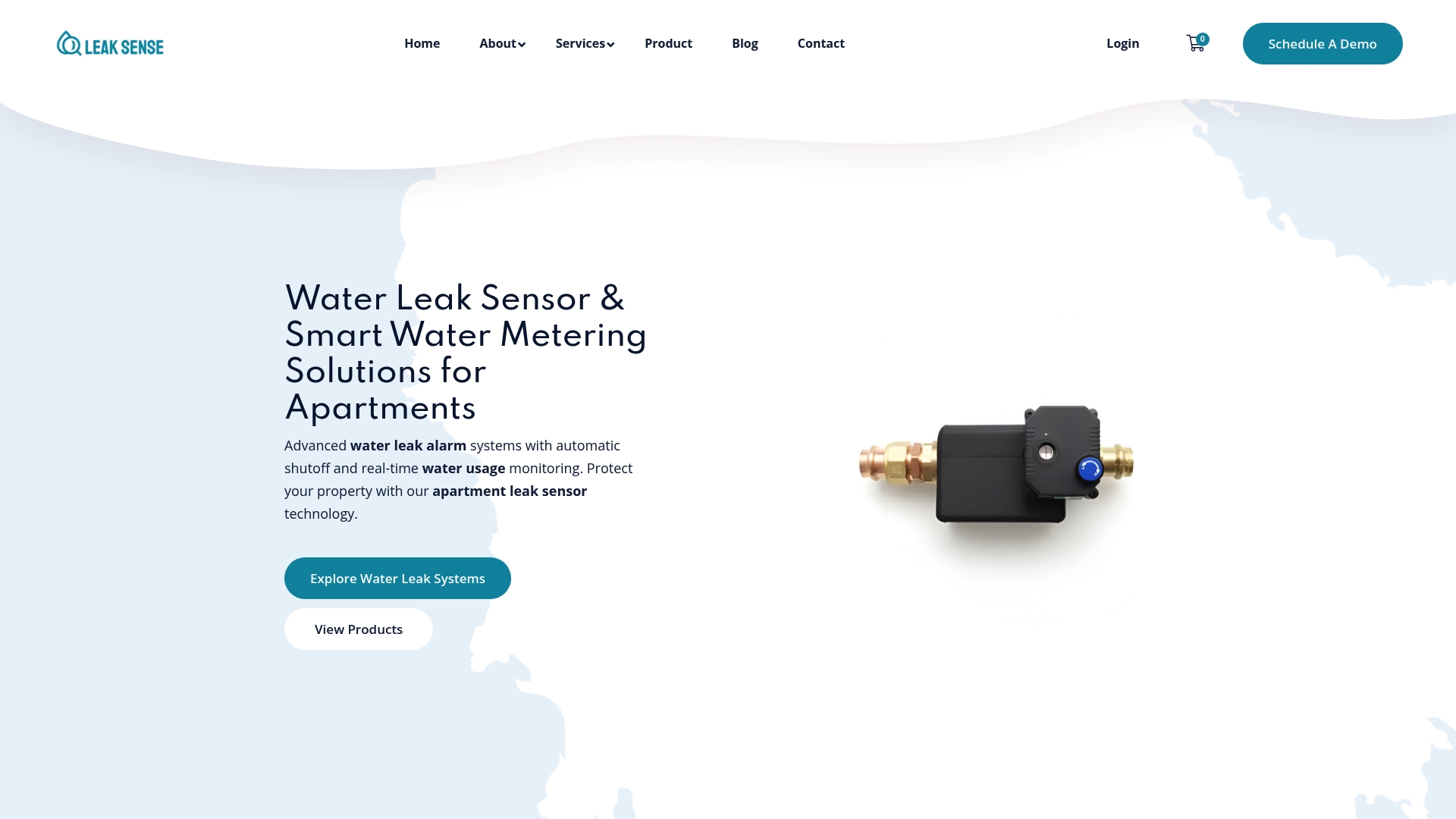
Our water metering systems deliver comprehensive analytics for efficient water management, tenant billing, and regulatory reporting. Advanced platforms track consumption patterns, identify anomalies, and generate compliance documentation for Title 24 and Water Loss Performance Standards. Customizable dashboards provide the visibility you need to optimize operations and demonstrate water stewardship.
California compliance support services ensure your leak detection implementation meets all state and local requirements. Our team understands the nuances of California regulations and designs solutions that satisfy current mandates while preparing for future standards. Professional installation, staff training, and ongoing support help you maximize your investment in water protection technology.
Frequently asked questions about leak detection for multifamily and commercial buildings
How much does installing a leak detection system typically cost?
Installation costs range from $2,000 to $15,000 depending on building size and system complexity. Basic sensor networks for small properties start around $2,000, while comprehensive IoT systems with automated shutoff for large commercial buildings reach $15,000 or more. Most systems achieve payback within 12 to 24 months through prevented damage and reduced insurance premiums.
What California regulations require leak detection in multifamily buildings?
California Water Loss Performance Standards mandate continuous flow monitoring and active leak detection practices for properties connected to public water systems. Title 24 requires water efficiency monitoring in multifamily buildings as part of the state energy code. Local water agencies may impose additional conservation ordinances requiring documented leak detection capabilities.
Can leak detection systems reduce my insurance premiums?
Yes, many commercial property insurers offer premium discounts ranging from 5% to 15% for buildings with certified leak detection and automated shutoff systems. Underwriters recognize these systems as strong risk mitigation measures that significantly reduce the frequency and severity of water damage claims. Contact your insurance provider to discuss available discounts and documentation requirements.
Are automated shutoff valves reliable in emergency leak situations?
Modern automated shutoff valves achieve reliability rates exceeding 99% when properly maintained. These devices respond within seconds of leak detection, stopping water flow before significant damage occurs. Regular testing and maintenance ensure continued reliability. Choose valves rated for your building’s water pressure and install backup power supplies for operation during electrical outages.
How often should leak detection systems be maintained or tested?
Test sensors and shutoff valves quarterly to verify proper operation and alert functionality. Schedule annual professional inspections including calibration, battery replacement, and software updates. Replace sensor batteries every two to three years depending on model specifications. Document all maintenance activities for compliance reporting and insurance requirements.