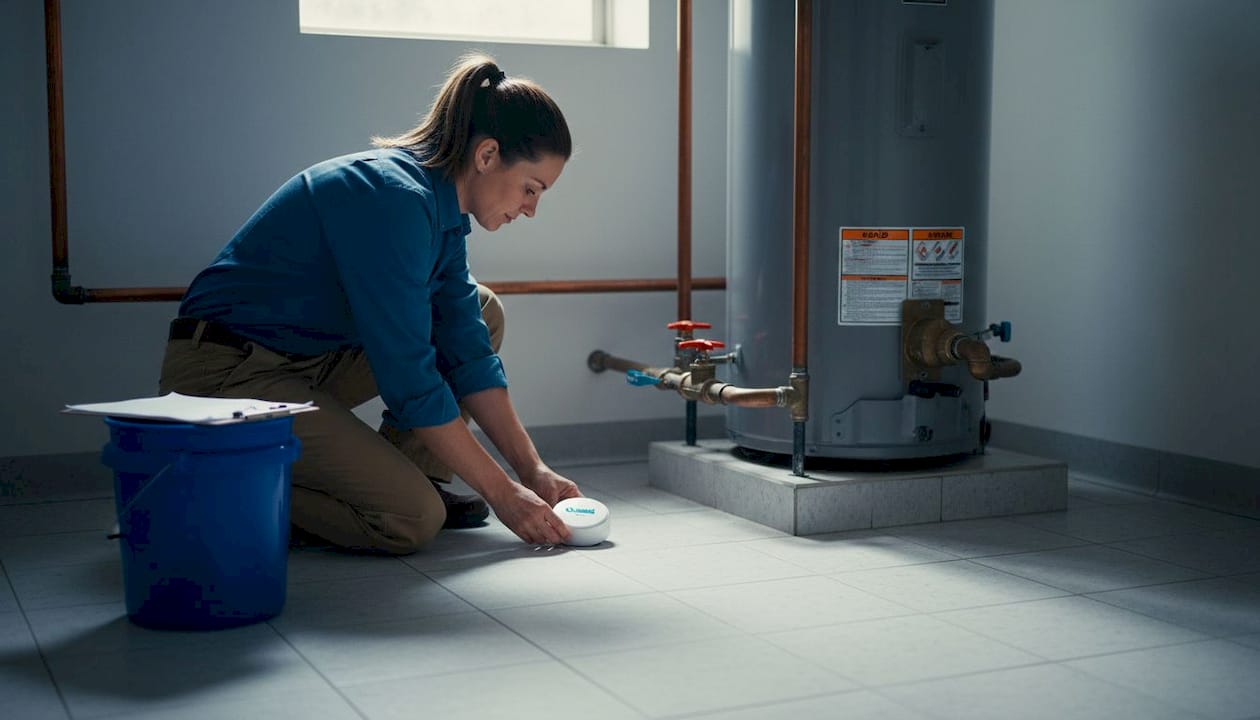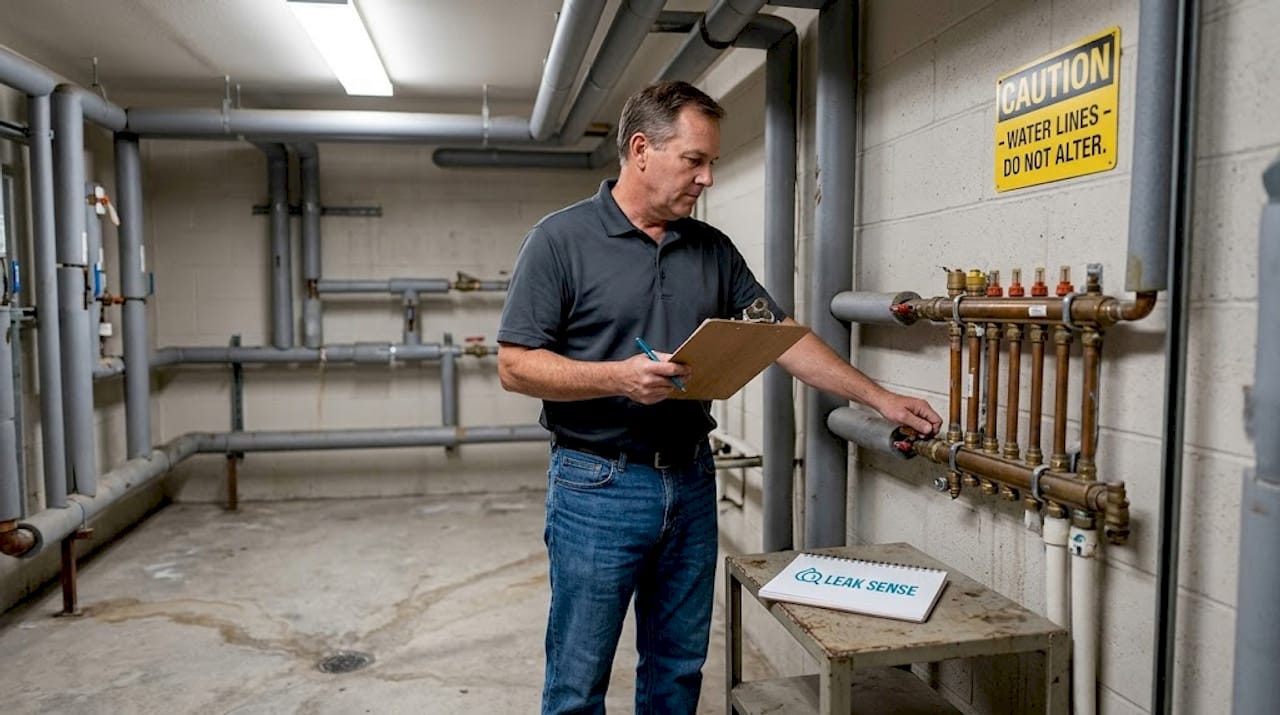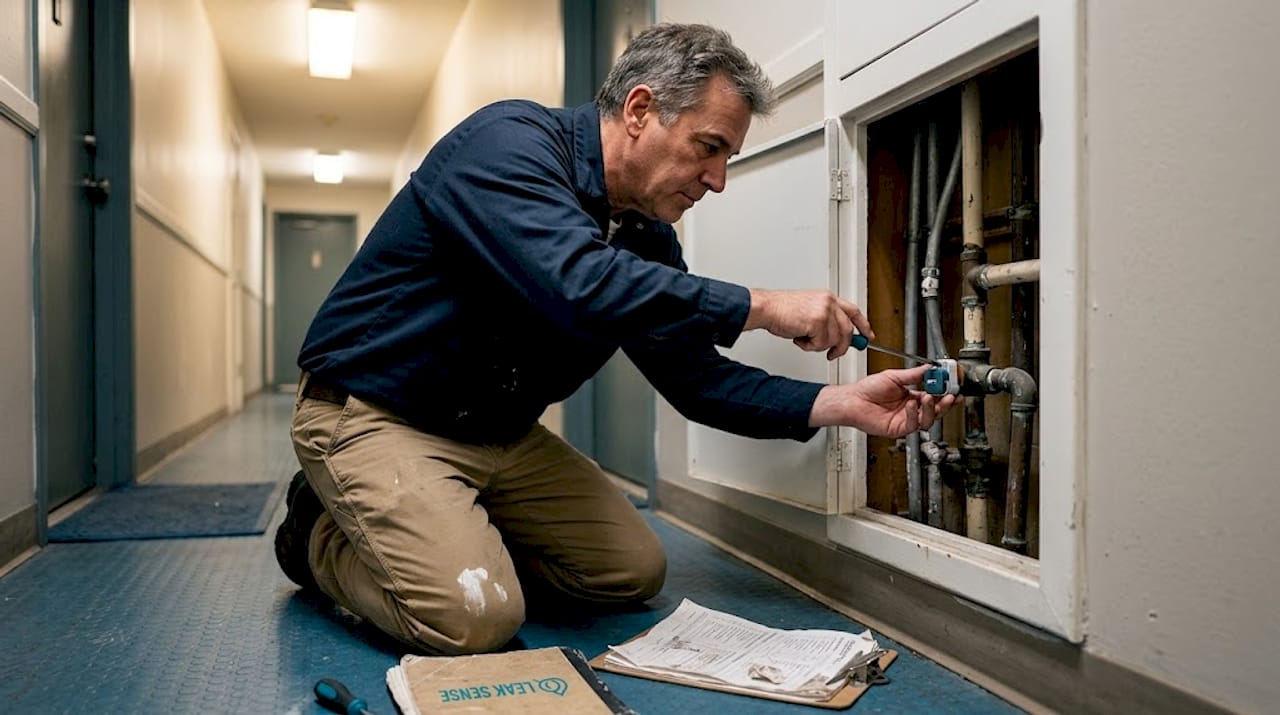
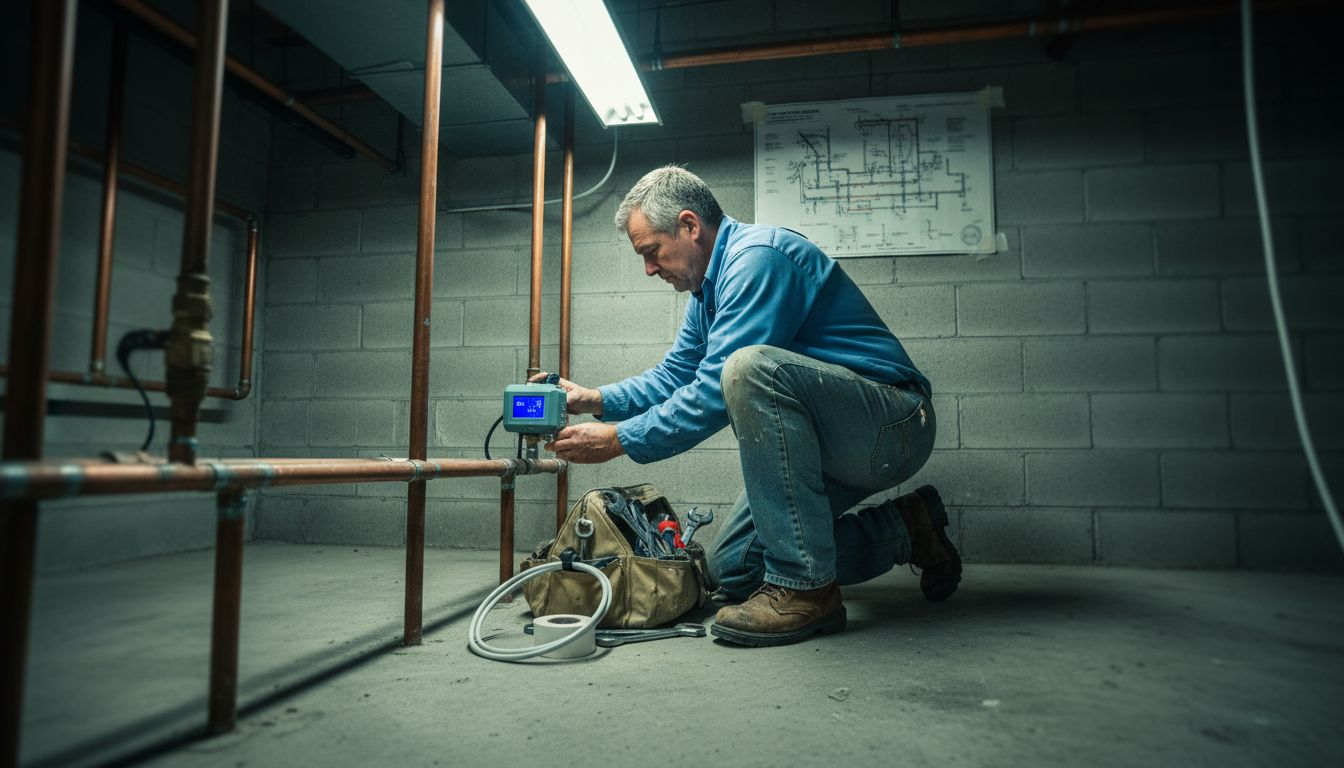
Automated water shutoff systems reduce water damage claims by up to 90% in California multifamily and commercial buildings. These smart technologies combine real-time flow monitoring with autonomous valve control to protect properties from costly leaks while ensuring regulatory compliance. Property managers and facility operators increasingly adopt these systems to meet insurance requirements, lower operating costs, and satisfy evolving state water regulations.
- Introduction To Automated Water Shutoff Systems
- California Water Regulations Relevant To Automated Water Shutoff
- Benefits Of Automated Water Shutoff Systems
- Insurance Incentives And Mandates For Automated Water Shutoff Devices
- Common Misconceptions About Automated Water Shutoff
- Implementation Strategies And Best Practices
- Case Studies And Real-World Examples
- Summary And Next Steps For Property Managers
- Protect Your Property With LeakSense Automated Solutions
Key takeaways
| Point | Details |
|---|---|
| Technology integration | Automated systems combine sensors, shutoff valves, and cloud analytics for real-time leak prevention. |
| California compliance | SB 998 and SB 3 mandate customer protections affecting residential water service terminations. |
| Financial impact | Systems reduce water damage claims by 90% and lower water costs by 15-20%. |
| Insurance requirements | California insurers increasingly require automated shutoff devices for policy eligibility. |
| Professional implementation | Expert installation and ongoing training ensure system reliability and regulatory compliance. |
Introduction to automated water shutoff systems
Automated water shutoff systems employ sensors and autonomous valves integrated with cloud analytics for leak detection and prevention. These advanced technologies monitor water flow continuously, identify anomalies instantly, and shut off water supplies automatically without human intervention. The integration of hardware and software creates a comprehensive defense against water damage in multifamily residential and commercial buildings throughout California.
The technology operates through three interconnected layers. The detection layer consists of flow sensors installed at strategic points throughout the plumbing infrastructure, measuring water velocity, pressure, and usage patterns in real time. The control layer includes automated valves positioned at main supply lines or individual unit connections, capable of closing within seconds when the system detects unusual flow patterns. The management layer comprises cloud-based analytics platforms that process sensor data, generate alerts, provide usage reports, and enable remote control through web dashboards or mobile applications.
Property managers deploy these systems across various applications in California multifamily and commercial properties. Common installations include main building water lines, individual apartment units, mechanical rooms, and high-risk areas such as laundry facilities or water heater locations. The systems prove particularly valuable for properties managing multiple units where a single leak can cascade into extensive damage affecting numerous tenants and common areas.
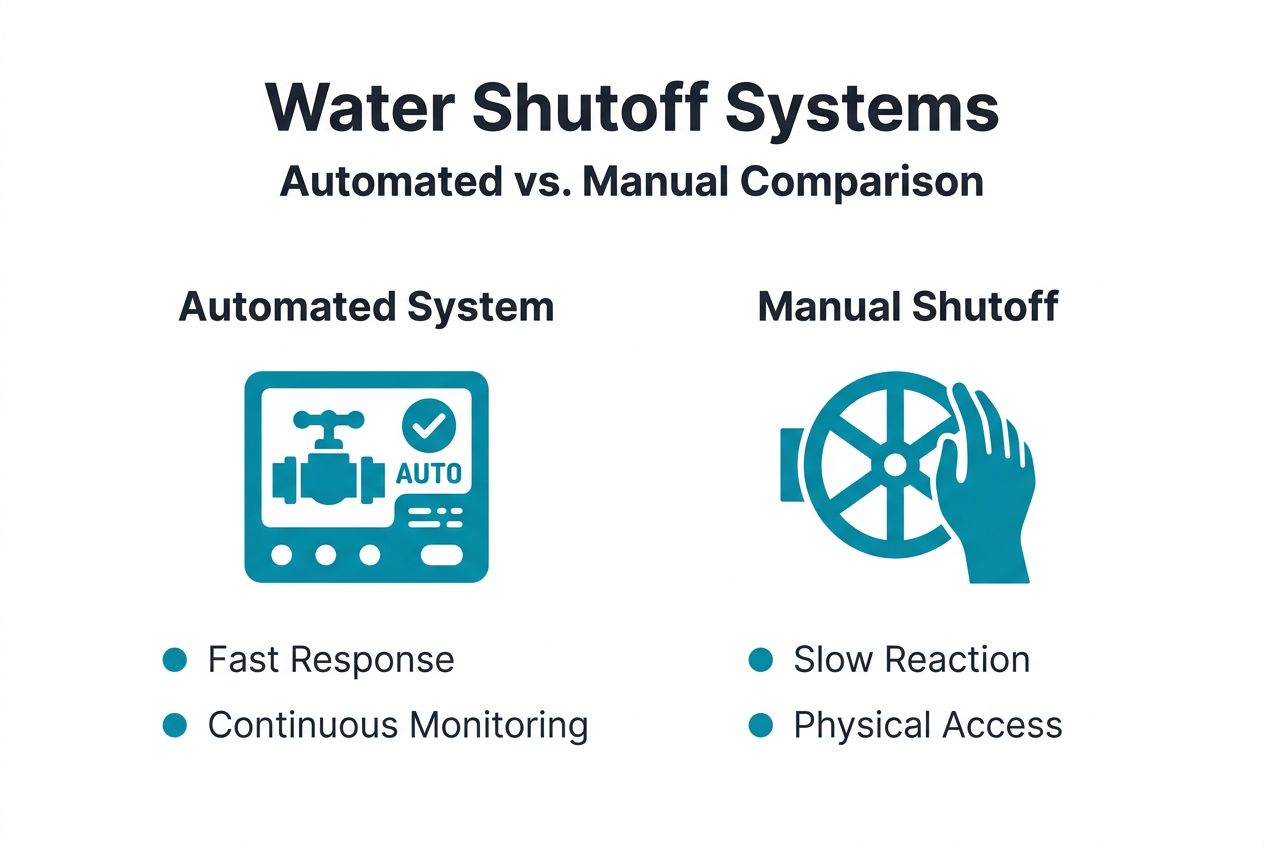
Modern automated systems offer significant advantages over traditional manual shutoff valves. Manual valves require physical presence, immediate awareness of the leak, and quick action to prevent damage. Automated systems eliminate these human factors by responding instantaneously to detected anomalies, even when properties are unoccupied or during overnight hours. Remote monitoring capabilities allow facility operators to track water usage patterns, identify inefficiencies, and respond to alerts from any location with internet connectivity.
Pro Tip: Opt for systems with cloud integration to enable 24/7 real-time alerts and operational insights. Cloud platforms provide historical data analytics that reveal usage trends, support tenant billing accuracy, and document compliance with regulatory requirements. These features transform reactive maintenance into proactive automatic leak detection strategies that prevent problems before they escalate into costly emergencies.
California water regulations relevant to automated water shutoff
California water regulations create a complex framework that property managers must navigate when implementing water management technologies. The Water Shutoff Protection Act requires community water systems in California serving more than 200 connections to limit nonpayment water shutoffs with customer protections since 2020. This legislation establishes minimum standards for written policies, advance notice requirements, and payment plan options before water service termination for nonpayment can occur.
SB 3 expanded SB 998 protections effective August 1, 2024 to include smaller community water systems with 15-200 connections. This expansion significantly broadened the regulatory scope, bringing thousands of additional properties under compliance requirements. Property managers operating in communities served by these smaller water systems now face the same customer protection obligations as larger systems, requiring updated policies and procedures to ensure legal compliance.
The regulatory framework applies specifically to residential water service contexts. The Water Shutoff Protection Act applies only to residential water service terminations for nonpayment, excluding commercial water shutoffs. This distinction matters significantly for property managers who oversee mixed-use properties or purely commercial facilities. Commercial tenants do not receive the same shutoff protections, allowing property managers greater flexibility in enforcing payment terms for business occupants.
Understanding these regulatory boundaries helps property managers implement compliant water management strategies. Automated water shutoff systems support compliance by providing documented records of water usage, leak events, and emergency shutoffs unrelated to nonpayment disputes. The technology enables property managers to distinguish between protective shutoffs triggered by leaks and policy-driven shutoffs related to tenant payment issues.
The Water Shutoff Protection Act legally mandates protections but only covers residential nonpayment shutoffs, leaving property managers responsible for understanding which situations require compliance with advance notice and payment plan requirements versus emergency leak prevention responses.
Property managers should review their water service agreements, verify whether their properties fall under SB 998 or SB 3 jurisdiction, and ensure their shutoff policies align with state requirements. Automated systems provide supporting infrastructure for compliance by maintaining records and enabling rapid emergency responses that protect property assets while respecting tenant rights. Detailed Water Shutoff Protection Act information and SB 3 community water system regulations are available through official channels, and property managers should consult with legal counsel to interpret obligations specific to their properties. Additional guidance appears in the state’s legal alert on water shutoff law issued to clarify compliance requirements.
Benefits of automated water shutoff systems
Automated water shutoff systems reduce water damage claims by up to 90% and water costs by 15-20%. These dramatic reductions translate directly into substantial financial savings for California property managers operating multifamily and commercial facilities. Early leak detection combined with immediate automated response prevents minor plumbing issues from escalating into catastrophic failures that damage multiple units, destroy tenant property, and require extensive remediation work.
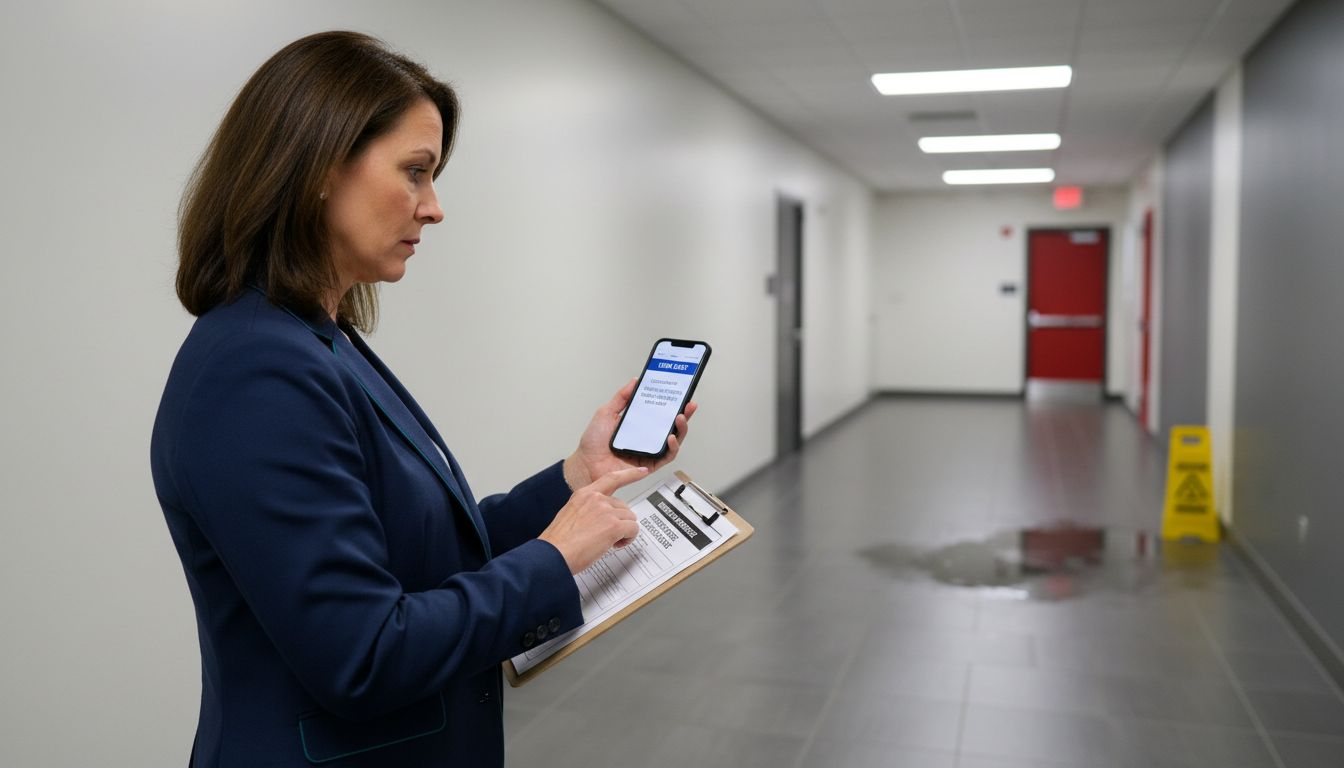
Water usage reductions deliver ongoing operational savings beyond damage prevention. Continuous monitoring identifies hidden leaks that waste thousands of gallons monthly, running toilets that inflate utility bills unnecessarily, and irrigation systems that overwater landscaping. Addressing these inefficiencies through early detection reduces water and sewer charges significantly, with savings accumulating month after month throughout the system’s operational life.
Insurance companies actively incentivize automated water shutoff installations through multiple mechanisms. Carriers offer premium discounts ranging from 5% to 15% for properties equipped with certified leak detection and automatic shutoff systems. Claims processing becomes faster and simpler when properties document proactive risk mitigation measures. Some insurers now require these systems as conditions for policy issuance or renewal, particularly for older buildings or properties with prior water damage claims history.
Additional operational benefits extend beyond direct cost savings. Tenant safety improves through rapid response to leaks that could create slip hazards, mold growth, or structural damage. Regulatory compliance becomes easier to document through automated reporting and usage tracking. Property managers gain operational efficiency by monitoring multiple properties remotely rather than relying solely on tenant reports or periodic physical inspections.
| Feature | Manual Shutoff | Automated System |
|---|---|---|
| Response Time | Minutes to hours | Seconds |
| Detection Capability | Requires visual observation | Continuous flow monitoring |
| After-Hours Protection | Limited or none | 24/7 autonomous operation |
| Compliance Support | Manual record keeping | Automated documentation |
| Insurance Recognition | Minimal | Premium discounts available |
| Long-Term Cost Savings | Low | 15-20% water cost reduction |
Property managers pursuing sustainability certifications find additional value in automated water management. Systems generate detailed usage data supporting LEED certification applications and ESG reporting requirements. Demonstrated water conservation efforts enhance property marketability to environmentally conscious tenants and investors. The damage claim reduction study provides concrete evidence of these systems’ effectiveness across California property portfolios.
Insurance incentives and mandates for automated water shutoff devices
California insurers require automatic water shutoff valves for homeowner policy renewals and new policies due to rising water damage claims. This shift reflects insurers’ response to escalating claim frequency and severity, particularly in multifamily and commercial properties where a single leak can generate claims exceeding hundreds of thousands of dollars. Carriers view automated shutoff technology as essential risk management infrastructure rather than optional enhancements.
The insurance industry’s mandate stems from compelling financial data. Water damage claims represent one of the most common and costly perils that property insurers face, often exceeding fire damage in frequency and approaching similar severity levels. Automated shutoff systems demonstrably reduce both claim frequency and average claim costs, making them attractive risk mitigation tools from underwriting perspectives. Insurers increasingly incorporate these requirements into policy language, particularly for properties with specific risk factors such as age, prior claims history, or geographic locations prone to freeze events.
Financial incentives accompany the mandates. Properties installing certified automated water shutoff systems often qualify for premium discounts that partially offset installation costs within the first policy period. These discounts continue annually, creating ongoing savings that accumulate over time. Claims processing becomes more straightforward when properties demonstrate proactive risk management, potentially reducing deductibles or eliminating coverage exclusions for water damage events.
Insurance carriers recognize that automated water shutoff technology fundamentally changes the risk profile of multifamily and commercial properties, transforming unpredictable catastrophic losses into manageable maintenance events through early intervention and rapid response capabilities.
Property managers should proactively verify their insurance policy requirements before renewal deadlines. Carriers typically provide 60 to 90 days’ notice for new technology mandates, creating tight implementation timelines. Early engagement with insurers clarifies specific equipment certifications required, installation standards expected, and documentation needed to qualify for premium discounts or maintain coverage eligibility. Understanding insurance mandates for water shutoff technology helps property managers budget appropriately and avoid coverage gaps.
Common misconceptions about automated water shutoff
Many property managers hold inaccurate beliefs about automated water shutoff systems that impede adoption or lead to improper implementation. Addressing these misconceptions directly helps clarify the technology’s actual capabilities and limitations.
Myth: Water shutoff valves require manual activation during leak events. Reality: Modern automated systems detect flow anomalies autonomously and shut off water immediately without human intervention. The technology operates continuously through embedded algorithms that recognize leak signatures such as sustained unusual flow rates, pressure drops, or flow patterns occurring during typically inactive periods. Once the system confirms a leak condition, it triggers the shutoff valve automatically, often within seconds of detection. Property managers receive alerts simultaneously but need not be present or take action for protection to occur.
Myth: Installing automated water shutoff systems eliminates the need for regular plumbing maintenance and inspections. Reality: These systems complement but cannot substitute comprehensive preventive maintenance programs. Automated detection identifies active leaks and unusual flow conditions but cannot predict when aging pipes will fail, assess corrosion levels, or evaluate fixture conditions before problems develop. Property managers must continue periodic inspections, pipe replacement schedules, and fixture maintenance to maximize system effectiveness and overall infrastructure reliability.
Myth: The Water Shutoff Protection Act’s requirements apply equally to commercial water service terminations. Reality: California’s shutoff protection laws specifically address residential water service terminations for nonpayment situations. Commercial properties and tenants operate under different regulatory frameworks with fewer statutory protections regarding water service interruptions. This distinction allows property managers greater flexibility in managing commercial tenant relationships while requiring careful compliance procedures for residential occupants. Misunderstanding this scope can lead to improper policies that either fail to protect residential tenants adequately or unnecessarily restrict legitimate commercial property management practices.
Clarifying these misconceptions enables property managers to make informed decisions about automated water shutoff myths and implement systems with realistic expectations. The technology provides powerful protection against specific risks but works best as part of comprehensive water management strategies that include preventive maintenance, staff training, and clear operational procedures.
Implementation strategies and best practices
Successful automated water shutoff system implementation requires systematic planning and execution across multiple phases. Property managers who follow structured approaches achieve better outcomes, higher reliability, and faster return on investment.
-
Conduct comprehensive property assessments before equipment selection. Document existing plumbing infrastructure, identify high-risk areas prone to leaks, review prior water damage claims, and evaluate current water consumption patterns. Understanding baseline conditions helps determine optimal sensor placement, valve locations, and system capacity requirements. Assessments should also review applicable regulatory obligations under SB 998 and SB 3 to ensure selected systems support compliance documentation needs.
-
Select systems that meet California-specific regulatory and operational requirements. Prioritize platforms offering cloud-based analytics, real-time alerts, and detailed usage reporting capabilities. Verify that equipment carries appropriate certifications for insurance premium discounts and meets industry standards for reliability and longevity. Consider scalability for properties planning expansions or portfolio growth. Integration capabilities with existing property management software streamline operations and reduce administrative overhead.
-
Engage professional installers with multifamily and commercial property experience. Proper installation proves critical for system reliability, and inexperienced technicians often create problems that undermine performance. Professional installers understand building codes, optimal sensor placement strategies, and valve sizing requirements. They provide documentation supporting insurance requirements and warranty claims. Attempting self-installation or using general contractors without specialized experience frequently results in false alarms, missed leaks, or system failures during actual emergencies.
-
Configure comprehensive monitoring, alerting, and reporting protocols during system commissioning. Establish alert thresholds that balance sensitivity with false alarm prevention. Define escalation procedures specifying who receives notifications and expected response timeframes. Set up automated reports supporting tenant billing, regulatory compliance documentation, and operational decision-making. Proper configuration transforms raw sensor data into actionable intelligence that drives effective property management.
-
Train property staff, maintenance teams, and facility operators thoroughly on system operation and emergency procedures. Training should cover normal operation, alert interpretation, manual override procedures, and troubleshooting common issues. Staff must understand how automated systems interact with regulatory compliance obligations and insurance requirements. Regular refresher training ensures knowledge retention as staff turns over and technology updates roll out.
Pro Tip: Engage expert providers early to align technology choices with legal deadlines and insurance requirements. Providers like LeakSense specializing in California multifamily properties understand local regulations, carrier requirements, and property-specific challenges. Early consultation prevents costly mistakes, accelerates implementation timelines, and ensures systems deliver maximum value from day one.
Common implementation pitfalls include ignoring local regulatory requirements, selecting inadequate systems to save costs, skipping professional installation, and failing to train staff adequately. Property managers pursuing effective risk management for HOAs should review detailed guides on how to automate water shutoff and follow water leak monitoring steps for successful deployment.
Case studies and real-world examples
Real-world implementations demonstrate the tangible impact automated water shutoff systems deliver for California property managers. These examples illustrate common challenges, solution approaches, and measurable outcomes.
A 120-unit multifamily building in Los Angeles experienced recurring water damage claims averaging $75,000 annually before implementing automated shutoff technology. Within 12 months of installation, the property achieved a 90% reduction in water damage claims through early leak detection and immediate response. The system identified multiple hidden leaks in aging supply lines, prevented a catastrophic main line failure during overnight hours, and detected toilet tank leaks wasting thousands of gallons monthly. Insurance premiums decreased by 12% following the first claim-free year, and tenant satisfaction improved significantly due to reduced disruption from water emergencies.
A commercial property portfolio spanning 15 buildings across the San Francisco Bay Area faced insurance renewal challenges after experiencing several major water damage events. The property management company installed comprehensive automated shutoff systems across all facilities to meet carrier requirements and reduce risk exposure. Within 18 months, the portfolio documented 15-20% water cost reductions through leak elimination and usage optimization. More importantly, the properties successfully renewed insurance coverage with favorable terms and secured premium discounts totaling over $45,000 annually. The systems’ cloud analytics identified irrigation inefficiencies saving an additional $12,000 per year.
Insurance premium reductions linked to verified automated shutoff installations have become increasingly common across California properties. Multiple carriers now offer standard 5% to 10% discounts for certified systems, with some providing up to 15% reductions for properties implementing comprehensive water management programs. These savings typically recover installation costs within two to four years while providing ongoing financial benefits and risk reduction throughout the systems’ operational lives.
Key lessons from successful implementations include:
- Professional installation quality directly correlates with system reliability and false alarm prevention
- Staff training proves essential for maximizing technology benefits and ensuring proper emergency response
- Cloud analytics integration enables proactive maintenance scheduling and usage optimization beyond leak detection
- Early engagement with insurance carriers ensures equipment selections meet carrier requirements for premium discounts
- Phased rollouts across property portfolios allow learning from initial installations before broader deployment
Property managers interested in similar outcomes should review the detailed damage claim reduction case study and examine the California water submetering case study for additional implementation insights and financial modeling.
Summary and next steps for property managers
Automated water shutoff systems represent essential infrastructure for California multifamily and commercial properties in 2026. The technology addresses multiple critical needs simultaneously: regulatory compliance with SB 998 and SB 3 customer protection requirements, insurance carrier mandates for risk mitigation, substantial cost savings through damage prevention and water conservation, and operational efficiency improvements through remote monitoring and automated responses.
Property managers should prioritize several key actions. First, conduct thorough risk assessments evaluating current water infrastructure vulnerabilities, reviewing prior damage claims, and identifying high-risk areas requiring protection. Second, verify insurance policy requirements and regulatory obligations specific to your properties to ensure technology selections support compliance and maximize premium discounts. Third, develop implementation plans with realistic timelines, appropriate budgets, and phased approaches for multi-property portfolios.
Consulting expert providers specializing in California property water management accelerates successful implementation. Specialists like LeakSense understand local regulatory frameworks, carrier requirements, and property-specific challenges that generic providers may overlook. Expert guidance helps avoid common pitfalls, ensures proper equipment selection, and provides ongoing support for system optimization and staff training.
Successful implementations require sustained commitment beyond initial installation. Property managers must establish ongoing monitoring protocols, maintain regular staff training programs, and continuously review system performance data to identify optimization opportunities. The systems generate valuable operational intelligence supporting broader facility management decisions, tenant relations improvements, and sustainability initiatives.
Property managers ready to implement automated water management should explore comprehensive guides on how to automate water shutoff and review water usage monitoring steps for detailed implementation roadmaps. Understanding the full benefits of smart water sensors helps build business cases supporting budget approvals and stakeholder buy-in for these critical infrastructure investments.
Protect your property with LeakSense automated solutions
LeakSense delivers integrated automated leak detection with shutoff systems specifically designed for California multifamily buildings and commercial properties. Their comprehensive platform combines IoT-enabled sensors, autonomous shutoff valves, and cloud-based analytics to prevent water damage while ensuring regulatory compliance. Property managers gain 24/7 monitoring capabilities, real-time alerts, and detailed usage reporting that supports tenant billing accuracy and operational decision-making.
The LeakSense solution addresses California’s unique regulatory environment through purpose-built compliance features supporting SB 998 and SB 3 requirements. Their automatic leak detection technology identifies anomalies instantly and triggers immediate shutoff responses, preventing minor issues from escalating into costly disasters. Dedicated California compliance support ensures properties meet evolving state mandates while maximizing insurance premium discounts. Comprehensive water metering systems for apartments enable accurate tenant billing, support conservation initiatives, and provide the detailed analytics necessary for effective facility management in multifamily and commercial properties throughout California.
Frequently asked questions
What is the difference between automated and manual water shutoff valves?
Automated shutoff valves incorporate sensors and control systems that detect leaks and close the valve automatically without human intervention, typically within seconds of detecting unusual flow patterns. Manual valves require someone to physically turn the valve to stop water flow, depending on awareness of the leak and immediate physical access to the valve location. Automated systems provide 24/7 protection even when properties are unoccupied, while manual valves only work if someone is present and responds quickly.
How do automated water shutoff systems affect insurance premiums in California?
California insurance carriers increasingly require automated water shutoff systems for policy eligibility, particularly in multifamily and commercial properties. Properties with certified systems typically qualify for premium discounts ranging from 5% to 15%, depending on the carrier and property risk profile. These savings accumulate annually and often recover installation costs within two to four years. Some insurers also streamline claims processing and reduce deductibles for properties demonstrating proactive water damage prevention through automated technology.
Do automated systems eliminate the need for regular plumbing maintenance?
Automated water shutoff systems complement but cannot replace regular plumbing maintenance and inspections. The technology detects active leaks and unusual flow conditions but cannot predict future failures, assess pipe corrosion, or evaluate aging fixture conditions before problems develop. Property managers must continue periodic inspections, preventive maintenance programs, and infrastructure replacement schedules to maximize system effectiveness and ensure overall plumbing reliability. The automated systems work best as part of comprehensive water management strategies combining technology with traditional maintenance practices.
How can property managers verify compliance with SB 998 and SB 3?
Property managers should first determine whether their properties fall under SB 998 or SB 3 jurisdiction based on their community water system size and connection count. Systems with cloud-based monitoring provide automated documentation of water usage, leak events, and emergency shutoffs that support compliance records. Property managers must maintain written shutoff policies addressing advance notice requirements, payment plan options, and customer protections as mandated by the legislation. Automated water management platforms generate reports documenting that emergency shutoffs resulted from leak protection rather than nonpayment disputes, helping distinguish regulatory compliance scenarios from enforcement actions.
What qualifications should property managers look for when selecting system providers and installers?
Qualified providers should demonstrate specific experience with California multifamily and commercial properties, understanding of state water regulations including SB 998 and SB 3, and knowledge of insurance carrier requirements for premium discounts. Look for installers with relevant licensing, manufacturer certifications, and documented track records in similar properties. Providers should offer comprehensive services including risk assessment, equipment selection, professional installation, staff training, and ongoing technical support. Request references from comparable properties and verify that proposed systems carry appropriate certifications meeting insurance and regulatory standards.