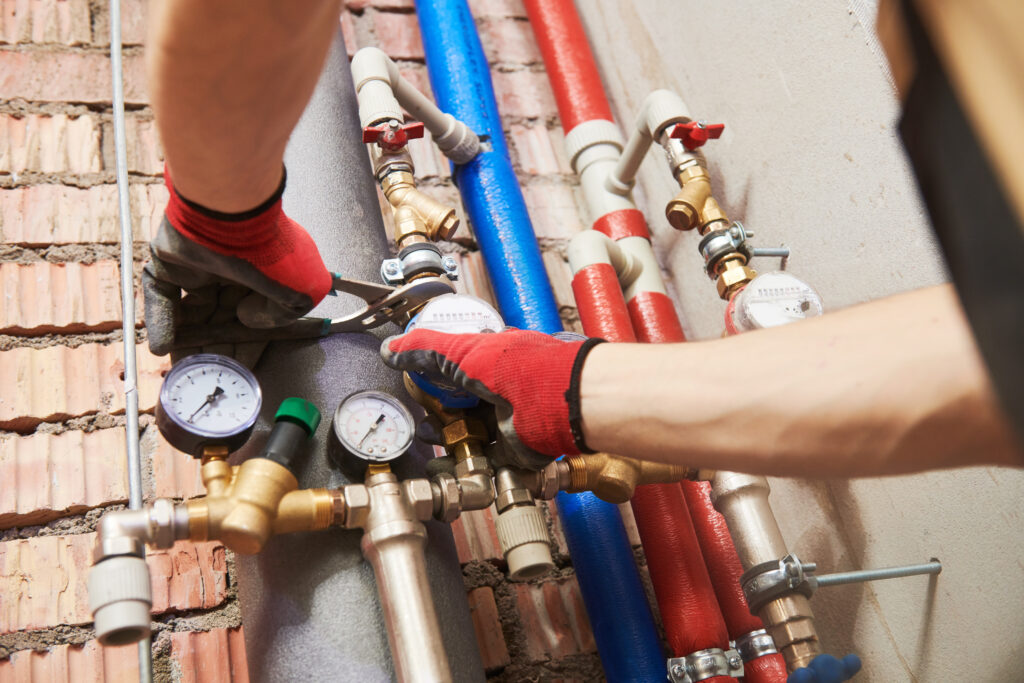

For property managers aiming to reduce operating expenses in multifamily buildings, understanding tenant metering is a practical first step. Flat-rate billing is easy to administer, but it often creates unfair cost distribution-low-usage residents subsidize high-usage residents, and total consumption tends to stay higher because there’s no direct incentive to conserve.
LeakSense’s water metering systems enable per-unit billing based on measured consumption. When residents pay for what they use, billing becomes more equitable and water waste becomes easier to spot and correct.
Many LeakSense customers report average water cost reductions of around 23%, which aligns with commonly observed outcomes in the 15–30% range depending on baseline usage, local water/sewer rates, and existing leak conditions. Beyond savings, metered billing supports conservation goals that matter in water-stressed regions, including California.
The Real Cost of Subsidizing Wasteful Tenants
Subsidized waste adds up quietly. In a 200-unit building, even small patterns-like long showers, irrigation run times, or unnoticed fixture issues-can compound into major annual costs.
With tenant metering, property managers in markets such as Los Angeles and the Bay Area can save up to $40,000 annually by switching from flat-rate to metered billing (actual results vary based on rates and building usage). The key difference is accountability: residents see their own consumption reflected in their bill.
LeakSense’s Advanced Water Metering tier adds automatic leak detection so you can act quickly when usage spikes. That matters because common issues like running toilets can waste thousands of gallons annually if they go unreported or unnoticed.
Battery Life That Actually Lasts: 4.5 Years vs. 6–12 Months
One reason metering programs fail operationally is maintenance burden. If devices require frequent battery replacement, the labor cost and resident coordination can erase the benefits.
LeakSense systems leverage Particle Photon 2 technology and are designed for long service intervals, with battery life ranging from 1.4 to 4.5 years-significantly longer than the 6 to 12 months many property teams plan for with older or less optimized devices. Fewer battery swaps mean fewer technician visits, fewer disruptions, and a lower total cost of ownership across your portfolio.
For teams that want maximum risk reduction, LeakSense’s Complete Protection tier adds capabilities like remote valve control and IoT-enabled automatic shutoff to help limit damage when severe leaks occur.
WiFi or Cellular: Which Connectivity Works Best?
Connectivity can make or break a deployment-especially in older buildings, mechanical rooms, or properties with inconsistent resident WiFi.
LeakSense offers both WiFi and cellular options so you can match the system to the building:
-
WiFi plans start at $4/unit/month in the Basic Metering tier
-
Cellular plans start at $8/unit/month in the Basic Metering tier
This flexibility supports smoother rollouts across mixed portfolios, from newer builds to legacy construction where signal and infrastructure vary.
What California’s Title 24 Means for Your Property
California’s Title 24 requirements raise the bar for efficiency and compliance, and water accountability is a growing part of that story. LeakSense’s metering solutions are designed to support Title 24 compliance across tiers, helping property managers reduce risk while modernizing building operations.
If you need guidance specific to California, LeakSense offers California compliance support to help you plan and execute a compliant transition.
Metering can also improve back-office efficiency: when usage data integrates with billing workflows, teams spend less time handling disputes, manual allocations, and spreadsheet-based reconciliation-supporting NOI and property value over time.
Compare tiers and plan installation
LeakSense supports property managers across Los Angeles, San Diego, the Bay Area, Sacramento, and beyond. To choose the right configuration, you can compare LeakSense’s three metering tiers based on billing needs, leak protection, and operational goals.
For rollout support, visit installation services. If you’d like a property-specific recommendation or savings estimate, contact LeakSense.