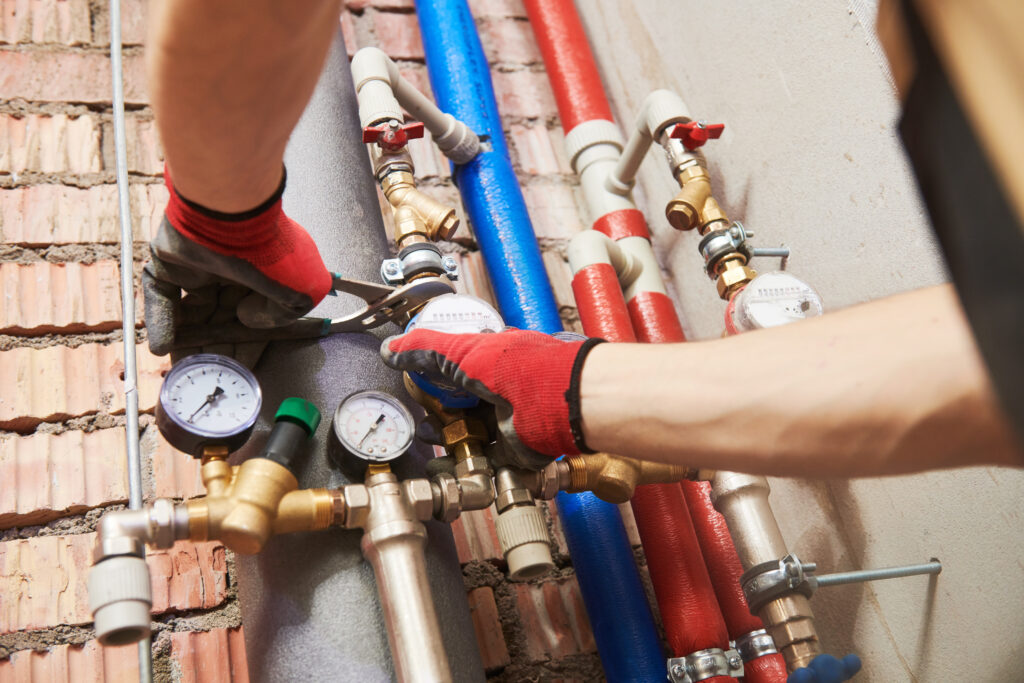

Ever wondered what water submetering is-and whether it’s worth it for your property? Water submetering is the practice of measuring water use at the unit level (or suite level) so residents are billed based on their actual consumption instead of splitting one master bill evenly or bundling water into rent.
For property managers, submetering is mainly about fairness, cost recovery, and better control over building-wide water use. At LeakSense, we take the same goal further with modern water metering systems that make unit-level billing easier to manage and more effective at reducing waste.
Water submetering vs. flat-rate billing (and why it matters)
In flat-rate billing, tenants pay the same amount regardless of usage. That sounds simple, but it often creates two expensive problems: higher building consumption and resident frustration.
With submetering (metered billing), each unit is accountable for its own usage. That typically reduces “invisible waste” like long showers, running toilets, and unreported leaks-because usage is measured and reflected in billing.
LeakSense customers have reported an average 23% reduction in water costs after switching from flat-rate to metered billing. Results vary by property, local rates, baseline consumption, and leak frequency, but the direction is consistent: when residents see usage, behavior changes.
How water submetering works in multi-family buildings
Most multi-family properties receive a single master water bill from the utility. Submetering adds measurement downstream so you can allocate costs accurately.
A typical setup includes:
-
A meter for each unit (or each riser/area, depending on plumbing layout)
-
A network to transmit readings (WiFi or cellular)
-
Software that turns usage into billing-ready data and reports
LeakSense systems are designed to simplify this workflow so property teams can track usage, bill fairly, and identify unusual spikes that may indicate leaks.
Why property managers switch from flat-rate to metered billing
Picture a 200-unit complex in San Diego. Under flat-rate billing, tenants have little incentive to conserve, and management has limited visibility into where water is going.
LeakSense’s Basic Metering tier gives property managers a straightforward alternative, starting at $4/unit/month for WiFi or $8/unit/month for cellular. By tracking unit-level usage, you can bill based on actual consumption rather than averaging costs across all residents-reducing subsidies and encouraging conservation.
The real cost of subsidizing wasteful tenants
Flat-rate systems often penalize responsible residents. Tenants who conserve water end up subsidizing heavy users, which can trigger complaints and increase turnover risk-while total building water use stays elevated.
LeakSense customers typically see a 12–18 month payback period, driven by reduced overall consumption and improved cost recovery. With the Advanced Metering tier, which includes automatic leak detection and tenant billing integration, properties commonly reduce overall water consumption by 15–30% depending on baseline conditions and leak prevalence.
How 200-unit buildings can save up to $40,000 annually
In many markets, water and sewer costs are high enough that even modest usage reductions translate into significant savings. A 200-unit property can save up to $40,000 annually by adopting water metering systems-especially when you combine fair billing, reduced waste, and faster leak discovery.
In Los Angeles, complexes shifting to LeakSense’s Complete Protection tier have added another layer of risk reduction beyond billing: automatic shutoff capabilities that help prevent severe water damage from major leaks.
Battery life that reduces maintenance workload
A common operational headache with metering deployments is battery replacement frequency. LeakSense devices are built to reduce technician visits and keep systems running with less hands-on maintenance.
With battery life ranging from 1.4 to 4.5 years (optimized by Particle Photon 2 technology), LeakSense exceeds the typical industry expectation of roughly 6–12 months. Longer battery life lowers total cost of ownership and makes scaling across larger portfolios much easier.
What California Title 24 means for your property
California regulations place real pressure on properties to improve water efficiency and document compliance. Title 24 requirements can affect new construction and certain retrofit situations, and non-compliance can introduce delays, rework, or penalties.
LeakSense products are designed to support compliance needs, helping property managers modernize water monitoring and billing with confidence. If you operate in California, see our California compliance support.
Choose the right metering tier for your building
The right approach depends on your goals: basic unit billing, faster leak detection, billing integration, or full protection with automatic shutoff.
You can compare LeakSense’s three metering tiers to find the best fit for your portfolio. If you want help deploying at scale, visit our installation services page. To discuss your property and get a tailored recommendation, contact us today.
FAQ: water submetering for apartments
Is water submetering the same as RUBS?
No. RUBS (ratio utility billing) allocates a master bill using a formula (like occupancy or square footage), while submetering bills residents based on measured unit-level consumption.
Does submetering really reduce water usage?
Often, yes. When residents are billed based on actual usage, they have a direct incentive to conserve and report issues sooner, which typically lowers total consumption.
How fast is payback for water submeters?
Many properties see payback in the 12–18 month range, but it depends on local rates, baseline consumption, plumbing conditions, and how much avoidable waste exists today.