
Most California property managers assume smart water metering is straightforward, but navigating submeter placement rules, tenant disclosure laws, and billing caps can quickly become a compliance minefield. Understanding these fundamentals isn’t optional. It’s essential for avoiding legal pitfalls, controlling costs, and unlocking measurable water savings in multifamily properties.
- Understanding Water Submetering Regulations In California
- Operational Challenges And Costs Of Water Submetering For Property Managers
- Water Savings And Efficiency Benefits Of Smart Water Metering Systems
- Implementing Smart Water Meter Solutions For Compliance And Efficiency
- Enhance Your Water Management With Leaksense Solutions
Key takeaways
| Point | Details |
|---|---|
| Regulatory compliance is mandatory | California law dictates submeter placement, tenant disclosures, and billing caps to protect residents. |
| Operational costs add up quickly | Submeters require budgeting for replacement every 10 to 15 years, plus ongoing billing and maintenance expenses. |
| Smart metering drives conservation | Properties using submetering achieve average water savings of 15.3% per unit over two years. |
| Real-time leak detection cuts waste | Automated alerts and remote shutoff prevent damage and reduce water loss immediately. |
| Implementation requires expert support | Coordinating legal compliance, technology selection, and installation ensures long-term efficiency and avoids costly errors. |
Understanding water submetering regulations in California
California’s legal framework for water submetering exists to protect tenants from unfair billing practices while giving property managers clarity on installation and operation. If you’re considering submetering or already managing a system, knowing these rules prevents regulatory violations and tenant disputes.
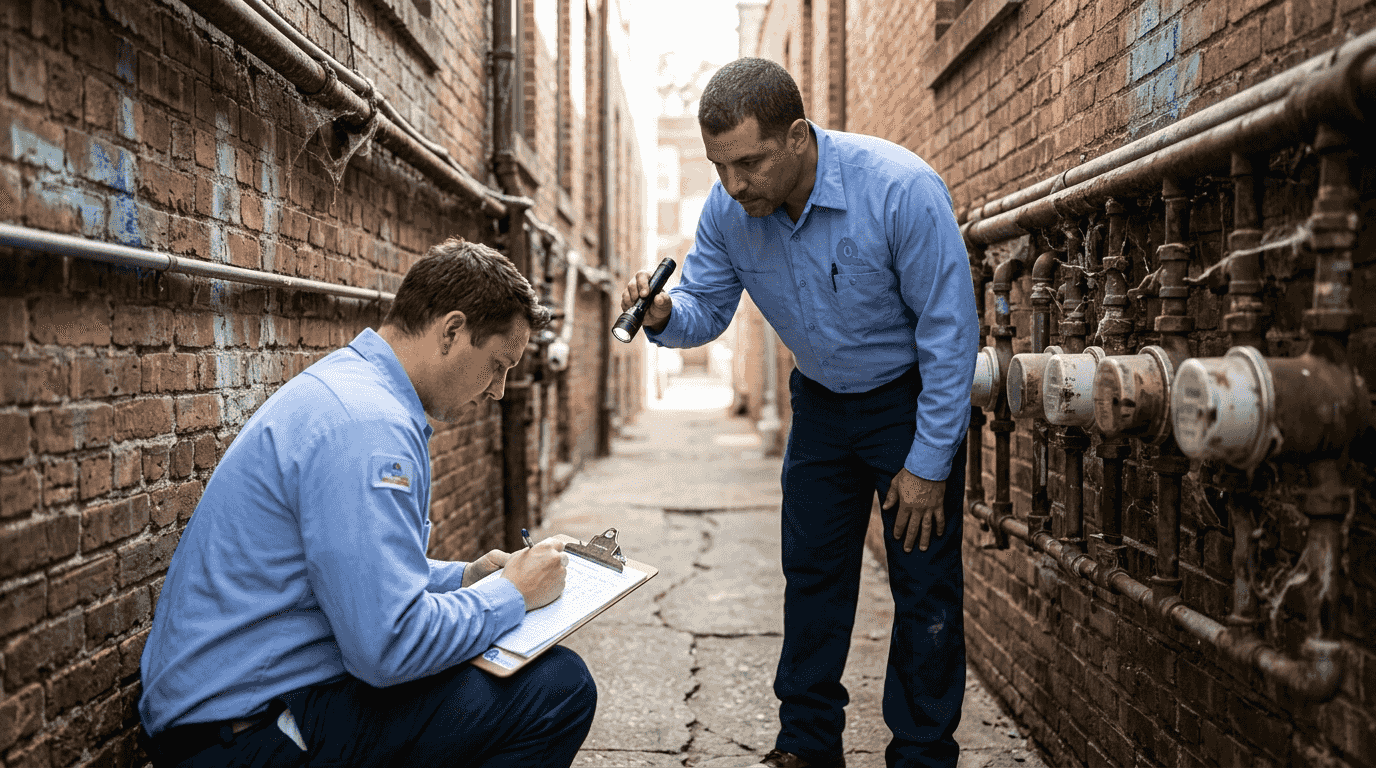
Submeter placement must ensure accessibility for both routine maintenance and resident verification. Meters hidden behind locked panels or inaccessible areas violate state law and create headaches during inspections or repairs. Plan installations with technicians who understand compliance requirements from the start.
Before tenants sign rental agreements, landlords must provide specific written disclosures if water billing will be separate. This disclosure includes estimated monthly charges, payment due dates, and contact information for billing questions. Skipping this step opens you to legal challenges and tenant complaints that derail your operations.
Billing for submetered water is strictly regulated to prevent overcharging. You can only bill for actual water usage plus capped administrative fees. Charging tenants more than your utility provider’s rate or adding hidden costs violates California law and exposes you to penalties. Transparent billing systems and accurate metering technology are non-negotiable.
Key compliance requirements include:
- Meters installed in accessible locations for maintenance and tenant verification
- Written tenant disclosures provided before lease signing
- Billing limited to water usage and allowable administrative fees
- Regular meter testing and maintenance to ensure billing accuracy
For a deeper dive into California’s evolving regulations, explore our guide on California water submetering laws 2026.
Operational challenges and costs of water submetering for property managers
Submetering isn’t just about installing hardware. It’s about managing ongoing costs, administrative workload, and unexpected complications that can strain your operations and budget.
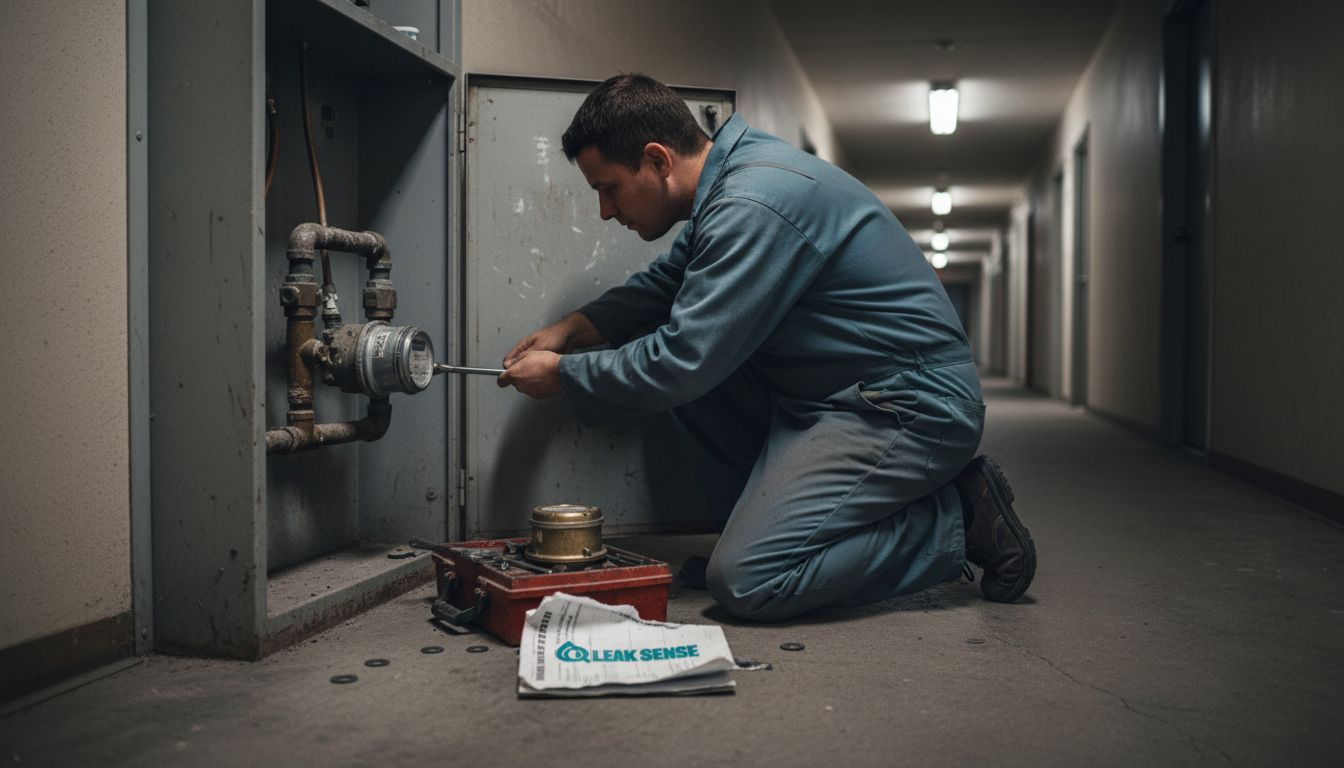
Water submeters typically last 10 to 15 years, requiring planned capital budgeting for replacements. When meters fail, you face billing interruptions, tenant disputes, and emergency repair costs. Factor replacement cycles into your long-term financial planning to avoid surprises.
Billing and collection processes add administrative burdens that consume staff time and resources. Generating monthly bills, tracking payments, handling disputes, and reconciling accounts require dedicated systems and personnel. Outsourcing billing can ease the load but adds another expense layer.
Meter tampering and vandalism create legal disputes and inaccurate bills that damage tenant relationships. Residents may deliberately interfere with meters to lower charges, leading to revenue loss and time-consuming investigations. Secure installations and regular audits help mitigate these risks.
Delegating submeter management to on-site managers or board members can create financial discrepancies and bookkeeping headaches. Without proper training and oversight, errors compound quickly. Professional management or automated systems reduce human error and improve accuracy.
Common operational pitfalls:
- Underestimating replacement and maintenance costs
- Inadequate billing software leading to manual errors
- Insufficient security measures for meter access
- Lack of staff training on compliance and troubleshooting
Pro Tip: Implement monthly meter audits to catch anomalies early. Comparing usage patterns across similar units helps identify tampering, leaks, or faulty meters before they escalate into costly problems.
For a comprehensive analysis of submetering costs and benefits, review our detailed breakdown tailored for California property managers.
Water savings and efficiency benefits of smart water metering systems
While submetering presents challenges, smart water metering technology transforms these systems into powerful tools for conservation, cost reduction, and regulatory compliance.
Smart water meters improve accuracy in water use measurement, enabling fair tenant billing and eliminating the estimation errors common with manual reads. Real-time data collection removes guesswork and builds tenant trust through transparent, verifiable charges.
A two-year study demonstrated average water savings of 15.3% per unit with submetering. This reduction stems from increased tenant awareness of consumption patterns and behavioral changes when residents pay for actual usage. The financial impact compounds across large multifamily portfolios.
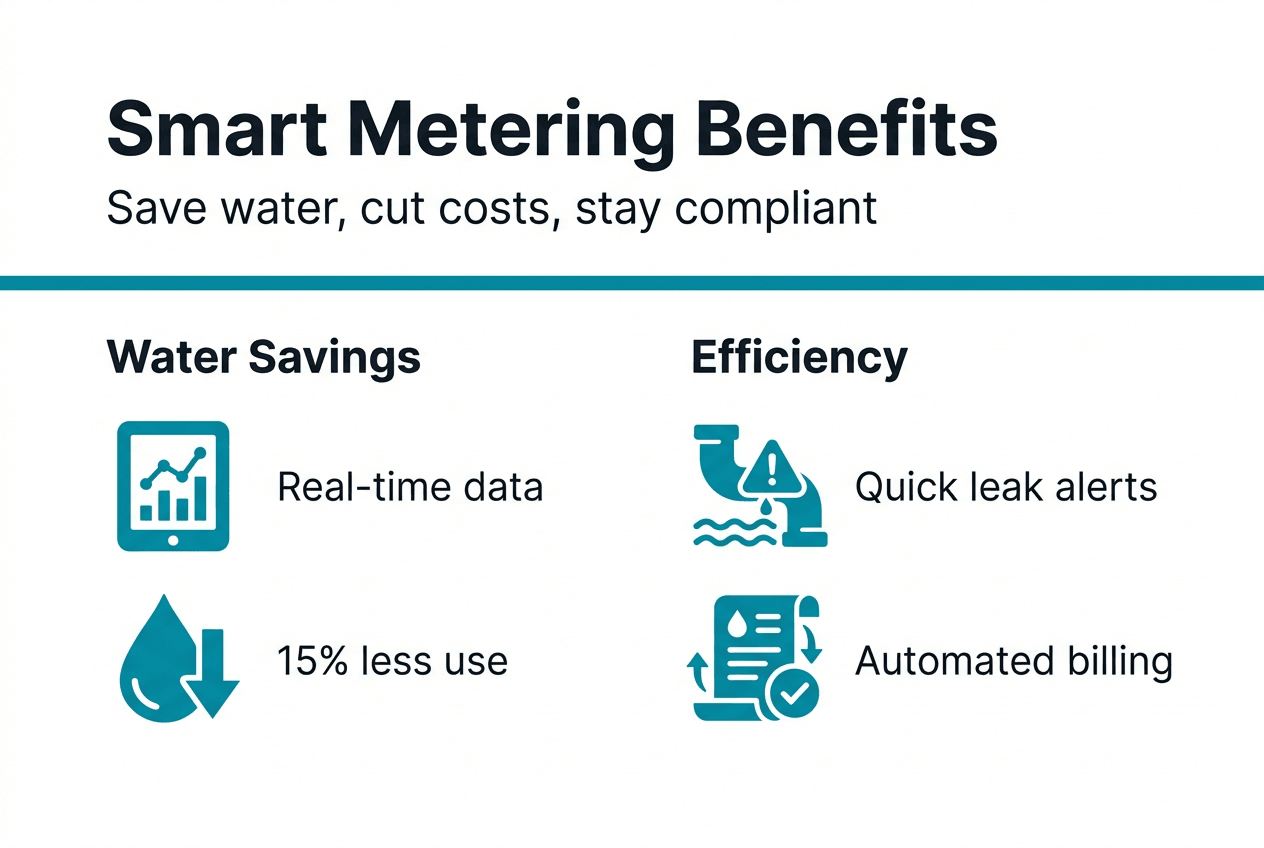
15.3% average water savings with smart submetering systems
Real-time leak detection reduces waste and potential property damage by identifying issues within minutes instead of weeks. Automated alerts notify managers immediately when abnormal flow patterns occur, enabling rapid response before minor leaks become major disasters.
Smart systems support California’s water conservation policies and compliance requirements by providing the detailed usage data regulators increasingly demand. Demonstrating conservation efforts through metering data can qualify properties for rebates, incentives, and favorable insurance rates.
Key efficiency benefits include:
- Elimination of estimated billing and manual meter reading errors
- Immediate leak detection preventing property damage and waste
- Detailed usage analytics supporting conservation initiatives
- Automated reporting for regulatory compliance documentation
Pro Tip: Use smart meter data to educate tenants about their water usage patterns. Sharing monthly comparisons and conservation tips transforms metering from a billing tool into a sustainability partnership that benefits everyone.
Explore our smart water metering guide 2026 and discover smart water meter benefits for cutting costs in multifamily properties.
Implementing smart water meter solutions for compliance and efficiency
Successful implementation requires strategic planning, technology selection, and ongoing maintenance aligned with California’s regulatory landscape.
Follow these installation steps for compliance and optimal performance:
- Conduct a property audit to identify existing infrastructure, water access points, and compliance gaps
- Select certified smart meters that meet California Department of Water Resources standards
- Plan meter placement ensuring accessibility for maintenance and resident verification
- Coordinate installation with licensed plumbers familiar with local codes
- Configure automated alerts and monitoring dashboards for real-time visibility
- Train staff on system operation, troubleshooting, and compliance requirements
- Establish regular maintenance schedules for testing and calibration
Technology comparison for California multifamily properties:
| Feature | Basic Smart Meters | Advanced IoT Systems | Integrated Leak Detection |
|---|---|---|---|
| Real-time monitoring | Yes | Yes | Yes |
| Automated leak alerts | Limited | Yes | Yes |
| Remote shutoff capability | No | Some models | Yes |
| Usage analytics dashboard | Basic | Advanced | Advanced |
| California compliance reporting | Manual | Automated | Automated |
| Installation complexity | Low | Medium | Medium to High |
| Typical ROI timeline | 3 to 5 years | 2 to 4 years | 1 to 3 years |
Ongoing maintenance and monitoring prevent costly errors and violations. Schedule quarterly meter testing to verify accuracy and annual professional inspections to ensure continued compliance. Document all maintenance activities for regulatory audits.
Coordination with legal and compliance experts reduces risks significantly. California’s water regulations evolve regularly, and staying current requires dedicated attention. Partner with specialists who monitor legislative changes and adjust your systems accordingly.
Learn more about our smart water metering services, California compliance support, and professional water submeter installation.
Enhance your water management with LeakSense solutions
Navigating California’s complex water metering landscape demands expertise, technology, and ongoing support that most property management teams lack in-house. LeakSense specializes in smart water metering and leak detection designed specifically for multifamily properties facing these exact challenges.
Our smart water metering plans deliver real-time monitoring, automated billing support, and compliance documentation tailored for California regulations. Every installation includes comprehensive training and ongoing technical support to ensure your team operates systems confidently.
Automatic leak detection with remote shutoff capabilities minimizes water waste and prevents catastrophic property damage. When sensors detect abnormal flow patterns, you receive instant alerts and can remotely shut off water supply before minor issues become insurance claims.
Our California compliance support keeps your property aligned with evolving regulations without requiring you to become a legal expert. We monitor legislative changes, update system configurations, and provide documentation for audits and reporting requirements.
FAQ
How do California regulations affect water submeter placement?
Submeters must be installed in accessible locations for routine maintenance and tenant verification purposes. These requirements ensure transparency and ease of repair while preventing landlords from hiding meters to avoid accountability. Professional installation services guarantee compliance from day one.
What tenants must be told before water billing begins?
Tenants must receive written notice including estimated water charges, payment due dates, and contact information for billing questions before signing rental agreements. This disclosure protects residents from surprise charges and gives them time to budget accordingly. Review our California water submetering laws 2026 guide for complete requirements.
How can smart water metering reduce costs and water waste?
Smart meters provide real-time data to detect leaks early and prevent waste through automated alerts and remote shutoff capabilities. Studies show smart metering can reduce water use by around 15% and lower billing inaccuracies. Accurate usage measurement supports fair billing and helps reduce overall water consumption across your property portfolio. Discover more smart water meter benefits in our 2026 guide.
What are the typical costs for implementing smart water metering systems?
Implementation costs vary based on property size, existing infrastructure, and technology selection. Expect initial hardware and installation expenses plus ongoing maintenance, billing software, and potential third-party management fees. However, water savings of 15% and reduced leak damage often deliver ROI within two to four years for multifamily properties.
How often do water submeters need maintenance or replacement?
Submeters typically last 10 to 15 years with proper maintenance, but require quarterly testing and annual professional inspections to maintain accuracy and compliance. Plan for eventual replacement in your capital budgets to avoid service interruptions and billing disputes when meters reach end of life.