TL;DR:
- Prevent water damage through proper infrastructure, maintenance, and seasonal preparedness strategies.
- Use quality components, document maintenance, and incorporate technology like leak sensors for proactive protection.
- Ensure insurance and legal compliance are maintained, responding promptly to leaks and recording all repairs.
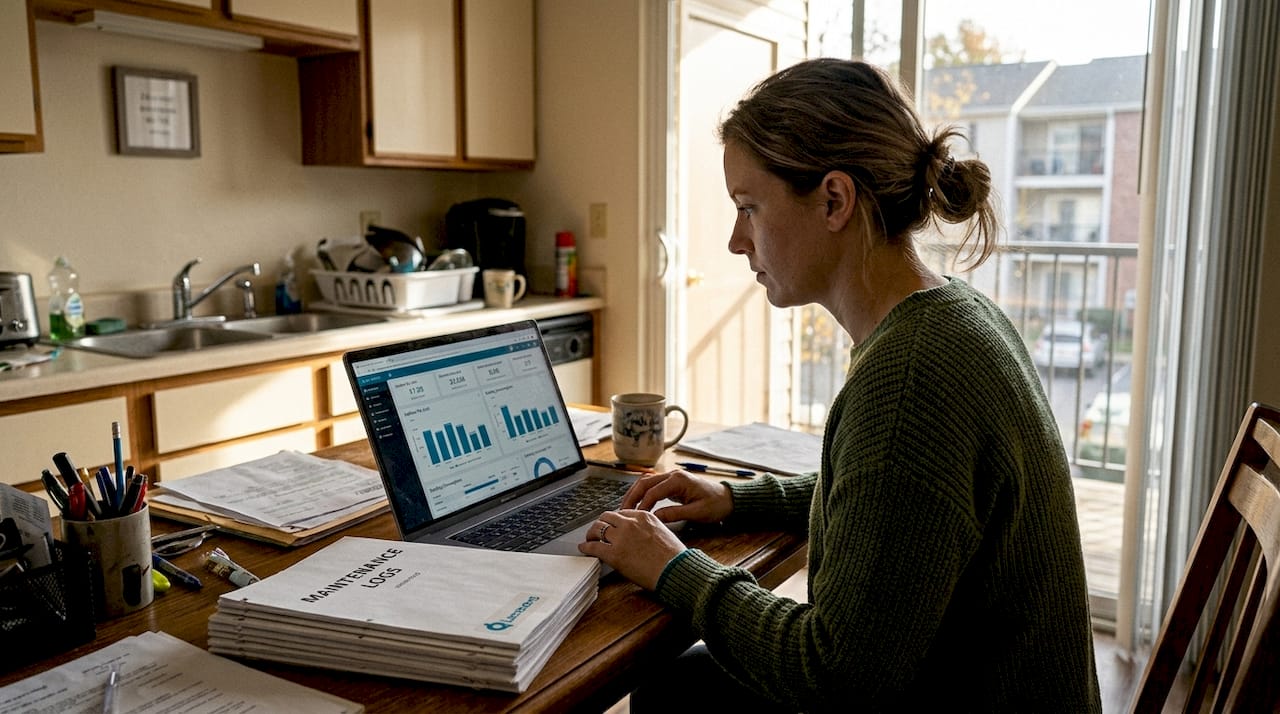
Water damage is one of the most expensive and disruptive risks facing California property managers today. A single burst pipe in a multifamily building can trigger tens of thousands of dollars in repairs, displace tenants, and create serious liability exposure. Yet most water damage events are preventable with the right systems, habits, and tools in place. This guide walks you through an expert-backed checklist covering infrastructure, maintenance, seasonal preparedness, insurance, and compliance. Whether you manage a 10-unit apartment building or a large commercial complex, these steps give you a clear, actionable framework to protect your property and reduce risk year-round.
- Set up critical water barrier infrastructure
- Routine and seasonal maintenance essentials
- Seasonal and severe weather risk mitigation
- Insurance, compliance, and tenant protection
- A smarter, systematic approach to prevention
- Take action: Solutions for full-spectrum water leak prevention
- Frequently asked questions
Key Takeaways
| Point | Details |
|---|---|
| Upgrade infrastructure | Use high-quality fittings and supply lines to reduce leak risk from the start. |
| Follow maintenance schedules | Routine inspections and seasonal prep drastically reduce undetected issues and insurance exclusions. |
| Adapt for weather | Tailor strategies for California’s climate, including pipe insulation and tenant education. |
| Review insurance | Standard policies miss many risks; combine good record-keeping with proper coverage. |
| Adopt technology | Automation and digital checklists give you a proactive edge against water damage. |
Set up critical water barrier infrastructure
With the stakes established, prevention starts at the installation phase. The components you specify before a tenant moves in determine how resilient your building is when pressure spikes, temperatures drop, or appliances age. Most water damage claims in multifamily properties trace back to weak supply lines and substandard fittings that fail over time.
Here is what a solid infrastructure checklist looks like:
- Angle stops and shutoff valves: Require heavy-duty brass or stainless angle stops for all water supply connections. These outperform plastic valves significantly and resist corrosion far longer.
- Supply lines for appliances: Specify braided stainless steel supply lines for washing machines, dishwashers, and ice makers. Standard rubber or plastic hoses degrade and fail, often without warning.
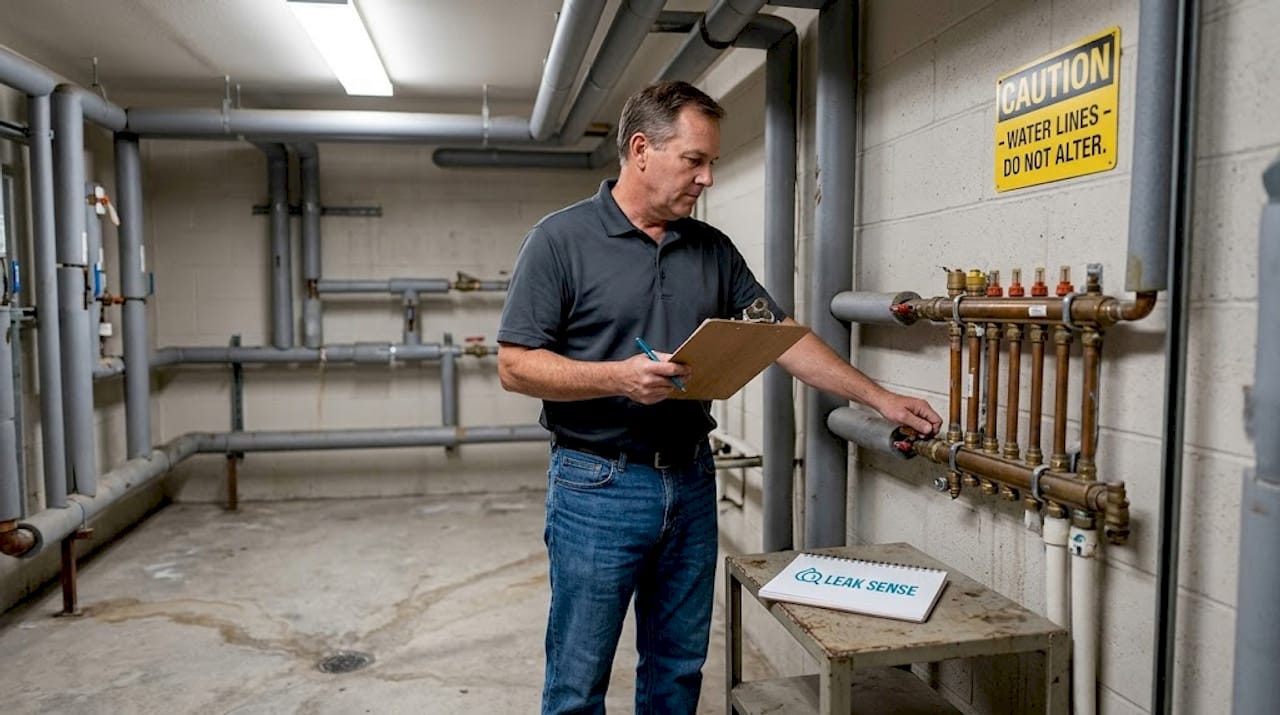
- Water heater pans and drains: Install drain pans under all water heaters with a properly routed drain line. An overflowing pan without a drain can cause significant structural damage before anyone notices.
- Pressure regulators: Verify that building water pressure stays within the 40 to 80 psi range. Excessive pressure accelerates wear on every fitting, joint, and appliance throughout the building.
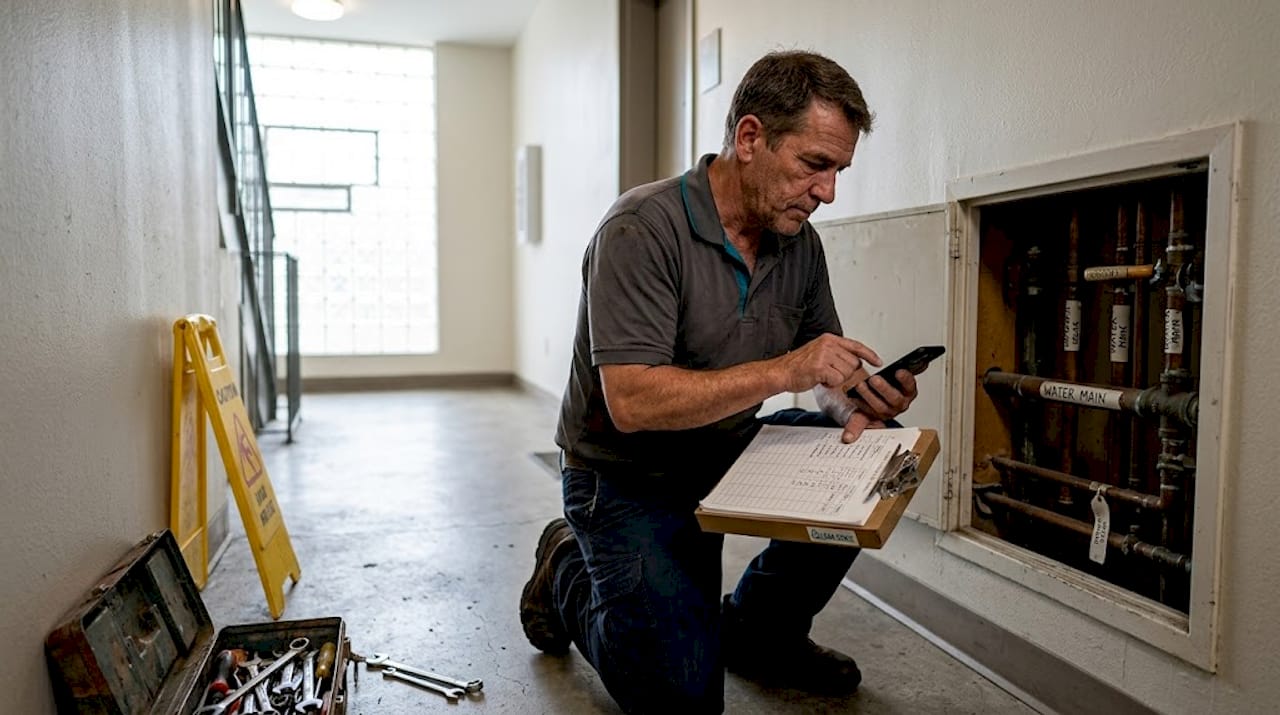
- Main shutoff access: Confirm that the main water shutoff valve is clearly labeled, accessible, and fully functional. In an emergency, every minute before shutoff counts.
Property managers often overlook the appliance hookup phase entirely, delegating it to contractors without specifying material standards. That gap is where failures happen. Adopting smart water damage prevention strategies means setting clear written specifications for every installation, not just relying on contractor defaults.
Pro Tip: Create a written vendor spec sheet that lists required materials for every water-connected appliance. Attach it to every work order involving plumbing or appliance installation. This single step closes one of the most common accountability gaps in property management.
Buildings that invest in quality components at the start spend far less on emergency repairs later. The upfront cost difference between braided stainless and standard rubber supply lines is minimal. The downside risk of skipping the upgrade is not.
Routine and seasonal maintenance essentials
After proper setup, consistent maintenance is the strongest defense you have against water damage. A well-designed checklist only works if it is executed on schedule. Here are the core tasks to build into your maintenance workflow:
- Inspect HVAC systems quarterly. Check drain pans, condensate lines, and coils for blockages or moisture buildup. HVAC systems are a surprisingly common source of water intrusion, especially during peak cooling months.
- Flush water heaters annually. Sediment buildup reduces efficiency and accelerates corrosion, shortening the life of the tank and increasing leak risk.
- Test shutoff valves every six months. Valves that are never operated can seize, making them useless in an emergency. A brief test keeps them functional.
- Clean gutters and inspect roofs seasonally. Blockages cause water to back up and penetrate building envelopes. Routine seasonal checks of roofs and gutters are standard best practice for any property manager.
- Check exposed plumbing under sinks and in mechanical rooms. Look for drips, corrosion, mineral staining, or soft spots in surrounding materials. These are early indicators of slow leaks.
- Review unit interiors on a scheduled basis. Inspect under-sink areas, toilet connections, and caulking around tubs and showers during unit inspections.
Key reminder: Insurance carriers increasingly scrutinize maintenance records after a claim. Gradual leak damage caused by deferred maintenance is frequently excluded from coverage. Documented maintenance logs are your best defense.
Incorporating water leak monitoring steps into your workflow adds another layer of protection. Digital logs, timestamped photos, and vendor invoices all serve as evidence that you have fulfilled your maintenance obligations.
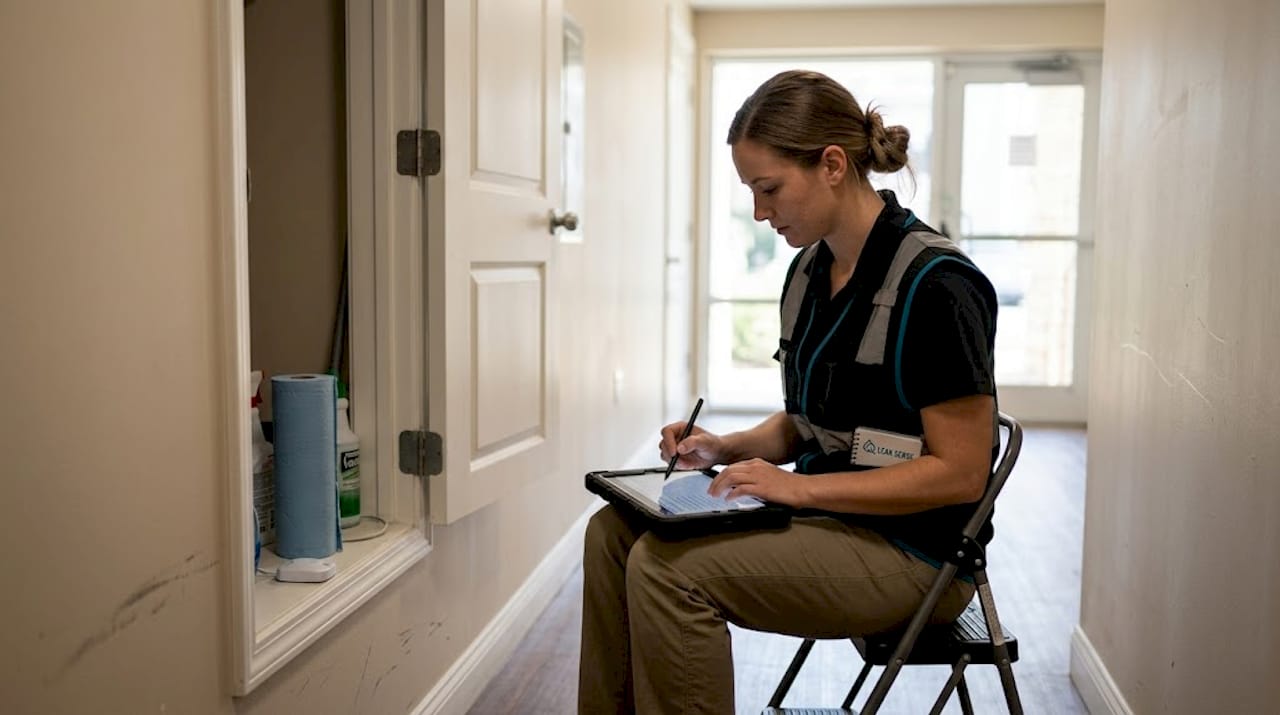
Pro Tip: Use a multifamily water management checklist as a living document. Update it after every inspection and flag any deferred items with a resolution deadline. This turns reactive maintenance into a structured, accountable process.
Consistency is what separates buildings that catch problems early from those that face catastrophic failures. A missed seasonal inspection is rarely just a missed task. It is an open window for a problem to grow unchecked.
Seasonal and severe weather risk mitigation
Beyond routine upkeep, certain seasons and events demand special attention. California’s climate varies significantly by region, and even mild winters can damage unprotected plumbing in older or uninsulated buildings. A targeted seasonal strategy closes the gaps that routine maintenance alone cannot address.
Winter and cold weather preparation:
- Insulate exposed pipes in attics, crawl spaces, and exterior walls before temperatures drop.
- Maintain interior temperatures at or above 50°F in vacant or unoccupied units to prevent freezing.
- Seal drafts around windows, doors, and pipe penetrations to reduce cold air exposure.
- Disconnect and drain outdoor hose bibs before the first freeze.
- Educate tenants to leave cabinet doors open under sinks on exterior walls during cold snaps and to allow faucets to drip slightly when temperatures are expected to drop below freezing.
Quick-reference seasonal action table:
| Season | Key tasks |
|---|---|
| Spring | Inspect roof after winter rains, check irrigation systems, test backflow preventers |
| Summer | Service HVAC, inspect condensate drain lines, review fire suppression system |
| Fall | Clean gutters, insulate pipes, disconnect hoses, confirm heating systems work |
| Winter | Monitor vacant units, check pipes in exposed areas, distribute tenant cold-weather tips |
For California properties in regions that experience occasional freezes, like the Central Valley, mountain foothills, and Northern California, pipe burst risk is real and underappreciated. A single frozen and burst pipe can release hundreds of gallons before it is discovered. Implementing leak detection for multifamily sensors in vulnerable areas provides automated, real-time alerts that catch failures the moment they occur, not hours or days later.
Tenant education is often the most underused tool in seasonal risk management. A short written notice before winter explaining what tenants should do to protect their units costs almost nothing and can prevent a costly claim.
Insurance, compliance, and tenant protection
Staying protected involves more than physical barriers. Proper insurance and compliance are crucial parts of a complete prevention strategy.
What your insurance actually covers:
| Coverage type | Typically included | Typically excluded |
|---|---|---|
| Sudden pipe burst | Yes | No |
| Gradual leak damage | No | Yes |
| Flood damage | No (separate policy needed) | Yes |
| Earthquake-related water damage | No (separate policy needed) | Yes |
| Damage from deferred maintenance | No | Yes |
Standard commercial property policies exclude gradual leaks and neglect-related damage, and California properties often require separate flood and earthquake endorsements. If you have not reviewed your policy recently, now is the time.
On the compliance side, California’s habitability law is clear and enforceable. State habitability law mandates that rental units maintain waterproofing and weather protection at all times. Failure to make prompt repairs gives tenants legal grounds to pursue remedies including “repair and deduct,” where they fix the problem and subtract the cost from rent.
Key compliance actions to prioritize:
- Respond to any reported leak within 24 hours. Document every response with timestamps.
- Maintain written records of all repairs, including photos and vendor invoices.
- Keep caulking, grout, and roof seals in good condition as required by habitability standards.
- Review your water damage compliance obligations annually, especially after any building code updates.
Important: Tenant-reported leaks that are ignored or slowly addressed are a primary driver of both legal claims and insurance denials. A fast, documented response protects you on both fronts.
Treating tenants as partners in prevention rather than observers also pays off. When tenants know who to call and feel confident their report will be acted on quickly, they report problems earlier. Early reports save money.
A smarter, systematic approach to prevention
Checklists are necessary, but they are not sufficient on their own. The real difference between buildings that experience frequent water damage and those that rarely do comes down to accountability systems and technology adoption.
In practice, most water damage events do not happen because a manager did not know what to do. They happen because a maintenance task slipped through the cracks, a vendor did not follow specs, or a slow leak went undetected for weeks. That is a process failure, not a knowledge failure.
Property managers who consistently achieve strong outcomes use digital maintenance logs, IoT-enabled sensors, and real-time alerts to eliminate the blind spots that checklists alone cannot cover. Addressing reducing water loss through automated monitoring is not about replacing human oversight. It is about giving your team the data they need to act before small problems become large ones.
The future of property water management is a blend of structured human accountability and automated detection. Buildings that invest in both are the ones that avoid the costly, disruptive claims that derail operations and erode profitability.
Take action: Solutions for full-spectrum water leak prevention
Combining these strategies with the right technology closes the loop for prevention. A checklist tells you what to do. LeakSense gives you the tools to know when something goes wrong, even between inspections.
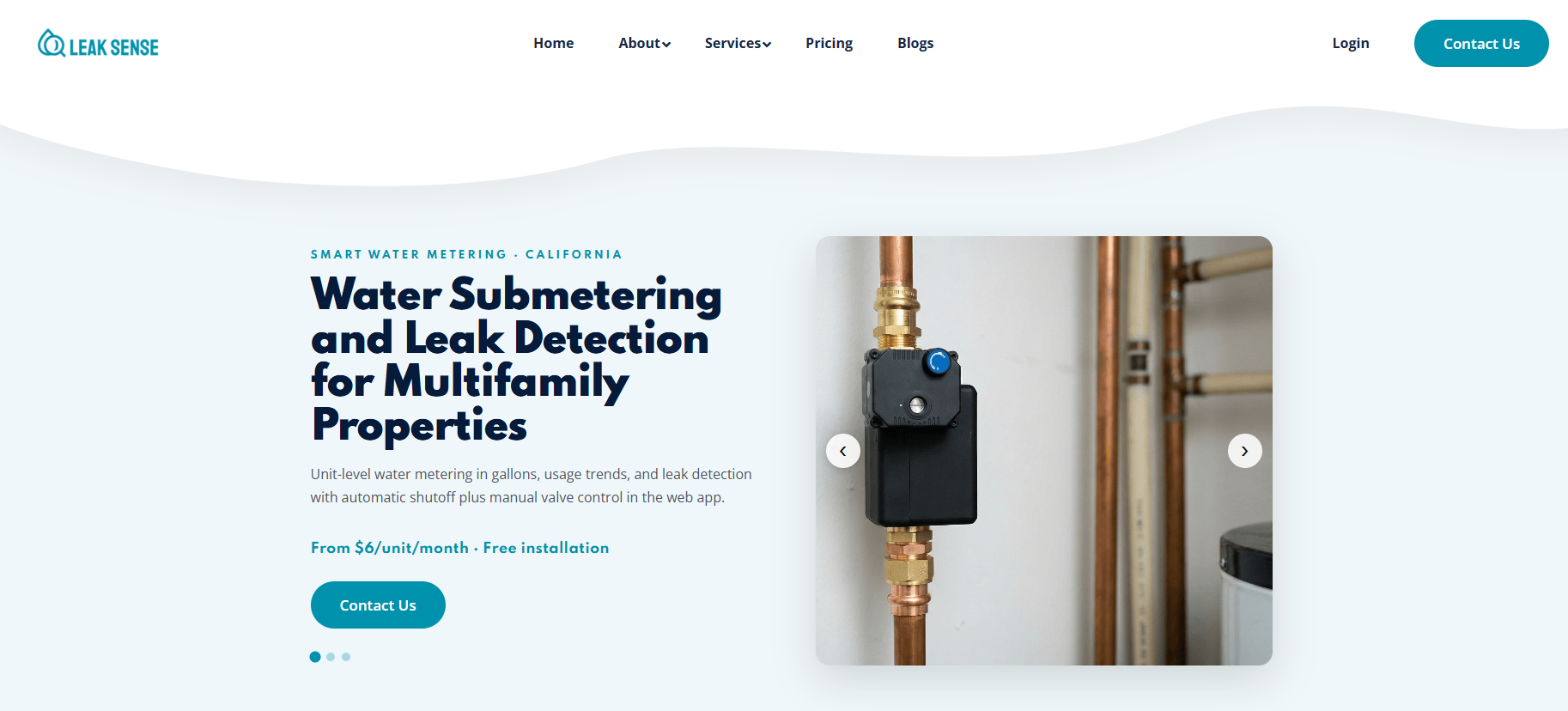
LeakSense’s automatic leak detection sensors integrate directly with your building’s plumbing infrastructure and send real-time alerts the moment a leak is detected. Paired with water metering systems that track usage patterns, you can catch anomalies before they become emergencies. Our water submetering solutions also support tenant billing, Title 24 compliance, and insurance documentation. Contact LeakSense to schedule a consultation and find out how our platform fits your property’s specific needs.
Frequently asked questions
Which plumbing upgrades have the most impact in preventing water damage?
Heavy-duty brass or stainless angle stops and braided stainless steel supply lines for all water-using appliances are the most cost-effective upgrades. They significantly reduce the risk of sudden failures that cause major water damage events.
What routine checks should be done each season for water damage prevention?
Every season, inspect HVAC and plumbing for leaks, clean gutters and roofs seasonally, and address any signs of water intrusion right away. Prompt action on early indicators prevents small issues from escalating into expensive repairs.
How does California law impact water damage prevention requirements?
California’s habitability law requires waterproofing and prompt repairs to avoid tenant remedies such as repair and deduct. Property managers must document all repairs and respond quickly to any reported water issue.
Are all water-related damages covered by property insurance in California?
No. Gradual leaks and neglect-related damage are typically excluded from standard policies, and separate flood and earthquake coverage is often necessary for California properties. Review your policy annually to confirm you have adequate coverage for all water-related risks.
Recommended
- Water Damage Prevention Explained: Smart Tech for California Property
- Prevent water damage: protect property and ensure compliance
- Step-by-Step Risk Management for HOAs in California
- Why water leak detection matters for California buildings
- Top advantages of waterproof cladding for high-risk facilities