Property managers across California face a costly reality: water damage drives up repair budgets and insurance premiums every year. Automated water shutoff systems can reduce water damage claims by up to 90% in commercial buildings, yet many owners remain unaware of these advanced solutions. This article explains the key advantages of automated shutoff technology, walks through selection criteria tailored for California properties, and compares leading systems to help you make informed decisions that protect your investment while meeting strict regulatory standards.
- Selection Criteria For Choosing Automated Water Shutoff Systems
- Preventative Damage Control Benefits
- Regulatory Compliance Advantages In California
- Operational Water Cost Reduction And Remote Monitoring
- Comparison Of Leading Automated Water Shutoff Technologies
- Implementation Challenges And Maintenance Considerations
- Situational Recommendations: Choosing The Right System For Your Property
- Explore LeakSense Automated Water Shutoff Solutions
- Frequently Asked Questions
Key Takeaways
| Point | Details |
|---|---|
| Damage Reduction | Automated systems reduce water damage claims by up to 90% through immediate leak response. |
| Regulatory Compliance | Systems support California Title 24 water efficiency mandates and LEED certification. |
| Cost Savings | Leak prevention cuts water costs by 15-20% and lowers insurance premiums up to 15%. |
| Remote Control | Real-time monitoring enables instant shutoff from anywhere via cloud platforms. |
| Professional Installation | Expert setup reduces errors and downtime by 30% compared to DIY approaches. |
Selection Criteria for Choosing Automated Water Shutoff Systems
Choosing the right automated water shutoff system starts with understanding what matters most for California property managers. Sensor accuracy and false alarm rates are the highest priority to ensure reliability and avoid operational disruptions. You need a system that detects real leaks instantly while minimizing false triggers that waste time and erode trust.
Compliance with California Title 24 water efficiency requirements ranks second. New multifamily buildings must meet strict conservation standards, and automated shutoff systems help you stay ahead of regulatory changes. Look for solutions explicitly designed to support these mandates.
Integration capabilities determine how smoothly the system fits into your existing operations. The best automated water shutoff integration connects with property management software and tenant billing platforms, streamlining alerts and simplifying cost allocation. This automation saves administrative hours and improves tenant communication.
Consider these essential factors when evaluating systems:
- Sensor Technology: Pressure sensors, humidity monitors, and flow meters each detect different leak types. Choose based on your property’s specific risks.
- Response Speed: Systems should trigger shutoff within seconds of detecting anomalies to minimize damage.
- Scalability: Modular systems grow with your portfolio, letting you add sensors as needs evolve.
- Support Services: Professional installation and ongoing maintenance keep systems running at peak performance.
- Cost vs. ROI: Calculate payback period based on property size, leak history, and insurance savings.
Remote monitoring and automation capabilities add crucial operational control. Cloud-based platforms let you oversee multiple properties from one dashboard, receive instant alerts, and trigger manual shutoffs when needed. This centralized approach transforms water management from reactive to proactive.
Pro Tip: Request detailed false alarm statistics from vendors before purchasing. Top systems maintain rates below 1%, ensuring you respond only to genuine threats while avoiding alarm fatigue among staff.
The automated water shutoff systems impact extends beyond damage prevention. These solutions reshape how you manage water resources, reduce waste, and demonstrate environmental responsibility to tenants and investors.
Preventative Damage Control Benefits
Water damage creates cascading problems that extend far beyond initial repair costs. Burst pipes flood units, destroy personal property, displace tenants, and trigger insurance claims that drive up premiums. Traditional manual shutoff valves require someone to physically reach the valve and turn off water, wasting precious minutes while damage accumulates.
Automated systems can reduce water damage claims by up to 90% by triggering shutoff immediately on leak detection. IoT sensors monitor pressure fluctuations, flow rates, and moisture levels around the clock. When readings exceed normal parameters, the system closes valves within seconds, containing the leak before it becomes a catastrophe.
Real case studies demonstrate this dramatic impact:
A 200-unit apartment complex in San Diego installed automated shutoff in 2025. Within six months, the system prevented three major incidents that historically would have caused $50,000+ in damage each. Total system cost: $35,000. The property recouped its investment in under four months through avoided repairs and maintained occupancy.
Consider what water damage prevention with automated shutoff means for your operations:
- Immediate Response: Shutoff occurs in seconds, not minutes or hours, drastically limiting water flow and damage scope.
- 24/7 Protection: Systems never sleep, providing constant monitoring even when staff is off-site or during holidays.
- Business Continuity: Contained leaks mean fewer displaced tenants, maintained rental income, and preserved property reputation.
- Lower Insurance Costs: Many insurers offer 10-15% premium reductions for properties with certified automated shutoff systems.
The financial math is straightforward. Average water damage claims in multifamily properties range from $10,000 to $75,000 per incident. Preventing just one major event pays for most system installations. Properties with chronic leak issues see ROI in months, while even well-maintained buildings benefit from long-term risk mitigation and insurance savings.
Beyond direct costs, water damage disrupts operations and strains tenant relationships. Rapid containment maintains living conditions, preserves trust, and protects your property’s market position in competitive California rental markets.
Regulatory Compliance Advantages in California
California enforces some of the nation’s strictest water efficiency regulations, and compliance requirements continue tightening. Automated water shutoff systems support compliance with mandatory California Title 24 water efficiency regulations for new multifamily buildings. Title 24 mandates specific water use reductions, leak detection protocols, and conservation measures that automated systems help you meet without manual intervention.
The 2026 Title 24 updates increased water efficiency requirements by another 15% for new construction and major renovations. Properties must demonstrate active leak detection and rapid response capabilities. Automated shutoff systems satisfy these requirements while documenting compliance through digital logs and usage reports.
Staying ahead of automated shutoff and California Title 24 compliance protects you from penalties and positions your property as an environmental leader. Regulatory violations carry fines starting at $1,000 per day, escalating quickly for repeat offenses. Automated monitoring eliminates compliance gaps that occur with manual processes.
Certification benefits extend beyond basic compliance:
- LEED Points: Automated water management systems contribute toward LEED certification, increasing property value and attracting environmentally conscious tenants.
- Sustainability Reporting: Detailed water usage data supports ESG reporting requirements for institutional investors and REITs.
- Competitive Advantage: Green certifications differentiate your property in crowded markets, often commanding 5-10% rent premiums.
- Future-Proofing: Installing compliant systems now avoids costly retrofits as regulations tighten further.
Integration with broader sustainable building and water efficiency strategies multiplies benefits. Automated shutoff pairs naturally with low-flow fixtures, rainwater harvesting, and greywater systems to create comprehensive conservation programs that exceed minimum standards.
Regulatory compliance is no longer optional in California water management. Automated shutoff systems transform compliance from a burden into a strategic advantage that protects your investment, reduces operating costs, and enhances market positioning.
Operational Water Cost Reduction and Remote Monitoring
Operational costs consume profit margins, and water expenses rank among the most controllable through technology. Automated water shutoff reduces overall water consumption by 15-20% through leak prevention and usage control. Those savings translate directly to your bottom line, year after year.

IoT sensors deliver real-time data and alerts to property managers through cloud platforms accessible on any device. You monitor water flow patterns, identify anomalies, and respond to issues before they escalate. Remote shutoff control allows immediate leak response from anywhere, reducing damage and waste while you’re off-site or managing multiple properties.
The operational advantages extend across your entire water management strategy:
- Instant Alerts: Receive notifications within seconds of detecting abnormal flow, pressure drops, or moisture accumulation.
- Usage Analytics: Track consumption by unit, building, or property to identify inefficiencies and optimize conservation efforts.
- Tenant Billing: Accurate submetering supports fair cost allocation, encouraging responsible water use among residents.
- Maintenance Planning: Predictive analytics identify aging pipes and fixtures before they fail, preventing emergencies.
- Staff Efficiency: Automated monitoring reduces manual inspections, freeing maintenance teams for higher-value tasks.
Consider the cumulative impact across a typical California multifamily property:
| Property Size | Annual Water Cost | 15% Savings | 5-Year Benefit |
|---|---|---|---|
| 50 units | $45,000 | $6,750 | $33,750 |
| 100 units | $90,000 | $13,500 | $67,500 |
| 200 units | $180,000 | $27,000 | $135,000 |
These savings exclude avoided damage costs and insurance benefits, making actual ROI significantly higher. Integration with automatic leak detection and shutoff integration platforms centralizes data and automates responses, eliminating the lag time between detection and action that amplifies damage.
Pro Tip: Set customized alert thresholds for different property zones. Irrigation systems, laundry facilities, and residential units have distinct normal flow patterns. Tailored parameters reduce false alarms while catching genuine issues faster.
The automatic water alerts and efficiency relationship is direct. Faster alerts mean quicker responses, less waste, lower bills, and happier tenants who appreciate visible environmental responsibility. Remote monitoring transforms water management from a reactive headache into a proactive advantage.
Comparison of Leading Automated Water Shutoff Technologies
Understanding technical differences helps you select the system that best matches your property’s needs and budget. Top IoT-enabled automated shutoff systems reduce water damage incidents by 75% with false alarm rates below 1%, costing $500 to $2,000 per unit installed. Price reflects sensor sophistication, integration capabilities, and included services.
| System Type | Accuracy Rate | False Alarms | Price Range | Best For |
|---|---|---|---|---|
| Basic Pressure Sensors | 92% | 3-5% | $500-$800 | Small properties, tight budgets |
| IoT Flow Monitors | 97% | 1-2% | $900-$1,400 | Mid-size multifamily buildings |
| Advanced Multi-Sensor | 99%+ | <1% | $1,500-$2,000 | Large commercial, high-risk areas |
| Hybrid Systems | 98% | <1% | $1,200-$1,800 | Properties needing flexibility |
Basic pressure sensors detect sudden drops indicating burst pipes but miss slow leaks. They work well for budget-conscious properties with newer plumbing but require supplemental monitoring for comprehensive protection.
IoT flow monitors track consumption patterns and flag anomalies using machine learning algorithms. These systems catch slow leaks, detect unusual usage, and integrate seamlessly with property management software. They represent the sweet spot for most California multifamily properties.
Advanced multi-sensor systems combine pressure, flow, humidity, and temperature monitoring for maximum detection capability. They excel in high-value properties, historic buildings with aging infrastructure, or facilities where water damage would cause catastrophic losses.
Key technical considerations when comparing smart leak sensors comparison:
- Sensor Placement: Systems requiring sensors at every fixture cost more but provide granular control. Whole-building monitors are cheaper but less precise.
- Valve Type: Motorized ball valves offer faster shutoff than traditional gate valves. Specify commercial-grade actuators for reliability.
- Communication Protocol: Wi-Fi systems are easier to install but may face connectivity issues. Hardwired or cellular options ensure reliable alerts.
- Cloud Platform: Look for intuitive dashboards, mobile apps, customizable alerts, and integration APIs for third-party software.
- Battery Backup: Systems should maintain operation during power outages to protect properties 24/7.
Don’t choose solely on price. A $500 system that misses half your leaks costs far more than a $1,500 solution that catches everything. Calculate total cost of ownership including installation, monitoring fees, and expected damage prevention over five years.
The right technology balances your risk profile, property complexity, and operational priorities. Most California property managers find mid-range IoT systems deliver optimal value, combining excellent accuracy with reasonable upfront investment.
Implementation Challenges and Maintenance Considerations
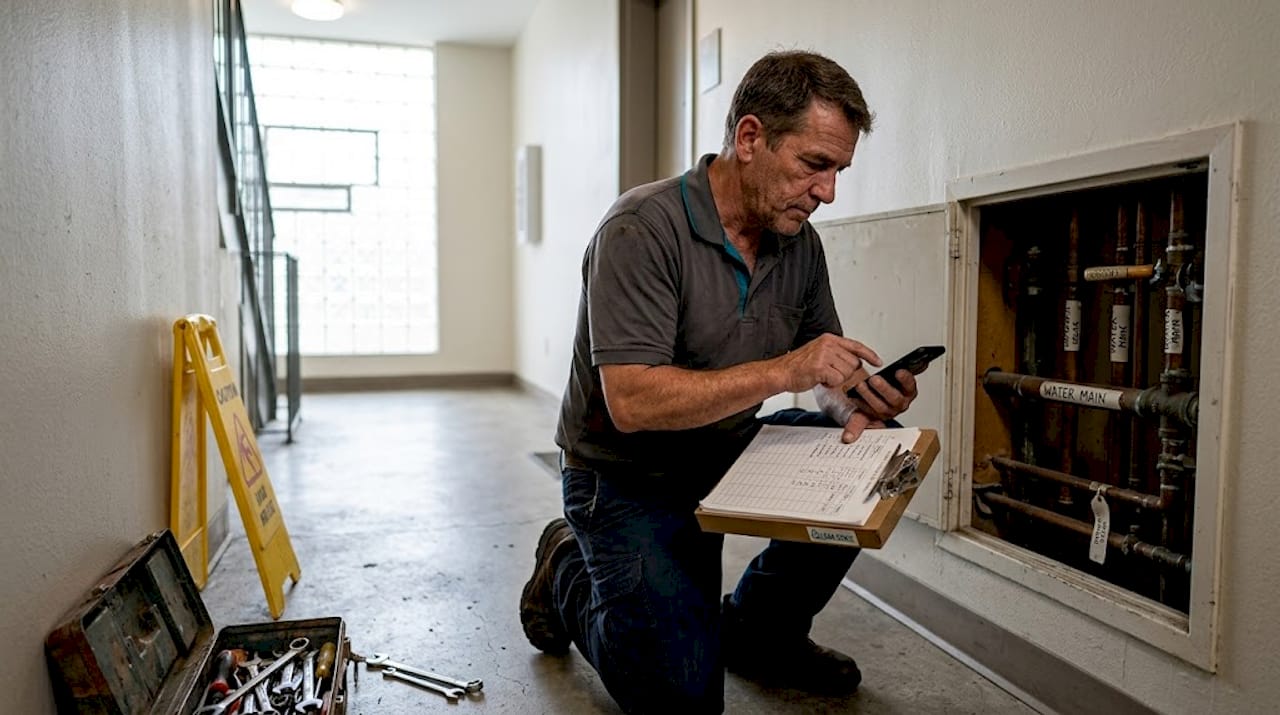
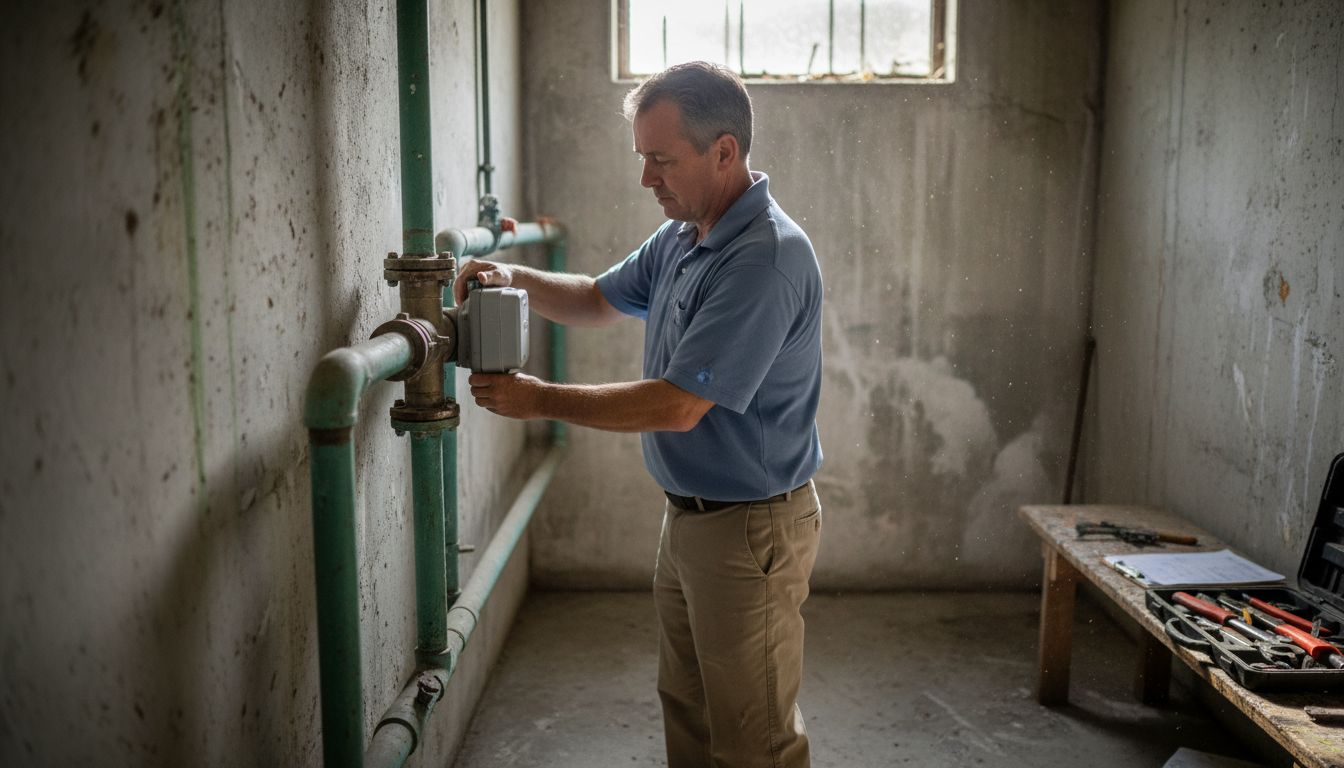
Installation quality determines whether your automated shutoff system protects or disappoints. Professional installation reduces errors and downtime by 30% compared to DIY setups. Improper sensor placement, incorrect valve sizing, or faulty wiring creates false alarms and missed leaks that undermine system value.
DIY installations tempt budget-focused managers but carry hidden costs. You need specialized tools, plumbing expertise, electrical knowledge, and time to configure software properly. One mistake during installation can cost more to fix than hiring professionals from the start.
Common implementation pitfalls include:
- Incorrect Valve Sizing: Undersized valves restrict flow and create pressure issues. Oversized valves cost more without adding benefit.
- Poor Sensor Placement: Sensors installed in low-traffic areas miss early leak signs. Strategic placement catches issues before damage occurs.
- Network Configuration: Wi-Fi systems need strong signals throughout the property. Dead zones prevent alerts and disable remote shutoff.
- Integration Failures: Incompatible software prevents automated shutoff from connecting with property management systems.
Pro Tip: Schedule installation during low-occupancy periods to minimize tenant disruption. Professional teams complete 50-unit properties in 2-3 days with minimal water service interruptions.
Ongoing maintenance ensures sustained performance and reliability. Systems require quarterly diagnostics to calibrate sensors, test valve operation, and verify alert delivery. Regular maintenance catches issues before they compromise protection.
Maintenance best practices from professional water system installation experts:
- Quarterly Testing: Manually trigger shutoff valves to confirm response times remain within specifications.
- Sensor Calibration: Recalibrate pressure and flow sensors annually to maintain accuracy as plumbing systems age.
- Software Updates: Apply firmware patches and feature updates to improve detection algorithms and fix bugs.
- Battery Replacement: Replace backup batteries every 2-3 years to ensure operation during power outages.
- Staff Training: Train maintenance teams on system operation, troubleshooting common issues, and when to call technical support.
Many vendors offer maintenance contracts bundling inspections, calibration, and priority support. These plans typically cost $500 to $1,500 annually depending on property size but deliver peace of mind and sustained system performance.
Treat automated shutoff systems like any critical building infrastructure. Proper installation and regular maintenance maximize ROI, ensure regulatory compliance, and deliver the 90% damage reduction these technologies promise.
Situational Recommendations: Choosing the Right System for Your Property
Different properties need different solutions. Your ideal automated water shutoff system depends on building type, budget constraints, regulatory requirements, and operational priorities. These tailored recommendations help you match technology to your specific situation.
-
Multifamily Buildings (50+ Units): Prioritize systems with strong Title 24 compliance documentation and advanced tenant billing integration. Choose IoT flow monitors with sub-metering capabilities to allocate costs fairly. Budget $50,000 to $100,000 for comprehensive coverage in a 100-unit property. Focus on vendors offering California-specific support and regulatory expertise.
-
Commercial Properties: Select modular systems accepting multiple sensor types. Commercial buildings have diverse water uses (kitchens, cooling systems, restrooms) requiring different detection approaches. Invest in advanced multi-sensor packages with customizable alert thresholds for each zone. Expect $75,000 to $150,000 for a mid-size commercial building.
-
Budget-Conscious Managers: Start with core IoT units covering high-risk areas like water heaters, laundry rooms, and main supply lines. Add sensors incrementally as budget allows. Professional installation is non-negotiable even on tight budgets—errors cost more than savings. A phased approach lets you see ROI from initial zones before expanding coverage.
-
Historic Buildings: Choose non-invasive systems minimizing plumbing modifications. Wireless sensors and external valve actuators preserve architectural integrity while adding modern protection. Work with installers experienced in retrofitting older properties to avoid damaging original features.
-
New Construction: Integrate automated shutoff during initial plumbing installation for seamless implementation and lower costs. Specify systems meeting current and anticipated Title 24 requirements to avoid future retrofits. Budget 2-3% of total plumbing costs for comprehensive automated shutoff.
Balance cost with essential features to maximize system value. Every property needs accurate sensors, reliable valves, and remote monitoring. Additional features like predictive analytics and AI-powered usage optimization deliver value but aren’t mandatory for basic protection.
Consider property complexity and operational goals in final decisions. Single-building portfolios may prefer standalone systems, while multi-property managers need centralized platforms managing dozens of locations from one dashboard. Review automated shutoff options by property type to see real implementations matching your situation.
The right system protects your investment, satisfies regulations, reduces costs, and scales with your portfolio. Take time to evaluate options thoroughly—this decision impacts your operations for decades.
Explore LeakSense Automated Water Shutoff Solutions
After understanding the advantages of automated water shutoff technology, the next step is implementing a system tailored for California properties. LeakSense offers 24/7 automatic leak detection with shutoff designed specifically for multifamily and commercial buildings facing Title 24 compliance and water management challenges. Our solutions combine IoT sensors, cloud-based monitoring, and professional installation to deliver the damage prevention and cost savings discussed throughout this article.
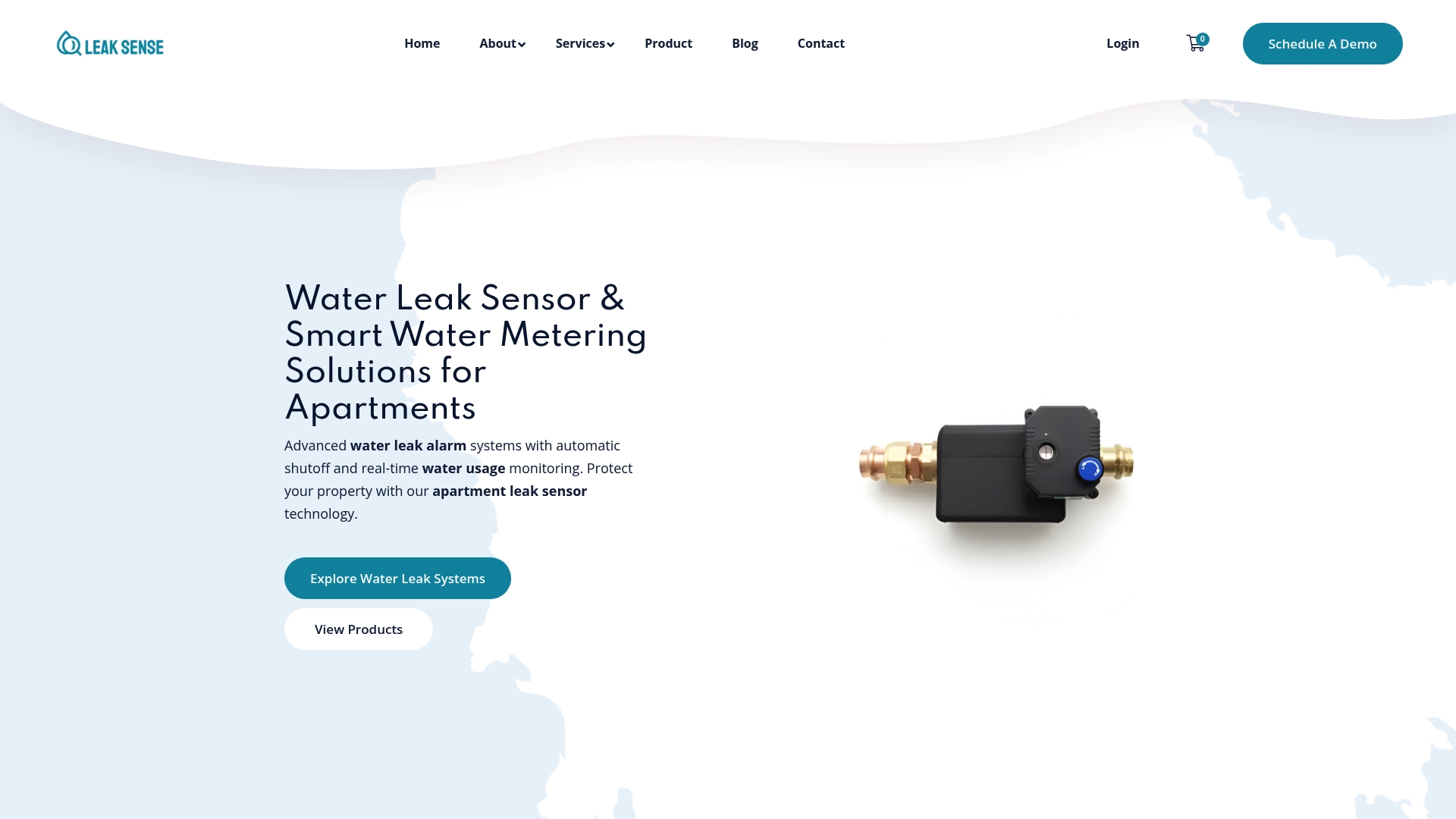
Our team handles everything from initial assessment through installation and ongoing monitoring. Systems integrate seamlessly with property management platforms, streamlining tenant billing and maintenance workflows. Whether you manage 50 units or 500, LeakSense scales to your needs while maintaining the accuracy and reliability California properties demand. Learn how to automate water shutoff guide for your specific property type, or explore our apartment leak detection solutions addressing common multifamily challenges. Request a consultation today to discover how automated water management protects your investment while reducing operating costs.
Frequently Asked Questions
How reliable are automated water shutoff systems at preventing false alarms?
Top-tier systems maintain false alarm rates below 1% through advanced sensor algorithms and machine learning. Professional installation and quarterly calibration further minimize false triggers while ensuring genuine leaks receive immediate response.
Do automated shutoff systems help with California Title 24 compliance?
Yes, automated water shutoff FAQ confirms these systems satisfy Title 24 leak detection and conservation requirements. They provide documentation and audit trails proving active monitoring and rapid response capabilities regulators require.
Can installing automated shutoff lower my property insurance premiums?
Many California insurers offer 10-15% premium reductions for properties with certified automated shutoff systems. The dramatic reduction in water damage claims makes these properties lower risk, translating to measurable savings on annual insurance costs.
How long does professional installation take for a typical multifamily building?
Professional teams complete 50-unit properties in 2-3 days with minimal disruption. Larger buildings require proportionally more time, but experienced installers work efficiently to maintain water service and avoid tenant inconvenience throughout the process.
What ongoing maintenance do automated water shutoff systems require?
Quarterly diagnostics check sensor accuracy, valve operation, and alert delivery. Annual calibration maintains precision as plumbing ages. Many vendors offer maintenance contracts bundling these services for $500-$1,500 annually depending on property size and system complexity.