
TL;DR:
- Water leaks cause significant damage and can be largely prevented with smart detection workflows.
- Implementing sensors, calibration, and systematic testing can reduce water damage and insurance costs.
- California regulations favor smart leak detection for compliance, risk reduction, and financial savings.
Undetected water leaks cost California property managers thousands of dollars in structural repairs, mold remediation, and insurance claims every year. The stakes are even higher now that 70%–90% of water damage claims can be avoided with a structured leak detection workflow, and Title 24 and SB7 compliance is mandatory for many multifamily properties. This guide walks you through a practical, step-by-step workflow built specifically for California property managers and building owners who want to protect their assets, stay compliant, and reduce water-related costs starting today.
- Assess property needs and compliance requirements
- Select the right technology and installation plan
- Configure alerts, data, and system integration
- Verification, routine testing, and ongoing ROI
- Why proactive smart workflows beat reactive approaches (our take)
- Get started with proven water leak detection solutions
- Frequently asked questions
Key Takeaways
| Point | Details |
|---|---|
| Compliance is critical | California law mandates leak detection and submetering in most new multifamily properties. |
| Smart tech saves money | Smart leak systems reduce claims by 70-90% and deliver strong ROI within two years. |
| ROI is rapid | Most properties recover installation costs in under 24 months thanks to water savings and avoided damage. |
| Routine testing matters | Monthly system checks ensure reliable protection and keep insurance and compliance on track. |
Assess property needs and compliance requirements
Before installing a single sensor, you need a clear picture of your property’s risk profile and regulatory obligations. This first phase is about gathering facts, not making purchases.
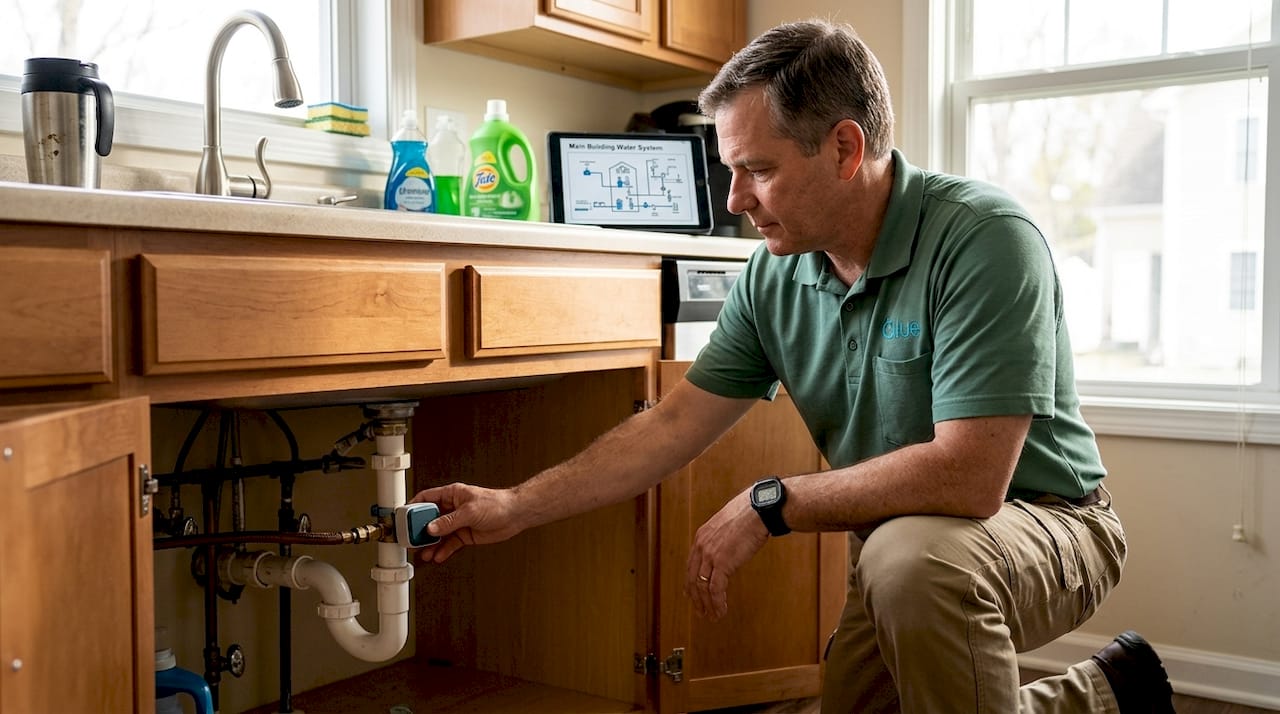
Start with a physical walkthrough to identify where leaks are most likely to occur. The most common high-risk zones in multifamily buildings include:
- Water heater rooms and mechanical closets where aging equipment and condensation create persistent moisture risks
- Under-sink plumbing in kitchens and bathrooms, especially in older units with galvanized or copper pipes
- Irrigation and landscape connections that often go unmonitored for weeks
- Roof drains and HVAC condensate lines that can overflow silently
- Common laundry rooms where hose connections fail without warning
Once you have mapped the physical risks, review your compliance obligations. Title 24 and SB7 require water metering, submetering, and leak detection systems in new multifamily properties constructed after 2018. If your building falls under these rules and you are not yet compliant, you are exposed to both regulatory penalties and insurance liability.
Documentation is equally important. You need records that satisfy insurers during a claim and regulators during an inspection. Use smart detection methods to generate automatic logs that timestamp every detection event, making your records audit-ready at all times. For a deeper look at why this matters specifically in California, review the case for leak detection for CA properties.
Use the table below to prioritize your risk areas before moving to technology selection:
| Risk area | Likelihood of leak | Compliance relevance | Priority level |
|---|---|---|---|
| Water heater rooms | High | Title 24 | Critical |
| Under-sink plumbing | High | SB7 submetering | Critical |
| HVAC condensate lines | Medium | Title 24 | High |
| Irrigation connections | Medium | Water conservation | High |
| Roof drains | Low to medium | Insurance | Medium |
Pro Tip: Create a dedicated leak event log from day one. Every detection, alert, and repair should be recorded with dates, locations, and outcomes. This log is your strongest asset during insurance claims and compliance inspections.
Select the right technology and installation plan
Once you have mapped your needs and identified compliance gaps, the next step is matching the right technology to each zone in your property. Not all sensors are equal, and the wrong choice leads to missed detections or alert fatigue.
The main sensor categories available for multifamily properties include:
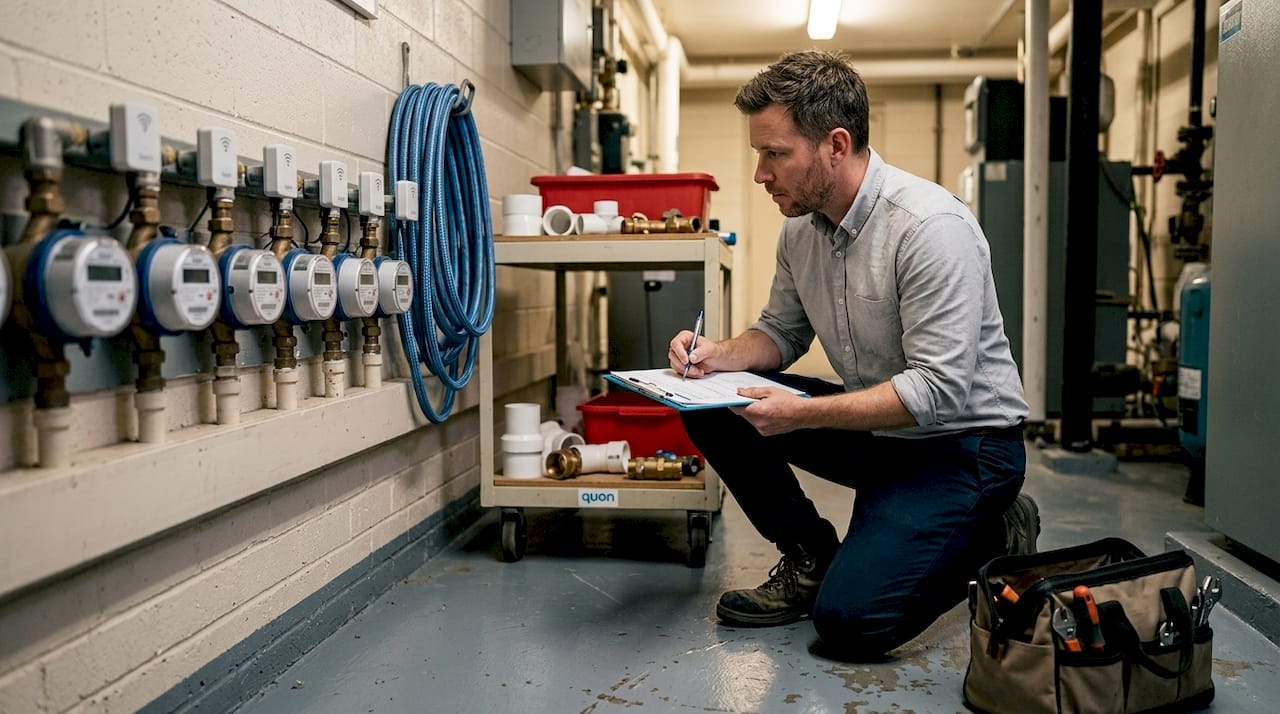
- Flow meters installed at main supply lines to detect abnormal usage patterns in real time
- Point moisture sensors placed directly at high-risk spots like under sinks and near water heaters
- Acoustic sensors that detect the sound signature of pipe leaks inside walls and underground
- Rope and cable sensors used along long runs of pipe or in mechanical rooms
- IoT-enabled cloud devices that transmit data to a central dashboard for remote monitoring
Multi-sensor integration combining flow meters, acoustic sensors, and moisture sensors is best practice for thorough detection and compliance coverage. No single sensor type catches everything. A flow meter may miss a slow drip under a sink, while a point sensor won’t flag a main line surge. Layering technologies gives you redundancy.
The comparison below shows why smart systems outperform manual approaches:
| Feature | Smart IoT system | Manual inspection |
|---|---|---|
| Detection speed | Minutes | Average 14 days |
| Coverage | Continuous, 24/7 | Periodic only |
| Compliance logging | Automatic | Manual, error-prone |
| Insurance eligibility | Discount-qualifying | Standard rates |
| Scalability | Easy to expand | Labor-intensive |
For installation planning, use a phased rollout. Start with the highest-risk zones identified in your audit, prove ROI in the first 90 days, then expand to secondary zones. This approach controls upfront costs while generating early data to justify further investment. Pair your sensors with automatic shutoff systems so that when a leak is detected, water flow is stopped immediately without waiting for staff to respond.
Configure alerts, data, and system integration
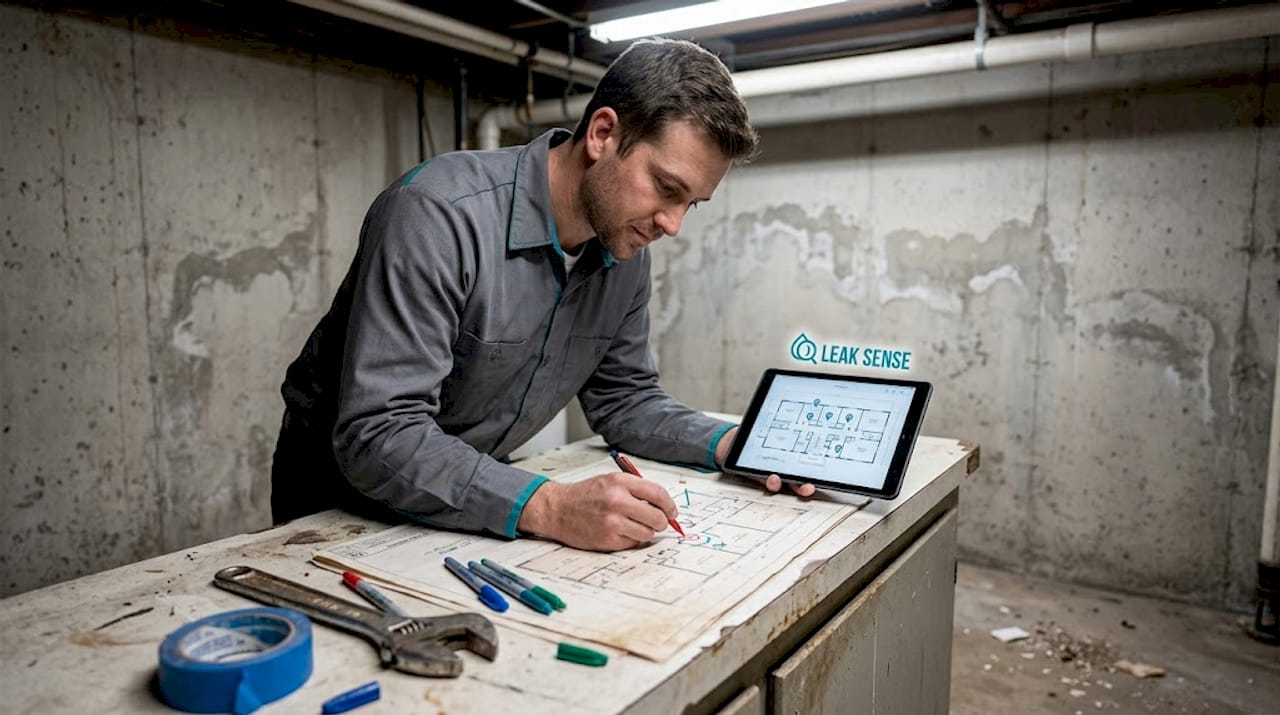
With technology installed, the next priority is configuring your system so that every alert is meaningful and every data point is actionable. Poorly configured systems generate noise, and noise leads to ignored alerts.
Follow these steps to set up your system correctly:
- Set baseline thresholds by recording normal water usage patterns for your property over the first two weeks. This gives the system a reference point for what is normal.
- Calibrate humidity and moisture thresholds to account for seasonal variation in California. A sensor near a coastal property will read differently than one in the Central Valley.
- Assign alert tiers so that a minor drip triggers a low-priority notification while a burst pipe triggers an immediate emergency alert to multiple contacts.
- Integrate with your property management software or CMMS so that work orders are created automatically when an alert fires. Manual handoffs slow response times.
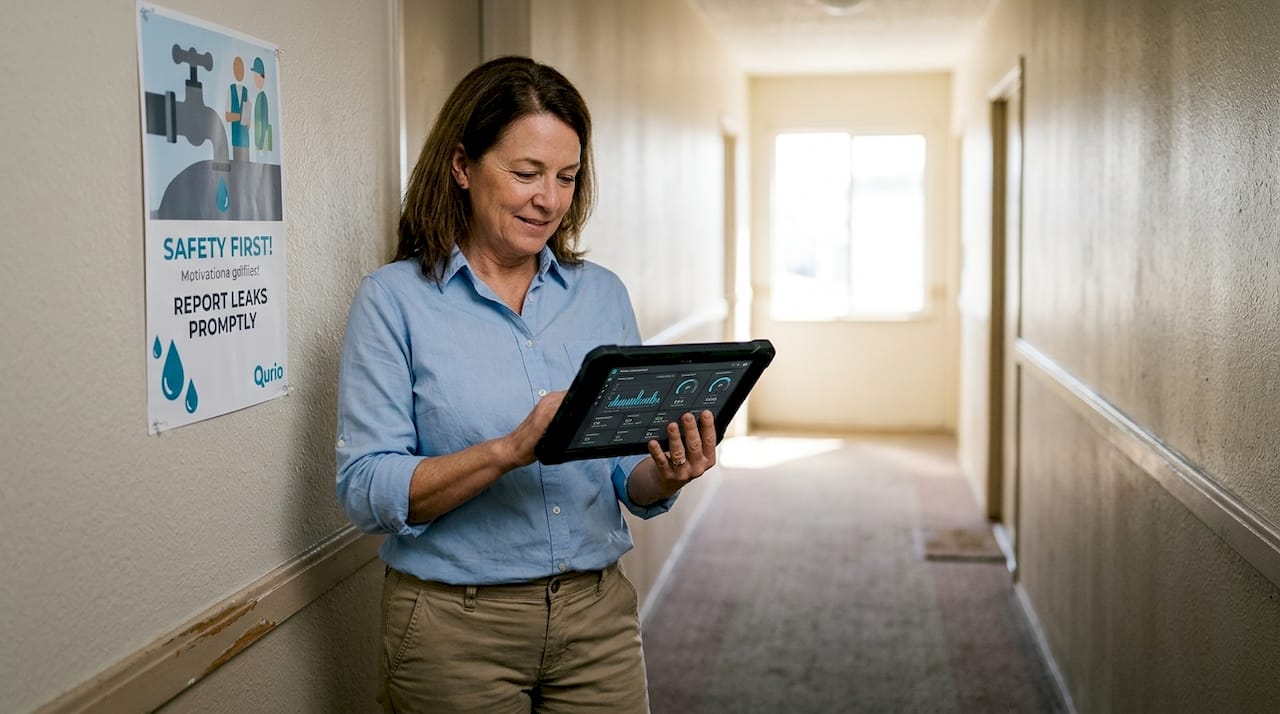
- Establish tenant notification protocols for events that affect occupied units. Tenants who receive timely updates are less likely to escalate complaints.
False alarms can be reduced by calibrating thresholds carefully and using AI-driven pattern recognition to distinguish routine usage spikes from actual leaks. Systems that learn your building’s behavior over time become significantly more accurate within the first month.
Key insight: A well-configured system does not just detect leaks faster. It generates a continuous record of your building’s water behavior, which becomes valuable data for insurance negotiations, compliance audits, and capital planning.
For a full breakdown of how to structure your workflow for multifamily properties, including notification templates and integration checklists, review the step-by-step guide. You can also explore data-driven monitoring strategies that show how analytics reduce water waste by up to 25%.
Pro Tip: Every time you adjust a threshold or change an alert configuration, log the change with a timestamp and reason. Insurers and regulators want to see that your system is actively managed, not just installed and forgotten.
Verification, routine testing, and ongoing ROI
Installing and configuring a system is not the finish line. Ongoing verification and testing are what separate properties that see long-term ROI from those that experience system drift and missed detections over time.
Build these steps into your monthly maintenance schedule:
- Trigger each sensor manually using a test mode or controlled water exposure to confirm it fires correctly.
- Verify alert delivery by confirming that notifications reach all designated contacts within the expected timeframe.
- Review the detection log for any gaps, false positives, or missed events from the previous month.
- Check integration status to confirm your CMMS or property management platform is still receiving data correctly.
- Update contact lists to reflect any staff changes so alerts always reach the right people.
Routine testing and system documentation are essential for compliance, insurance claims, and reducing water loss over time. Without documented test results, you cannot prove your system was operational during a loss event.
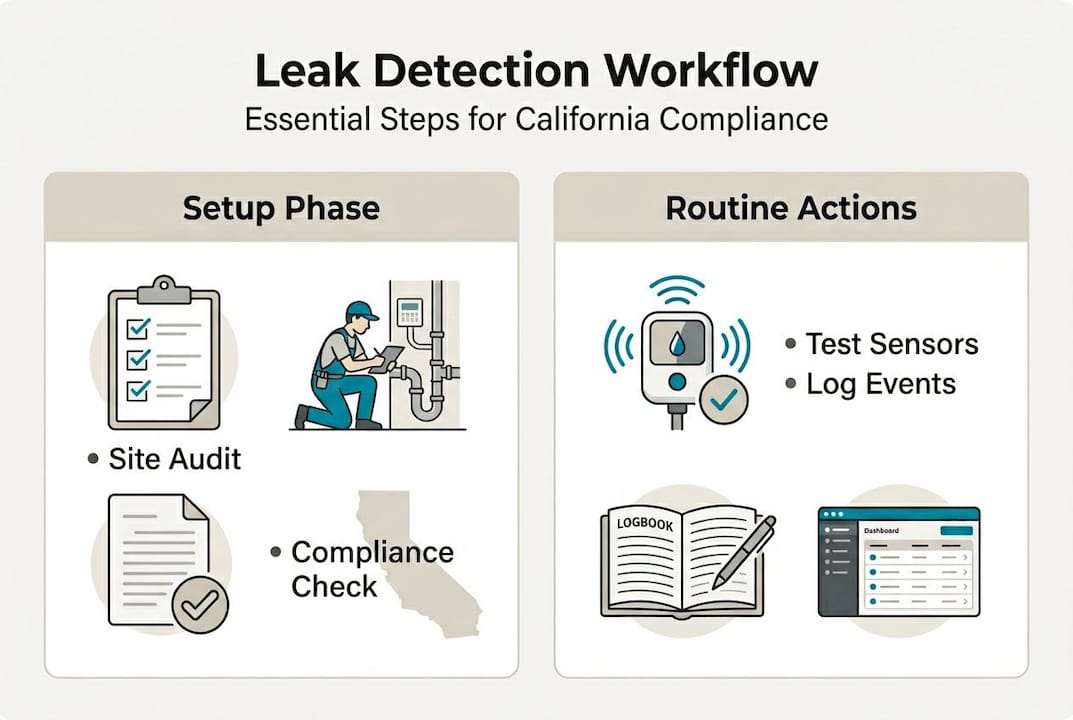
Use the log below as a starting template for monthly verification:
| Test item | Frequency | Pass/fail | Notes |
|---|---|---|---|
| Sensor trigger test | Monthly | ||
| Alert delivery check | Monthly | ||
| Integration sync verification | Monthly | ||
| Threshold review | Quarterly | ||
| Full system audit | Annually |
The ROI case is strong. Properties have seen up to a 90% reduction in water damage and an 82% drop in insurance claims after implementing a smart monitoring workflow. For ongoing compliance monitoring and to compare ROI across solutions, explore the detailed breakdowns available for California multifamily operators.
Why proactive smart workflows beat reactive approaches (our take)
We have seen enough water damage events to know that the real cost is never just the repair bill. It is the displaced tenants, the insurance premium increases, the compliance violations, and the weeks of management time spent on remediation instead of operations.
The common objection we hear from smaller property owners is that smart detection is overkill for a 20-unit building. That view is outdated. The cost of IoT sensors has dropped significantly, and smart systems detect leaks within minutes versus 14 days for manual inspections. At that detection speed difference, even one prevented leak event pays for years of system costs.
The other reality is that compliance and insurance savings frequently cover or exceed the cost of automation. Insurers are increasingly offering premium discounts for verified smart detection, and in some high-risk markets, they require it. Waiting for a major loss event to justify the investment is a false economy that we see hurt property owners repeatedly.
For California operators specifically, the California compliance advantages of smart detection go beyond avoiding penalties. They position your property as a lower-risk asset, which matters when refinancing or attracting institutional tenants.
Get started with proven water leak detection solutions
The workflow outlined here works. But executing it well requires the right technology partner, not just the right plan.
At Leaksense.io, we provide California property managers with automatic leak detection solutions that cover every step of this workflow, from sensor installation and threshold configuration to real-time alerts and compliance documentation. Our submetering solutions support Title 24 and SB7 compliance directly, and you can compare water metering plans to find the right fit for your property size and budget. Reach out to our team to schedule a property assessment and start protecting your building today.
Frequently asked questions
What regulations require water leak detection in California apartment buildings?
California’s Title 24 and SB7 require water leak detection and submetering for new multifamily buildings constructed after 2018. Non-compliance can result in regulatory penalties and insurance complications.
How much can smart leak detection save annually?
Typical savings range from $27,000 to $58,000 per 100-unit property annually, with most properties achieving full ROI in less than two years.
What triggers most false alarms and how can I avoid them?
Most false alarms stem from humidity spikes or condensation near sensors. Calibrating thresholds and enabling AI-based pattern learning significantly reduces these over the first few weeks of operation.
Do insurance companies require leak detection systems?
Not always, but many insurers offer discounts for verified smart leak detection systems and some mandate them in high-risk coastal or flood-prone areas of California.
Recommended
- California Water Submetering Case Study | LeakSense
- Why water leak detection matters for California buildings
- Step by Step Leak Detection for Multifamily Properties
- How to Set Up Leak Detection Systems for Multifamily Buildings
- Master your water system maintenance workflow: step-by-step - Coway Water Purifier
- Detectar filtraciones a tiempo: protege tu propiedad