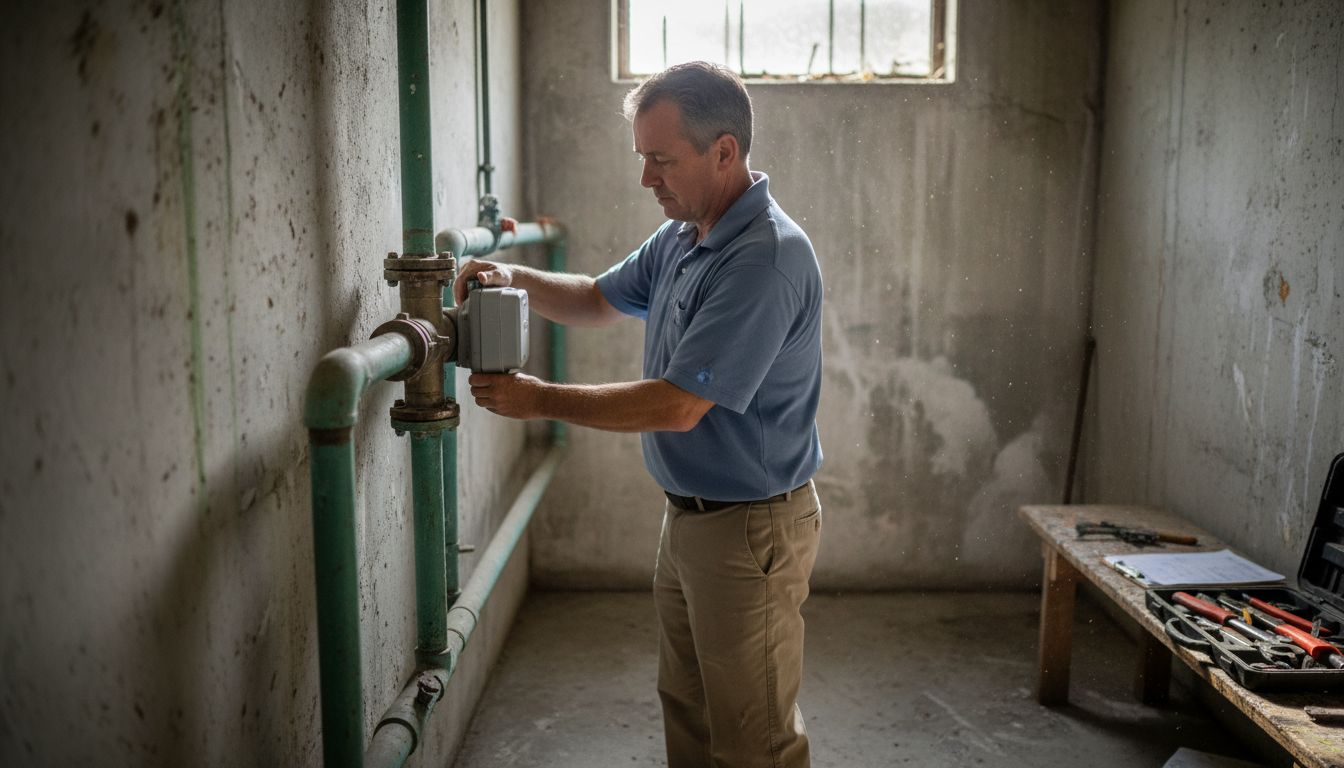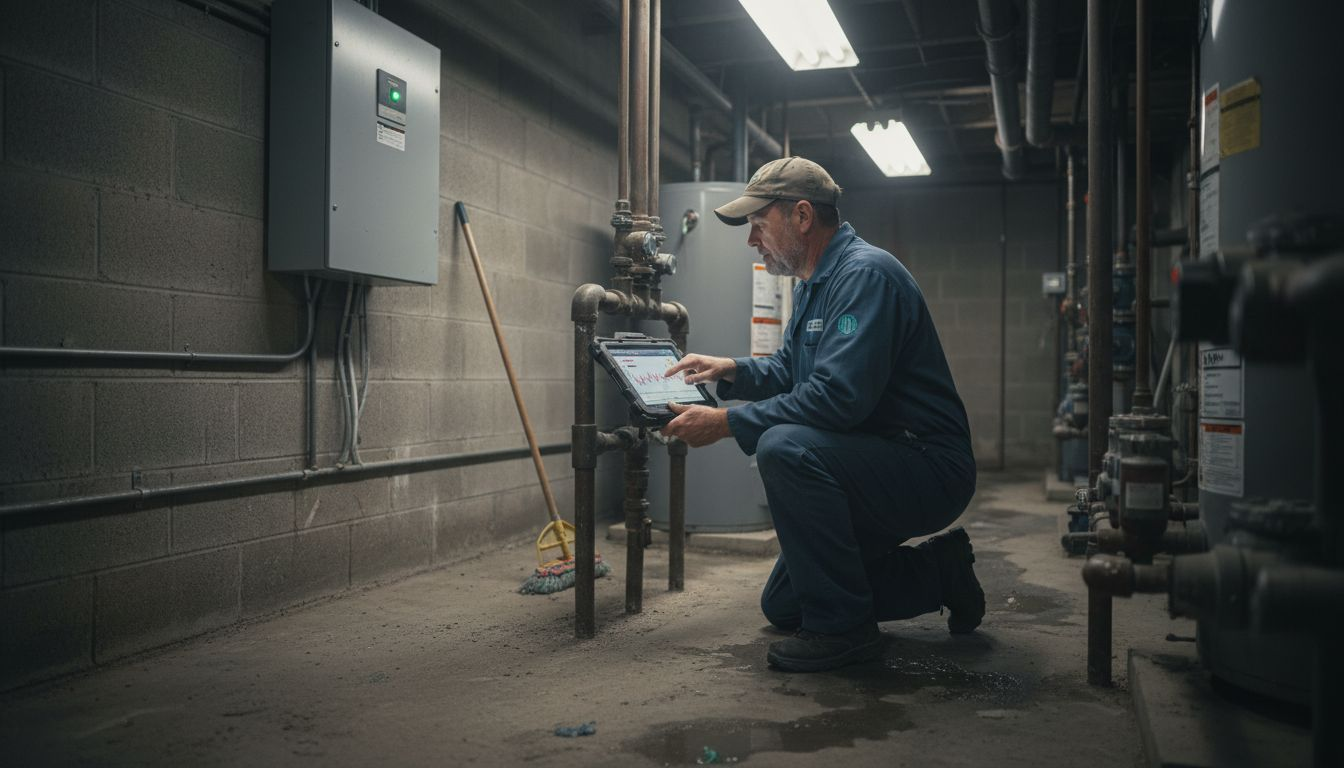
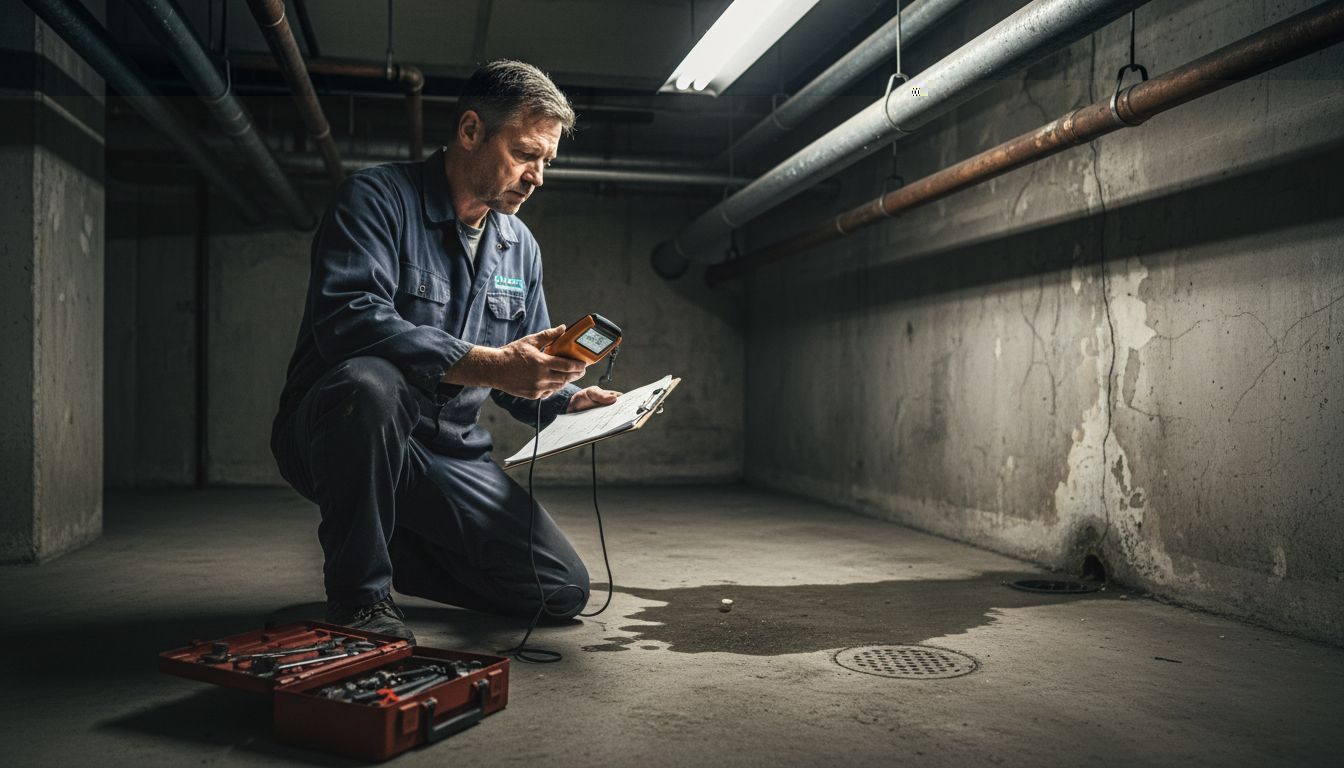
Undetected water leaks in multifamily buildings can cause over $2 million in damage annually, creating financial strain and tenant disruptions that property managers can ill afford. While Moen systems offer residential leak detection, they weren’t designed for the complexity of multifamily properties with dozens or hundreds of units requiring centralized oversight. This guide reveals cost-effective alternatives that deliver scalable IoT sensor networks, automated shutoff capabilities, and California Title 24 compliance, helping you protect assets while cutting costs by 30% or more.
- Introduction To Water Leak Detection In Multifamily Buildings
- Understanding Modern Leak Detection Technologies
- Comparison Of Moen Systems And Alternatives
- Regulatory Compliance In California
- Operational Advantages And Cost Savings
- Installation Challenges And Best Practices
- Common Misconceptions And Pitfalls
- Conclusion And Next Steps For Property Managers
- Discover Leaksense Solutions For Multifamily Buildings
Key takeaways
| Point | Details |
|---|---|
| IoT and AI enable real-time leak detection | Smart sensors monitor flow, pressure, and temperature continuously across multifamily systems, detecting anomalies down to a single drip. |
| Moen alternatives save 30% on multifamily costs | Solutions like YoLink and Alert Labs offer modular, scalable sensor networks at lower prices than Moen’s single-family design. |
| California Title 24 mandates continuous monitoring | Smart leak detection systems ensure compliance through automated water tracking and reporting. |
| Automated shutoff prevents costly damage | Remote valve controls isolate leaks instantly, reducing repair costs and insurance claims significantly. |
| Wireless sensors simplify installation in older buildings | No extensive wiring needed, reducing retrofit complexity and tenant disruption during deployment. |
Introduction to water leak detection in multifamily buildings
Water leaks cause costly damage and tenant disruption in multifamily buildings, making early detection essential for protecting property value and maintaining tenant satisfaction. A burst pipe on the 10th floor doesn’t just damage that unit. It floods nine floors below, ruins personal belongings, forces emergency relocations, and triggers massive liability claims.
Early detection significantly reduces repair costs and operational headaches. Manual inspections miss slow leaks hidden behind walls or under floors until damage becomes severe. Smart technologies improve detection speed and accuracy by monitoring water systems 24/7, catching problems before they escalate into emergencies.
Multifamily structures add complexity due to interconnected plumbing networks feeding dozens or hundreds of units. A leak in a shared riser affects multiple tenants simultaneously. Traditional detection methods struggle with this scale and complexity.
Proactive detection helps safeguard property value and tenant satisfaction while reducing insurance premiums. Understanding water leak detection basics is the first step toward implementing effective protection.
Key risks in multifamily properties include:
- Shared plumbing risers serving multiple units create cascading damage potential
- Aging infrastructure in older buildings increases leak probability
- Tenant behavior varies widely, making detection patterns harder to establish
- Emergency response delays magnify damage costs exponentially
- Insurance claims and legal liability from tenant property damage
Understanding modern leak detection technologies
IoT sensors monitor water flow, pressure, and temperature continuously across multifamily systems, providing the data foundation for intelligent leak detection. These sensors install at strategic points throughout the building’s water infrastructure, creating a comprehensive monitoring network.
AI algorithms analyze real-time data to detect anomalies like slow drips, running toilets, or sudden pressure drops that signal leaks. Machine learning models establish baseline consumption patterns for each unit, then flag deviations that indicate problems.
Automated shutoff valves isolate leaks rapidly once detected, stopping water flow within seconds to minimize damage. This immediate response capability transforms leak detection from a monitoring tool into an active damage prevention system.
Wireless sensor networks offer flexible, scalable deployment without extensive wiring. Property managers can add sensors gradually, targeting high-risk areas first, then expanding coverage as budget allows. This modular approach makes adoption more affordable and less disruptive.
Automatic leak detection systems combine these components into integrated solutions that protect multifamily properties comprehensively. The best systems include centralized dashboards showing real-time status across all units, enabling property managers to monitor the entire building from one interface.
Pro Tip: Prioritize solutions integrating automated water shutoff rather than alert-only systems for maximum risk mitigation. Alerts require human response, which delays action and increases damage potential, especially during nights and weekends.
24/7 leak detection protects properties around the clock, catching problems that would otherwise go unnoticed for hours or days.
Key technology components:
- Flow meters measuring water usage per unit or per riser
- Pressure sensors detecting sudden drops indicating pipe breaks
- Temperature sensors identifying frozen pipe risks
- Motorized ball valves enabling remote water shutoff
- Cloud-based analytics platforms processing sensor data
Comparison of Moen systems and alternatives
Moen offers whole-building water monitoring with automated shutoff, but at a price point designed for single-family homes rather than multifamily properties. For a 100-unit building, the cost difference between Moen and alternatives can exceed $100,000 in hardware alone.

Moen Flo provides an all-in-one system with integrated analytics and automatic shutoff at the main water line. While elegant for a single-family home, this approach creates challenges in multifamily settings where you need per-unit or per-riser control. Shutting off water to an entire building for one unit’s leak disrupts everyone unnecessarily.
YoLink offers long-range wireless sensors reaching up to 1,000 feet with modular automatic shutoff add-ons for significant cost savings. You can deploy sensors throughout a large building without WiFi extenders or complex networking. Alert Labs uses cellular IoT sensors with proven success in large multifamily deployments, eliminating dependence on building WiFi networks.
| System | Best For | Shutoff Control | Scalability | Approximate Cost per Unit |
|---|---|---|---|---|
| Moen Flo | Single-family homes | Whole-building only | Limited for multifamily | $500+ per unit |
| YoLink | Budget-conscious multifamily | Modular add-on valves | Excellent with long-range wireless | $150-250 per unit |
| Alert Labs | Large portfolio management | Optional per-unit valves | Excellent with cellular connectivity | $200-300 per unit |
| LeakSense | California multifamily compliance | Per-unit and per-riser | Purpose-built for multifamily scale | $180-280 per unit |
Alternatives may require additional modules but offer flexibility and affordability that matters at scale. Installing Moen in 100 units costs roughly $50,000 in hardware. YoLink or Alert Labs alternatives run $15,000 to $30,000 for comparable coverage, saving 30-40% on initial investment.
Wireless sensor networks reduce installation complexity in large buildings by eliminating the need to run cables between floors. This cuts labor costs significantly and allows faster deployment with less tenant disruption.
Leak alarms in California buildings must meet specific performance standards, making system selection critical. Following a leak detection step-by-step approach ensures proper implementation.
Key comparison factors:
- Per-unit monitoring capability for tenant billing and accountability
- Centralized management dashboard for property-wide oversight
- Integration with existing building management systems
- Professional installation support and ongoing maintenance
- Compliance reporting for California regulatory requirements
Regulatory compliance in California
Title 24 mandates continuous water monitoring and submetering in multifamily buildings, making smart leak detection systems a compliance necessity rather than an optional upgrade. Property managers face fines and legal exposure for failing to meet these water efficiency standards.
Leak detection systems help identify water waste early to maintain compliance and avoid penalties. When a toilet runs continuously or a pipe drips behind a wall, these systems flag the waste immediately so maintenance can respond before it becomes a compliance issue during audits.
Proper integration with building management systems supports regulatory audits and reporting by automatically generating the water usage documentation regulators require. This eliminates manual record-keeping and reduces administrative burden.
Smart leak systems contribute to sustainability goals and reduce overall consumption by catching waste that would otherwise go unnoticed. Many California properties pursue LEED certification or similar green building standards, where documented water conservation earns valuable points.
Compliance drives operational transparency and tenant trust. When tenants see accurate water billing based on actual usage rather than estimated allocations, disputes decrease and payment rates improve.
California Title 24 compliance requirements include:
- Continuous monitoring of water consumption at the building level
- Submetering for individual units in new construction and major renovations
- Regular reporting of water usage to demonstrate conservation efforts
- Automated leak detection capabilities to minimize waste
- Documentation systems proving compliance during inspections
Operational advantages and cost savings
Centralized dashboards provide real-time leak alerts and comprehensive water usage analytics, enabling property managers to oversee dozens or hundreds of units from a single interface. You spot problems instantly rather than waiting for tenant complaints or discovering damage during routine inspections.
Case studies show ROI over 100% and significant water cost reduction from centralized dashboards, real-time alerts, and remote valve controls. One 200-unit California property reduced water costs by $48,000 annually while eliminating two major flood damage claims.
Remote shutoff valves enable quick response to isolate leaks, minimizing damage even when maintenance staff aren’t immediately available. A valve activated remotely at 2 AM prevents thousands of dollars in damage that would occur waiting until morning for manual shutoff.
Smart integration with tenant billing improves accuracy and supports cost recovery by allocating water costs based on actual consumption. This eliminates disputes over estimated bills and ensures tenants pay fairly for their usage.
Water savings and damage prevention result in lower insurance claims and maintenance costs. Insurance companies increasingly offer premium discounts for properties with automated leak detection, recognizing the reduced risk.
Operational efficiencies with leak alerts streamline property management:
- Receive instant notifications when leaks occur, enabling immediate response
- Prioritize maintenance based on leak severity and potential damage risk
- Track water consumption trends to identify efficiency improvement opportunities
- Generate automated reports for owners, investors, and regulators
- Reduce emergency maintenance calls through proactive problem identification
- Lower insurance premiums by demonstrating active risk management
Pro Tip: Start with small pilot areas to demonstrate ROI before scaling system-wide. Install sensors in 10-20 high-risk units first, document the savings and damage prevention over 3-6 months, then use those results to justify full building deployment.
Installation challenges and best practices
Retrofits in older multifamily buildings require riser valve installations and tailored sensor placement to avoid tenant disruption. Many older buildings lack individual shutoff valves for each unit, meaning a single leak requires shutting off water to an entire riser serving 10-20 units.
Wireless sensors reduce infrastructure complexity and installation time compared to wired options. You avoid running cables through walls, ceilings, and between floors, cutting installation labor by 50% or more.
Effective sensor placement targets risers, common leak points like water heaters and washing machine connections, and tenant areas with minimal disruption. The goal is comprehensive coverage without turning every unit into a construction zone.
Clear tenant communication and scheduling minimize inconvenience during installation. Send advance notices explaining the benefits, schedule installations during business hours when most tenants are away, and complete each unit’s work in 1-2 hours.
Setting up leak detection requires careful planning. Following a step-by-step leak detection installation process ensures success.
Pro Tip: Engage maintenance teams early for smooth integration and training. Your on-site staff will manage the system daily, so their buy-in and competence matter tremendously. Include them in vendor selection and provide thorough training on dashboard use and emergency response procedures.
Best practices for multifamily installation:
- Conduct a plumbing audit before installation to map water systems accurately
- Install main sensors on each riser to monitor flow to groups of units
- Add individual unit sensors at high-risk appliances and fixtures
- Use battery-powered wireless sensors where possible to minimize wiring
- Create clear response protocols for different alert types and severities
- Document sensor locations and valve positions for maintenance reference
Common misconceptions and pitfalls
Many off-the-shelf leak detectors lack necessary shutoff and integration features for multifamily buildings. Consumer-grade devices designed for single-family homes don’t scale to properties with dozens or hundreds of units requiring centralized management.
Focus on flow and pressure monitoring rather than just moisture sensors for early leak detection. Moisture sensors only alert you after water has already escaped and caused damage. Flow monitoring catches problems at the source before damage occurs.
Automated shutoff is critical, not optional, to prevent costly damage escalation. Alert-only systems depend on human response time, which delays action and allows damage to accumulate, especially during nights, weekends, and holidays when response is slowest.
Poor sensor placement delays detection and increases risk. Installing sensors too far from potential leak sources means water can flow for minutes or hours before detection triggers. Strategic placement at risers and critical appliances catches problems immediately.
Ignoring tenant impact during installation causes resistance and implementation delays. Tenants who feel inconvenienced or uninformed may refuse access or complain to management, slowing deployment and increasing costs.
Automated leak alarm myths include believing that any moisture sensor provides adequate protection or that alerts alone prevent damage.
Common mistakes to avoid:
- Choosing residential systems for commercial multifamily applications
- Relying solely on moisture detection instead of flow monitoring
- Skipping automated shutoff to save initial costs
- Installing sensors after plumbing upgrades instead of during them
- Failing to integrate leak detection with property management software
- Neglecting ongoing system maintenance and sensor battery replacement
Conclusion and next steps for property managers
Alternatives to Moen offer cost-effective, scalable options tailored for multifamily buildings, saving 30% or more on initial investment while providing superior centralized management capabilities. The right system protects your assets, ensures California compliance, and improves operational efficiency simultaneously.
Compliance with California regulations and operational benefits justify investment through reduced damage costs, lower insurance premiums, accurate tenant billing, and avoided regulatory fines. The ROI typically appears within the first year through damage prevention alone.
Start with a plumbing and compliance audit to define needs. Document your current water infrastructure, identify high-risk areas, review Title 24 requirements, and establish baseline water costs to measure future savings.
Select solutions based on building age, tenant profile, and budget. Newer buildings may need simpler systems, while older properties require more extensive sensor networks and valve retrofits. Consider tenant demographics, as properties with frequent turnover benefit more from automated monitoring.
Implement with tenant communication and staff training for best outcomes. Explain the benefits to tenants, provide clear timelines, train maintenance staff thoroughly, and establish response procedures before going live.
Discover LeakSense solutions for multifamily buildings
LeakSense offers comprehensive 24/7 automatic leak detection designed specifically for California multifamily buildings. Our solutions help you meet Title 24 compliance while reducing water damage risks and operational costs through intelligent monitoring and automated response.
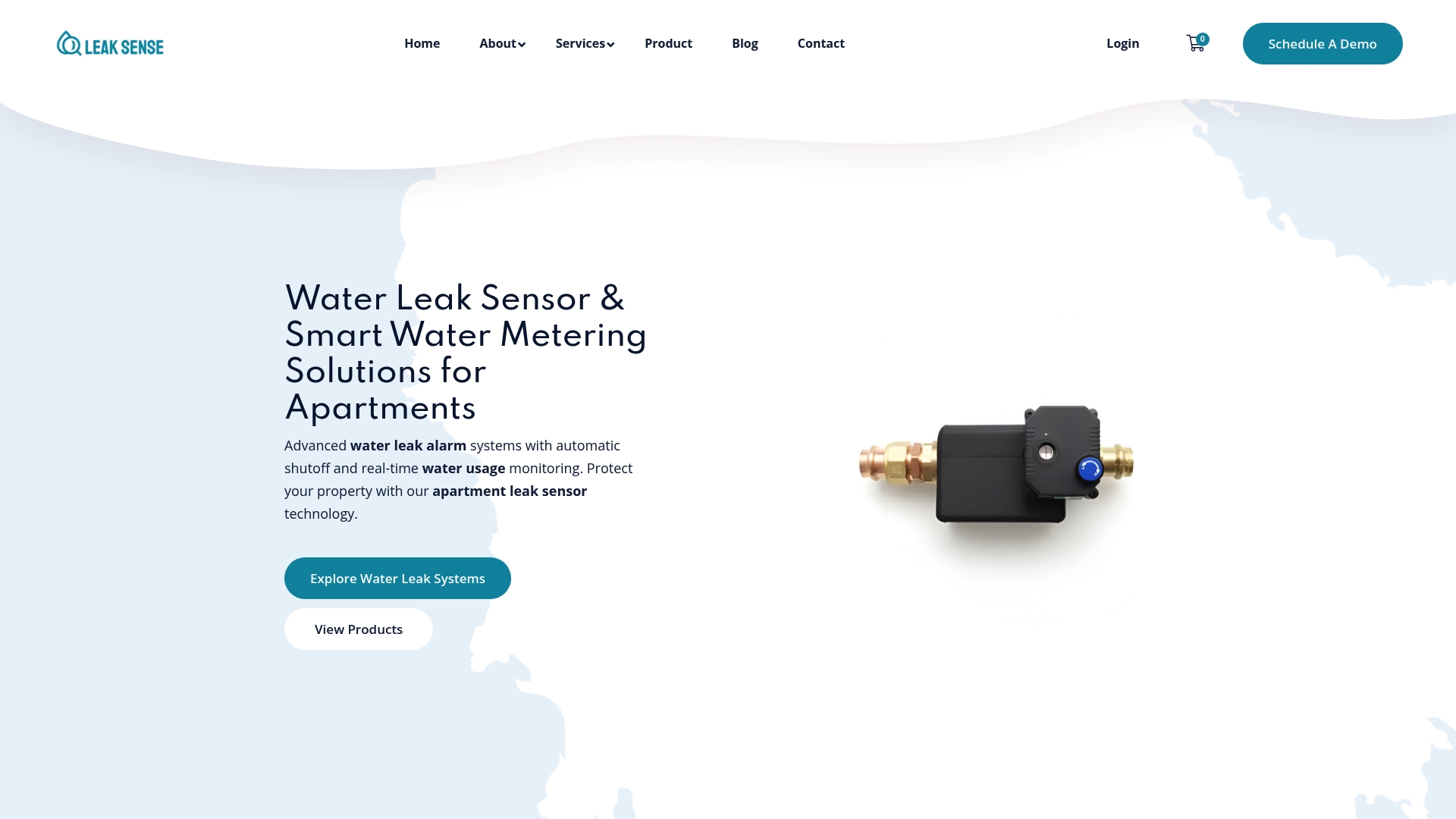
We provide modular, scalable sensor networks with automatic leak detection with shutoff tailored for retrofit complexities in older buildings. Our systems integrate seamlessly with property management platforms, providing the centralized oversight multifamily properties require. With dedicated California compliance support, we ensure your property meets regulatory standards while protecting your assets effectively. Partner with LeakSense to enhance tenant satisfaction, reduce insurance costs, and safeguard your investment through smart water management designed for the unique challenges of multifamily properties.
FAQ
What is a cost-effective alternative to Moen for multifamily leak detection?
Alternatives like YoLink and Alert Labs offer affordable, scalable sensor networks with modular automatic shutoff suitable for multifamily properties. These systems cost 30-40% less than Moen while providing better centralized management for properties with dozens or hundreds of units. Explore best leak detection systems alternatives to find the right fit for your property.
How does automated shutoff improve leak detection systems?
Automated shutoff rapidly isolates leaks to minimize water damage, insurance claims, and costly repairs, making it essential for multifamily risk management. When a leak occurs at 2 AM, automated valves stop water flow within seconds, preventing thousands of dollars in damage that would accumulate waiting for manual response. Learn about benefits of automated shutoff for protecting your property.
What are the main challenges when installing leak detection in older multifamily buildings?
Challenges include plumbing complexity, need for riser valve retrofits, and sensor placement without tenant disruption. Many older buildings lack individual unit shutoff valves, requiring installation of new valves on shared risers. Wireless sensors and proper planning ease these issues by eliminating extensive wiring and minimizing construction time per unit. Review retrofit leak detection installation challenges for detailed guidance.
How do leak detection systems support California Title 24 compliance?
Leak detection enables continuous monitoring and water usage reporting required by Title 24, helping avoid fines and promote sustainability. Systems automatically generate the documentation regulators require during audits, eliminating manual record-keeping. They also identify water waste immediately, allowing quick response to maintain compliance standards. Understand Title 24 compliance through leak detection requirements for California properties.