
Property managers in California face mounting pressure from rising water costs and increasingly strict conservation regulations. Smart water meters offer a powerful solution by providing real-time monitoring, automated leak detection, and accurate tenant billing. This article walks you through selecting the right meter, understanding the cost savings and compliance benefits, and implementing systems that protect your property while reducing operational expenses.
- How To Choose A Smart Water Meter: Key Selection Criteria
- Water Savings And Cost Reduction Benefits
- Regulatory Compliance Benefits In California
- Comparison Of Leading Smart Water Meter Features And Providers
- Best Practices For Implementation And Ongoing Management
- Discover LeakSense Smart Water Meter Solutions
- Frequently Asked Questions About Smart Water Meters
Key takeaways
| Point | Details |
|---|---|
| Water consumption reduction | Smart meters can reduce water use by up to 20% through real-time monitoring and behavioral insights. |
| Leak detection impact | Early leak alerts reduce water loss by approximately 30%, preventing damage and waste. |
| Billing accuracy improvement | Automated metering improves tenant billing accuracy by over 15%, reducing disputes. |
| Compliance requirement | California Title 24 compliance mandates smart water monitoring in multifamily buildings. |
| Return on investment | Most smart meter systems achieve full ROI within 3 years through reduced water costs and damage prevention. |
How to choose a smart water meter: key selection criteria
Selecting the right smart water meter involves evaluating several critical factors that directly impact your property’s operational efficiency and regulatory compliance. California Title 24 mandates specific water monitoring features for compliance, making it essential to understand what capabilities each meter offers before committing to a system.
Accuracy and real-time data form the foundation of effective water management. Meters must provide precise consumption readings and transmit data immediately to enable timely responses to leaks or unusual usage patterns. Without accurate real-time information, you lose the ability to prevent damage and control costs effectively.
Leak detection and automated shutoff capabilities represent the next level of protection. Basic systems alert you to leaks, while advanced meters include automatic shutoff valves that stop water flow when anomalies are detected. This automation prevents thousands of dollars in water damage, especially during off-hours when staff may not be available to respond.
Integration with existing building management systems matters more than most managers initially realize. Your water meters should connect seamlessly with property management software, billing systems, and maintenance platforms. Poor integration creates manual work, data entry errors, and missed opportunities for optimization.
Installation complexity affects both upfront costs and tenant disruption. Some meters require extensive plumbing modifications, while others retrofit onto existing infrastructure. Consider how installation will impact residents and whether you can schedule work during low occupancy periods.
Cost analysis must balance initial investment against long-term savings. While basic meters cost less upfront, they may lack features that deliver substantial ROI through damage prevention and operational efficiency. Calculate total cost of ownership over five years, not just purchase price.
Pro Tip: Request a detailed compliance checklist from vendors showing exactly how their meters meet California Title 24 requirements. This documentation becomes invaluable during inspections and audits.
Water savings and cost reduction benefits
Real-time monitoring transforms how multifamily properties manage water consumption. Smart water meters can reduce water consumption by up to 20% in multifamily buildings through real-time monitoring and automated leak detection, delivering measurable financial returns that justify the initial investment within a few years.

Early leak detection stands out as the single most valuable feature for cost reduction. Traditional systems allow leaks to persist for days or weeks before discovery, resulting in massive water bills and property damage. Smart meters identify anomalies within minutes, reducing water loss by approximately 30% compared to properties without automated detection.
Tenant billing accuracy improvements eliminate a common source of disputes and revenue loss. Manual meter reading introduces human error, estimated readings create tenant frustration, and billing delays impact cash flow. Automated metering improves accuracy by over 15%, ensuring tenants pay for actual consumption while reducing administrative overhead.
“We cut our water costs by 18% in the first year after installing smart meters. The leak alerts alone saved us from two major damage events that would have cost tens of thousands in repairs.”
Case studies from California multifamily properties consistently show ROI achievement within 36 months. A 200-unit apartment complex in San Diego reduced annual water expenses by $47,000 after implementing smart meters, while simultaneously decreasing billing disputes by 22%. These tangible outcomes demonstrate how technology investment translates to bottom-line savings.
Automated alerts enable proactive maintenance rather than reactive crisis management. When you receive instant notification of unusual water flow, you can dispatch maintenance staff before minor issues become major problems. This shift from reactive to proactive operations reduces emergency repair costs and extends the lifespan of plumbing infrastructure.
Regulatory compliance benefits in California
California’s water regulations represent some of the strictest in the nation, driven by ongoing drought conditions and aggressive conservation goals. California’s Title 24 requires water monitoring systems in multifamily buildings, making smart meter installation not just beneficial but legally mandatory for new construction and major renovations.
Smart meters simplify compliance reporting by automatically collecting and organizing the data regulators require. Instead of manual meter reading and spreadsheet compilation, your system generates reports with a few clicks. This automation proves invaluable during inspections and audits, demonstrating your commitment to conservation and regulatory adherence.
Utility rebate eligibility offers substantial financial incentives for smart meter adoption. Many California water districts provide rebates covering 20% to 40% of installation costs for properties that implement advanced metering systems. These programs recognize that smart meters reduce strain on regional water supplies, making them a win for both property managers and communities.
Title 24 compliance specifically requires:
- Individual water metering for each dwelling unit in new multifamily construction
- Real-time monitoring capabilities for consumption tracking
- Data retention for reporting and audit purposes
- Leak detection alerts to support conservation efforts
- Integration with building management systems for operational efficiency
Meeting California’s water conservation goals positions your property as environmentally responsible, which increasingly matters to tenants, investors, and insurance carriers. Properties with documented conservation efforts often qualify for reduced insurance premiums and can command premium rents from environmentally conscious residents.
Non-compliance carries significant risks beyond fines. Properties failing to meet Title 24 requirements face penalties, potential project approval delays, and reputational damage that affects leasing and property values. Smart meters provide documented proof of compliance, protecting you from these consequences.
Comparison of leading smart water meter features and providers
Understanding the feature differences between meter types helps you match technology to your specific property needs and budget constraints. The table below compares three common smart meter categories based on capabilities, typical costs, and ideal use cases.
| Feature Category | Basic Smart Meters | Advanced Leak Prevention | Integrated Platforms |
|---|---|---|---|
| Real-time monitoring | Yes | Yes | Yes |
| Leak detection alerts | Basic threshold alerts | Advanced pattern analysis | AI-powered anomaly detection |
| Automated shutoff | No | Yes | Yes with remote control |
| Tenant billing integration | Manual export | Semi-automated | Fully automated |
| Analytics dashboard | Basic consumption data | Detailed leak reports | Comprehensive sustainability reporting |
| Typical cost per unit | $150-$300 | $400-$700 | $800-$1,200 |
| Best for | Code compliance, budget-conscious | High-risk properties, damage prevention | Large portfolios, operational efficiency |
Basic smart meters satisfy compliance requirements while providing essential real-time data and consumption tracking. These entry-level systems work well for properties with limited budgets where the primary goal is meeting regulatory standards rather than advanced analytics or automation.
Advanced smart water meters with automated shutoff help reduce water damage events by up to 40%, making them ideal for properties with higher risk profiles. Buildings with aging plumbing, previous leak history, or locations prone to freezing benefit significantly from automatic shutoff capabilities that stop water flow before major damage occurs.
Integrated platforms deliver the most comprehensive value by combining metering, analytics, automated billing, and sustainability reporting in one system. Larger properties or management companies overseeing multiple buildings gain substantial operational efficiency from unified dashboards and centralized data management.
Feature versus price tradeoffs require careful consideration of your specific situation. A 50-unit building with newer plumbing might achieve adequate protection with basic meters, while a 200-unit complex with mixed tenant types and aging infrastructure justifies investment in advanced leak prevention.
Pro Tip: Calculate the cost of one major leak event at your property, including water bills, repairs, tenant relocation, and lost rent. If this exceeds the price difference between basic and advanced meters, the upgrade pays for itself with a single prevented incident.
Best practices for implementation and ongoing management
Successful smart meter deployment requires systematic planning and execution to maximize benefits while minimizing disruption. Following these proven steps ensures smooth implementation and long-term operational success.
-
Conduct a comprehensive water audit before selecting meters to establish baseline consumption, identify existing leaks, and understand usage patterns across your property.
-
Choose meters that satisfy both California compliance requirements and your specific operational needs, balancing features against budget constraints.
-
Schedule installation during low occupancy periods or coordinate with unit turnovers to minimize tenant disruption and avoid complaints.
-
Integrate meters with your property management software and billing systems before going live to ensure data flows correctly and billing processes work smoothly.
-
Train maintenance staff and property managers on monitoring dashboards, interpreting alerts, and executing response protocols when leaks are detected.
-
Establish clear escalation procedures defining who responds to alerts during business hours, evenings, weekends, and holidays to ensure rapid action.
-
Review consumption data monthly to identify trends, spot anomalies, optimize water use, and document conservation achievements for reports.
Ongoing management determines whether your smart meter investment delivers promised returns. Delaying response to leak alerts often results in prolonged water loss and damage, highlighting the need for rapid operations protocols. Properties that respond to alerts within 30 minutes prevent 85% more damage than those with slower response times.
Data review sessions should occur monthly at minimum, with key stakeholders examining consumption trends, leak events, and billing accuracy. These meetings identify opportunities for further optimization and ensure your team remains engaged with the technology rather than treating it as set-and-forget infrastructure.
System updates and maintenance keep your meters operating at peak performance. Schedule annual calibration checks, replace batteries in wireless sensors as needed, and install software updates promptly to access new features and security patches.
Pro Tip: Create a simple one-page response guide posted in your maintenance office showing exactly what to do when different types of alerts arrive. This visual reference ensures consistent, rapid response even when regular staff are unavailable.
Discover LeakSense smart water meter solutions
Now that you understand the benefits and best practices for smart water metering, explore how LeakSense delivers tailored solutions for California multifamily properties. Our automatic leak detection solutions combine real-time monitoring with automated shutoff technology, protecting your property 24/7 while ensuring Title 24 compliance.
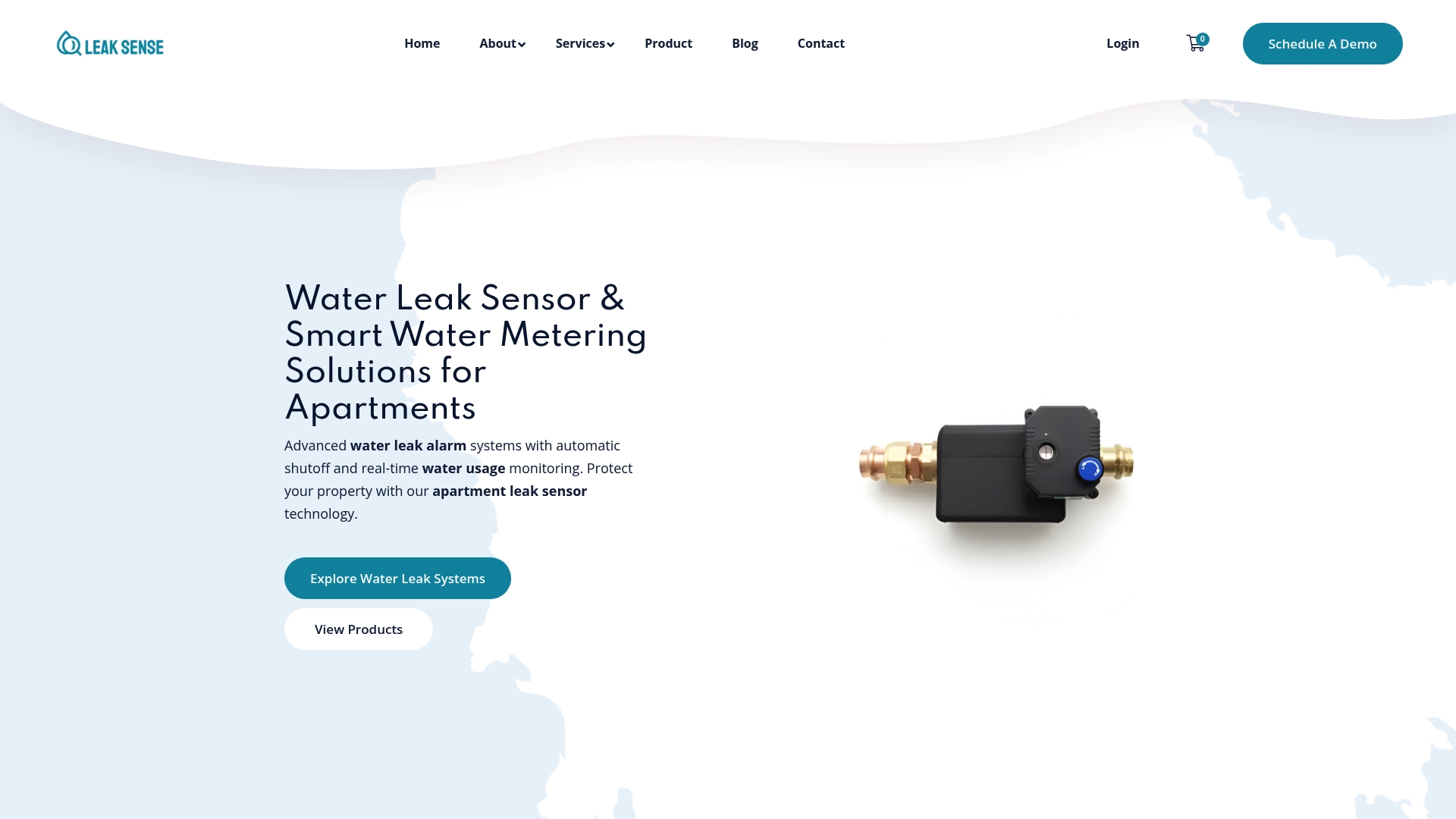
LeakSense water metering systems simplify tenant billing, reduce operational costs, and provide the analytics you need to optimize water use across your portfolio. Our solutions integrate seamlessly with existing property management platforms, delivering actionable insights without adding complexity to your workflows. Take advantage of our California compliance support to navigate regulations confidently while maximizing available utility rebates. Start reducing costs and risks today with proven technology designed specifically for the challenges California property managers face.
Frequently asked questions about smart water meters
What are the main differences between basic and advanced smart water meters?
Basic smart meters provide real-time consumption data and simple threshold alerts when usage exceeds preset limits. Advanced systems add pattern analysis, automated shutoff valves, and integration with building management platforms for comprehensive water management.
How quickly can leak alerts be expected after a leak occurs?
Most smart water meters detect unusual flow within 2 to 5 minutes and send alerts immediately to designated contacts via text, email, or app notification. Response time depends on your notification setup and staff availability.
Do smart water meters require specific plumbing modifications?
Many modern smart meters retrofit onto existing plumbing infrastructure with minimal modification. Advanced systems with automated shutoff valves may require installation of control valves, but most work can be completed without extensive plumbing changes.
How do smart water meters support tenant billing accuracy?
Smart meters eliminate manual reading errors by automatically recording consumption and transmitting data directly to billing systems. This automation ensures tenants pay for actual usage rather than estimates, reducing disputes and improving cash flow.
Are there utility rebates available for installing smart meters in California?
Yes, many California water districts offer rebates covering 20% to 40% of smart meter installation costs. Rebate availability and amounts vary by location, so check with your local water utility for current programs and eligibility requirements.