TL;DR:
- Water metering reduces consumption by 15 to 30 percent and enhances sustainability efforts.
- Implementing smart meters offers significant financial savings and helps meet California compliance standards.
- Effective water management requires ongoing team engagement, automated alerts, and strategic planning.
Water is rarely treated as a variable cost in multifamily and commercial buildings, yet it is one of the most controllable expenses on a property’s balance sheet. Many owners assume high usage is simply the price of operating large buildings. That assumption is costing them. Strategic water metering gives property managers in California a direct line of sight into consumption patterns, leak events, and waste, turning a passive utility expense into an actively managed resource. This article walks through why metering matters for sustainability, which systems work best, what kind of financial returns you can realistically expect, and how to stay ahead of California’s evolving compliance requirements.
- Why water metering matters for sustainability
- Types of water metering systems and their uses
- Financial impact: Cost savings and ROI for property owners
- Compliance and policy: California’s regulations and market drivers
- Implementation strategies: Steps to maximize sustainability impact
- The uncomfortable truth: Why water metering alone isn’t enough
- Explore LeakSense: Your next step in water-wise building management
- Frequently asked questions
Key Takeaways
| Point | Details |
|---|---|
| Measured usage cuts waste | Water metering shines a light on hidden waste and empowers big reductions in usage for both owners and tenants. |
| Significant cost savings | Installing smart meters can lower building water bills by up to 20 percent or more. |
| Compliance is a must | California now requires most new properties to have water metering systems to meet state law. |
| Strategy beats technology | The biggest gains come when owners use meter data to educate teams and residents, not just install new tech. |
Why water metering matters for sustainability
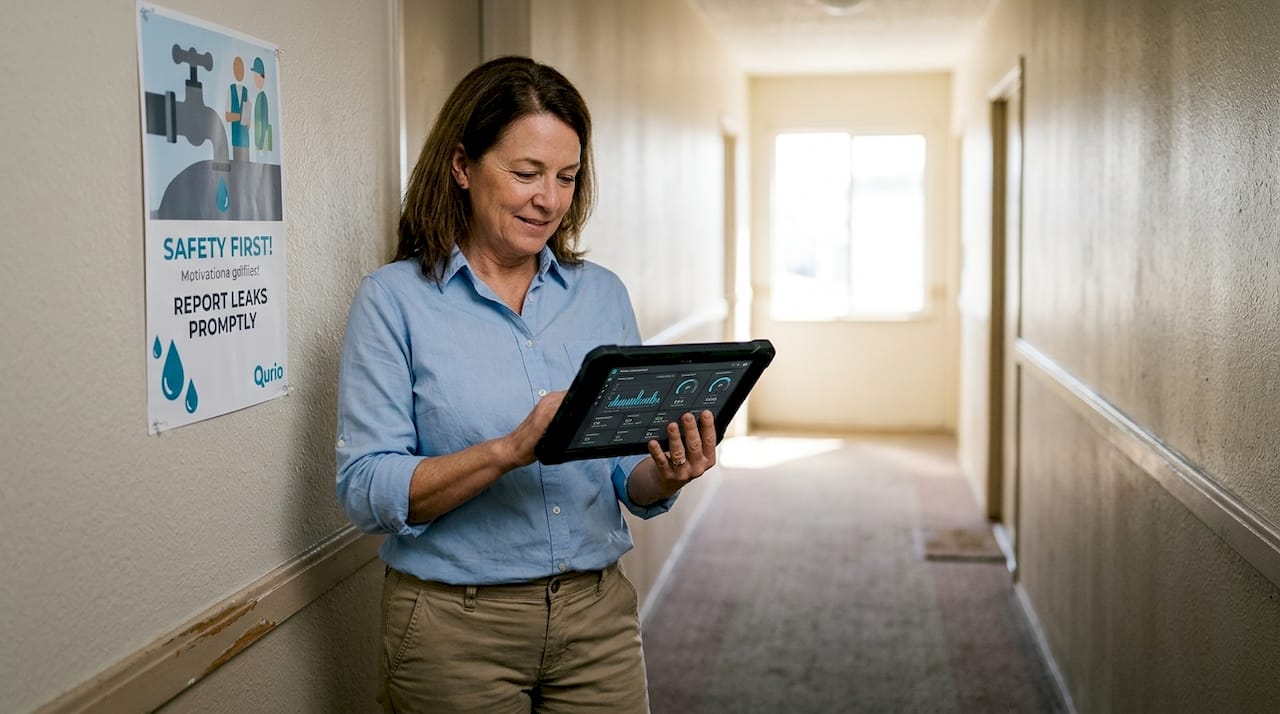
Water metering is not just a billing tool. It is one of the most effective levers property managers have for reducing environmental impact at scale. When tenants and building operators can see real consumption data, behavior shifts. When leaks are caught early, waste drops. The result is a measurable reduction in the property’s overall water footprint.
Data consistently supports this. Buildings that combine metering with active leak detection can reduce consumption by 15 to 30 percent, a range that represents tens of thousands of gallons saved annually in a mid-size apartment complex. That kind of reduction is not possible without visibility into where water goes.
“Water metering supports green building certifications such as LEED by accurately tracking reductions in resource consumption.”
California’s sustainability standards are among the most demanding in the country. Metering helps properties meet those standards and document progress for audits and reporting. Beyond compliance, sustainable building practices increasingly influence tenant decisions, especially among renters who prioritize environmental responsibility.
The benefits of water metering extend further when you consider market positioning. Submetered buildings in California have consistently outperformed comparable properties in similar climate zones on water efficiency benchmarks. Here is what metering delivers from a sustainability standpoint:
- Consumption visibility that drives conservation behavior among residents
- Early leak detection that prevents waste before it compounds
- Compliance documentation for Title 24 and other state mandates
- LEED certification support through accurate resource tracking
- Tenant attraction from eco-conscious renters who value transparency
Pairing building-level metering with eco-conscious bathroom solutions at the fixture level creates a layered conservation strategy that amplifies results across the property.
Types of water metering systems and their uses
Understanding the broader value, it is crucial to get a handle on the range of water metering systems available today. Not every system fits every property, and choosing the wrong one can limit both your savings potential and your compliance readiness.
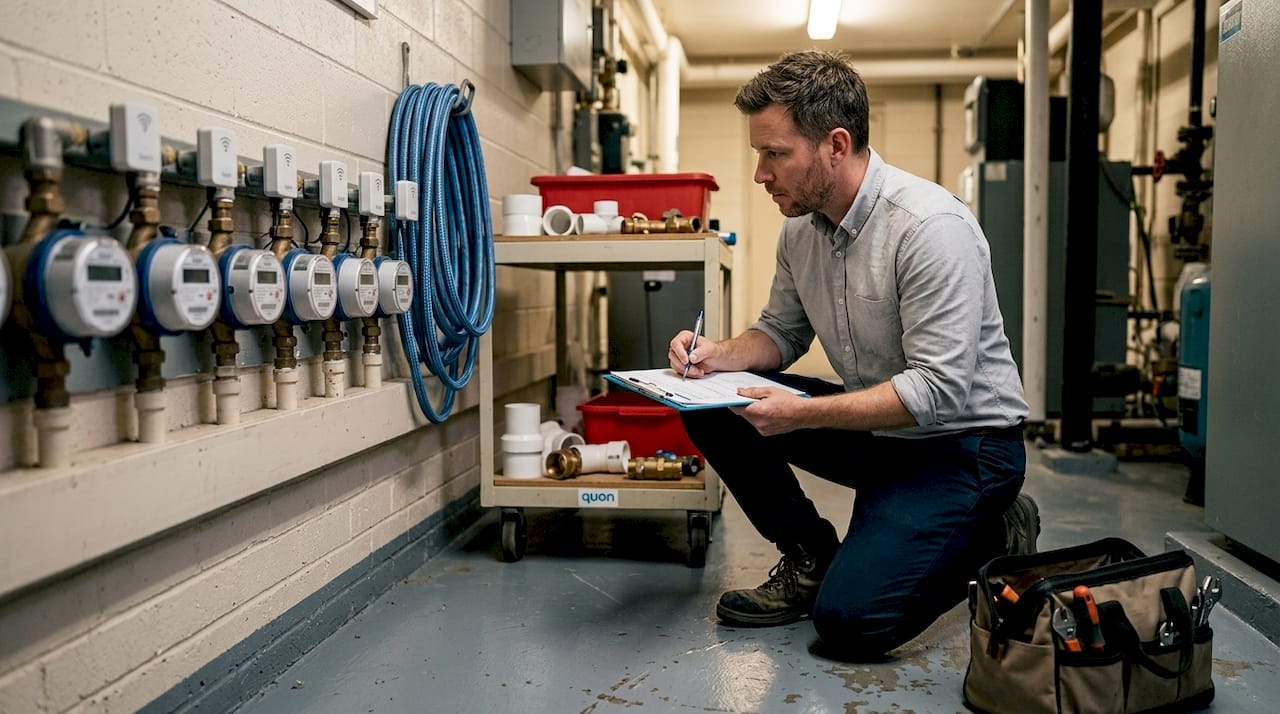
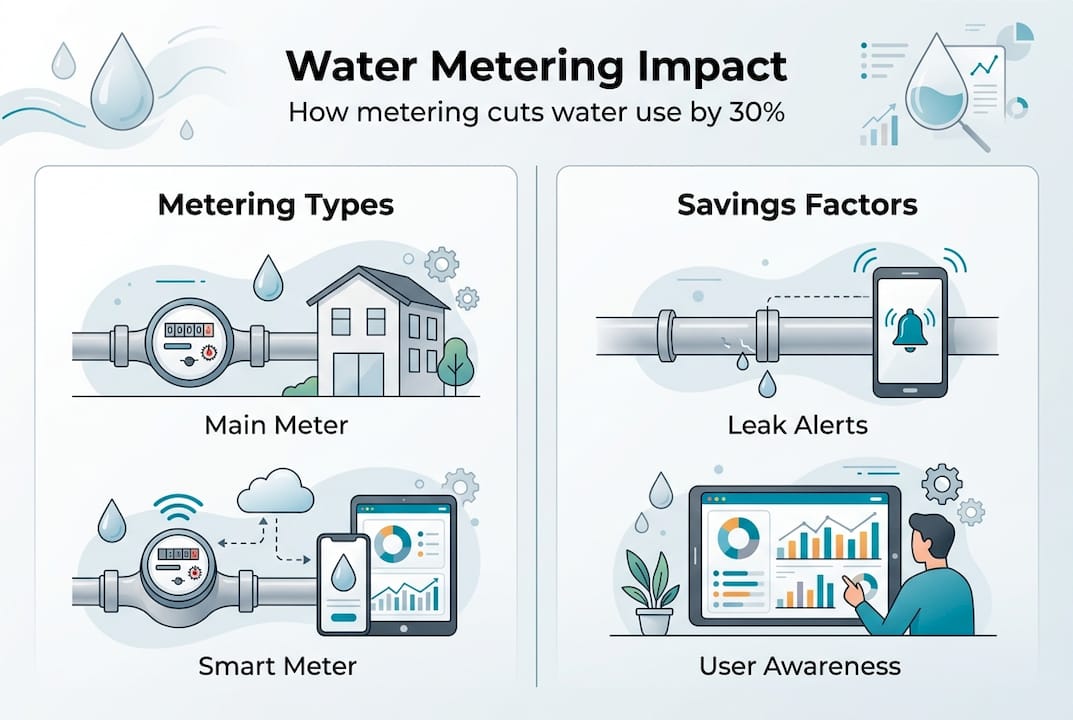
Main meters measure total water entering a building. They are standard on virtually every property but provide no unit-level data. Submeters are installed at the individual unit or zone level, enabling what is submetering to become a practical billing and accountability tool. Smart meters layer IoT connectivity on top of submetering, delivering real-time data, automated alerts, and remote monitoring capabilities.
Smart water metering technologies represent the current standard for properties serious about sustainability and compliance. Real-time data and automated alerts allow teams to identify waste rapidly, often before a tenant even notices a problem.
| System type | Data granularity | Remote monitoring | Best fit | Relative cost |
|---|---|---|---|---|
| Main meter | Building-wide | No | Baseline tracking | Low |
| Submeter | Unit or zone level | Limited | Tenant billing | Medium |
| Smart meter | Unit, real-time | Yes | Full compliance and savings | Higher upfront |
For older buildings, retrofitting with submeters is often the most practical starting point. New construction should default to smart meters from day one. Key considerations when choosing a system:
- Retrofit compatibility with existing plumbing layouts
- Data integration with your property management software
- Alert capabilities for leak detection and unusual usage spikes
- Scalability across multiple units or buildings in a portfolio
Pro Tip: If your property is targeting Title 24 compliance or LEED points, smart meters are the only system type that gives you the automated data trail you need without manual reporting overhead.
Combining smart metering with water-saving bathroom ideas at the unit level creates a compounding effect on total property water reduction.
Financial impact: Cost savings and ROI for property owners
You have seen the options. Now, let’s talk dollars and sense: what kind of ROI can you actually expect from implementing water metering?
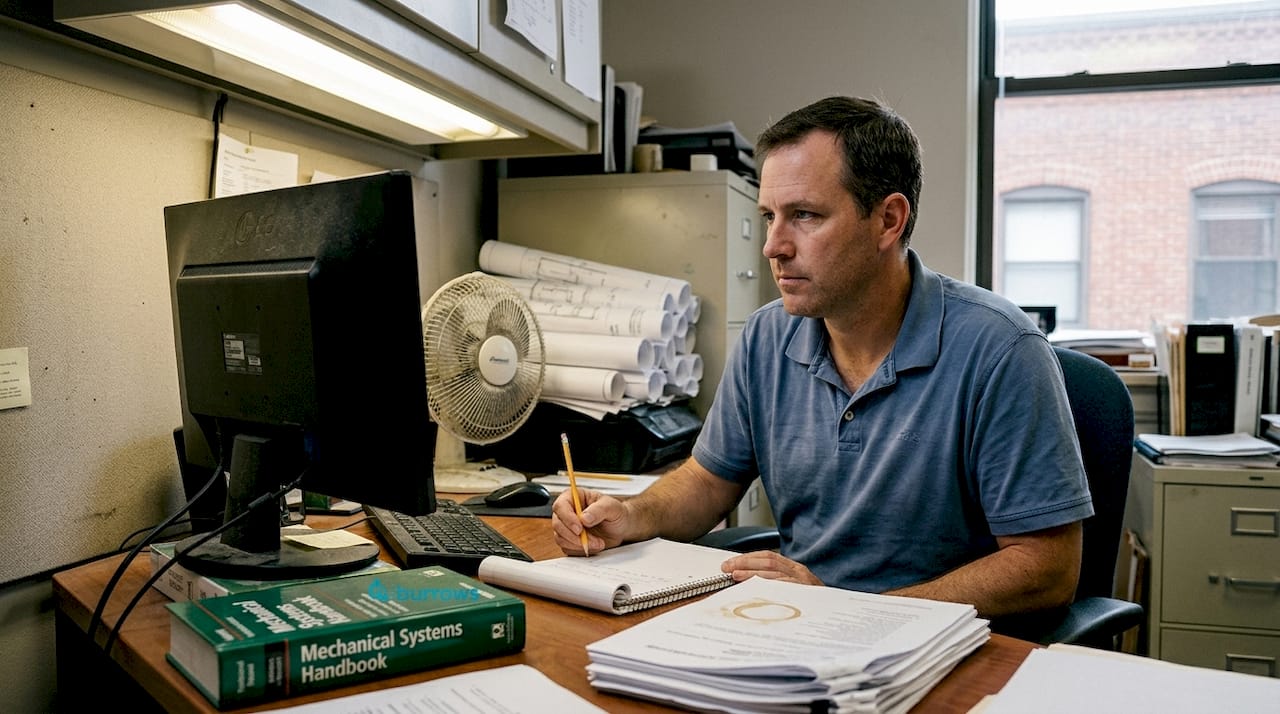
The numbers are compelling. Apartment owners can save up to $24,000 annually with smart water meters, depending on property size and baseline usage. Most metering systems pay for themselves within two to four years through direct utility savings alone. That timeline shortens significantly when you factor in leak prevention and reduced emergency maintenance costs.
Here is a breakdown of where the financial gains come from:
- Reduced utility bills from lower overall consumption and faster leak response
- Tenant bill-back programs that shift water costs to responsible users and reduce property-wide waste
- Lower maintenance costs because leaks caught early cause far less structural damage
- Higher asset valuation as water-efficient buildings command better cap rates and attract institutional investors
- Insurance benefits since documented leak detection systems can qualify properties for premium reductions
| Savings category | Estimated annual impact | Notes |
|---|---|---|
| Utility bill reduction | 15 to 20% | Based on usage reduction from metering |
| Leak damage prevention | Varies widely | Early detection avoids costly repairs |
| Tenant billing recovery | Up to 30% of water costs | Depends on bill-back model in place |
| Insurance premium reduction | 5 to 15% | Requires documented smart detection system |
The annual cost savings are not theoretical. Properties that implement submetering with active analytics consistently report measurable reductions in property-wide water costs. Reviewing smart water meter cost benefits in detail helps you build a business case for ownership or investors.
Adding energy and water savings at the fixture level further strengthens the ROI calculation across a portfolio.
Compliance and policy: California’s regulations and market drivers
Alongside the financial upside, property managers in California need to navigate a fast-evolving compliance environment. The state has moved decisively on water metering requirements, and the window for voluntary adoption is narrowing.
Water metering is now required for most new multifamily construction and major retrofits in California. Buildings constructed after 2018 must include submetering under state law. This is not a future requirement. It is current law, and enforcement is increasing.
Key compliance and market drivers to understand:
- Title 24 sets energy and water efficiency standards that directly affect metering requirements for new construction and significant renovations
- Senate Bill 7 and related legislation have established benchmarks for per-capita water use reduction statewide
- Investor and tenant expectations now include utility transparency as a standard due-diligence item
- Green building certifications require documented water data that only metering can provide reliably
- Fines and penalties for non-compliance with state metering mandates can exceed the cost of installation
Reviewing the full scope of California water metering requirements is essential before planning any renovation or new development. Older buildings face the biggest challenge. Segmented plumbing, inaccessible risers, and the cost of retrofit work are real hurdles. But they are solvable with the right planning.
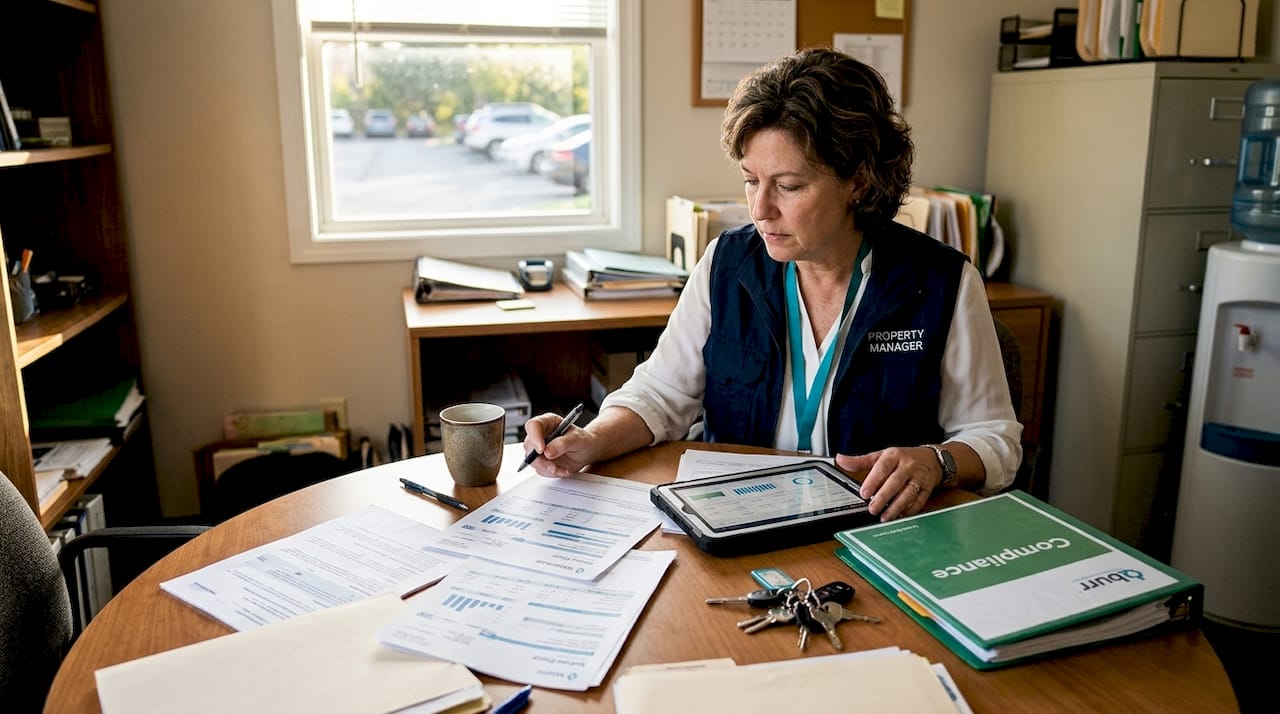
Pro Tip: Use a smart analytics platform to automate compliance data collection. Manual reporting is time-consuming and error-prone. Automated systems generate the audit-ready reports that regulators and certifiers require, with far less staff effort. A step-by-step compliance guide can help your team structure the process correctly from the start.
Upgrading fixtures with toilet efficiency upgrades alongside metering installation strengthens your compliance position and reduces baseline consumption simultaneously.
Implementation strategies: Steps to maximize sustainability impact
The rules are clear. Let’s close with actionable strategies you can start in your own building. A phased approach works best for most properties, especially those managing occupied units during the transition.
A staged implementation starting with audits and baseline metering accelerates savings by giving your team a clear picture of where waste is occurring before any hardware is installed.
- Conduct a baseline usage audit. Pull 12 months of utility bills, identify peak usage periods, and flag any units or zones with anomalous consumption. This step alone often reveals leaks that have been running undetected.
- Install main meters and submeters. Start at the building level, then move to unit-level submetering. Prioritize high-usage zones and buildings with older plumbing.
- Deploy smart analytics. Connect your meters to a cloud-based platform that delivers real-time dashboards, automated leak alerts, and usage trend reports. This is where reactive maintenance becomes proactive water management.
- Engage residents with data and incentives. Share monthly usage summaries with tenants. Buildings that provide feedback loops see faster behavior change. Consider conservation incentives for units that reduce usage below a set threshold.
- Measure progress and refine your strategy. Set quarterly benchmarks and review them consistently. Adjust alert thresholds, billing structures, and maintenance schedules based on what the data shows.
“Building performance improves when property teams combine metering with routine feedback loops and leak response. Technology sets the foundation, but management action and tenant engagement determine the outcome.”
An implementation checklist keeps your team aligned through each phase. For properties managing multiple buildings, multifamily water submetering at scale requires a coordinated rollout plan to avoid disruption and maximize coverage.
Understanding water usage facts at the fixture level helps property teams set realistic conservation targets during the planning phase.
The uncomfortable truth: Why water metering alone isn’t enough
Here is what most sustainability articles won’t tell you about water metering: the technology is only as effective as the team behind it.
Smart meters generate data. But data sitting in a dashboard that no one reviews delivers zero savings. Automated alerts get ignored when maintenance teams are stretched thin or when escalation protocols are unclear. This is more common than most vendors admit.
The real-world smart metering results that stand out are not from properties that installed the best hardware. They are from properties that built accountability structures around the technology. That means defined response times for leak alerts, regular usage reviews with ownership, and resident communication programs that make conservation a shared goal.
The “set it and forget it” mindset is the single biggest reason water metering underperforms. Metering is a foundation, not a finish line. Properties that treat it as part of an ongoing management culture, not a one-time installation, are the ones that sustain 20 to 30 percent reductions year over year. The technology enables the outcome. Your team and your tenants deliver it.
Explore LeakSense: Your next step in water-wise building management
Ready to put water metering at the heart of your property’s sustainability success? LeakSense builds smart metering, leak detection, and analytics solutions specifically for California’s multifamily and commercial property market.
Whether you manage a single apartment complex or a large commercial portfolio, LeakSense offers metering system plans designed to fit your property’s scale and compliance requirements. The platform combines automatic leak detection with a cloud-based analytics platform that delivers the real-time visibility you need to act fast, stay compliant, and reduce costs. Start with a property assessment and see exactly where your savings opportunity lies.
Frequently asked questions
How much water can a multifamily building save by installing smart meters?
Multifamily properties can reduce usage by 15 to 30 percent and save up to $24,000 annually with strategic smart metering, depending on building size and current consumption patterns.
Is submetering required for all new multifamily buildings in California?
Yes, most new multifamily construction and major renovation projects in California must include submetering to comply with current state laws.
How does water metering help obtain green building certifications?
Accurate water tracking through metering is essential for LEED and other certifications because certifications require resource tracking data that only metered systems can reliably provide.
What’s the first step to start saving water in my commercial property?
Begin with a water audit and install main or smart meters to establish a usage baseline. Staged implementation starting with audits consistently accelerates savings by identifying the biggest inefficiencies first.
Do smart meters detect leaks automatically?
Yes, smart metering systems provide real-time data and automated alerts for unusual usage patterns, helping property teams spot and respond to leaks much faster than manual monitoring allows.
Recommended
- How Smart Water Meters Save Apartment Owners $24,000 a Year
- California water submetering laws 2026: 15-30% savings guide
- How to Reduce Property Water Waste for Cost Savings
- Water Submetering for Multifamily Properties | LeakSense
- net metering Archives - Alpha Solar Solutions, LLC
- Boost toilet water efficiency: save 7 GPF with simple steps– Smart Toilets & Bidet Seats | Premium Bidet