TL;DR:
- Automated shutoff devices prevent water damage by detecting leaks and stopping water flow automatically.
- These systems significantly reduce water damage claims and can lower insurance premiums.
- They are a proactive property management tool, not regulated by SB 998, helping with compliance and risk reduction.
Many California property managers assume “water shutoff” means one thing, but the term actually covers two very different situations. Under SB 998, “water shutoff” refers to a utility cutting off service for nonpayment. Automated shutoff devices, by contrast, are property-level systems that detect leaks and stop water flow automatically before serious damage occurs. Understanding this distinction is the first step toward making smarter, more proactive decisions for your California multifamily property.
- Understanding automated shutoff: What it is and what it isn’t
- How automated shutoff systems work in apartments
- Comparing automated shutoff to manual and remote shutoff options
- Regulatory considerations for automated shutoff in California
- Real-world impact: Automated shutoff results for California apartments
- Why prevention beats reaction: A property management perspective
- Upgrade your water protection: Next steps for California properties
- Frequently asked questions
Key Takeaways
| Point | Details |
|---|---|
| Automated shutoff defined | Automated shutoff uses leak sensors and valves to cut water flow and prevent major damage. |
| Not utility disconnection | Automated shutoff is different from utility shutoff for nonpayment and focuses on in-building leak prevention. |
| Compliance context matters | SB 998 regulates utility water shutoff, not automated devices—but knowing the legal landscape is key for managers. |
| Proven damage reduction | California properties using automated shutoff systems have seen up to 90% fewer water damage claims. |
| Actionable investment | Upgrading to automation delivers savings, peace of mind, and regulatory clarity for multifamily owners. |
Understanding automated shutoff: What it is and what it isn’t
With that distinction in mind, let’s focus on what automated shutoff actually means for your property and why it matters in day-to-day operations.
“Water shutoff” in California policy often refers to service termination for nonpayment under SB 998, which is a completely separate concept from property-level automated shutoff for leak prevention. Confusing the two can lead to compliance missteps or missed opportunities to protect your building.
Here is a clear comparison:
| Feature | Utility shutoff (SB 998) | Automated shutoff device |
|---|---|---|
| Who controls it | Water utility company | Property owner or manager |
| Purpose | Service termination for nonpayment | Leak detection and damage prevention |
| Trigger | Billing default | Sensor-detected water anomaly |
| Regulated by | SB 998 | Property management best practices |
| Tenant impact | Loss of water service | Minimized flood or leak damage |
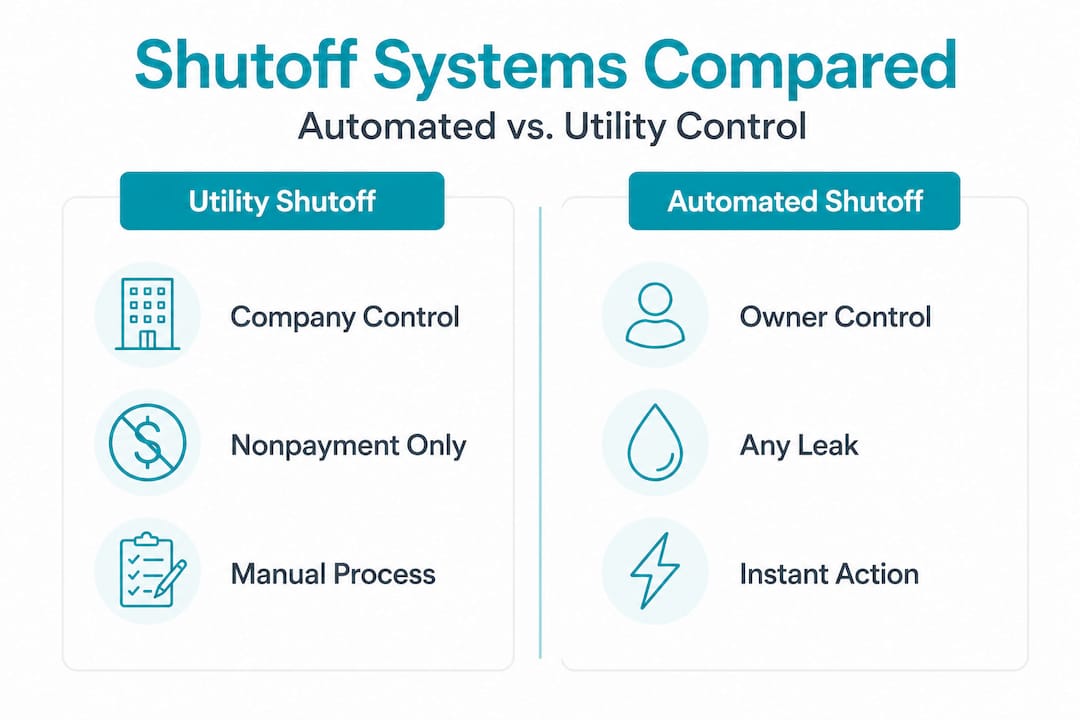
Automated shutoff devices, as explained in detail here, are IoT-enabled systems installed at the property level to monitor water flow and close a valve automatically when a leak or burst pipe is detected. They are not utility tools. They are your tools.
Key benefits of property-level automated shutoff include:
- Immediate response to leaks without waiting for a maintenance call
- Reduced liability for water damage to tenant belongings and building structure
- Lower insurance premiums as insurers recognize proactive risk management
- Compliance support aligned with California automated shutoff best practices
“Automated shutoff is not a utility function. It is a property management strategy that keeps your building safe, your tenants protected, and your costs under control.”
How automated shutoff systems work in apartments
Now that you know what automated shutoff is, let’s walk through how these systems actually function inside a multifamily building.
A complete automated shutoff system has three core components working together: leak sensors, a controller or hub, and motorized shutoff valves. Each plays a specific role. The sensors detect moisture or abnormal flow. The controller processes that signal. The valve closes to stop water flow. This entire sequence can happen in seconds, long before a maintenance technician could ever respond manually.
Here is a step-by-step breakdown of a typical leak event:
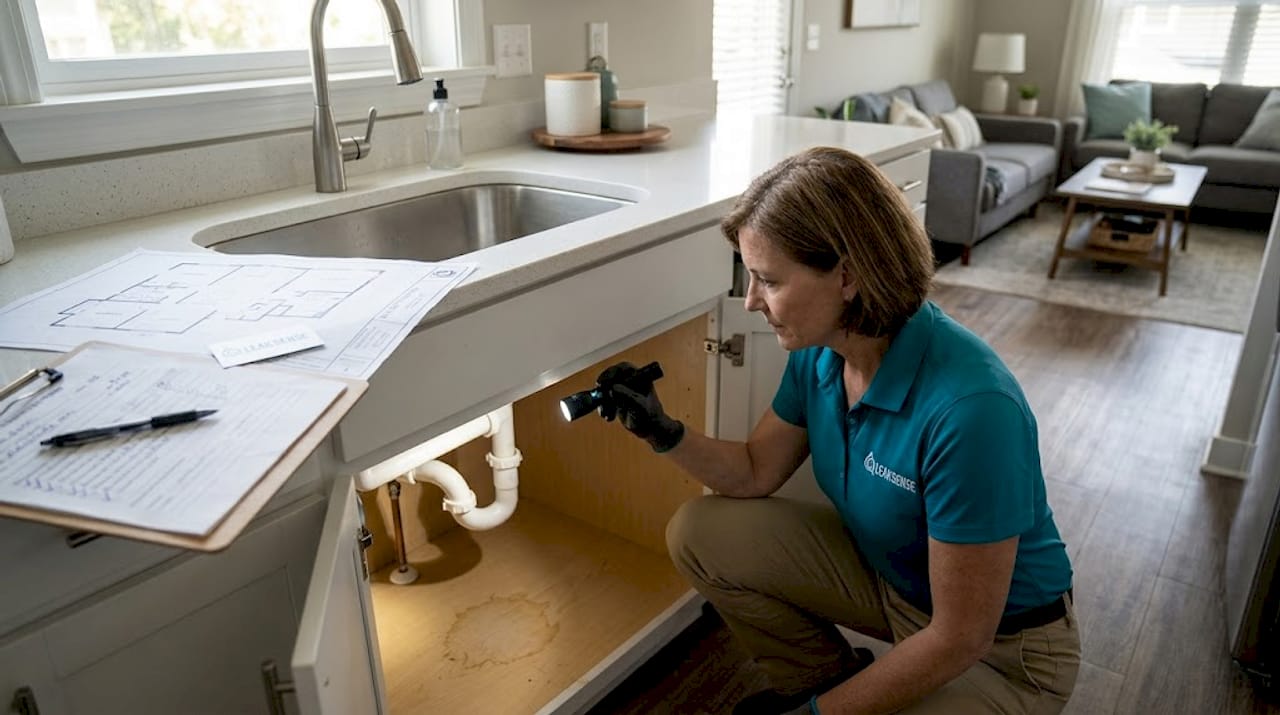
- Sensor detects moisture under a sink, near a water heater, or along a supply line
- Signal is sent to the central controller via Wi-Fi or a dedicated wireless protocol
- Controller triggers the valve to close, stopping water flow to the affected zone or the entire unit
- Alert is pushed to the property manager’s phone or monitoring dashboard in real time
- Manager reviews the event remotely and dispatches maintenance as needed
- Valve is reopened manually or remotely once the issue is resolved
Automation prevents leaks from escalating into costly water damage events by removing the human delay from the equation. In a 50-unit building, that delay can mean the difference between a minor repair and a six-figure insurance claim.
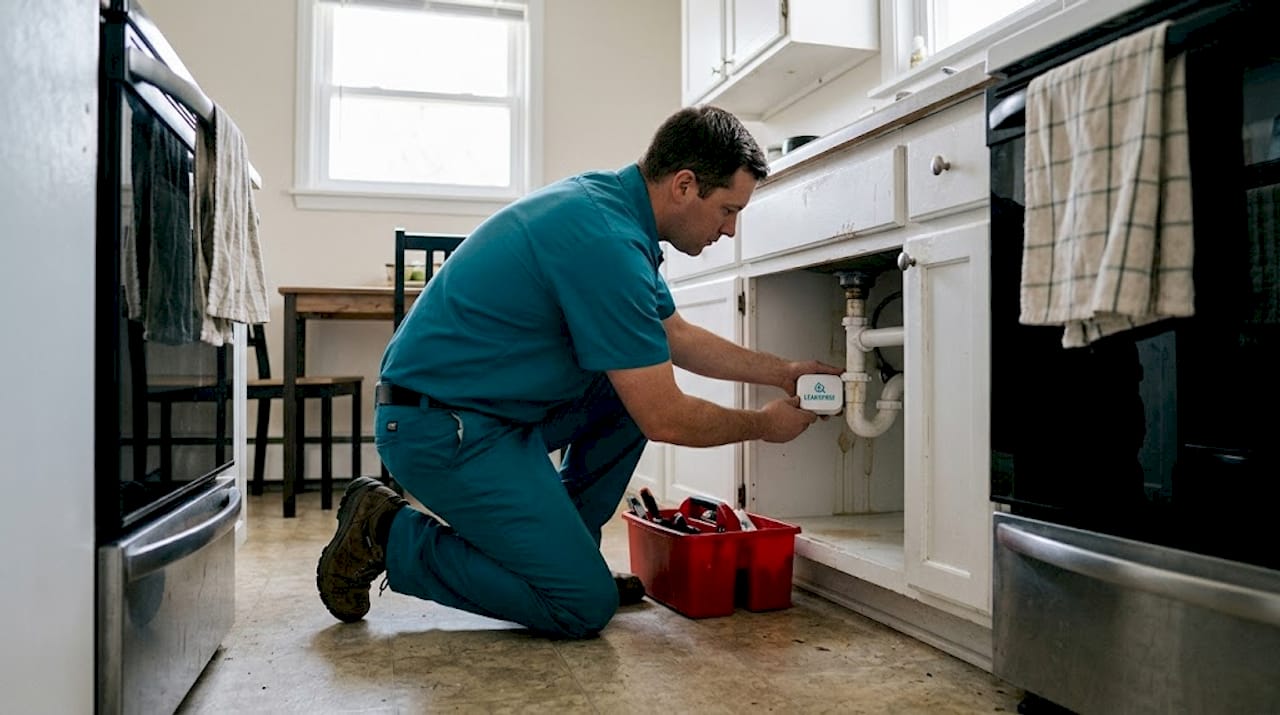
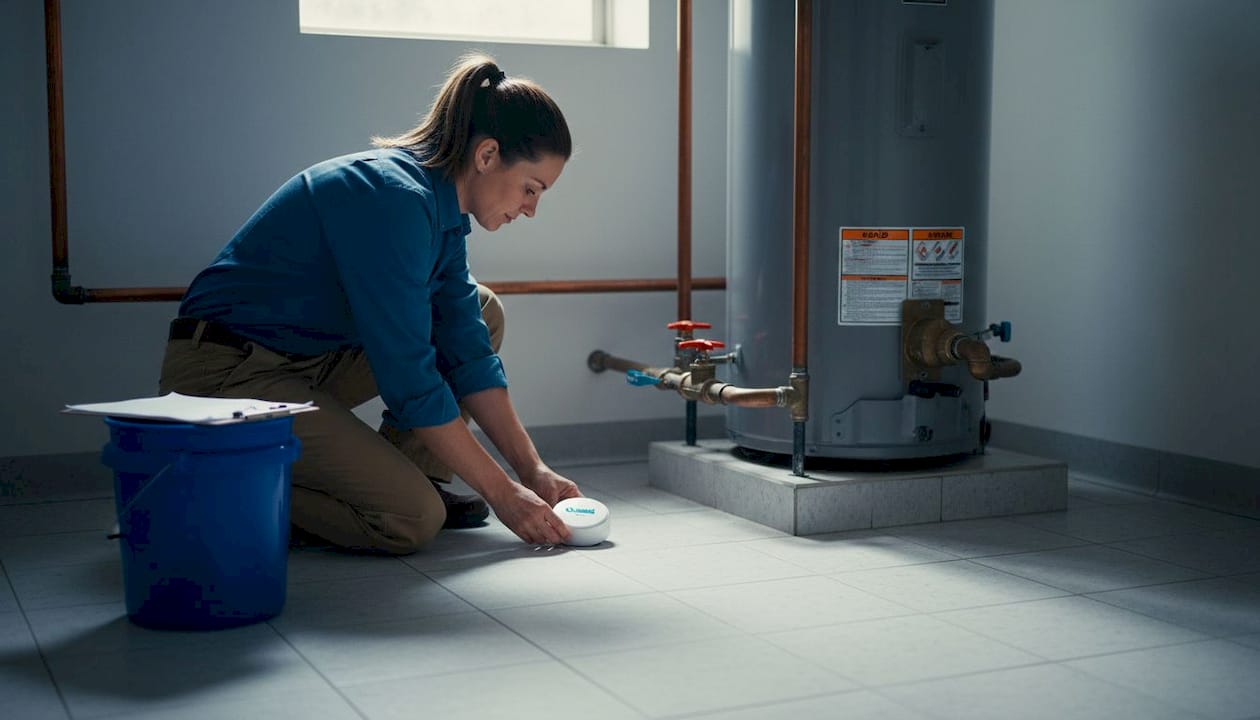
Pro Tip: Install sensors not just under sinks but also near washing machine connections, HVAC condensate lines, and water heaters. These are the most common sources of slow leaks in multifamily buildings.
Remote shutoff solutions add another layer of control by allowing property managers to close valves from anywhere using a mobile app. This is especially valuable for vacant units or properties managed across multiple locations.
Property-level automated shutoff devices operate differently from utility service terminations and are designed specifically to prevent property damage, not to interrupt tenant service.
Comparing automated shutoff to manual and remote shutoff options
Understanding the mechanics is the first step, but how does automation stack up against other approaches you might already be using?
| Shutoff type | Response time | Requires staff | Works 24/7 | Insurance benefit |
|---|---|---|---|---|
| Manual shutoff | Minutes to hours | Yes | No | Minimal |
| Remote shutoff | Minutes (if noticed) | Partial | Partial | Moderate |
| Automated shutoff | Seconds | No | Yes | Significant |
Manual shutoff depends entirely on someone noticing the problem first, which rarely happens at 2 a.m. on a Sunday. Remote shutoff improves on that by letting you act from a distance, but it still requires you to receive an alert and respond. Automated shutoff removes the human bottleneck entirely.
The financial case for automation is strong. Consider these advantages:
- Insurance discounts of 5 to 15 percent are available from many carriers for properties with certified automated shutoff systems
- Reduced maintenance costs because leaks are stopped before they saturate drywall, flooring, and structural elements
- Faster unit turnaround since water damage repairs can take weeks and displace tenants
- Lower water bills by catching slow leaks that would otherwise go undetected for months
Automated shutoff solutions substantially reduce water damage and claims compared to traditional methods, which is why insurers are increasingly willing to reward properties that invest in them.
Protecting your building’s pipes and infrastructure also matters long-term. Proper asset coating protection for water tanks and pipelines works hand-in-hand with automated shutoff to extend the lifespan of your water infrastructure. The guide to remote shutoff is a useful resource if you want to understand how remote capabilities complement full automation.
For properties where budget is a concern, starting with remote shutoff and upgrading to full automation over time is a practical path. However, the damage reduction impact of full automation typically justifies the upfront cost within the first year.
Regulatory considerations for automated shutoff in California
With benefits and trade-offs outlined, let’s address what California property managers need to know about staying compliant.
SB 998 concerns utility water shutoff for nonpayment and consumer protections but does not regulate automated shutoff for leak prevention in properties. This is an important distinction. You are not legally required to install automated shutoff under SB 998, but that does not mean there are no regulatory reasons to act.
California’s Title 24 building standards, water conservation mandates, and local municipal codes increasingly favor or require proactive water management in multifamily buildings. Here is what to keep in mind:
- Title 24 compliance may require water-efficient fixtures and monitoring systems in new construction and major renovations
- Local water districts in drought-prone areas often incentivize or mandate leak detection programs
- Insurance policy requirements from some carriers now specify automated shutoff as a condition for coverage
- LEED certification points are available for buildings that demonstrate proactive water management
Pro Tip: Contact your local water district before installation. Many offer rebates or co-funding for certified leak detection and automated shutoff systems, which can reduce your upfront costs significantly.
When communicating with residents about automated shutoff, be transparent. Explain that the system protects their belongings and minimizes disruption. Most tenants respond positively once they understand the system is there to help them, not monitor their usage.
“Automated shutoff is not a compliance checkbox. It is a proactive investment that positions your property ahead of tightening California water regulations.”
California compliance resources can help you map your current setup against state and local requirements and identify gaps before they become costly problems.
Real-world impact: Automated shutoff results for California apartments
Now, let’s look at what these systems have actually delivered for multifamily owners in California.
The results are measurable. Automated shutoff systems can reduce water damage claims by up to 90% for California property owners, which translates directly into lower premiums, fewer displaced tenants, and reduced repair budgets.
| Metric | Before automated shutoff | After automated shutoff |
|---|---|---|
| Annual water damage claims | 4 to 6 per year | 0 to 1 per year |
| Average repair cost per incident | $18,000 to $45,000 | Under $2,000 |
| Water bill savings | Baseline | 10 to 20 percent reduction |
| Tenant displacement events | 2 to 3 per year | Near zero |
Achieving these results follows a clear process:
- Conduct a water audit to identify high-risk zones in your building
- Select a system that covers sensors, automated valves, and cloud monitoring
- Complete professional installation to ensure sensors are placed at every critical point
- Configure alert thresholds based on your building’s normal flow patterns
- Train your maintenance team on how to respond to alerts and reset valves
- Review monthly reports to identify trends and optimize system settings
The 90 percent reduction in claims is not a theoretical figure. It reflects what happens when you remove the human response delay from water emergencies. Pair that with 24/7 leak detection and you have a system that works even when your team does not.
Why prevention beats reaction: A property management perspective
The numbers are compelling, but the real shift is a mindset change. Too many property managers still treat water damage as an inevitable cost of doing business. It is not.
Every reactive repair costs more than the proactive investment that would have prevented it. A single water damage event averaging $25,000 in repairs, tenant relocation costs, and lost rent can easily exceed the total cost of equipping an entire building with automated shutoff. That math is hard to ignore once you have lived through a major incident.
What often gets overlooked is the competitive angle. Buildings with documented water management systems attract better tenants and command stronger rents. Investors and buyers also assign higher valuations to properties with lower risk profiles. Automated shutoff is not just a maintenance tool. It is a differentiator.
Improved leak detection accuracy reaching 95 percent means fewer false alarms and more reliable protection, which builds trust with both your maintenance team and your tenants. The technology has matured to the point where the argument for waiting no longer holds up.
The property managers who move first on automation will spend less, stress less, and retain tenants longer than those who wait for the next incident to force their hand.
Upgrade your water protection: Next steps for California properties
Protecting your building from water damage does not have to be complicated. The technology is proven, the ROI is clear, and the regulatory direction in California strongly favors proactive water management.
LeakSense offers automatic leak detection solutions designed specifically for California multifamily properties, with professional installation, real-time monitoring, and automated valve control built into every deployment. Combined with smart submetering, you gain full visibility into your building’s water usage, enabling accurate tenant billing, conservation tracking, and early warning of unusual consumption. Reach out to the LeakSense team to schedule a property assessment and find out exactly what your building needs to stay protected, compliant, and efficient.
Frequently asked questions
Does automated shutoff meet California compliance requirements?
Automated shutoff devices are not regulated by SB 998, which addresses utility water shutoff for nonpayment, but they strongly support best practices under Title 24 and local water conservation mandates.
Can automated shutoff systems save money for apartment owners?
Yes. They lower water bills by catching slow leaks early and can reduce water damage claims by up to 90%, resulting in significant long-term savings on repairs, insurance, and tenant displacement costs.
How fast can an automated shutoff system stop a leak?
Most systems detect and close the valve within seconds of a sensor trigger, stopping water flow before it saturates walls, flooring, or adjacent units.
Is automated shutoff the same as water shutoff for nonpayment?
No. SB 998 protects residents from utility water shutoff due to nonpayment, while property-level automated shutoff is a leak prevention tool controlled entirely by the property owner.