TL;DR:
- Proactive leak detection protects California properties from costly damage and regulatory violations.
- Implementing layered systems with tools, sensors, and protocols ensures timely leak identification and response.
- Proper documentation and rapid action are essential to maintain legal compliance and minimize repair costs.
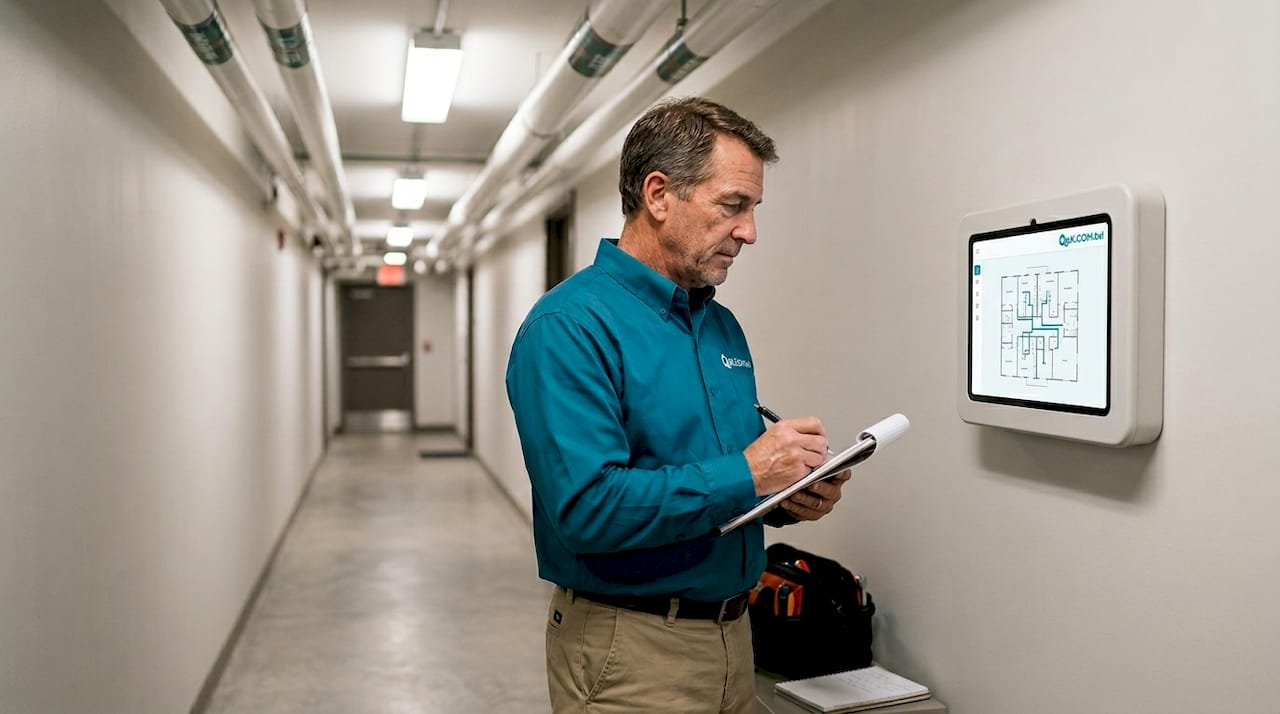
A slow drip under a bathroom sink. A hairline crack in a supply line behind a wall. These small, easy-to-miss problems can quietly escalate into mold infestations, structural damage, and serious compliance violations in California multifamily and commercial buildings. Property managers who rely on reactive maintenance often find themselves facing five-figure repair bills, habitability complaints, and documentation gaps that expose them to legal liability. This guide gives you a complete, step-by-step leak detection framework built around California regulations, industry best practices, and the latest monitoring technology, so you can stay ahead of water damage before it becomes a crisis.
- Why proactive leak detection matters in California
- What you need before you start: Tools, systems, and planning
- How to detect leaks: Step-by-step process
- Documentation and response: Staying compliant with California law
- Why prevention beats emergency response in California properties
- Take action: Upgrade your leak detection program today
- Frequently asked questions
Key Takeaways
| Point | Details |
|---|---|
| Start with prevention | Proactive leak detection and maintenance programs save money and reduce legal risk in California properties. |
| Use the right tools and tech | Combining manual checks with modern detection technology makes compliance and early detection much easier. |
| Document every response | Clear, timestamped records of leak events and repairs are essential for meeting California legal requirements. |
| Act quickly when leaks are found | Immediate reporting, water shutoff, and prompt repairs limit damage and liability for managers. |
Why proactive leak detection matters in California
Understanding why leak detection is critical for California properties starts with recognizing the scale of the problem. Water leaks in multifamily and commercial buildings are not rare edge cases. They are routine operational risks that compound quickly when left unaddressed.
The financial and regulatory stakes are high. A single undetected leak in a common-area pipe can waste tens of thousands of gallons before anyone notices. Beyond the water bill, you are looking at:
- Structural damage to drywall, flooring, and framing
- Mold remediation costs that can exceed $10,000 per unit
- Habitability complaints and potential rent withholding by tenants
- Insurance claim complications if documentation is incomplete
- Regulatory fines if repairs are not made promptly
California’s habitability laws place a clear obligation on property managers to act quickly. Prompt repair and documentation of leaks, including photographs, timestamps, and response records, are essential parts of legal and compliance risk management. Failing to document your response can be just as damaging as failing to make the repair itself.
Industry standards reinforce this urgency. The IREM CSP multifamily guidebook includes checking for water leaks as a required action within ongoing preventive maintenance programs for properties seeking Certified Sustainable Property recognition. This is not just a best practice. It is a benchmark that sophisticated investors and regulators increasingly expect.
“Turning reactive maintenance into proactive water management is not just about saving money. It is about protecting your residents, your property, and your standing as a compliant operator in California’s regulatory environment.”
The water damage prevention checklist approach shifts your team from firefighting mode into a structured, repeatable program that catches problems early. Properties with documented preventive maintenance programs also tend to see lower insurance premiums and stronger relationships with their insurers, which is a meaningful financial benefit in a high-cost state like California.
What you need before you start: Tools, systems, and planning
Having explained why leak detection is a business-critical issue, the next step is understanding what is required for a compliant and effective process. Before your team conducts a single inspection, you need the right tools, the right technology, and clear internal processes.
Physical inspection tools
Every property management team should have access to the following:
| Tool | Purpose | Best use case |
|---|---|---|
| Moisture meter | Detects moisture behind walls and under floors | Post-incident verification, routine checks |
| Pipe inspection camera | Visual inspection of drain and supply lines | Unit turnovers, older buildings |
| Thermal imaging camera | Identifies temperature anomalies from leaks | Hidden leaks in walls and ceilings |
| Water pressure gauge | Tests for pressure irregularities indicating leaks | Whole-building diagnostics |
| Dye test tablets | Detects toilet tank leaks | Routine unit inspections |
Digital and IoT-enabled solutions
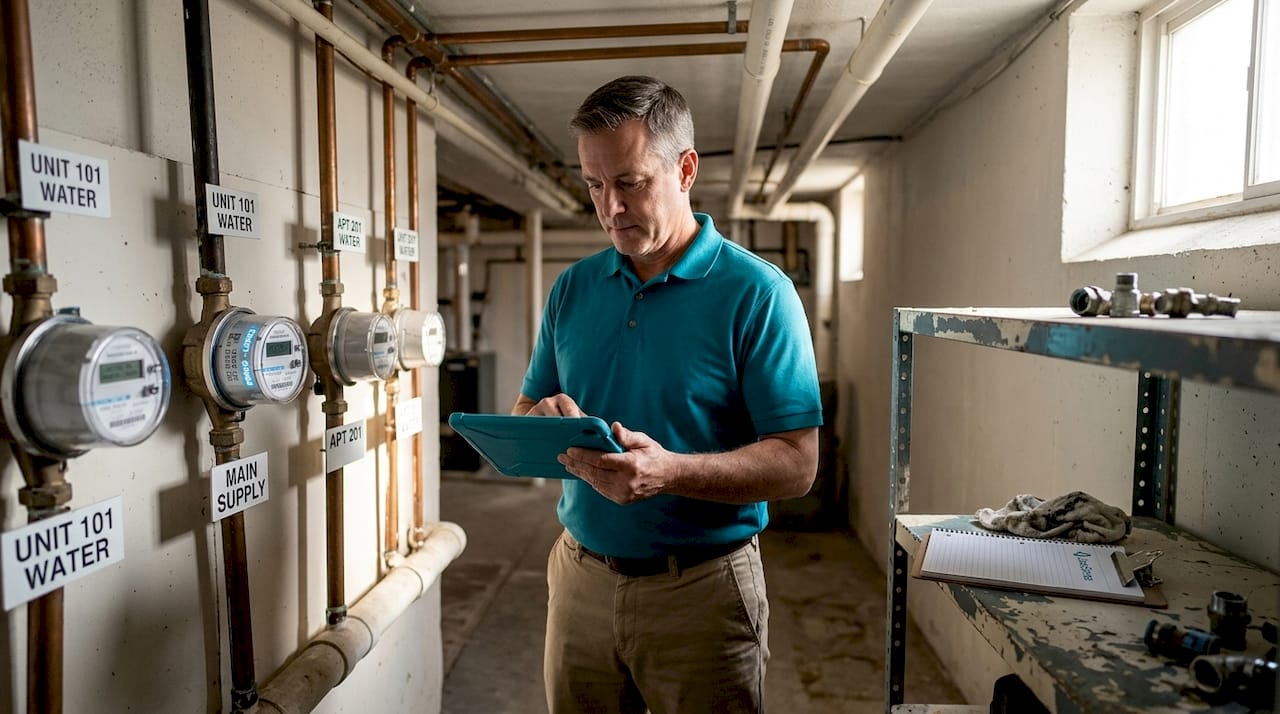
Physical tools are essential, but they only work when someone is actively using them. Digital solutions extend your coverage continuously. The IREM CSP multifamily guidebook specifically highlights qualifying leak-detection technology as part of a compliant preventive maintenance program. Key digital tools include:
- IoT leak sensors placed at high-risk points (under sinks, near water heaters, at appliance connections)
- Automated shutoff devices that cut water flow when a leak is detected, limiting damage before staff can respond
- Real-time water analytics platforms that flag abnormal usage patterns across units or floors
- Mobile app integrations that push instant alerts to maintenance staff and property managers
- Resident reporting portals that make it easy for tenants to flag suspected leaks
Reviewing the checklist for multifamily properties can help you match the right tools to your specific building type and age.
Internal systems and scheduling
Technology alone is not enough. You also need:
- A maintenance scheduling system with recurring leak inspection tasks
- A clear escalation protocol so staff know exactly who to notify and when
- A resident communication template for reporting suspected leaks
- A vendor list with licensed plumbers available for emergency response
Pro Tip: When setting up detection systems for the first time, prioritize high-risk areas first. Mechanical rooms, laundry facilities, ground-floor units with slab foundations, and any area with aging plumbing are your highest-priority zones.
How to detect leaks: Step-by-step process
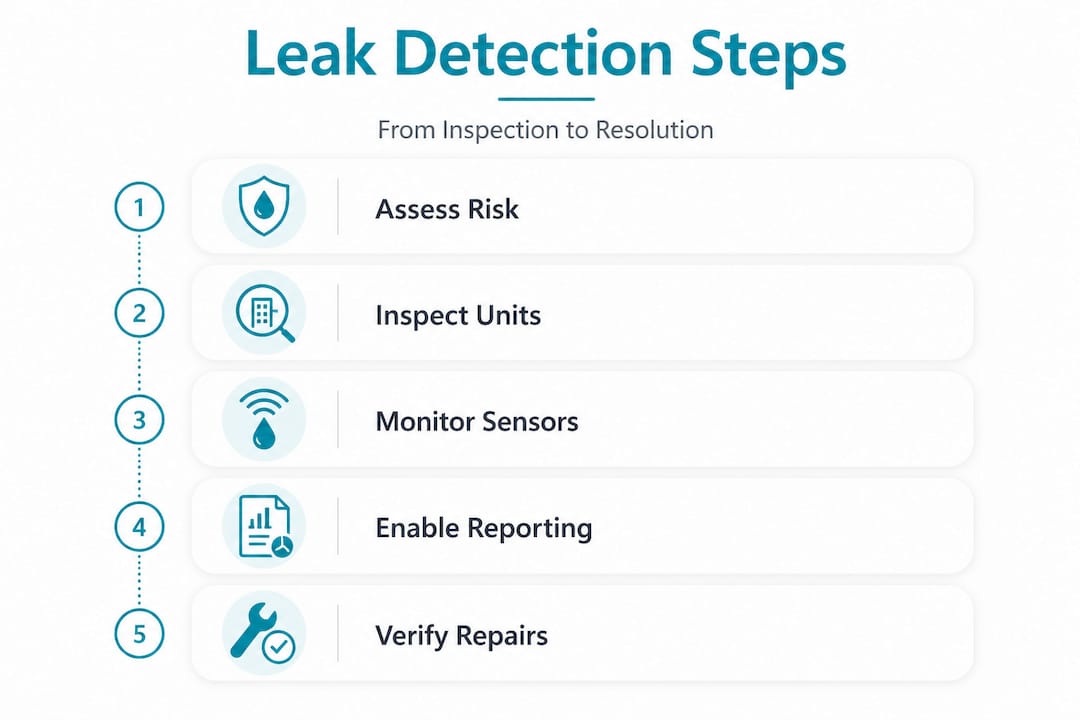
Once tools and prep steps are set, managers need a detailed, sequential method to put those resources to work in active leak detection. The IREM CSP multifamily guidebook describes conducting regular water leak inspections and implementing resident and service request processes as core components of a qualifying leak detection program.
Step 1: Schedule and conduct routine inspections
Set a quarterly inspection calendar at minimum. During each inspection, check:
- All visible supply lines and shutoff valves in common areas
- Water heater connections and pressure relief valves
- Irrigation systems and outdoor hose bibs
- Roof drains and gutters after heavy rain events
- HVAC condensate drain lines
Step 2: Conduct unit-level inspections at every turnover
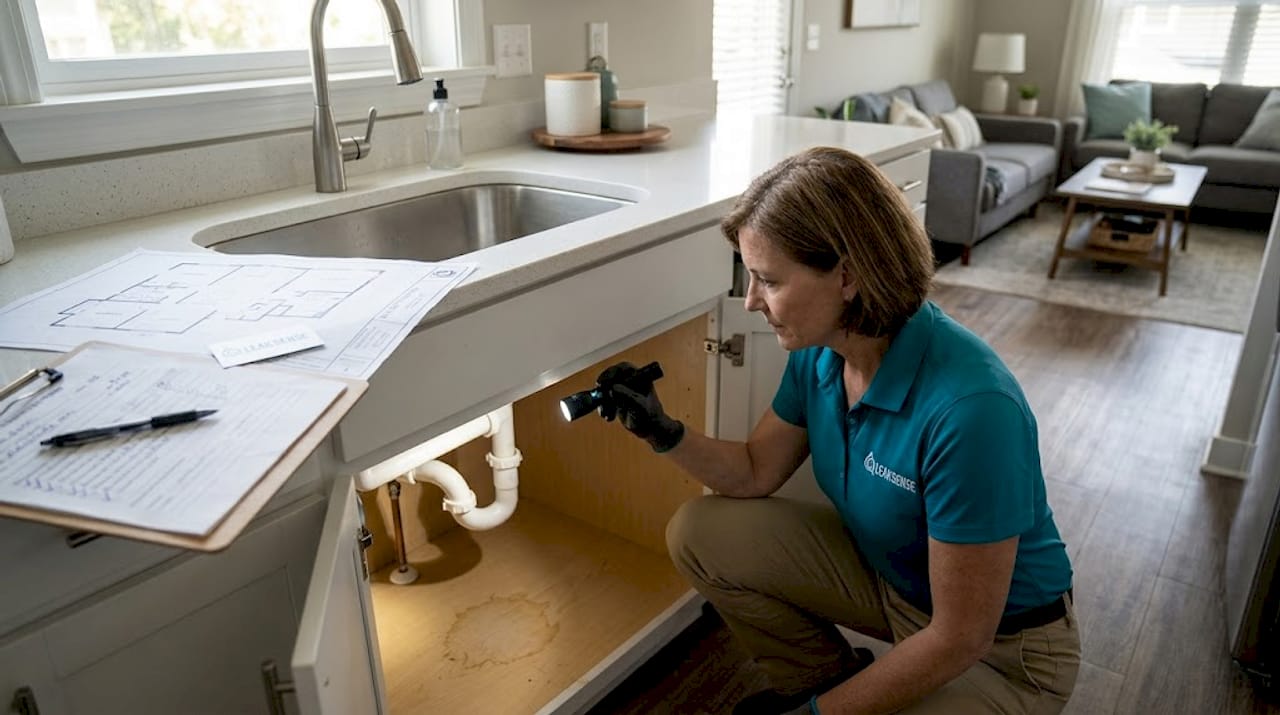
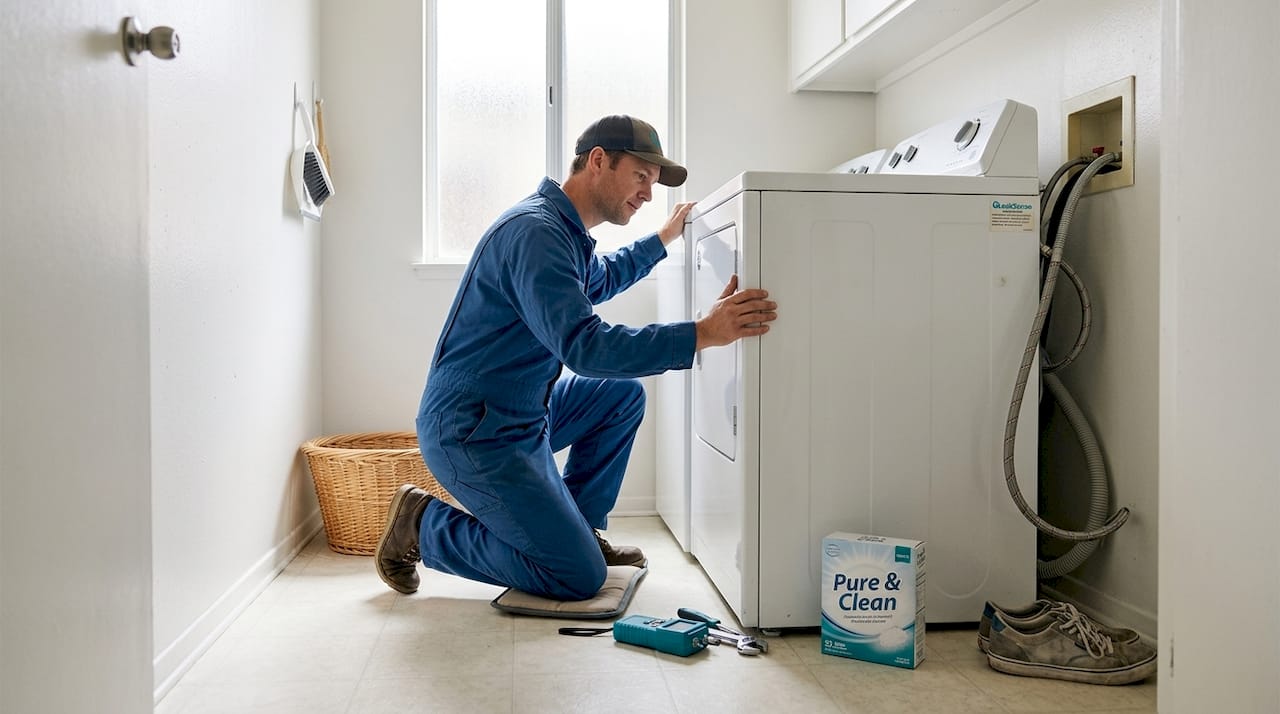
Unit turnovers are your best opportunity for a thorough interior inspection. Check under sinks, around toilets, at appliance water connections, and behind washing machine hookups. Use dye tablets to test toilet tanks for silent leaks, which are among the most common and wasteful leak sources in multifamily buildings.
Step 3: Integrate continuous monitoring technology
Deploy IoT sensors at all high-risk points identified in your building assessment. Configure your monitoring platform to send real-time alerts when sensors detect moisture or when water usage patterns deviate from baseline. Review the detailed leak monitoring steps to calibrate alert thresholds appropriately for your building size and occupancy.
Step 4: Activate and manage resident reporting
Residents often notice leaks before your team does. Make it easy for them to report issues through a dedicated portal, a posted phone number, or a mobile app. Train your leasing and maintenance teams to treat every resident report as a potential compliance event, not just a maintenance ticket.
Step 5: Respond immediately when a leak is detected
California law emphasizes prompt reporting and shutoff steps when a leak is found. The moment a leak is confirmed:
- Notify the property manager and maintenance lead
- Shut off water to the affected area using manual or automated shutoff valves
- Photograph the leak location, surrounding damage, and any affected personal property
- Log the time, date, and initial assessment in your maintenance system
- Dispatch a licensed plumber for repair
Step 6: Verify and close the loop
After repair, use a moisture meter to confirm the area is fully dry before closing the work order. This verification step protects you from secondary damage claims and provides a clean audit trail.
| Detection method | Response time | Coverage | Compliance value |
|---|---|---|---|
| Manual inspection only | Days to weeks | Spot checks | Moderate |
| Resident reports | Hours to days | Occupied units | Moderate |
| IoT sensors with alerts | Minutes | 24/7, all zones | High |
| Automated shutoff + IoT | Seconds to minutes | 24/7, all zones | Highest |
Following a structured leak detection workflow ensures nothing falls through the cracks between detection and resolution.
Pro Tip: Document every step of your response, even for minor leaks. A well-documented response to a small leak today is your best defense if a tenant later claims the property had an ongoing water intrusion problem.
Documentation and response: Staying compliant with California law
With leak detection steps completed, managers must know how to respond legally and operationally to discoveries, especially under California’s strict requirements. Documentation is not optional. It is the foundation of your compliance posture.
What must be documented
California’s habitability obligations require photographs, timestamps, and response records as part of legal and compliance risk management after a leak is detected. Specifically, your documentation package for each incident should include:
- Photographs of the leak source, surrounding damage, and any affected tenant belongings
- Timestamps on all photos, work orders, and communications
- Written repair logs detailing what was found, what was repaired, and by whom
- Vendor invoices from licensed contractors
- Post-repair moisture readings confirming the area is dry
- Tenant notification records if the leak affected an occupied unit
Emergency versus non-urgent repairs
California law distinguishes between conditions that require immediate action and those that can be addressed within a standard repair timeline. A burst pipe flooding a unit is an emergency requiring same-day response. A slow drip from a faucet may allow for a scheduled repair within a reasonable window. However, any condition that affects habitability, such as mold risk from prolonged moisture, should be treated as urgent regardless of the apparent severity of the leak.
“The distinction between emergency and non-urgent repairs matters legally. Misclassifying a habitability-affecting leak as a routine maintenance item is one of the most common compliance errors California property managers make.”
Setting up a proper leak alarm setup guide for your property ensures your team has a clear protocol for classifying and escalating incidents correctly. Pairing that with a water monitoring platform that tracks usage patterns can also help you cut water waste significantly while maintaining a clean compliance record.
Structuring your incident response
Organize your response into three phases:
- Immediate response (0 to 4 hours): Shutoff, documentation, tenant notification
- Short-term repair (4 to 72 hours depending on severity): Licensed repair, verification
- Follow-up (1 to 2 weeks): Moisture monitoring, final documentation, insurance notification if applicable
Maintaining these records in a centralized, searchable system means you can produce a complete incident history within minutes if a regulator, insurer, or attorney requests it.
Why prevention beats emergency response in California properties
Here is a perspective that many property managers arrive at too late: compliance is a floor, not a ceiling. Meeting California’s minimum habitability and documentation requirements keeps you out of legal trouble, but it does not protect you from the operational and financial costs of reactive water management.
The real cost of emergency response is not just the plumber’s bill. It is the disrupted tenant, the temporary relocation expense, the insurance deductible, and the reputational damage that follows a visible flood event in a building you manage. In competitive California rental markets, a reputation for poor maintenance can increase vacancy rates and make lease renewals harder to close.
Smart leak detection solutions shift the economics entirely. When a sensor catches a pinhole leak in a supply line at 2 a.m. and automatically closes a shutoff valve, the damage is measured in ounces of water, not gallons. The repair is a plumber visit, not a mold remediation project. The documentation is already timestamped and logged in your system before your maintenance team even wakes up.
Many experienced property managers say the same thing when they finally upgrade their detection programs: they wish they had done it sooner. Not because a major incident forced them to, but because the ongoing savings in water costs, maintenance labor, and insurance premiums made the return on investment obvious in retrospect. The managers who wait for a crisis to act spend years paying the hidden tax of reactive maintenance, one slow leak at a time.
Prevention-first programs also become a genuine value-add for residents. Tenants in buildings with visible, modern water monitoring technology report higher confidence in property management. That trust translates into longer tenancies and stronger word-of-mouth referrals. In a state where tenant protections are strong and competition for good residents is real, that is a meaningful competitive advantage.
Take action: Upgrade your leak detection program today
If this guide has clarified one thing, it is that effective leak detection in California requires more than a quarterly walkthrough and a maintenance request form. It requires a layered system of physical inspections, continuous monitoring technology, clear documentation protocols, and fast response workflows.
LeakSense specializes in exactly this kind of layered approach for California multifamily and commercial properties. Their automatic leak detection systems combine IoT sensors, real-time alerts, and automated shutoff capabilities to give property managers 24/7 coverage without adding headcount. Their water metering solutions provide the usage analytics you need to spot anomalies early and support tenant billing accuracy. And their smart water submetering platform is designed to meet California’s Title 24 compliance requirements while reducing overall water costs. Contact LeakSense today to get a customized leak detection assessment for your portfolio.
Frequently asked questions
What are the top warning signs of a water leak in multifamily buildings?
Unexplained increases in water bills, visible mold or mildew, damp spots on walls or ceilings, and musty odors are the most reliable indicators of a hidden leak that warrants immediate investigation.
How often should leak inspections be performed in California apartments?
Best practice is to conduct inspections quarterly and at every unit turnover, as regular water leak checks are a required component of IREM’s Certified Sustainable Property preventive maintenance program.
What counts as legal documentation for leak response in California?
Photos, written logs with timestamps, repair records, and vendor invoices fulfill the legal documentation requirements, as California law requires prompt repair records including photographs, timestamps, and response documentation.
Do smart detection systems help with California compliance?
Yes, qualifying leak-detection technology throughout water systems satisfies preventive maintenance and documentation requirements under IREM’s CSP multifamily guidelines and supports broader California regulatory compliance.
What should I do first if a leak is found during an inspection?
Immediately report, document with photos and timestamps, and shut off water to the affected area before beginning repairs, as California repair guidance recommends prompt reporting, documentation, and shutoff steps when a leak is discovered.