TL;DR:
- Water analytics detects leaks early, saving costs and ensuring compliance.
- California SB-7 mandates submeters and detailed billing for new and renovated buildings.
- Using smart meters and continuous monitoring enhances water efficiency and reduces waste.
A single running toilet wastes 6,000 gallons per month, and in a 50-unit building, fixing those hidden leaks can save roughly $24,000 per year after submetering is installed. Most property managers only discover these losses when the water bill arrives, by which point the damage is already done. Water usage analytics changes that equation entirely. This guide walks through what water analytics really means, how California’s SB-7 law affects your compliance obligations, which technologies deliver the best return, and how to avoid the pitfalls that trip up even experienced property managers.
- What is water usage analytics? Core concepts and why they matter
- Compliance: How California SB-7 shapes your water analytics approach
- From mechanical meters to smart analytics: Options compared
- Beyond the basics: Real-world benchmarks, advanced analytics, and pitfalls
- A smarter path for California building owners: Our take
- Next steps: Deploy the best in water analytics for your properties
- Frequently asked questions
Key Takeaways
| Point | Details |
|---|---|
| Analytics cut water waste | Smart analytics and submetering can reduce water use and bills by 15–30% in California properties. |
| Compliance is non-negotiable | SB-7 laws require individual submeters and itemized billing for new and renovated multifamily buildings. |
| Smart meters outperform mechanical | Digital meters provide more accurate, real-time data and faster leak detection than traditional options. |
| Benchmarks prove ROI | Case studies show savings of thousands per year through real-time alerts and quick leak response. |
What is water usage analytics? Core concepts and why they matter
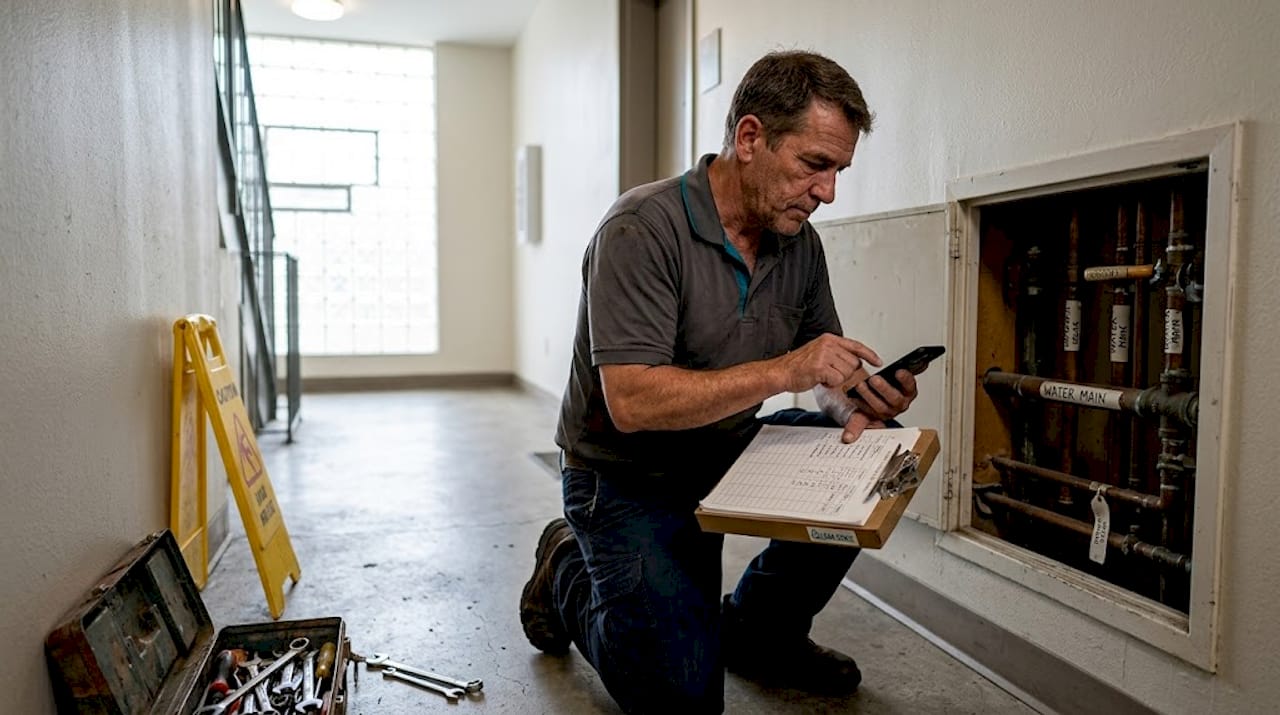
Water usage analytics is the practice of collecting, analyzing, and acting on water flow data at both the unit level and the building level. It is not just reading a meter once a month. It means continuous data streams that flag anomalies, identify trends, and trigger alerts before small problems become expensive ones.
Water usage analytics leverages unit-level submetering, real-time monitoring, and machine learning to detect leaks and anomalies the moment they occur. That means a running toilet at 2 a.m., a burst pipe over a holiday weekend, or a gradual drip that adds up over weeks can all be caught and addressed fast.
Here is what a modern water analytics setup typically involves:
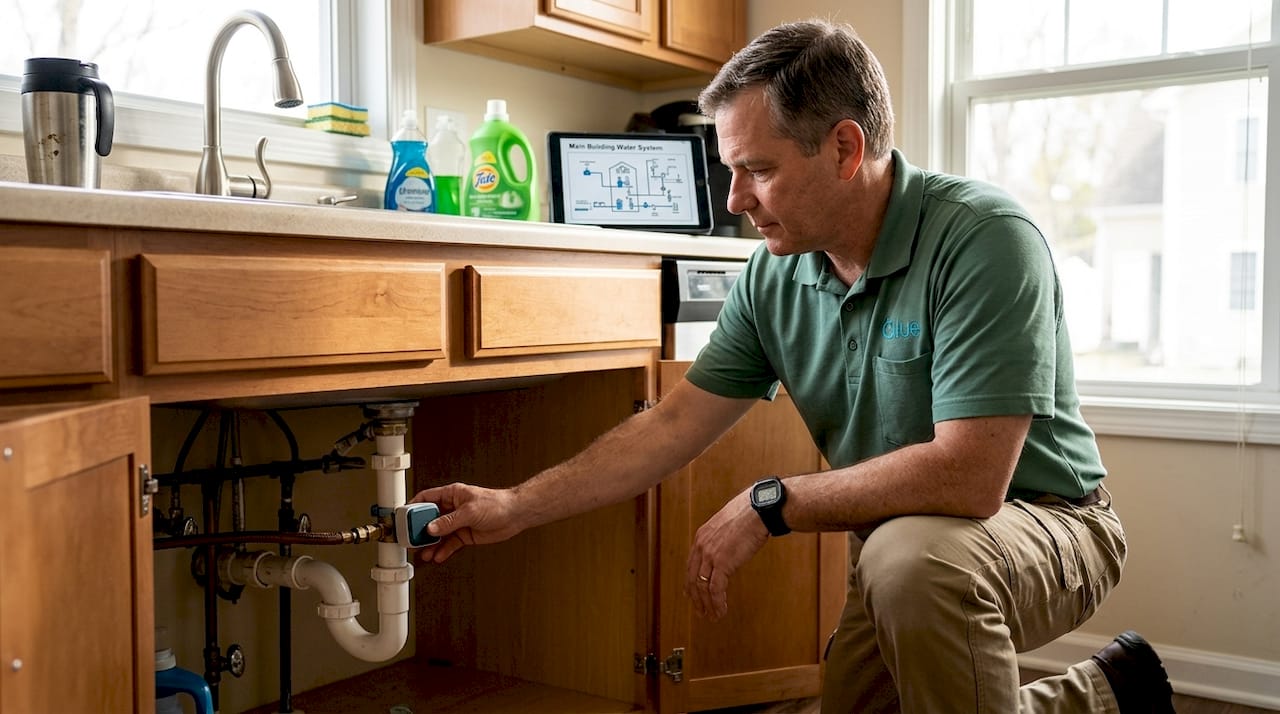
- Unit-level submeters that record consumption for each individual apartment or commercial space (learn what submetering means if you are new to the concept)
- IoT sensors embedded in pipes, fixtures, and mechanical rooms that transmit data in real time
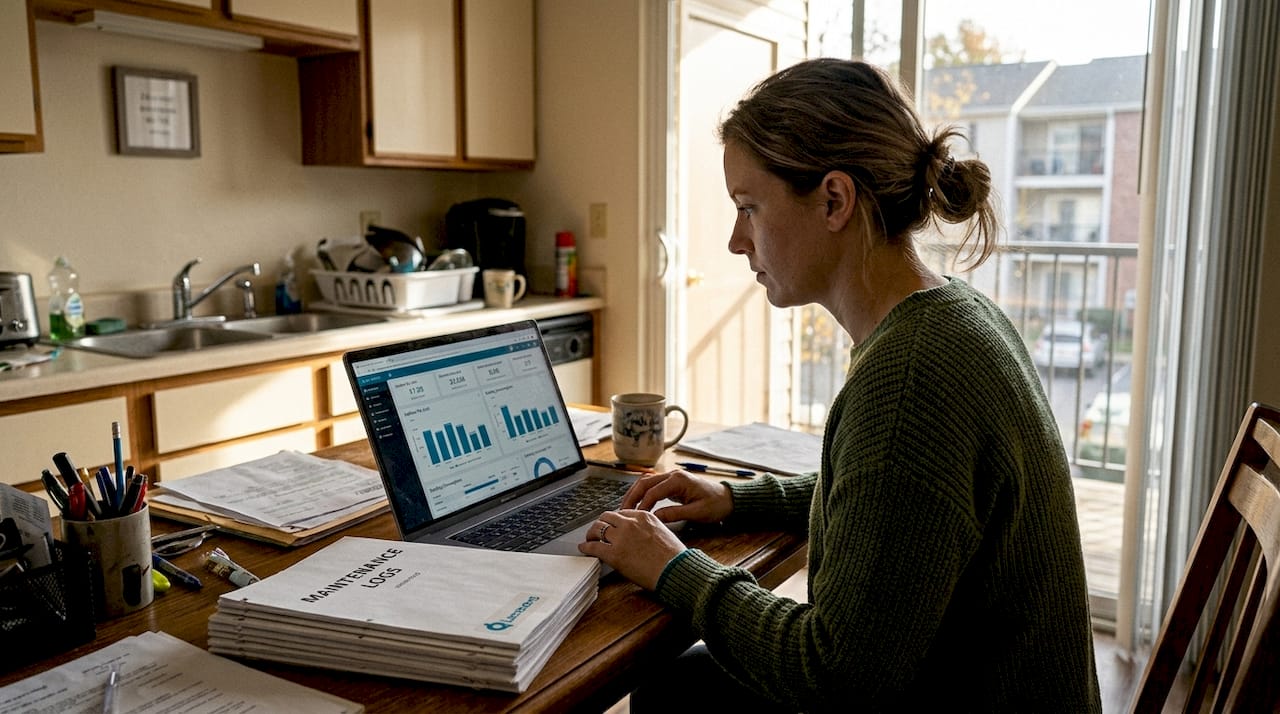
- Cloud-based dashboards that aggregate building-wide data and highlight unusual usage patterns
- Automated alerts sent via SMS or email when flow exceeds programmed thresholds
- Integration with property management software to streamline billing and maintenance workflows
For California properties specifically, the drought context makes analytics more than a cost-saving tool. Persistent water scarcity means regulators and insurers are both watching how buildings manage consumption. The leak detection benefits for multifamily buildings go beyond the monthly bill. They include lower insurance premiums, stronger ESG profiles, and better tenant satisfaction.
“The biggest shift in water management is not the hardware. It is the move from reactive billing to proactive monitoring, where every gallon tells a story.”
Pro Tip: Do not wait for your monthly utility bill to reveal a leak problem. Real savings happen when you track consumption continuously, so anomalies surface in hours rather than weeks.
Compliance: How California SB-7 shapes your water analytics approach
Once property managers understand analytics, the next challenge is translating that knowledge into regulatory compliance. California’s Senate Bill 7 (SB-7) applies to all multifamily buildings constructed or renovated after January 1, 2018, and it sets clear standards for how water must be measured and billed.
California SB-7 mandates individual submeters and monthly itemized billing based on actual usage for new and renovated multifamily buildings. Non-compliance carries growing risk, particularly as 2026 enforcement ramps up across the state.
Key SB-7 requirements include:
- State-approved submetering devices installed at each unit
- Monthly itemized bills showing each tenant’s individual water consumption
- Written disclosures to tenants explaining how usage is measured and billed
- Accurate record-keeping that regulators can audit at any time
Here is how requirements shifted with SB-7:
| Requirement | Pre-SB-7 | Post-SB-7 |
|---|---|---|
| Unit-level metering | Optional | Mandatory (new/renovated) |
| Tenant billing basis | Flat rate or square footage | Actual individual usage |
| Device approval | Not required | State-approved devices only |
| Tenant disclosures | Not standardized | Required in writing |
| Record-keeping | Informal | Auditable documentation |
The good news is that analytics platforms can automate most of this. From generating itemized bills to maintaining usage logs, software built for water analytics handles compliance tasks that would otherwise require significant administrative time. For guidance on installing submeters that meet California’s requirements, it pays to work with a provider who knows the local code landscape. For a broader review of the regulatory framework, this California submetering law guide outlines the technical and legal obligations in detail.
From mechanical meters to smart analytics: Options compared
With compliance requirements clear, the practical question becomes which technology to install. Property managers in California have three main options: mechanical meters, smart digital meters, and integrated leak detection systems with full analytics.
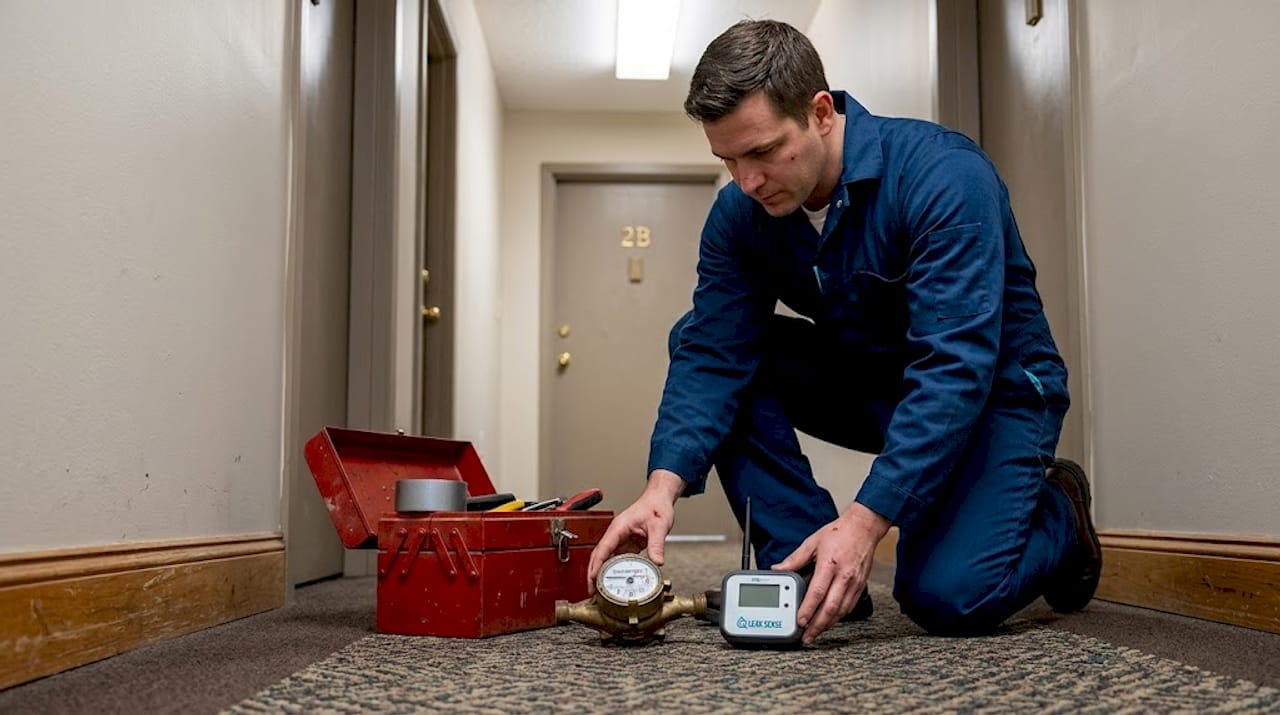
Mechanical meters are manual, lower in upfront cost, and less accurate, while smart and machine-learning-enabled detectors offer real-time data, predictive capabilities, and investment-grade ROI over time.
| Technology | Accuracy | Monitoring | Avg. upfront cost | Best for |
|---|---|---|---|---|
| Mechanical meter | 2-5% error | Manual reads | Low | Small buildings, tight budgets |
| Smart digital meter | 1-2% error | Automated, continuous | Moderate | Mid-size multifamily |
| Integrated leak detection | 1% or better | Real-time with alerts | Higher | Large or high-value properties |
Here is how each option stacks up on key decision factors:
- Mechanical meters require staff time for manual reads, miss slow leaks entirely, and cannot integrate with billing software
- Smart digital meters automate billing, flag anomalies, and reduce human error significantly
- Integrated leak detection adds sensor networks, automated shutoffs, and machine learning that catches leaks mechanical meters would miss for months
For detailed reviews of best leak detection systems for multifamily buildings, comparing specific products is worth your time before committing. You can also review smart water metering options that align with California code and SB-7 requirements.
Periodic water audits add another layer. They provide a detailed one-time snapshot of where water is going, which helps validate sensor data and identify infrastructure issues. The water audit guidance from the Institute for Market Transformation offers a solid framework for commercial properties.
Pro Tip: A phased rollout, starting with the highest-consumption floors or units, lets you prioritize spending, demonstrate savings early, and build the case for a full-building upgrade without straining your capital budget.
Beyond the basics: Real-world benchmarks, advanced analytics, and pitfalls
With the main options compared, it is time to look at how water analytics actually performs in daily operations and what advanced users need to watch for.
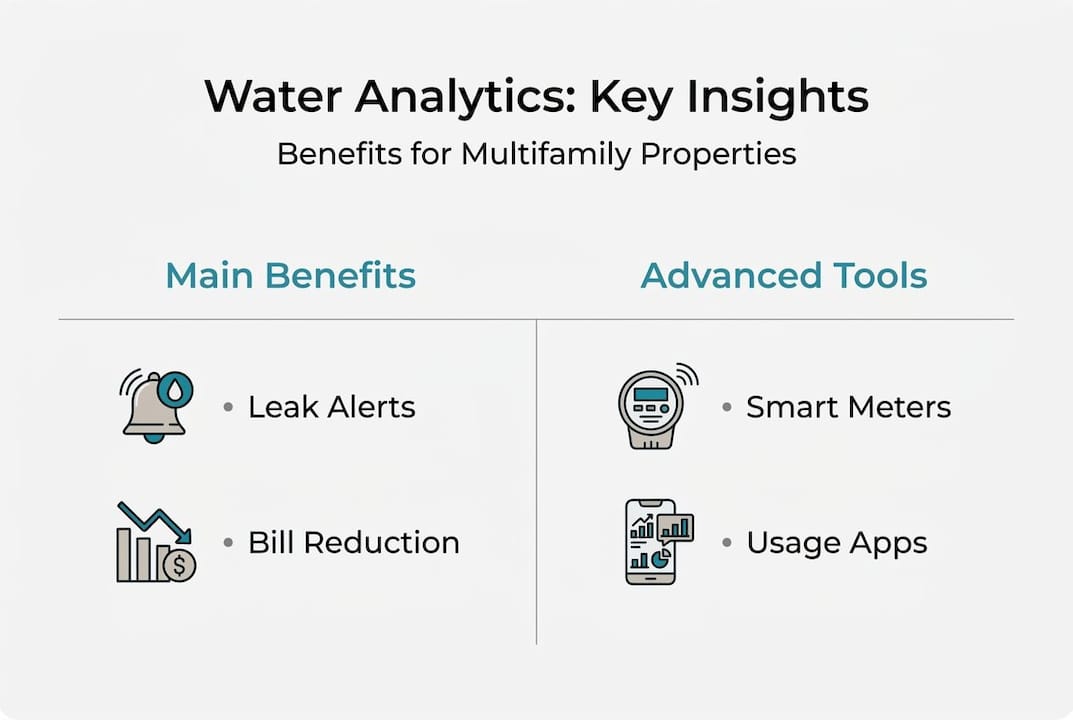
Empirical benchmarks show 15 to 30% reductions in water consumption after submetering, with annual savings reaching $24,000 for 50-unit buildings. In one documented case, a 32-unit building detected a significant leak within 24 hours of activating its analytics system, avoiding thousands in potential damage.
Those numbers are achievable, but only if you avoid the most common pitfalls:
- Ignoring baseline data. Without at least 30 to 60 days of baseline readings, your system cannot distinguish normal seasonal variation from a real anomaly. Commit to building that baseline before drawing conclusions.
- Over-relying on alerts without follow-through. Automated alerts are only as useful as the maintenance response behind them. Build a clear escalation protocol so alerts lead to action, not alert fatigue.
- Missing micro-leaks. Slow drips in toilet flappers or irrigation lines accumulate over months. Smart meters catch these, but leak detection accuracy depends on sensor placement and calibration.
- Seasonal miscalibration. Summer irrigation spikes can trigger false positives. Adjust thresholds seasonally to reduce noise.
- Skipping periodic audits. Step-by-step leak detection works best when paired with manual audits once or twice a year to verify sensor accuracy.
Gradual micro-leaks, false positives, seasonal variation, and audit pairings require nuanced analysis, not just raw data feeds.
Advanced users go further by combining smart analytics with tenant-facing apps. When residents can see their own usage data in real time, conservation behaviors improve measurably. Engagement through mobile alerts, monthly usage summaries, and comparisons to building averages turns tenants into active partners in water management.
Pro Tip: Involve your tenants. Buildings that share usage dashboards with residents consistently report higher conservation rates and fewer tenant disputes over water billing.
A smarter path for California building owners: Our take
Most conversations about water analytics focus on hardware: which meters to buy, how to install them, and what the payback period looks like. That framing misses the bigger opportunity.
The real value is not in the sensor. It is in what you do with the data and who you involve in acting on it. Savings potential is highest in master-metered retrofits, tenant-facing apps drive measurable conservation, and compliance urgency in 2026 makes delay increasingly costly.
Properties that outperform their peers share a common trait: they treat water analytics as an operational discipline, not a one-time installation. They review dashboards regularly, update thresholds seasonally, and train staff to respond quickly. They also communicate with tenants, sharing usage data and explaining billing in plain language.
Ignoring analytics today means accepting growing penalties from tightening enforcement, higher utility costs during drought years, and missed insurance savings. The path forward is not to install sensors and walk away. It is to build a data-driven water management culture. Setting up leak detection systems is the first step, but sustained engagement with the data is what separates top-performing buildings from those just checking a compliance box.
Next steps: Deploy the best in water analytics for your properties
If you manage multifamily or commercial properties in California, the window to act proactively is narrowing as SB-7 enforcement tightens and utility costs climb.
LeakSense offers purpose-built solutions for property managers who want more than just a meter. The automatic leak detection platform combines IoT sensors, real-time alerts, and automated shutoffs into one system designed for multifamily scale. The water analytics platform handles billing automation, usage reporting, and SB-7 compliance documentation. Ready to see how it fits your building? Compare metering systems and request a consultation to get a custom savings estimate for your portfolio.
Frequently asked questions
What is the main benefit of water usage analytics for California property managers?
Water usage analytics helps detect leaks quickly, reduces water bills by 15 to 30%, and ensures SB-7 compliance for multifamily and commercial buildings.
Are water usage analytics systems required by California SB-7?
SB-7 compliance mandates individual submeters and itemized bills for new or renovated multifamily buildings, and analytics systems help automate those requirements efficiently.
How accurate are smart water meters compared to mechanical ones?
Smart digital meters offer 1 to 2% accuracy, while mechanical models range from 2 to 5% accuracy and require manual reads that create reporting gaps.
What are common pitfalls in water usage analytics?
False alarms from seasonal changes, micro-leaks and false positives, and missing baseline data are the main pitfalls; combining analytics with periodic audits resolves most of these issues.
What additional savings can analytics programs deliver?
Integrated analytics have caught single leaks wasting 6,000 gallons monthly and helped buildings save up to $24,000 annually when submetering is fully deployed.
Recommended
- Step by Step Water Usage Monitoring for Multifamily
- Water Submetering for Multifamily Properties | LeakSense
- Why Water Metering Matters for Owners | LeakSense
- Water usage analytics for California properties: 2026 guide
- Ultimate Guide to Utility Costs for Apartments in 2024 - Luxury Apartments for Rent in Boca Raton | Premium Boca Raton Apartments | Aapartments Boca Raton